Why More Buyers Prefer Antifreeze Factory Direct Supply
For automotive distributors, importers, and private-label brands, choosing the right antifreeze supplier is not only about product price.
A reliable coolant supply requires:
- Stable product quality
- Consistent formulation
- Competitive purchasing cost
- Flexible packaging options
- Long-term production capability
This is why more international buyers are moving toward Antifreeze Factory Direct sourcing.
Compared with purchasing through multiple intermediaries, direct cooperation with a manufacturer allows buyers to communicate specifications directly, improve supply transparency, and develop customized coolant solutions.
GAFLE provides automotive chemical solutions including Antifreeze & Coolant products, supporting distributors, wholesalers, and OEM customers worldwide.
What Does Antifreeze Factory Direct Mean?
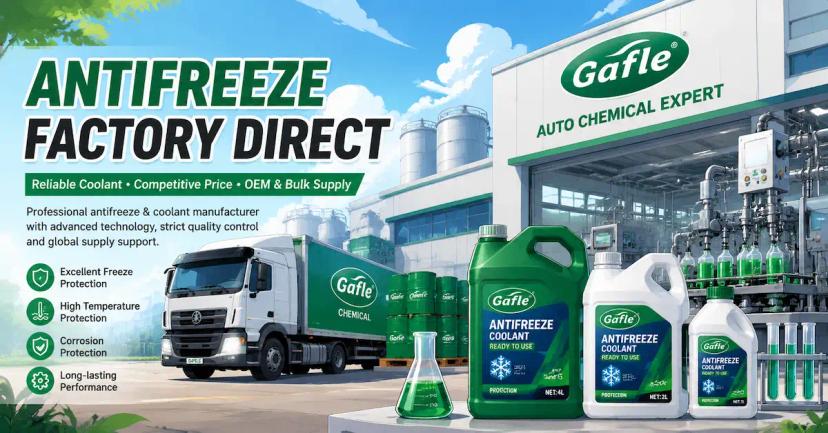
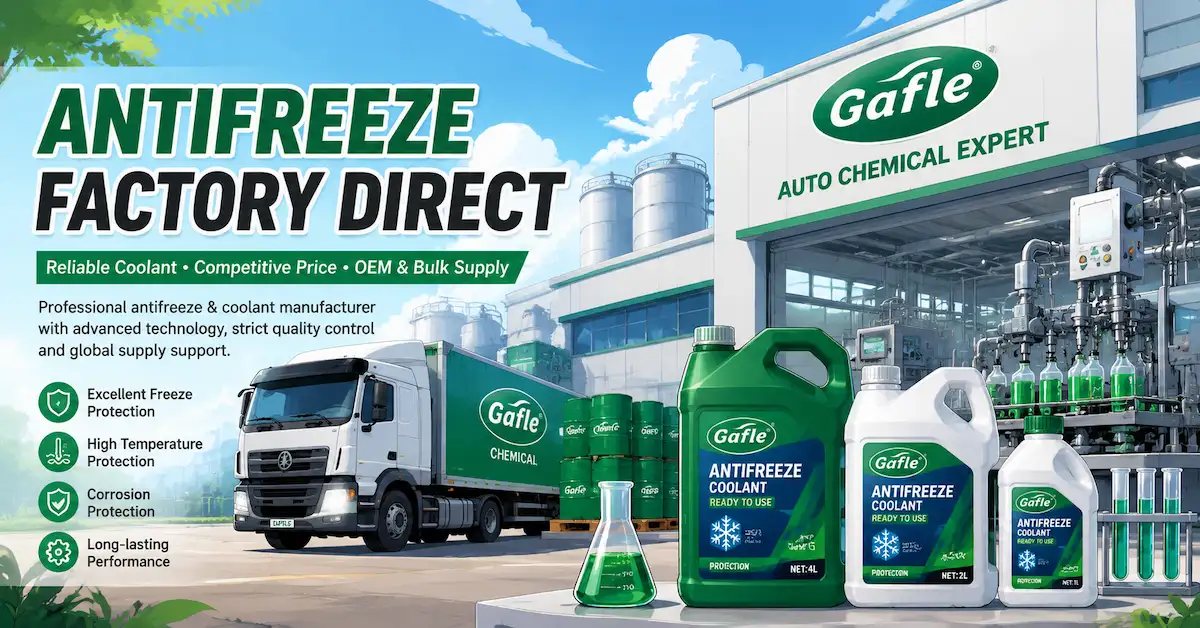
Antifreeze Factory Direct means purchasing coolant products directly from the manufacturer instead of traditional trading channels.
The factory manages:
- Formula development
- Raw material selection
- Production
- Quality inspection
- Packaging
- Shipment preparation
For B2B buyers, this model provides several advantages:
Lower Supply Chain Cost
Removing unnecessary intermediaries can help reduce:
- Additional margins
- Communication delays
- Supply uncertainty
Better Product Control
Direct communication allows buyers to confirm:
- Coolant specification
- Concentration
- Packaging
- Label requirements
- Testing requirements
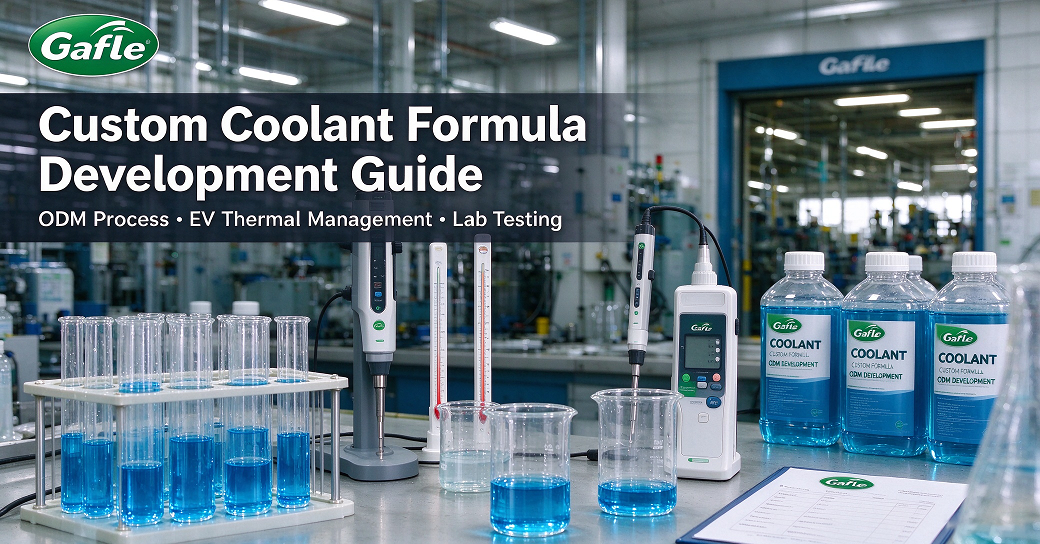
Stronger OEM Capability
Factory-direct suppliers can support:
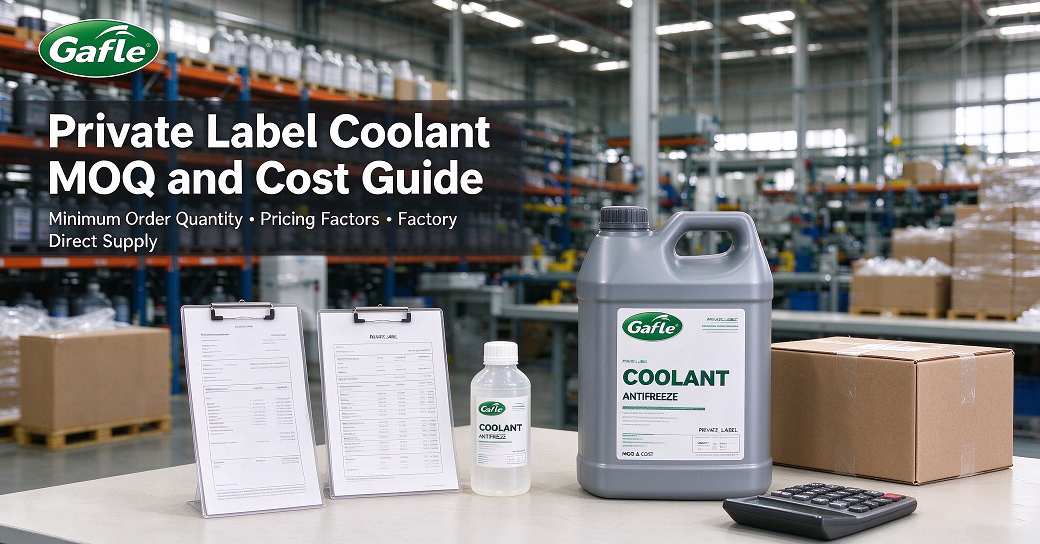
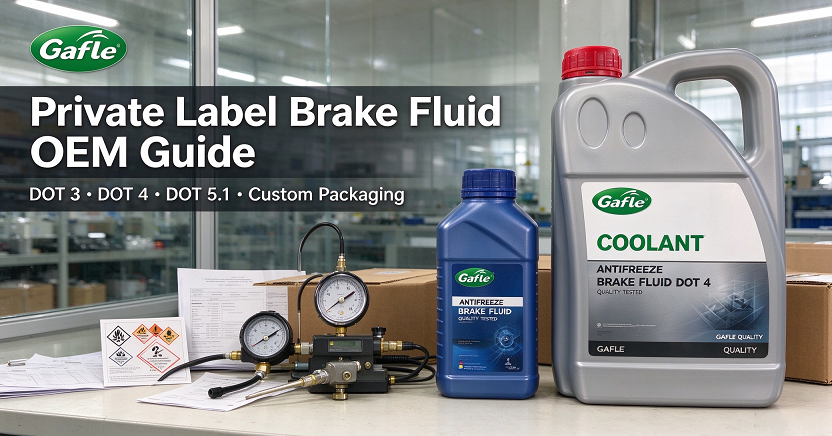
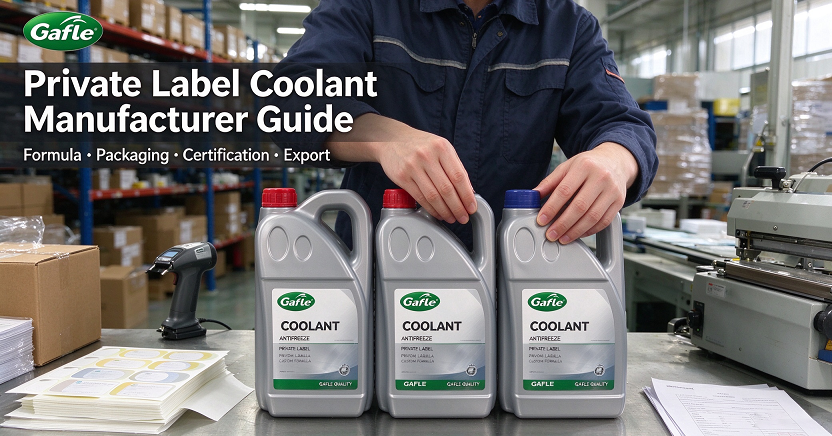
- Private label products
- Customized packaging
- Regional market solutions
How Does Automotive Antifreeze Protect Engines?
Although commonly called "antifreeze", modern engine coolant performs multiple functions.
A professional coolant system must manage:
- Temperature control
- Freeze protection
- Boiling protection
- Corrosion resistance
- Component compatibility
Temperature Management
During engine operation, combustion creates extremely high heat.
Coolant circulates through:
Engine block → Water pump → Radiator → Cooling system
The coolant absorbs heat and transfers it away from critical components.
Without proper coolant:
- Engine overheating may occur
- Metal components may expand
- Engine efficiency may decrease
Freeze Protection
Water freezes at 0°C.
When cooling systems freeze:
- Expansion may damage components
- Radiators may crack
- Coolant channels may become blocked
Glycol-based antifreeze lowers the freezing point and allows vehicles to operate in cold environments.
Applications include:
- Winter regions
- Commercial fleets
- Heavy-duty vehicles
- Industrial equipment
Corrosion Protection
Cooling systems contain different metals:
- Aluminum
- Steel
- Copper
- Cast iron
Without corrosion inhibitors, long-term coolant circulation can cause:
- Rust
- Deposits
- Component damage
Quality antifreeze formulations include additives designed to protect these materials.
Antifreeze Chemistry: Why Formulation Matters
A professional antifreeze manufacturer does not simply mix glycol and water.
The final coolant formulation depends on:
- Base fluid
- Additive package
- Application requirements
- Temperature range
- Vehicle compatibility
Common coolant technologies include:
IAT Coolant
Traditional technology using inorganic inhibitors.
Advantages:
- Fast corrosion protection
- Common aftermarket application
OAT Coolant
Uses organic acid technology.
Advantages:
- Longer service life
- Modern vehicle applications
HOAT Coolant
Combines organic and inorganic protection technologies.
Advantages:
- Balanced protection
- Specific OEM requirements
The correct technology depends on vehicle requirements rather than color.
Why Choose Factory Direct Antifreeze Instead of Trading Companies?
For international buyers, factory-direct sourcing provides several commercial advantages.
Direct Technical Communication
When working directly with manufacturers, buyers can discuss:
- Vehicle applications
- Climate requirements
- Performance targets
- Packaging needs
This reduces specification misunderstandings.
Better Customization Capability
Factory-direct suppliers can provide:
Product Customization
Including:
- Coolant type
- Concentration
- Color
- Performance requirements
Packaging Customization
Including:
- Bottle design
- Label printing
- Carton packaging
- Language adaptation
Private Label Production
Suitable for:
- Automotive brands
- Regional distributors
- Retail chains
More Stable Bulk Supply
For large-volume buyers, production capability matters.
A factory-direct relationship helps improve:
- Production planning
- Inventory management
- Repeat ordering
- Supply continuity
How to Select a Reliable Antifreeze Factory Direct Supplier
Choosing a manufacturer requires more than checking price.
Professional buyers should evaluate:
Manufacturing Experience
Important factors include:
- Years in automotive chemical production
- Production capacity
- Product range
- Export experience
GAFLE focuses on automotive chemical manufacturing, providing antifreeze/coolant, brake fluid, refrigerant products, and OEM solutions.
Quality Control System
A reliable factory should control every stage:
Raw Material Inspection
Including:
- Glycol quality
- Additive verification
- Supplier management
Production Monitoring
Including:
- Formula accuracy
- Mixing control
- Batch records
Finished Product Testing
Typical tests include:
- Freezing point
- Boiling performance
- Corrosion resistance
- Stability testing
OEM and Private Label Capability
International brands often require customized solutions.
A capable factory should support:
- Custom labels
- Packaging development
- Product documentation
- Production scheduling
Antifreeze Factory Direct Applications
Passenger Vehicles
Applications:
- Cars
- SUVs
- Light vehicles
Requirements:
- Stable temperature control
- Long service life
- Corrosion protection
Commercial Vehicles
Applications:
- Trucks
- Buses
- Fleet vehicles
Requirements:
- High durability
- Long operation cycles
- Reliable cooling performance
Construction Equipment
Applications:
- Excavators
- Loaders
- Mining equipment
Requirements:
- Extreme working condition protection
- High-load operation support
Marine Engines
Applications:
- Boats
- Marine equipment
Requirements:
- Corrosion resistance
- Long-term cooling stability
EV Thermal Management
Electric vehicles require advanced thermal management solutions.
Cooling fluids help manage:
- Battery temperature
- Electronic components
- Thermal stability
GAFLE also provides specialized coolant solutions for energy vehicle thermal management applications.
Bulk Ordering Advantages From Antifreeze Factory Direct Suppliers
For distributors and wholesalers, factory-direct purchasing helps optimize:
Cost Control
Benefits include:
- Factory pricing
- Reduced intermediary costs
- Better volume negotiation
Supply Planning
Factories can support:
- Forecast-based production
- Repeat orders
- Seasonal demand planning
Market Expansion
OEM cooperation allows buyers to create:
- Regional brands
- Product series
- Customized coolant solutions
Why Choose GAFLE as Your Antifreeze Factory Direct Partner?
Zhejiang Gafle Auto Chemical Co., Ltd. specializes in automotive chemical manufacturing.
Its product range includes:
- Antifreeze/Coolant
- Brake Fluid
- Refrigerant Gas
- Automotive chemical solutions
GAFLE supports global customers through:
- OEM manufacturing
- Private label solutions
- Quality management
- Export cooperation
Explore the GAFLE products or contact GAFLE for factory-direct antifreeze sourcing.
FAQ About Antifreeze Factory Direct Supply
1. What is Antifreeze Factory Direct?
Antifreeze Factory Direct means purchasing coolant directly from the manufacturer without unnecessary distribution layers.
2. What are the benefits of buying antifreeze directly from a factory?
Benefits include competitive pricing, technical communication, customization options, and more stable supply.
3. Can factory-direct suppliers provide OEM antifreeze?
Yes. Many manufacturers provide private-label and OEM coolant solutions.
4. How do I verify an antifreeze manufacturer?
Check:
- Production capability
- Quality systems
- Testing procedures
- Export experience
- Customer support
5. Is factory-direct antifreeze cheaper?
Direct purchasing can reduce supply chain costs, but buyers should evaluate quality, service, and total value.
6. Can antifreeze factories customize packaging?
Yes. Custom bottles, labels, cartons, and product information can usually be developed according to project requirements.
7. What documents should buyers request?
Common documents include:
- TDS
- SDS/MSDS
- COA
- Product specifications
- Quality documents
8. Can factory-direct suppliers support bulk orders?
Yes. Manufacturers are typically better positioned to support large-volume and repeat orders.
Conclusion
Choosing an Antifreeze Factory Direct supplier allows global buyers to gain better control over cost, quality, customization, and supply reliability.
For distributors, importers, and automotive brands, the right manufacturer is not only a product supplier but also a long-term technical and supply partner.
GAFLE provides factory-direct antifreeze and coolant solutions with OEM capability, quality control systems, and international supply experience.
For your next coolant sourcing project, explore the GAFLE Antifreeze/Coolant solutions or contact our team for customized requirements.