Can EV Brake Fluid Be Used in Petrol Cars?
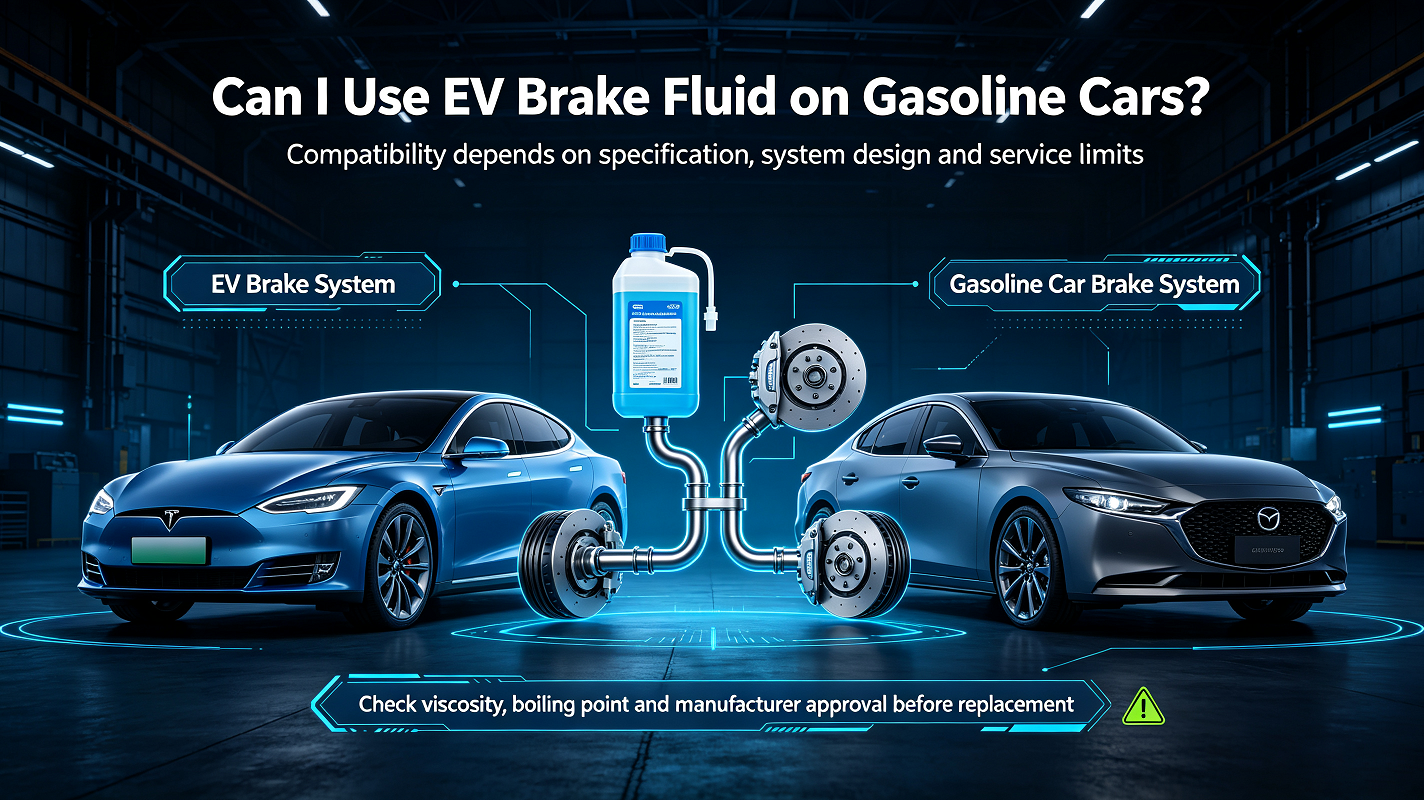
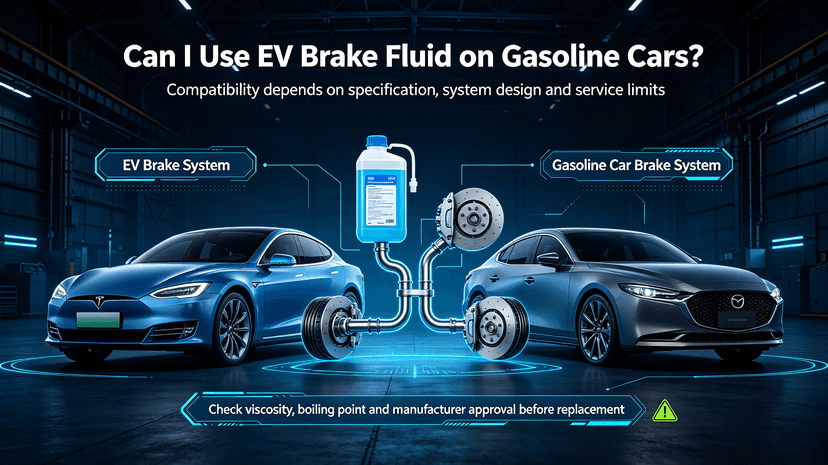
Can EV brake fluid be used in petrol cars? The short answer is: sometimes, but only if the fluid’s specifications match what the car maker calls for. The “EV” label can be misleading because brake fluid is not chosen by powertrain type alone. It is chosen by chemistry, viscosity, boiling performance, seal compatibility, and the vehicle’s braking hardware. If those do not line up, the result can be sluggish pedal feel, corrosion risk, or problems with ABS and stability systems.
For buyers and maintenance teams, this is not a small detail. Brake fluid is one of those consumables that looks interchangeable on the shelf, yet a wrong substitution can quietly affect safety. The practical question is not whether a fluid was originally marketed for an electric vehicle. It is whether it meets the required DOT specification and the OEM’s performance requirements for the petrol car in question.
What “EV Brake Fluid” Usually Means
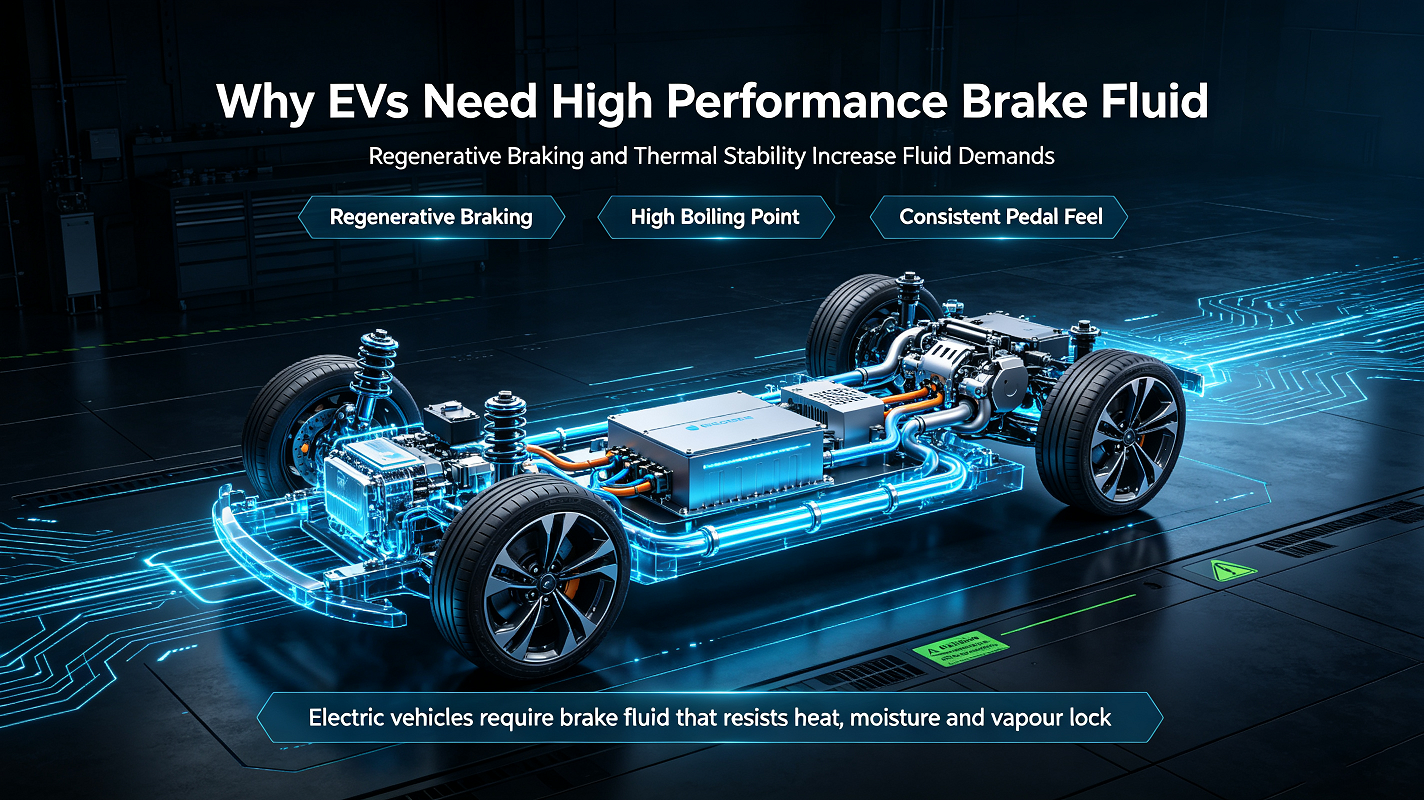
There is no universally separate category of brake fluid that is exclusively for EVs and forbidden in petrol cars. In many cases, “EV brake fluid” is a marketing label used for a product formulated to suit the needs of modern braking systems, especially vehicles that use regenerative braking and may rely less on the friction brakes in everyday driving.
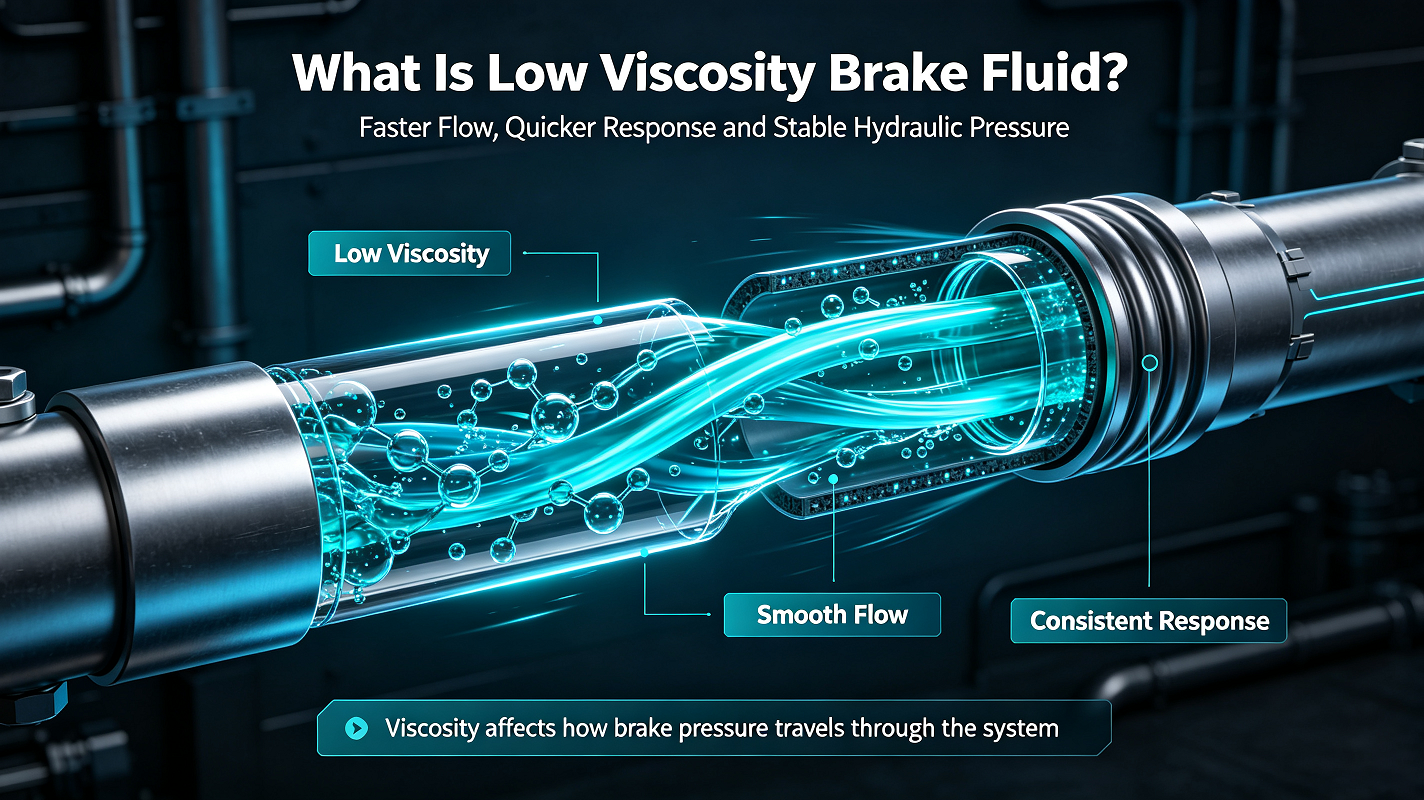
That matters because brakes in EVs can see less frequent high-heat use, which can change how moisture and fluid condition are managed over time. Some products are positioned around low-viscosity performance at cold temperatures or around high boiling points. But those characteristics can also be relevant to petrol cars, particularly newer models with ABS, ESC, and tight hydraulic tolerances.
What Actually Determines Compatibility
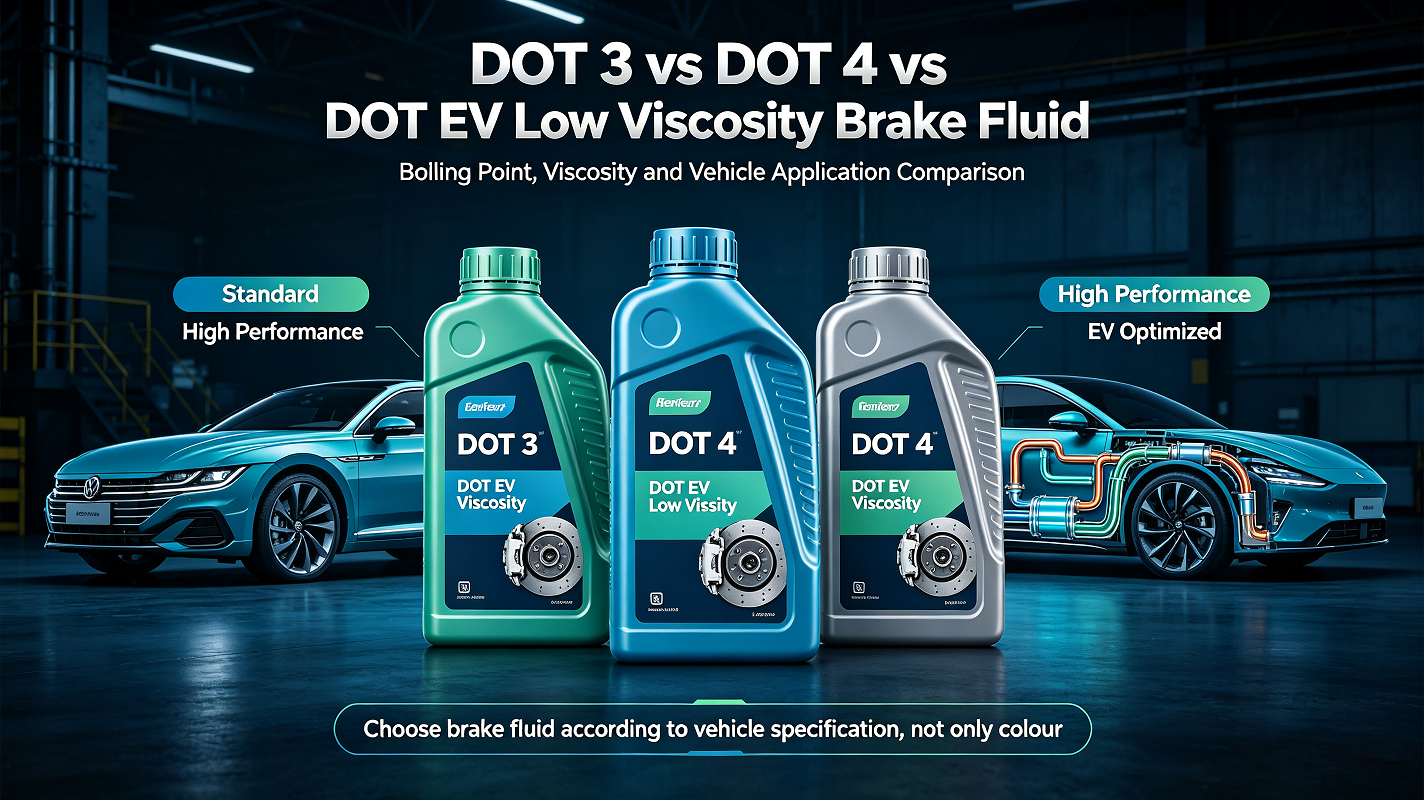
The first check is the fluid type: DOT 3, DOT 4, DOT 5.1, or the much less common DOT 5 silicone fluid. For most passenger petrol cars, the manufacturer specifies a glycol-based fluid such as DOT 4. If an “EV” fluid is also DOT 4, it may be suitable. If it is not the same base chemistry, you should not assume interchangeability.
Key compatibility points
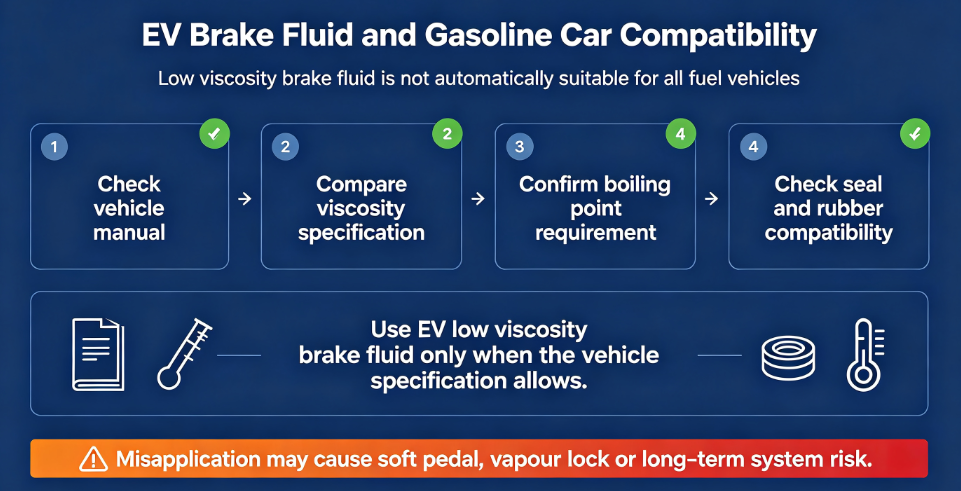
Pay attention to these items before topping up or switching fluids:
• OEM specification in the owner’s manual or service data
• DOT classification on the container
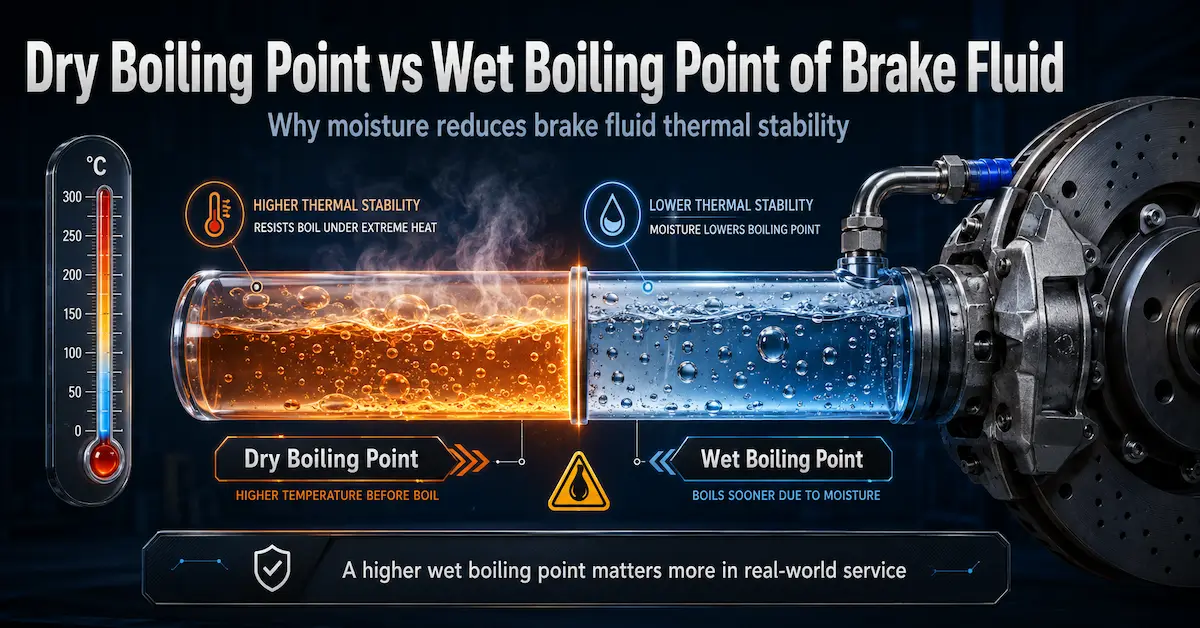
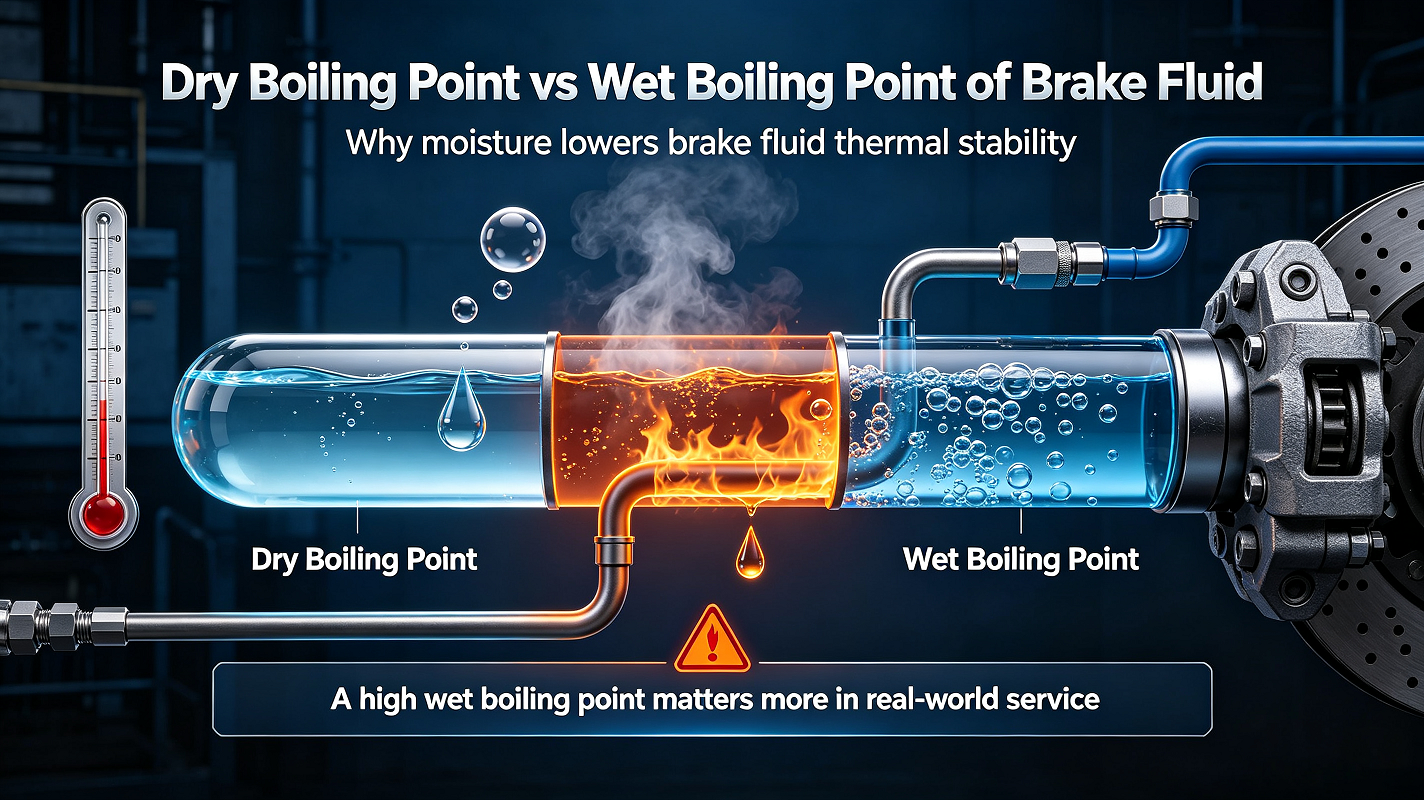
• Wet and dry boiling point performance
• Viscosity at low temperature, especially for ABS and ESP systems
• Seal and hose compatibility
That last point is often overlooked. A fluid can look fine on paper and still be a poor fit if it is not approved for the rubber materials used in the system. Brake systems are not forgiving about guesswork.
Can You Mix EV Brake Fluid with DOT4?
People ask can you mix EV brake fluid with DOT4 because top-ups happen in the real world, not in a clean lab. The answer depends on whether the EV fluid itself is actually DOT 4. If both products are DOT 4 glycol-based fluids, they are generally compatible in the broad sense used in automotive servicing. Even then, mixing is not ideal if the fluids differ in quality or performance ratings, because the final blend will only perform as well as the weakest component.
If the EV fluid is DOT 5.1, it may be chemically compatible with DOT 4 in many applications, but the system should still be checked against OEM guidance. If it is DOT 5 silicone, do not mix it with DOT 3, DOT 4, or DOT 5.1. That is a different chemistry altogether, and the result can be a compromised brake system.
Why Petrol Cars May Still Benefit from the Right EV-Branded Fluid
Some EV-branded fluids are engineered with modern brake system behavior in mind. A petrol car with frequent stop-start use, hill driving, heavy loads, or a sensitive ABS/ESC module may benefit from a fluid that offers stable viscosity and strong boiling resistance. That said, the marketing label is secondary. The specification sheet is what matters.
There is also a practical angle: many workshops now stock fluids that are suitable for both EVs and ICE vehicles because their performance targets overlap. This is efficient for service operations, but only if the techs verify the correct grade before filling. The wrong bottle from the same shelf is still the wrong bottle.
Common Buyer Mistakes
One common mistake is treating brake fluid like engine oil, where a newer or “better sounding” product can replace an older one. Brake fluid is not that forgiving. Another is topping up without confirming what is already in the reservoir. If the existing fluid is old, contaminated, or unknown, adding a different formulation may solve nothing.
Another practical warning: if the brake fluid level has dropped, do not simply assume “it needs topping off.” Brake pad wear, leaks, and system faults can all be involved. Fluid condition and brake system inspection should go together.
Practical Selection Advice for Buyers and Service Teams
If you are sourcing fluid for mixed fleets or maintaining customer vehicles, build the decision around specification control, not terminology. Stock a product that clearly states its DOT rating, OEM approvals where applicable, and intended service range. For workshops, it is worth keeping the product labels visible and separating DOT 5 silicone from the common glycol-based fluids to reduce mistakes.
For vehicle owners, the safest route is simple: follow the manual first, then buy a fluid that matches it exactly. If a dealer or supplier recommends an EV brake fluid for a petrol car, ask for the specification basis rather than the marketing description.
FAQ
Is EV brake fluid different from regular brake fluid?
Sometimes only in branding. What matters is the DOT rating, base chemistry, and performance specification.
Will EV brake fluid damage a petrol car?
Not if it truly matches the required specification. If it does not, it can create safety and compatibility issues.
Should I flush the system when changing fluid types?
Yes, if you are changing to a different compatible fluid grade or replacing contaminated fluid, a proper flush is usually the cleaner route. Follow the vehicle maker’s procedure.
Next Step
If you are deciding between EV brake fluid for petrol cars, the safest decision is to compare the bottle label against the OEM specification rather than the product name. When the chemistry and rating match, the label matters far less than the data sheet. When they do not, walk away.
Welcome to contact GAFLE for more information & cooperation!
peter
ZHEJIANG GAFLE AUTO CHEMICL CO.,LTD
Tel:86-579-8222 1665
Fax:86-579-8246 4690
Cel/Wechart:86-13335993986
E-mail:peter@gafle.net
Web:www.gafle.net