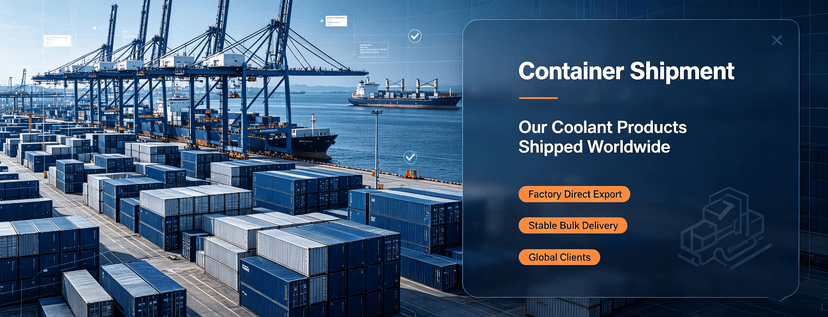
What a container shipment really solves for industrial buyers
When people talk about a container shipment, they often mean more than a box on a vessel. For engineers, sourcing managers, and product teams, it is usually the point where a material or finished product moves from a production plan into an actual supply chain commitment. That matters most when the order is large, the product is bulky or heavy, and the buyer needs predictable movement from factory to port and then on to the receiving plant. The decision is not simply about freight. It is about protecting quality, controlling landed cost, and avoiding surprises at the dock.
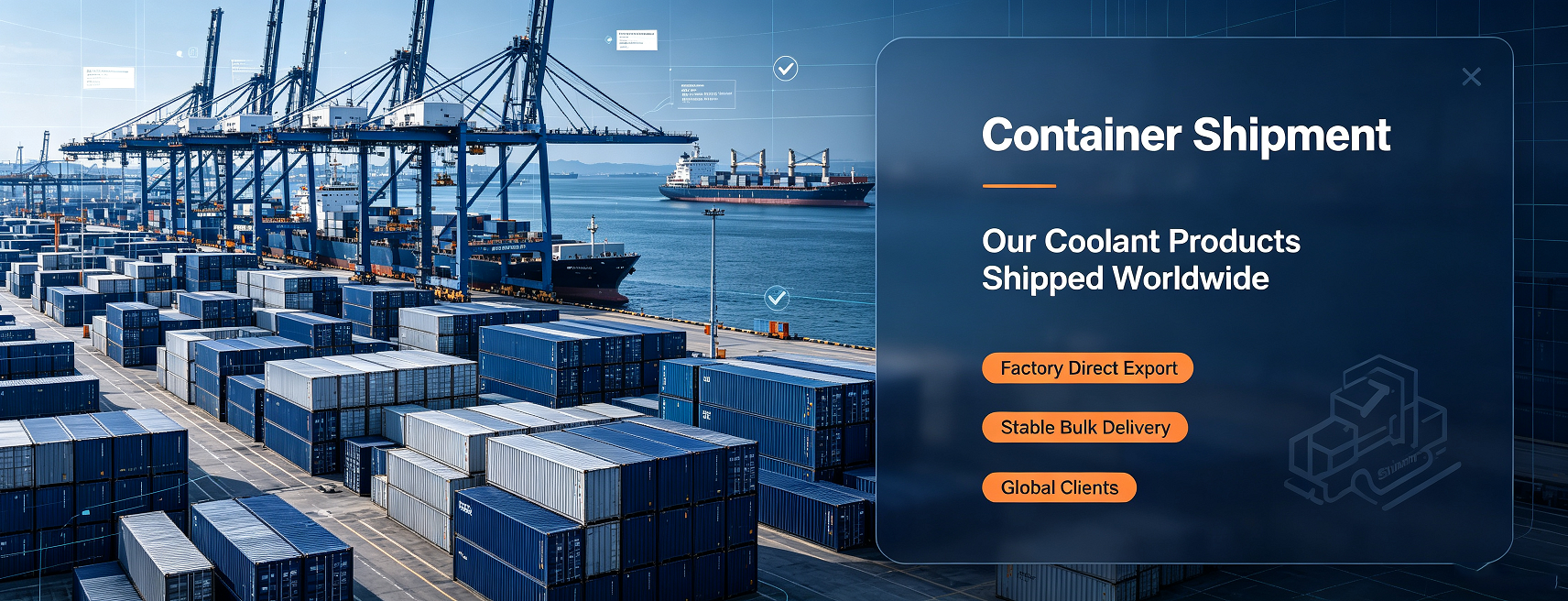
This is especially true for industrial goods that ship in volume, such as bulk coolant, packaged components, molded parts, or other factory output that benefits from factory direct export. In those cases, the container is not just transport equipment. It is part of the handling strategy. If the loading plan is weak, the goods can arrive with damaged packaging, shifted pallets, or contamination risk. If the plan is strong, a large order delivery can move with far less friction.
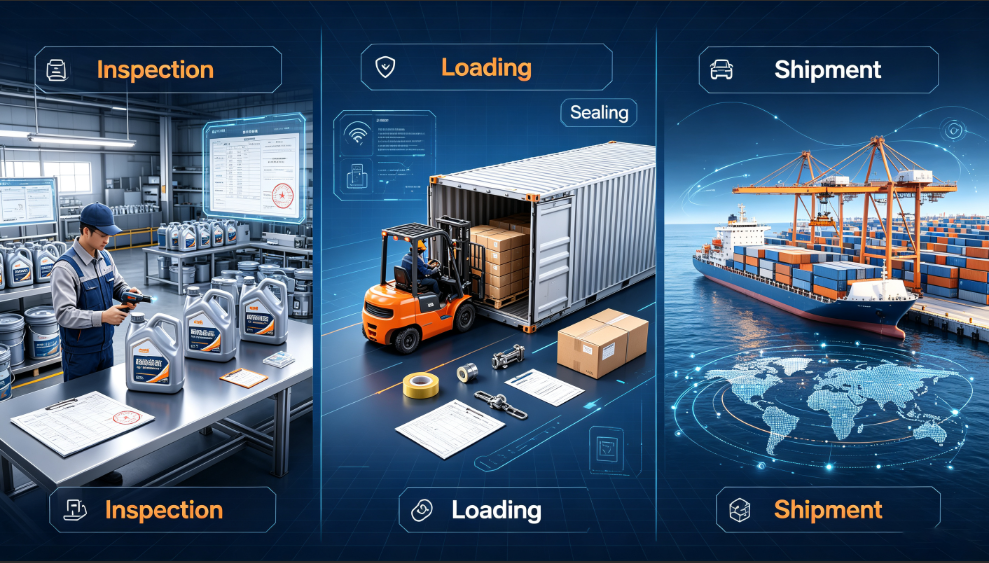
Why container planning affects buying decisions
Many purchase teams focus first on unit price. That is understandable, but it only tells part of the story. A lower ex-works price can disappear quickly if the cargo needs extra repacking, special handling, or multiple partial shipments. A better question is whether the product is suited to full-container movement, shared container space, or another export format.
For buyers comparing supply options, container shipment planning helps answer practical questions: Can the supplier consolidate enough volume? Is the packaging sturdy enough for long-haul transport? Will the product remain stable in transit? Are there loading or ventilation concerns? These questions are not glamorous, but they are the ones that decide whether a replenishment cycle stays on schedule.
Common shipment formats and what they imply
Full container use
When the order is large enough, a dedicated container gives the buyer more control over load security and schedule coordination. This is often the cleanest route for factory direct export because the shipment is less exposed to cross-handling than mixed freight. It can also simplify documentation and receiving, though the buyer still needs to check packing layout and weight distribution.
Bulk or liquid products
Products such as bulk coolant bring their own handling issues. Packaging must match the product’s physical state, and the export route should account for leak prevention, pallet stability, and storage conditions along the way. Not every supplier who can manufacture a liquid product can also prepare it for export efficiently. That distinction is worth checking early.
Palletized industrial goods
For boxed or bagged items, pallet pattern and carton strength matter more than people sometimes admit. A container shipment can look simple on paper and still fail if the stack height is too ambitious or the cargo shifts under vibration. In practice, modest packaging choices often outperform flashy ones.
Selection criteria buyers should not skip
The most useful sourcing review is usually plain and specific. Start with product sensitivity: does the item tolerate heat, humidity, or prolonged transit? Next, review order volume and replenishment frequency. A large order delivery may justify a dedicated container, while smaller recurring orders may not. Then look at route reliability, port access, and the supplier’s export experience.
One practical caution: do not assume that “factory direct export” automatically means export-ready packaging. Some factories are excellent at production but still need clear instructions on carton reinforcement, labeling, fumigation requirements, or pallet sizing. That gap can cause avoidable delays.
Common mistakes that slow industrial shipments
A frequent mistake is treating freight as an afterthought. By the time the order is packed, it may be too late to correct container loading issues. Another is underestimating documentation. Even when the cargo is straightforward, mismatched paperwork can hold a shipment at the port. A third mistake is failing to align the receiving site with the delivery plan. If the plant is not ready to unload, the advantage of a well-packed container shipment can disappear fast.
Buyers should also be careful about overconsolidation. Filling every inch sounds efficient, but if the product is fragile or the packaging is soft, the marginal cube saved may create a bigger loss later. That trade-off deserves a sober look.
Practical buyer advice before you place the order
Ask the supplier for the loading method, packaging specification, and whether any special storage or handling conditions apply. If the cargo is a liquid or temperature-sensitive material, confirm what protections are included and what the carrier must provide. For repeat programs, request the same packing logic every time so receiving teams are not forced to relearn the shipment.
If the order is part of a larger supply program, it also helps to map the shipment against production timing at your plant. A good container plan does not just move goods; it supports the manufacturing schedule on the other end.
Quick questions worth asking a supplier
How is the product packed for export? What container size or loading pattern is recommended? Is the shipment designed for full-container or consolidated movement? What documentation is prepared by the factory? Are there any product-specific cautions for transit or storage?
What this means for your next sourcing decision
The right container shipment strategy can lower risk, reduce handling damage, and make a large order delivery far easier to receive. For industrial buyers, that is often more valuable than chasing the lowest headline freight number. If you are comparing suppliers now, start with export readiness, packing discipline, and transit stability. Those details usually tell you more about the real cost of supply than the quotation sheet does.
If you need a better fit between product format, packing method, and export route, the next step is a direct discussion with the supplier about how the cargo will move from factory floor to destination port—and what could go wrong in between.
Welcome to contact GAFLE for more information & cooperation!
peter
ZHEJIANG GAFLE AUTO CHEMICL CO.,LTD
Tel:86-579-8222 1665
Fax:86-579-8246 4690
Cel/Wechart:86-13335993986
E-mail:peter@gafle.net
Web:www.gafle.net