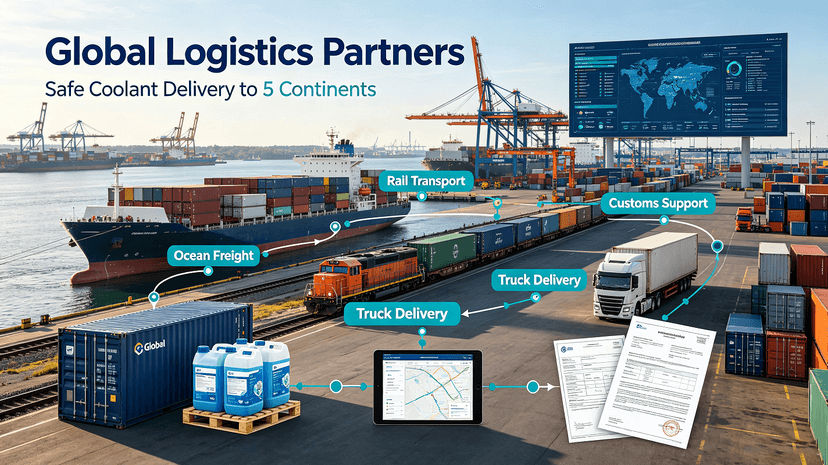
Why coolant logistics gets harder once the product leaves the plant
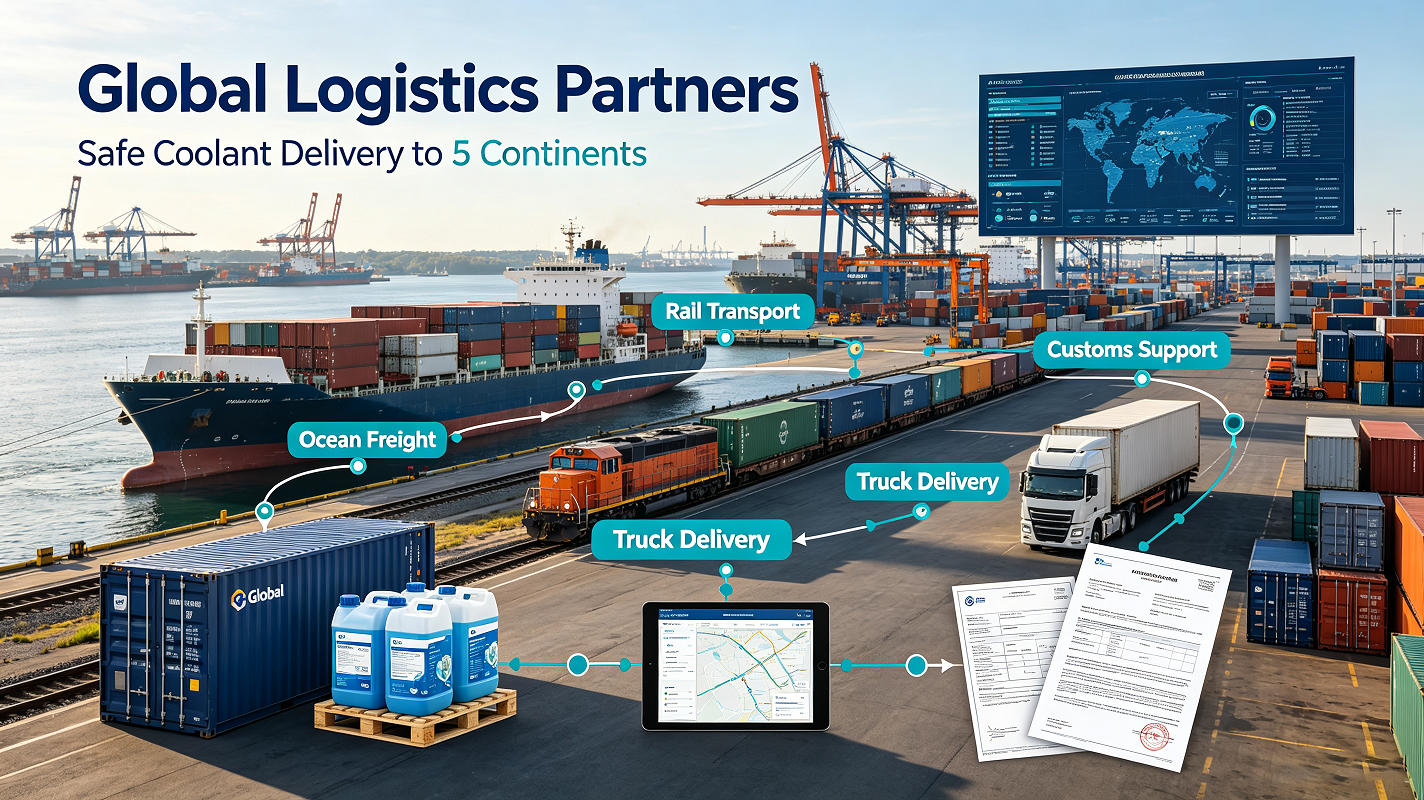
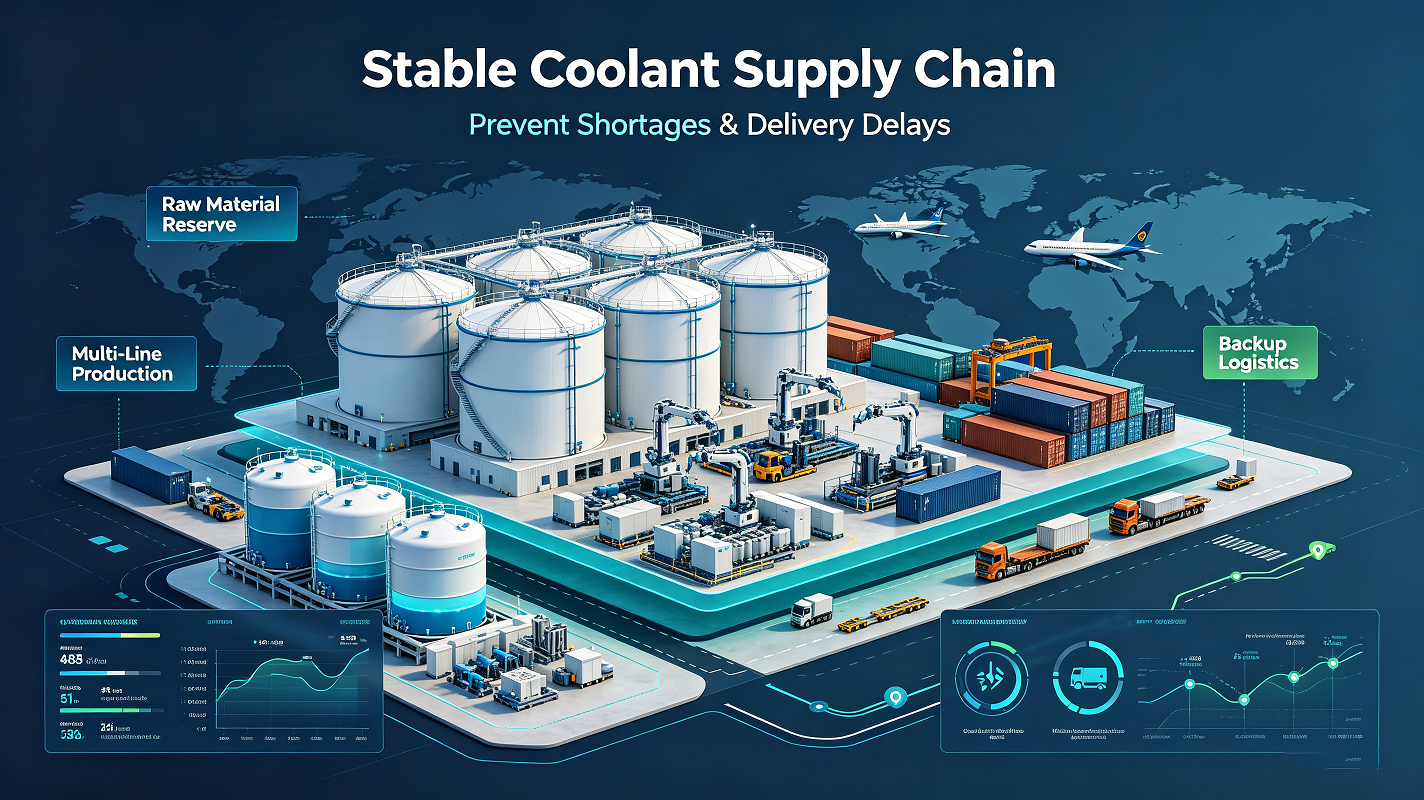
Companies searching for coolant global logistics partners are usually not looking for a generic freight broker. They are trying to move a temperature-sensitive, often regulated liquid through a supply chain that can stretch from the filling line to a distributor yard, a port terminal, and then a customer who expects the drums or IBCs to arrive intact and compliant. That sounds routine until a shipment sits longer than planned in a hot port, paperwork slows customs release, or a packaging choice that looked economical turns into a leakage problem.
Coolant and antifreeze are not exotic products, but they do punish sloppy handling. Density, viscosity, container compatibility, labeling, and destination rules all matter. The buyer’s real decision is not simply which forwarder is cheapest. It is which partner can keep product quality, documents, and timing aligned across borders without turning every shipment into a firefight.
What buyers usually need from coolant shipping services
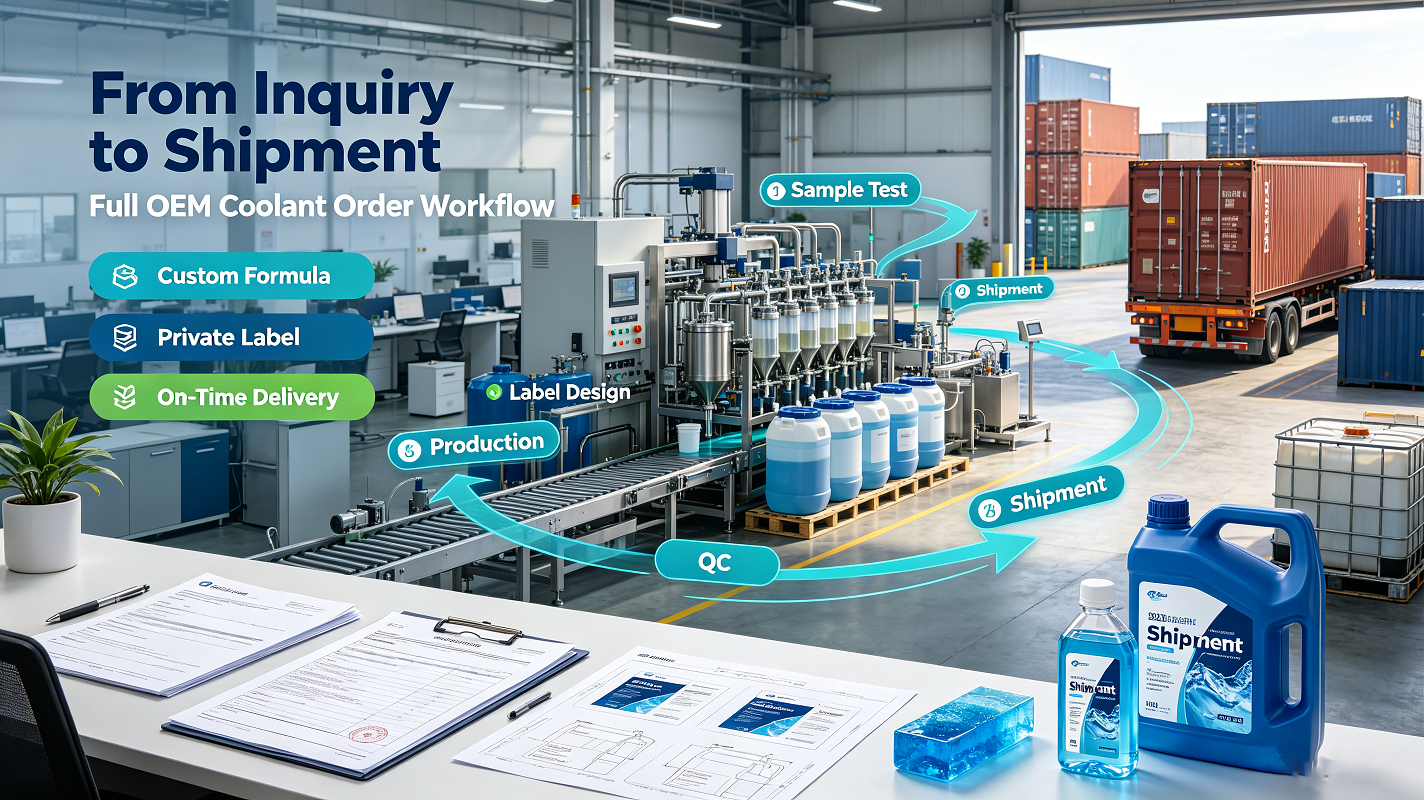
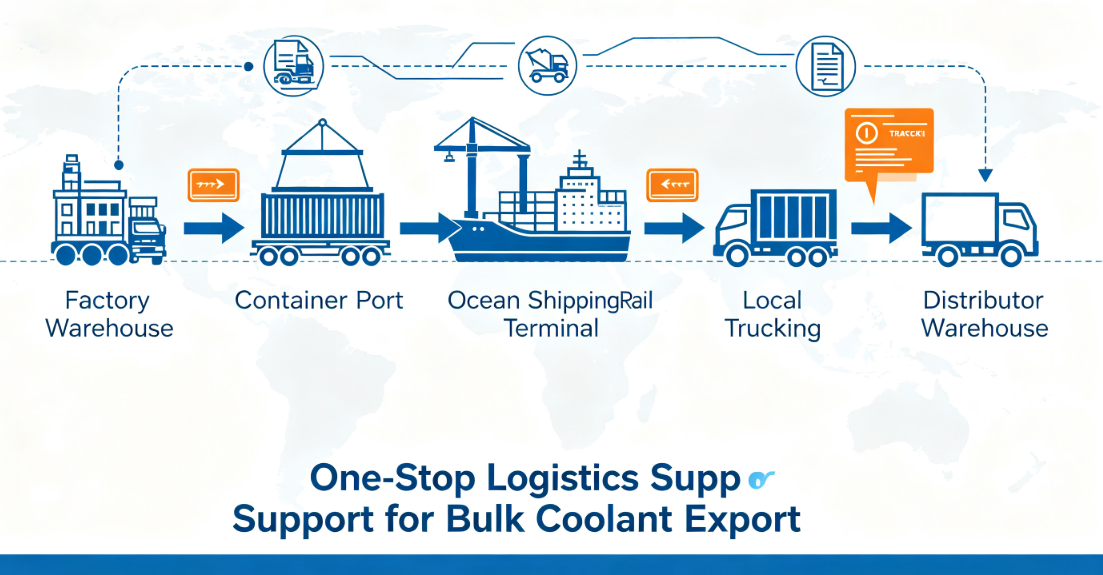
The best coolant shipping services do more than book space on a vessel or truck. They coordinate packaging, export documentation, route planning, customs preparation, and communication between the shipper, the port, and the consignee. For liquid chemical products, that coordination has a direct effect on loss prevention and delivery reliability.
In practice, buyers often want a partner that understands three things at once: the product itself, the destination market, and the handling chain in between. A freight forwarder may be strong on rates but weak on hazmat paperwork. A chemical distributor may know the market but not the export lanes. The right partner sits in the middle and makes the handoffs less fragile.
Key factors that shape the shipment plan
Packaging and container choice
Bulk antifreeze shipping can mean ISO tanks, flexitanks, drums, or IBCs, depending on order size and distribution model. Each option changes the economics and the risk profile. Drums are flexible but labor-heavy. IBCs are efficient for mid-sized buyers. Tanks are better suited to large-volume programs, though they raise their own cleaning, compatibility, and return-logistics questions.
A practical caution: the cheapest unit cost is not always the lowest landed cost. If a packaging format creates extra handling at origin or destination, the savings can disappear quickly.
Mode and route selection
For overseas markets, ocean freight antifreeze export is often the default because of scale. Still, sea freight is not just a transit-time decision. It is also a port-weather-risk decision, a document-timing decision, and sometimes a storage decision if the cargo needs to wait for onward inland movement. Road and rail can be better for regional distribution, but only if the lane structure supports it.
Temperature itself may not be the only issue, yet seasonal swings can affect packaging behavior, seal integrity, and handling discipline. That is especially true when containers sit on terminals longer than planned.
How to compare antifreeze export logistics providers
When sourcing antifreeze export logistics, buyers should ask for evidence of process discipline rather than marketing language. Useful questions include: Who prepares the shipping documents? How are port delays escalated? What packaging formats do they routinely handle? Do they manage origin and destination coordination, or only the freight booking?
It also helps to ask whether the provider understands the regulatory side of the lane. Chemical exports often involve classification checks, labeling requirements, and destination-specific rules. A good partner will not promise instant answers to every jurisdiction, but they should know where the risk sits and when to involve the shipper’s compliance team.
Common mistakes that create avoidable cost
One frequent error is treating coolant like ordinary packaged consumer goods. Another is assuming that a smooth domestic lane will behave the same way once it becomes an export shipment. The paperwork burden is heavier, the handoffs are more numerous, and the margin for confusion is smaller.
There is also the temptation to over-optimize freight rates while underweighting service quality. That often shows up later as demurrage, rework, inspection delays, or damaged freight. A low quote can be a good quote, but only if the provider has enough operational discipline to keep the shipment moving.
What a sensible buyer checklist looks like
If you are comparing suppliers for antifreeze export logistics, start with the lane, the packaging, and the service level you actually need. Then map the provider’s capabilities against those requirements. Ask for a sample document set. Confirm who owns customs communication. Clarify whether the partner can handle both export movement and destination delivery, or whether you will need separate agents.
For recurring programs, it is worth discussing exception handling too. Seasonal demand spikes, terminal congestion, and last-minute order changes are common enough that a logistics partner should be able to explain how they respond, not just what they do when everything goes right.
FAQ: short answers buyers usually ask first
Is ocean freight always the best option?
No. It is often the most economical for larger export volumes, but it is not always the fastest or simplest. The best mode depends on order size, destination, and packaging.
Can antifreeze be shipped in bulk?
Yes, depending on the product formulation, market requirements, and packaging strategy. Bulk antifreeze shipping is common in industrial and distributor supply chains, but it must be planned around handling and compliance.
Why does documentation matter so much?
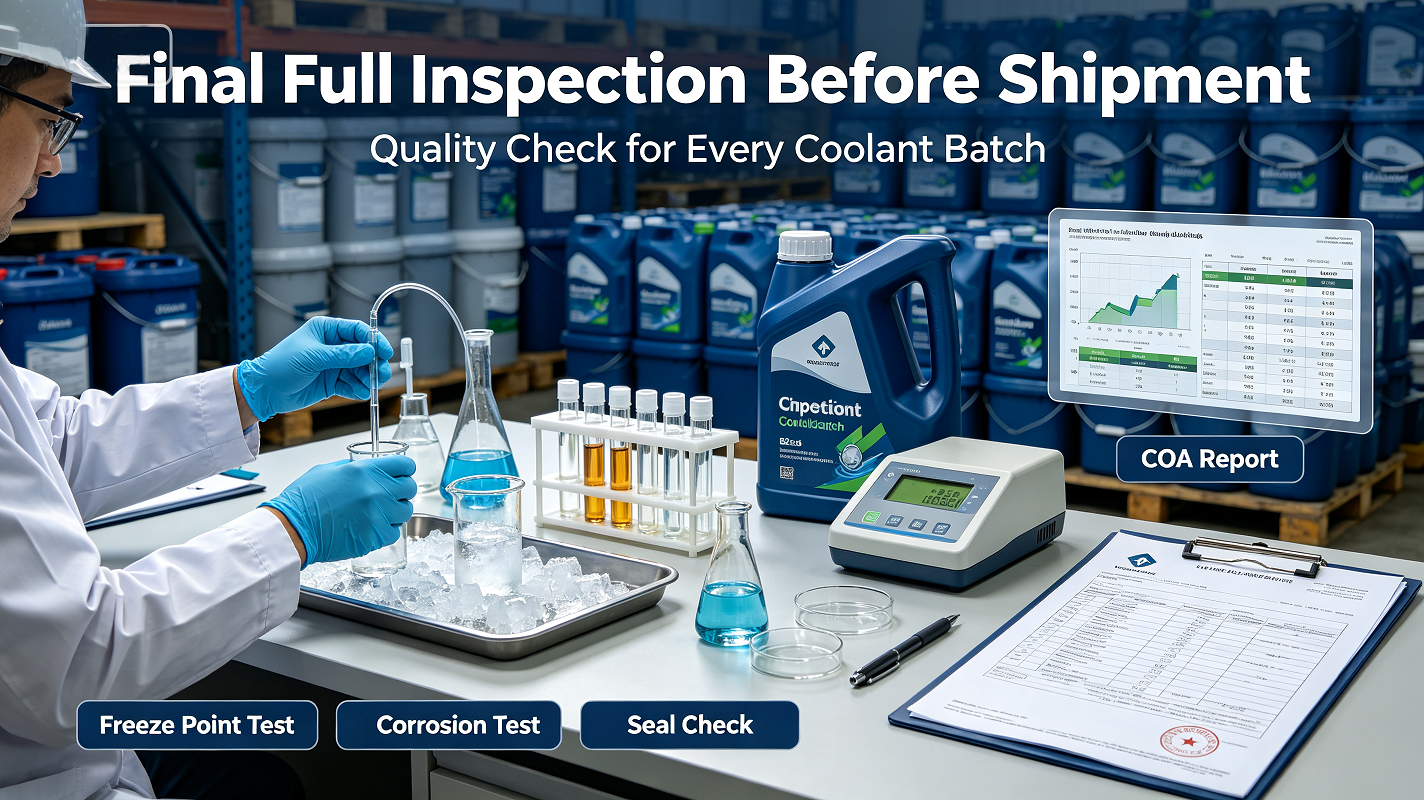
Because even a well-packed load can stall if the shipment data, labels, or customs details are incomplete. In coolant logistics, paperwork is not an administrative afterthought; it is part of the transport system.
A practical next step for sourcing teams
If your team is reviewing coolant global logistics partners, build the conversation around lane performance, packaging fit, and compliance support rather than price alone. Ask for a process description that is specific enough to reveal how the provider handles real-world delays. The strongest partner is usually the one that makes complicated freight feel uneventful, which is exactly what you want when the product is supposed to arrive ready for resale or production use.
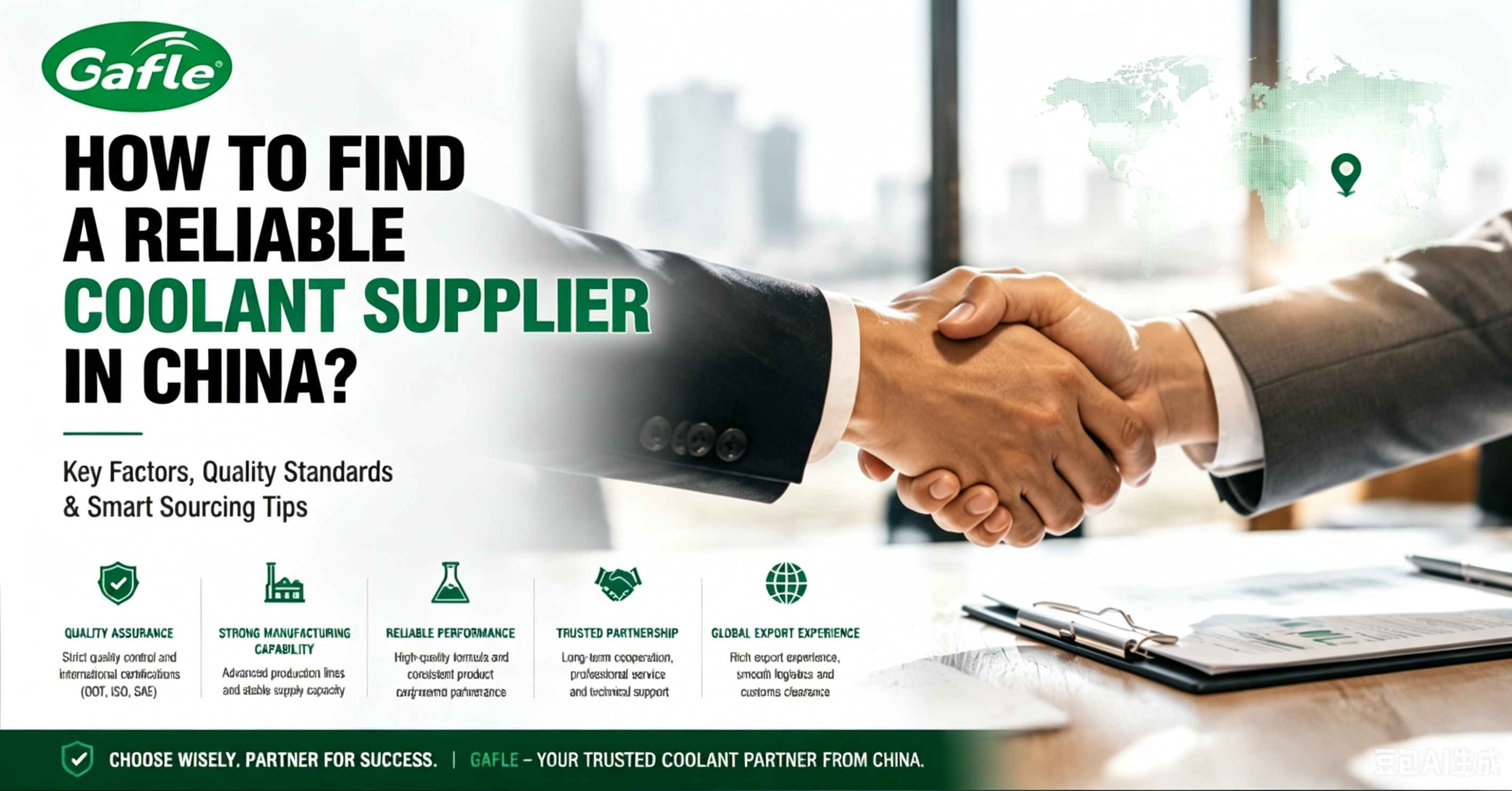
Welcome to contact GAFLE for more information & cooperation!
peter
ZHEJIANG GAFLE AUTO CHEMICL CO.,LTD
Tel:86-579-8222 1665
Fax:86-579-8246 4690
Cel/Wechart:86-13335993986
E-mail:peter@gafle.net
Web:www.gafle.net