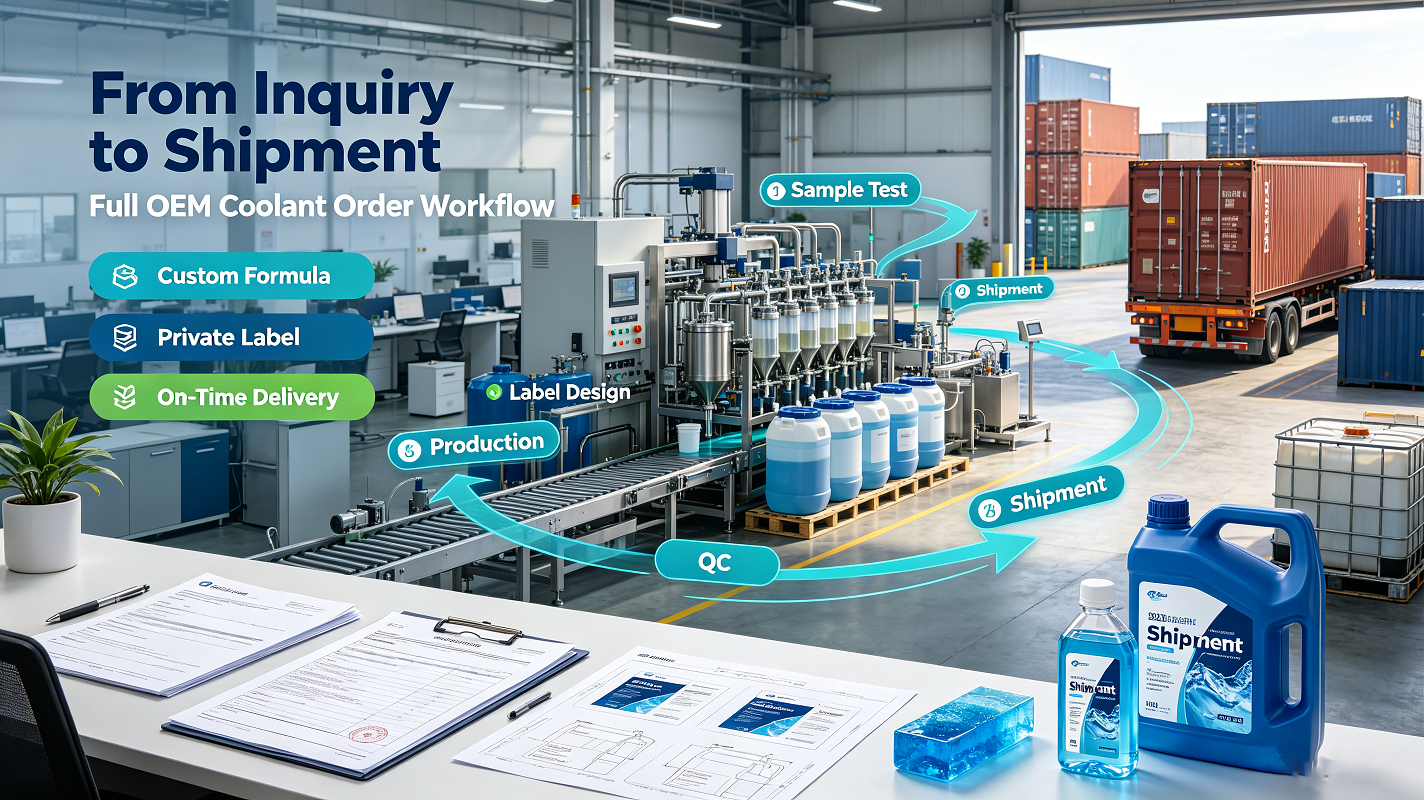
What buyers actually mean when they search for a global coolant supplier
When sourcing teams look for a global coolant supplier, they are usually not just comparing product names. They are trying to reduce risk across multiple plants, climates, and shipping lanes while keeping one fluid specification consistent enough for procurement and operations to live with. That sounds straightforward until you start dealing with regional regulations, packaging formats, temperature ranges, and the simple reality that a coolant that works well in one market may not fit another without adjustment.
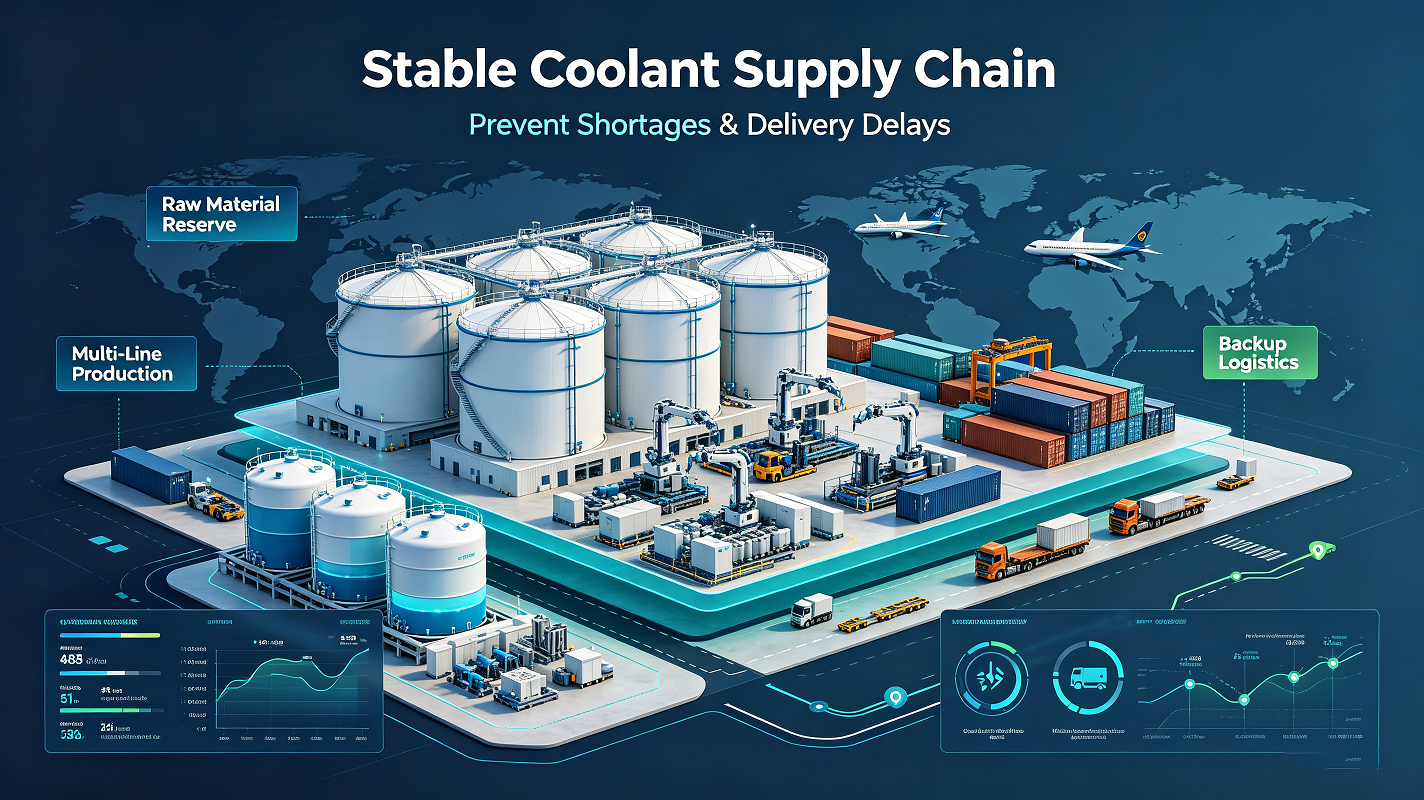
This is why the decision matters. Coolant is not a glamorous line item, but it affects engine protection, heat transfer, freeze resistance, corrosion control, and customer confidence in the finished product. If the supply chain is unstable, the fluid is the first thing people notice when shipments delay, labels fail local requirements, or a formulation does not match climate expectations.
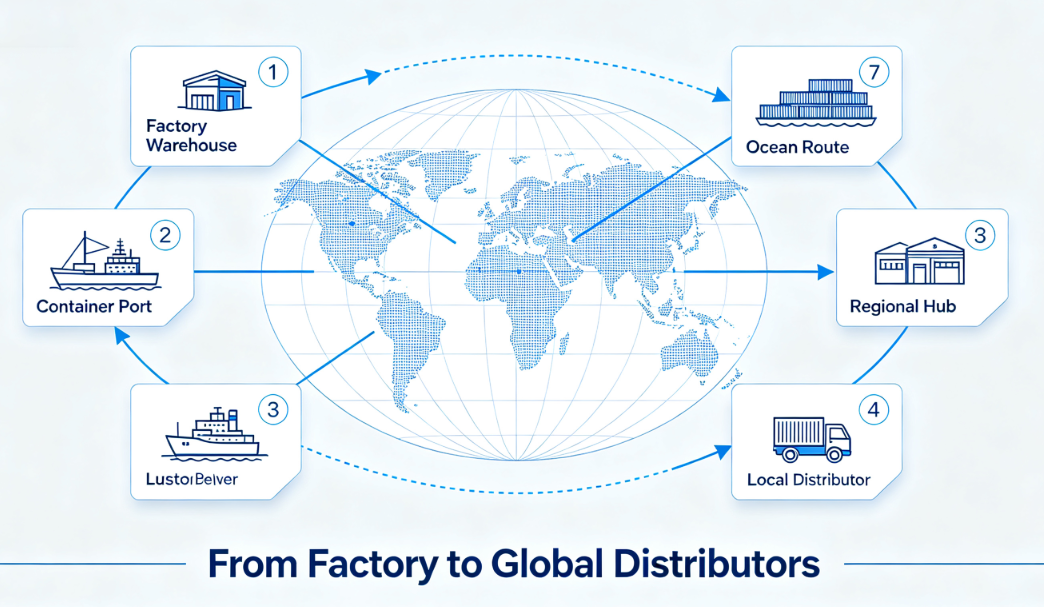
Why global coolant sourcing is more complicated than domestic buying
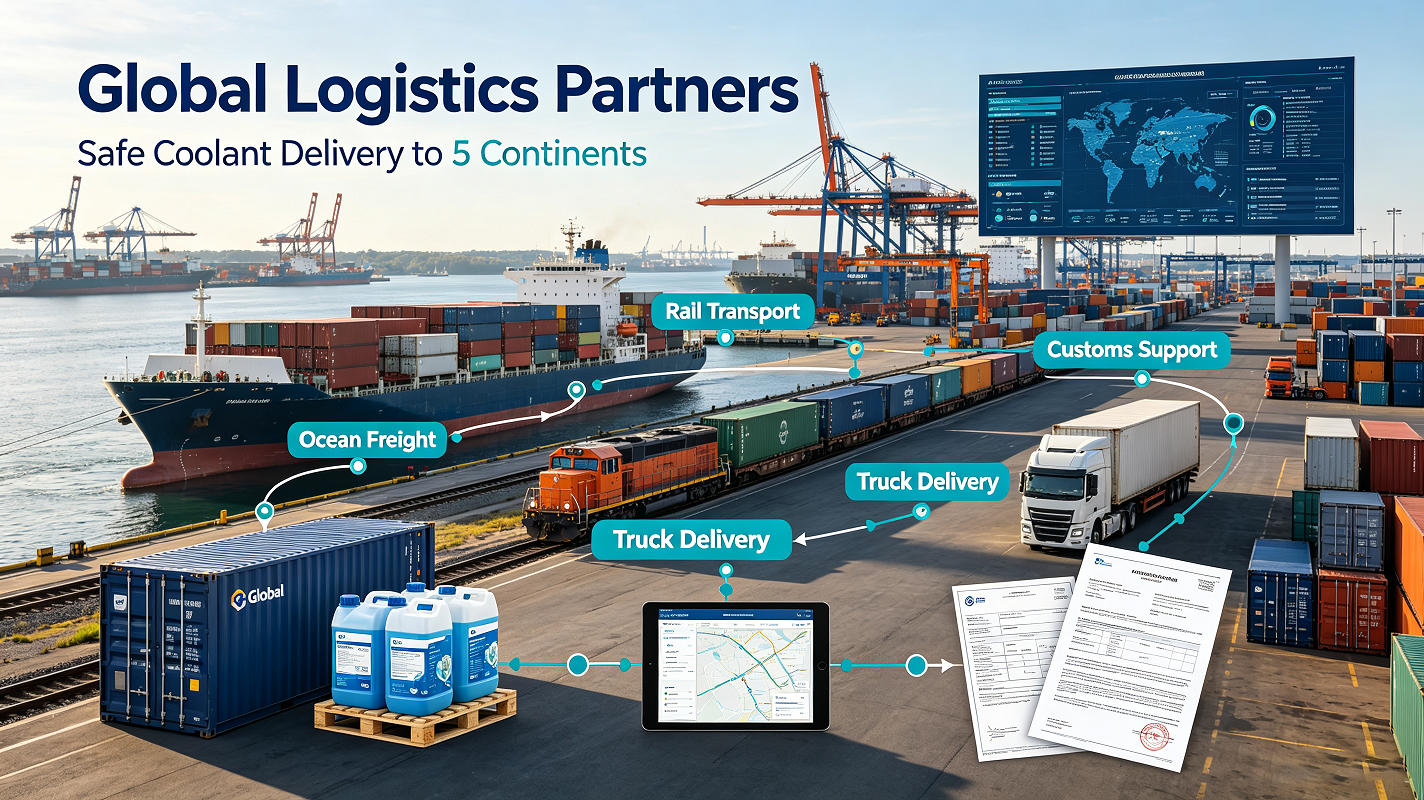
Domestic sourcing usually assumes one language, one or two packaging standards, and a fairly predictable logistics route. Global supply does not. A buyer working with an international antifreeze distributor has to think about documentation, transit conditions, pallet configuration, storage temperature, and whether the product can travel safely through different customs channels without packaging damage.
There is also the issue of product positioning. Some buyers need a universal coolant platform with local labeling. Others want a broader international distributor supply arrangement where regional variants are held under one commercial umbrella. Those are not the same arrangement, and it helps to be honest about that early. If the target markets include hot climates, cold climates, and coastal regions, the coolant strategy should be built around operating conditions rather than just purchase price.
Quick comparison: what a strong supplier relationship should cover
Formulation consistency
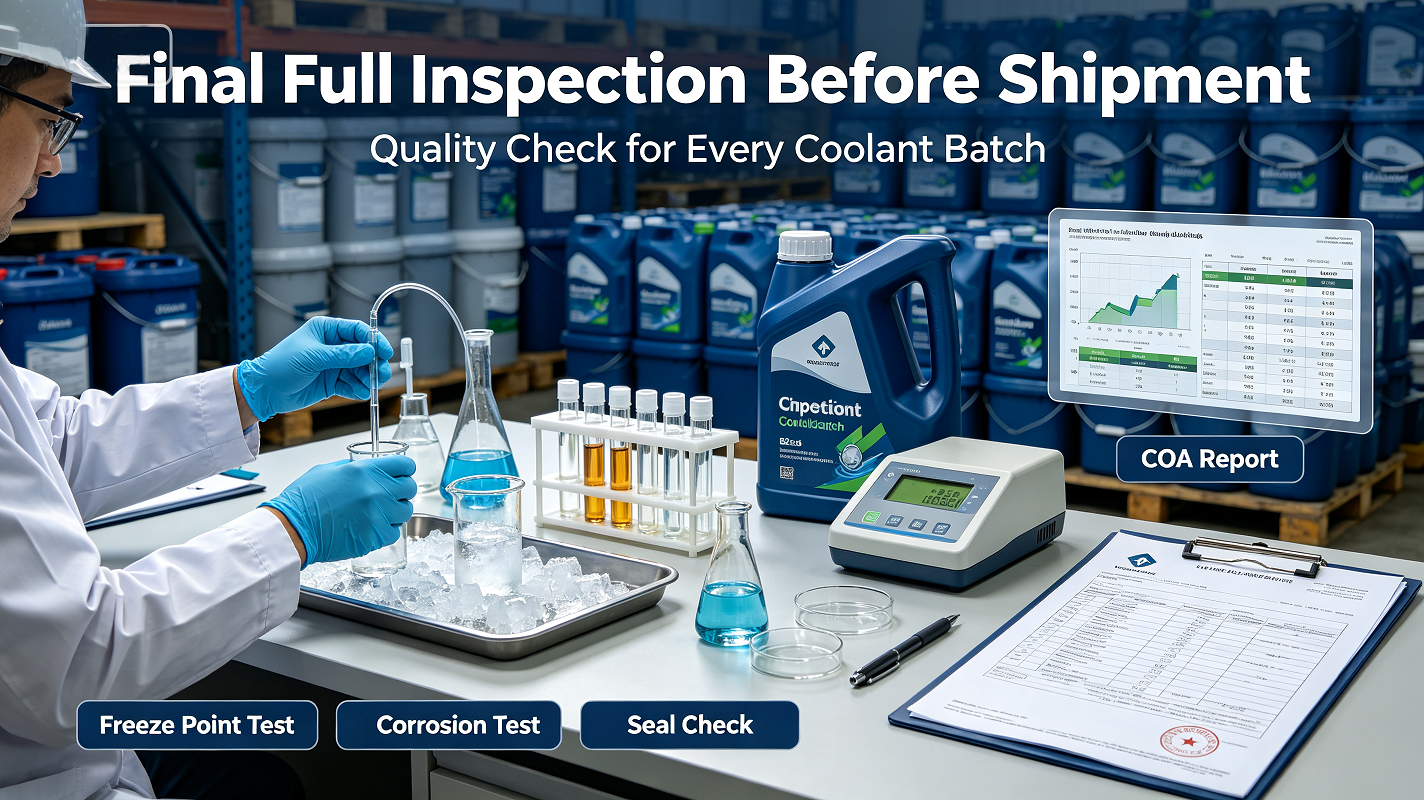
Ask whether the coolant chemistry is kept stable from batch to batch. For global programs, that consistency often matters more than a small price difference.
Packaging and export readiness
Worldwide antifreeze export depends on bottles, drums, IBCs, labeling, and paperwork that can survive border checks and long transit times. Weak packaging causes avoidable losses.
Regional flexibility
A capable supplier should be able to discuss whether one product can serve multiple markets or whether a market-specific line makes more sense. Sometimes the right answer is a family of products, not a single formulation.
Technical communication
Engineers and sourcing managers need plain answers on compatibility, dilution guidance, storage, and application limits. If the response is vague, that is a warning sign.
What to look for in a global coolant partner
The most reliable suppliers tend to think like operators, not just shippers. A global Coolant factory should be able to speak to production repeatability, container loading efficiency, and quality control in terms that make sense to procurement and technical teams. That does not mean flooding the buyer with laboratory language. It means being able to explain what the coolant is for, where it can be used, and what it should not be used for.
Practical buyers usually ask about base fluid type, additive package, packaging options, and the supplier’s ability to support export documentation. They also ask a quieter question: can this company handle a reorder at scale without changing the conversation every time? For multinational programs, that stability is often the real value.
Common mistakes buyers make
The first mistake is treating coolant like a generic commodity. It is tempting, especially when the quote sheet is crowded with similar-looking products. But once the fluid is tied to a fleet, an engine program, or a retail market, the cost of a mismatch rises fast.
The second mistake is assuming that worldwide antifreeze export is mostly a freight issue. It is not. Freight matters, but so do label compliance, local market preferences, and packaging durability. A product can be chemically sound and still fail commercially if the presentation or documents are wrong.
The third mistake is overpromising standardization. Buyers sometimes want one product for every country, every season, and every application. Sometimes that works. Often it does not. A better approach is to identify the minimum number of variants that still protects performance and simplifies procurement.
Buyer advice that saves time later
If you are qualifying an international antifreeze distributor, start with the actual end use. Is the coolant for automotive service, industrial cooling, or a private-label retail channel? The answer changes the discussion. Next, ask for the product data in a form your technical team can review quickly, then confirm whether packaging, labeling, and export documents are part of the offer or handled separately.
It is also worth checking how the supplier handles change control. Even small formulation or packaging changes can create friction across borders. A good supplier should be able to tell you when something changes and why, not after the shipment is already moving.
FAQ: short answers buyers usually need
Do I need one global coolant spec for all markets?
Not always. One spec can simplify procurement, but climate, regulations, and local customer expectations may justify more than one version.
Is the lowest quote usually the best choice?
Rarely. In coolant sourcing, hidden costs often show up in packaging damage, customs delays, relabeling, or field complaints.
What should I verify first?
Start with product suitability, export readiness, and the supplier’s ability to support repeat orders without changing core terms.
Next step for sourcing and engineering teams
If you are building a cross-border coolant program, treat the supplier search as a supply-chain decision, not just a product quote exercise. The right global coolant supplier should help you balance chemistry, packaging, compliance, and logistics without turning the process into a moving target. That is the difference between a fluid that simply ships and a supply program that actually holds together.
Welcome to contact GAFLE for more information & cooperation!
peter
ZHEJIANG GAFLE AUTO CHEMICL CO.,LTD
Tel:86-579-8222 1665
Fax:86-579-8246 4690
Cel/Wechart:86-13335993986
E-mail:peter@gafle.net
Web:www.gafle.net