Why a pre-shipment check matters
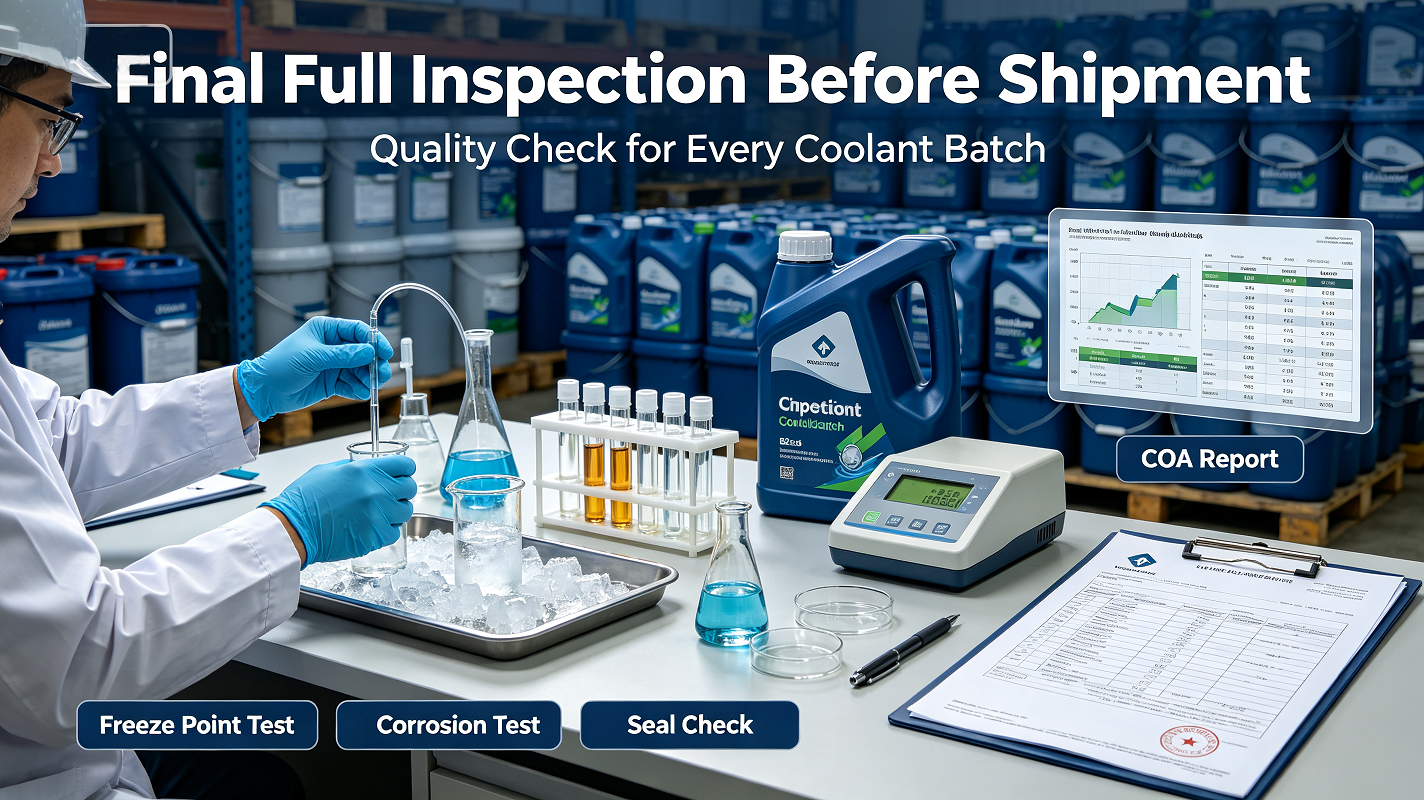
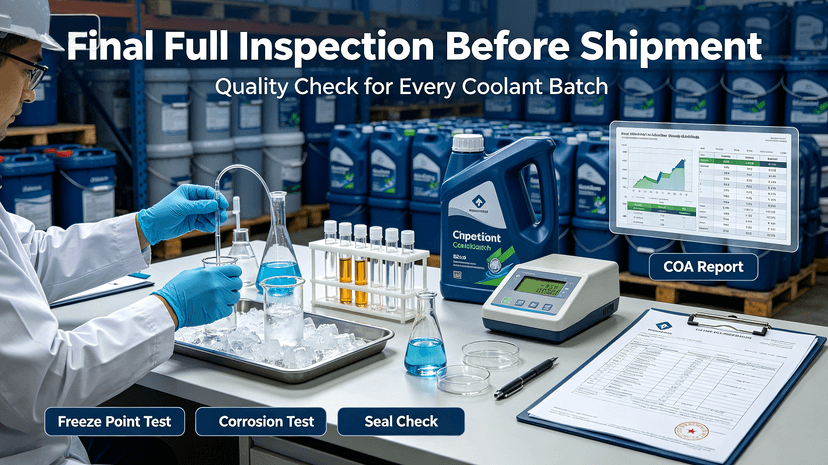
In the world of industrial fluids, a coolant pre-shipment inspection is often the last chance to catch a problem before it becomes expensive. A buyer may have already approved the formula, signed off on packaging, and scheduled freight. Then a drum arrives cloudy, a tote label is wrong, or the viscosity is not what the plant expects. None of those issues are dramatic on paper, but they can stop a line, trigger returns, or force a purchasing team into awkward explanations.
That is why experienced sourcing managers treat inspection as more than paperwork. They want proof that the batch being loaded is the batch that was approved, and that it can survive the trip to the customer without drifting out of spec. The decision this article helps with is simple: when does pre-shipment review protect you, and what should it actually cover?
What buyers are really checking
Most buyers are not looking for a laboratory report full of numbers they will never use. They want a fast, defensible answer to a few practical questions: Is the coolant clean? Is it correctly identified? Is the container sealed and marked properly? Does the paperwork match the physical goods? Those sound basic, but in bulk liquid shipping, basic is where most avoidable mistakes happen.
For plants that rely on stable thermal performance, contamination is the quiet risk. Even a small amount of foreign material can affect appearance, storage stability, or downstream handling. That is why bulk fluid quality testing is often paired with visual review and document checks before dispatch. The goal is not to make the process elaborate. The goal is to avoid shipping uncertainty.
A practical inspection flow
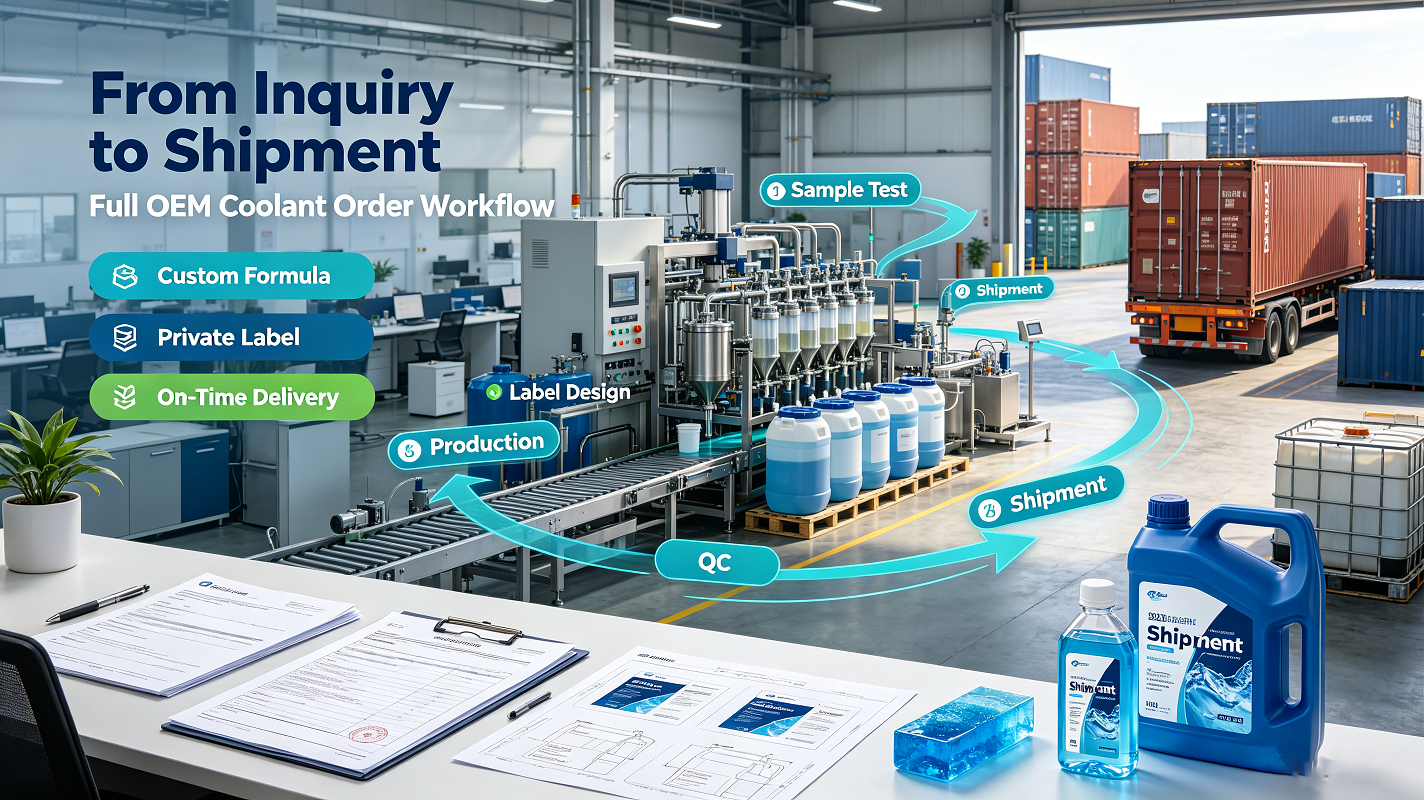
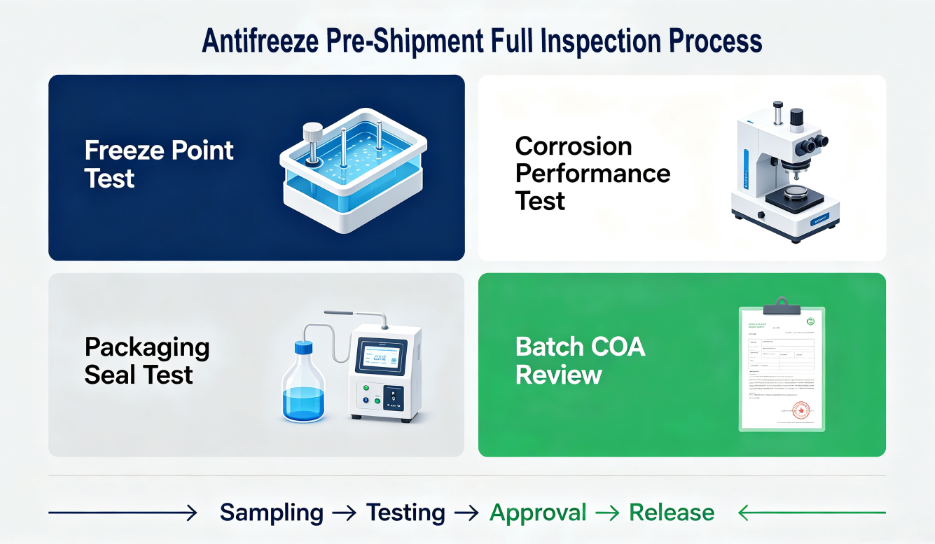
A good inspection process usually starts with identity verification. The inspector confirms the product name, lot or batch reference, container count, and packaging format against the purchase order or packing list. If the shipment is being prepared for export, labels and hazard markings deserve a second look. A rushed warehouse team can misplace a label or mix pallet content, and that kind of mistake is annoying at the dock and much worse at the receiving end.
Next comes a physical check of the product condition. For liquid coolants, that may include looking for separation, haze, sediment, leaks, damaged caps, or signs that drums were handled roughly. If the buyer has asked for sample-based verification, the inspection may also include simple field checks or coordination with a lab. The point is not to replace full quality systems. The point is to confirm that the shipment being released still reflects the approved lot.
Finally, the documentation review closes the loop. Certificates, packing records, and shipping documents should all tell the same story. When they do not, the problem is often administrative rather than chemical, but that still creates delay. A shipment can be technically fine and still get held because the paperwork is sloppy. That is one reason a coolant quality inspection service can be useful even for buyers who already trust their supplier.
Where inspection adds the most value
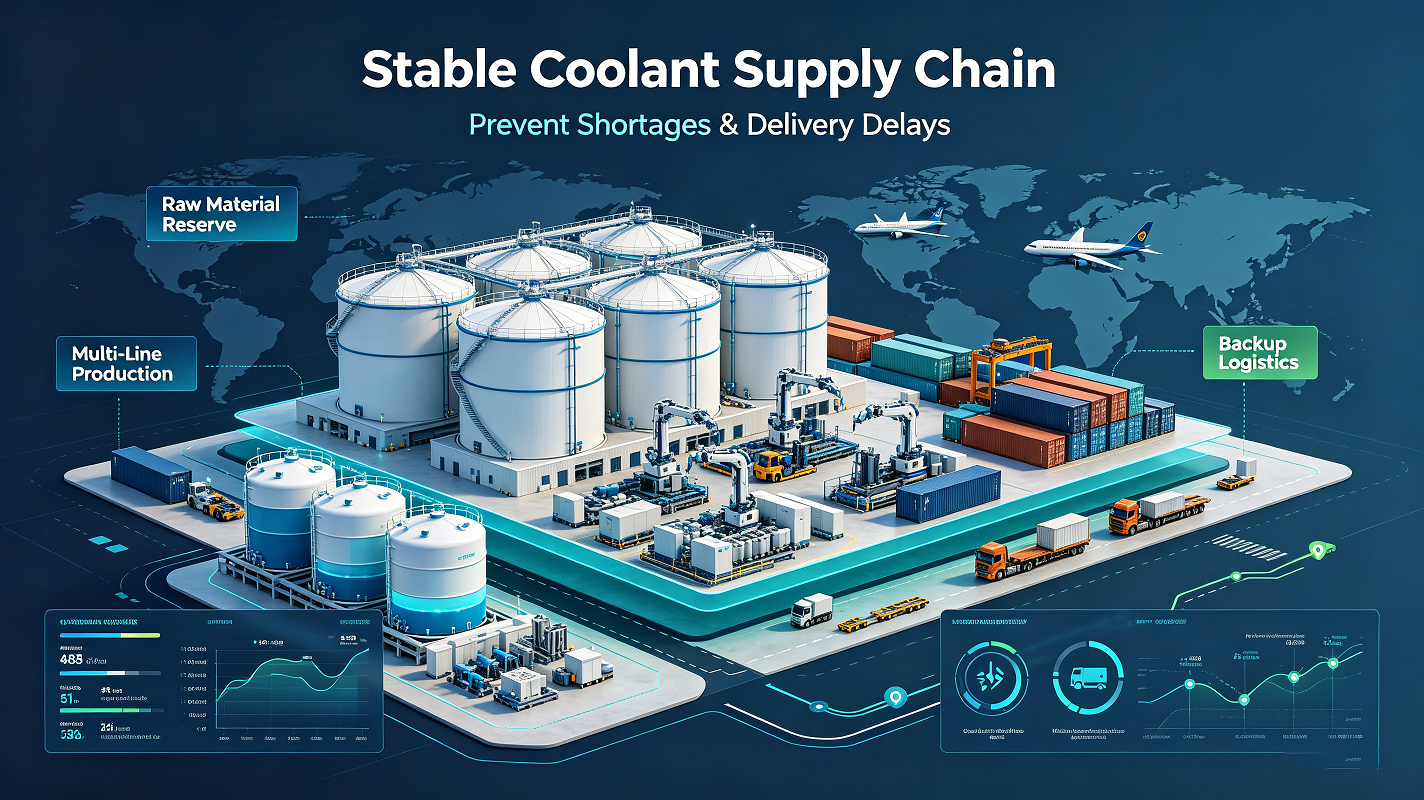
Pre-shipment review is most valuable when the shipment is large, the destination is far away, or the end use is sensitive to contamination and consistency. It also helps when a buyer is switching suppliers, buying from a new factory, or placing a repeat order after a previous issue. In those cases, the inspection acts as a practical checkpoint between production and delivery.
Some teams also use it as part of factory quality control antifreeze programs, especially when the product is sold into sectors that care about repeatability and traceability. The exact test menu will vary, but the logic stays the same: confirm that the product leaving the gate is the product the buyer ordered.
What to ask for before the truck moves
Buyers often get better results when they ask for a short, specific inspection scope instead of a vague promise to “check quality.” A useful request usually covers the batch identity, container count, seal condition, appearance, labeling, and document match. If your application is sensitive, add the inspection points that matter most to your process, such as basic appearance checks or sample retention.
It is also worth agreeing on the acceptance criteria early. Not every defect is a deal-breaker, but not every supplier will see a defect the same way a buyer does. That difference in judgment is where disputes start. A clear pre-shipment standard removes a lot of heat later.
Common mistakes buyers still make
The most common mistake is waiting until after dispatch to ask questions. Once the freight is gone, even a small issue becomes slower and more expensive to fix. Another mistake is assuming that a routine product never needs review. In practice, repeat orders can drift just as easily as first orders, especially when packaging, schedules, or warehouse staff change.
A third mistake is treating inspection as a substitute for supplier development. It is not. A coolant quality assurance step can catch problems, but it cannot build a stronger process by itself. Buyers get the best results when inspection sits alongside clear specifications, stable sourcing, and honest feedback after each shipment.
What a buyer should remember
If you are choosing whether to require a coolant pre-shipment inspection, think in terms of risk, not habit. The more important the shipment is to your operations, the more sensible it is to verify it before release. For some programs, a light-touch check is enough. For others, especially bulk liquid supply, a more structured review is cheap insurance compared with a line stoppage or a rejected delivery.
The right approach is usually simple: define the checks that matter, confirm the batch against the order, and make sure the physical goods match the paperwork. That is not glamorous, but it is what keeps industrial coolant shipments from turning into avoidable problems.
Next step
If you are building a sourcing checklist, start by deciding which inspection points are non-negotiable for your application. Then ask your supplier or third-party inspector to document them before loading. A clear scope is usually more effective than a long one.
Welcome to contact GAFLE for more information & cooperation!
peter
ZHEJIANG GAFLE AUTO CHEMICL CO.,LTD
Tel:86-579-8222 1665
Fax:86-579-8246 4690
Cel/Wechart:86-13335993986
E-mail:peter@gafle.net
Web:www.gafle.net