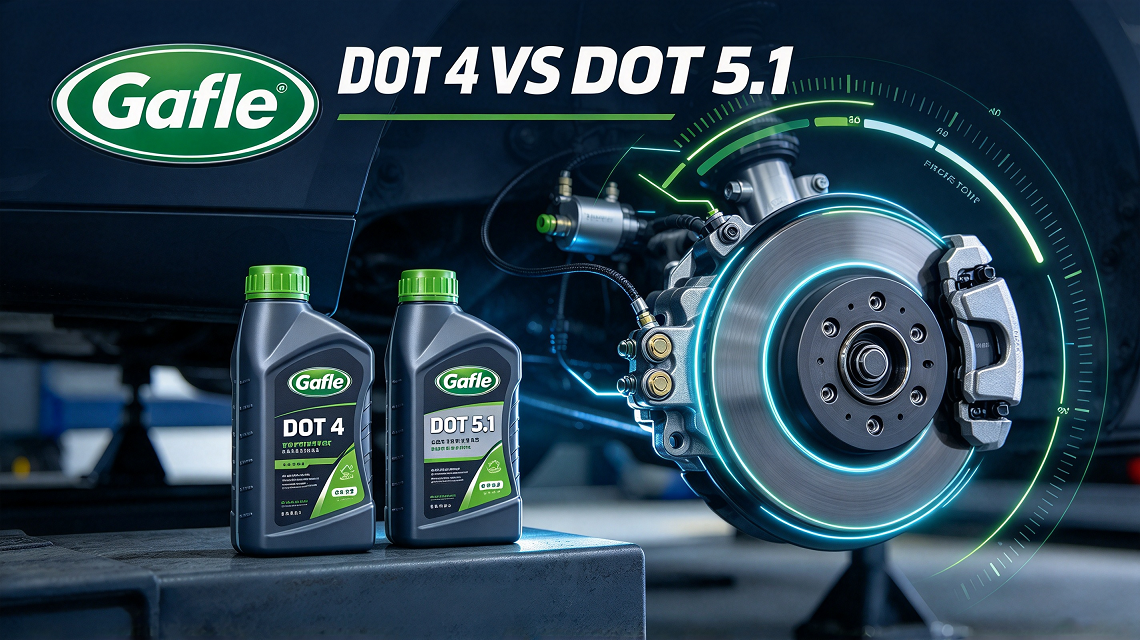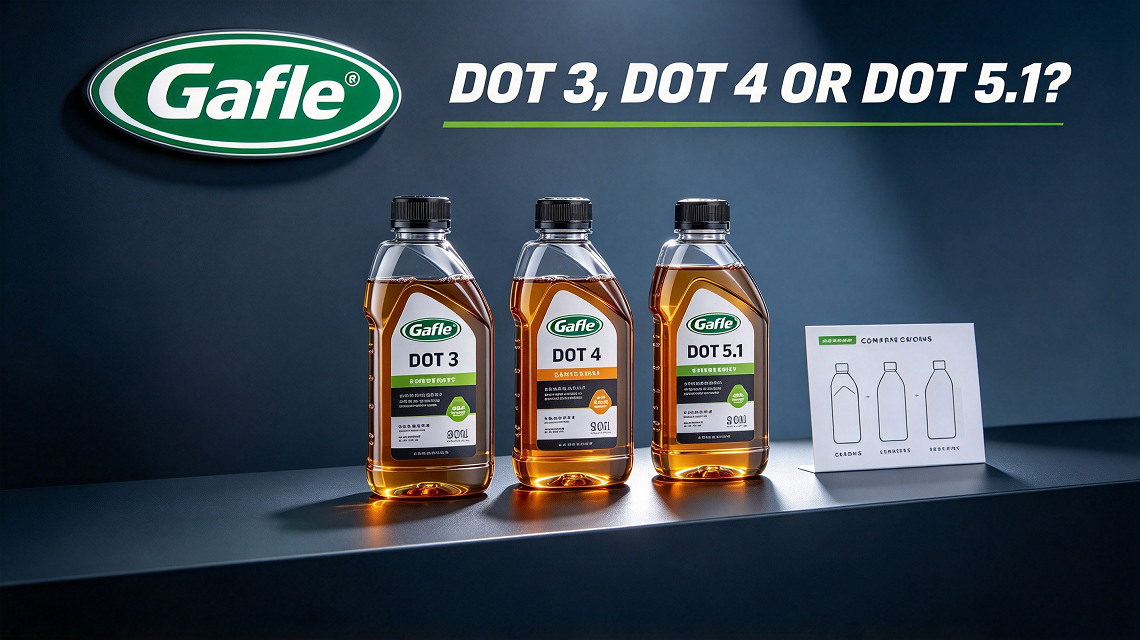
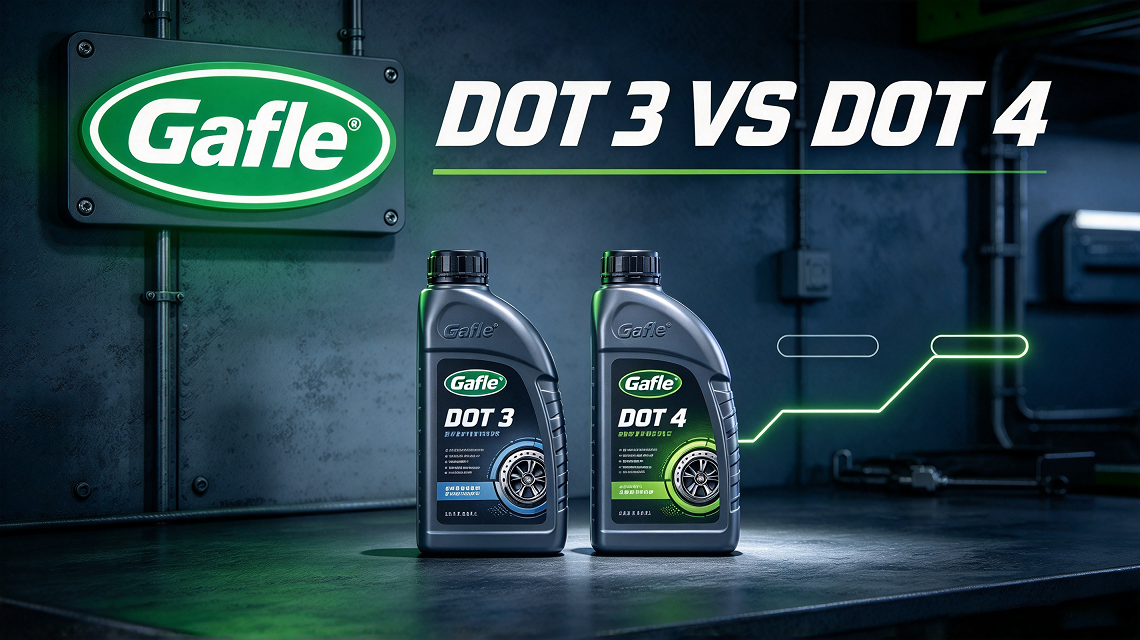
For fleet operators, service chains, and parts distributors, stocking automotive hydraulics often comes down to a persistent operational question: what is the actual difference between DOT 3 and DOT 4, and is standardizing on one grade worth the inventory overhead? On paper, both are non-petroleum, glycol-ether-based formulations mandated by the Department of Transportation under FMVSS No. 116. Yet the chemical differences between them dictate real-world thermal thresholds, maintenance schedules, and unit economics that procurement teams cannot afford to treat as interchangeable.
Chemical Architecture and the Boiling Point Comparison
At the fundamental formulation level, DOT 3 is primarily composed of conventional glycol ethers mixed with lubricating polyglycols and corrosion inhibitors. It is an established, dependable chemistry, but it has defined thermal ceilings. DOT 4 introduces borate esters into that glycol-ether matrix. These borate ester compounds act as moisture scavengers, chemically binding with free water molecules that permeate through microscopic pores in rubber brake hoses and master cylinder reservoir seals over time.
This structural modification leads directly to the core boiling point comparison specified by international and federal standards:
- DOT 3: Minimum dry boiling point of 205°C (401°F); minimum wet boiling point of 140°C (284°F).
- DOT 4: Minimum dry boiling point of 230°C (446°F); minimum wet boiling point of 155°C (311°F).
The dry boiling point represents fresh fluid out of a hermetically sealed container, whereas the wet boiling point measures performance after the fluid has absorbed roughly 3.7% water by volume. In demanding duty cycles—such as descent hauling or repeated stop-and-go commercial routes—the extra 15°C to 25°C threshold offered by borate-modified blends prevents vapor lock, a condition where localized boiling turns hydraulic liquid into compressible gas, resulting in total pedal travel loss.
There is, however, an operational nuance that distributors frequently overlook: while DOT 4 handles absorbed water better chemically, it often attracts moisture faster from ambient humidity during service than baseline DOT 3. As a result, systems utilizing borate-ester formulations generally demand stricter service intervals—typically every two years regardless of mileage.
Viscosity Profiles and Cold-Weather Hydraulics
Thermal limits are only half the mechanical reality. Kinematic viscosity at sub-zero temperatures represents another performance axis. Baseline DOT 3 generally exhibits a maximum viscosity of around 1,500 mm²/s at -40°C. Standard DOT 4 allows up to 1,800 mm²/s at that same threshold.
While this slight thickening goes unnoticed in basic caliper-and-drum configurations, it matters significantly for modern Electronic Stability Control (ESC) and Anti-lock Braking Systems (ABS). These platforms rely on rapid micro-pulsing through compact valve blocks. For high-cycle ABS valves operating in sub-zero climates, specialized low-viscosity sub-variants (often designated as Class 6 or LV) are preferred over baseline specifications. Engineering managers sourcing for newer vehicle fleets must account for these low-temperature flow dynamics rather than relying strictly on the DOT number printed on a catalog sheet.
Suitable Vehicles and Operational Demands
Selecting between these chemistries requires mapping vehicle duty cycles against hydraulic demands.
Looking at suitable vehicles across commercial and passenger sectors, DOT 3 remains well-suited for everyday passenger cars, light commercial vans, and older fleet assets running naturally aspirated powertrains without aggressive regenerative braking or sustained heavy towing. Many original equipment manufacturers in North America and Asia historically factory-filled with DOT 3 due to its long-term stability and forgiving maintenance profile.
Conversely, DOT 4 is standard specification across European platforms, performance vehicles, and medium-duty utility trucks subject to heavy axle loads. Modern hybrid and electric platforms also lean heavily toward DOT 4 or low-viscosity derivatives because regenerative-to-friction handoffs create concentrated thermal spikes inside smaller, shrouded caliper assemblies.
Procurement Economics: The Wholesale Price Gap DOT3 DOT4 Brake Fluid
From a pure purchasing standpoint, inventory rationalization always tempts operations managers to drop DOT 3 entirely and stock DOT 4 across all service bays. Because DOT 4 is backward compatible with DOT 3 hydraulic systems—meaning a workshop can safely purge a DOT 3 circuit and replace it with DOT 4 without damaging standard EPDM rubber cups—carrying a single SKU appears efficient.
The friction comes from unit pricing. The wholesale price gap DOT3 DOT4 brake fluid can range between 15% to 35% on average bulk orders, depending on base raw material costs and ester additives. For an independent distributor or a municipal fleet maintaining hundreds of older transit or service vehicles, that margin delta multiplies quickly across 55-gallon drums and tote purchases.
A practical procurement rule: standardize on DOT 4 if your fleet is mixed with late-model assets or operates in mountainous, high-stress conditions. However, if your contract volume is tied to cost-sensitive fleet preventative maintenance on legacy commercial platforms, maintaining separate supply lines for DOT3 and DOT4 fluid grades remains financially justifiable.
Bulk Storage and Practical Sourcing Cautions
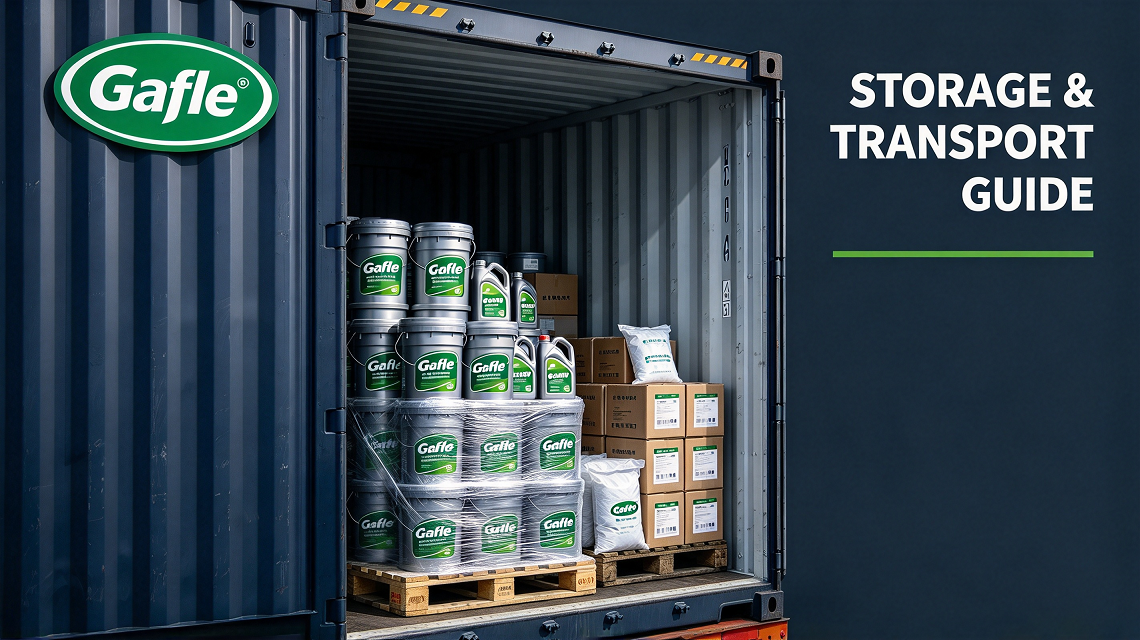
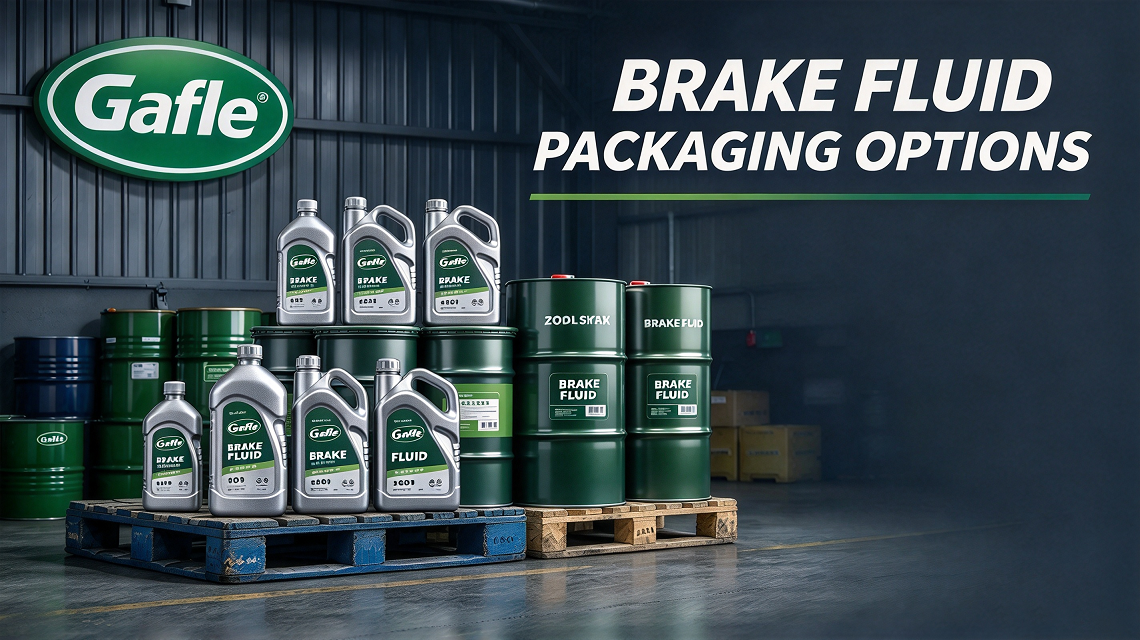
B2B buyers should treat hydraulic formulations with the same handling scrutiny given to specialty chemicals. Because both grades are hygroscopic, packaging integrity dictates actual shelf life.
When procuring at scale, verify container venting and cap linings. Steel drums should incorporate robust inner moisture-barrier coatings, as pinhole corrosion can quietly degrade the initial dry boiling point long before the barrel is tapped. Once a bulk container is opened, its wet boiling point degradation begins immediately. For low-turnover regional depots, ordering 5-liter or 1-liter sealed cases is almost always safer than tapping 200-liter drums over an extended six-month period.
Frequently Asked Questions
Can DOT 3 and DOT 4 be mixed in an emergency?
Yes. Because both use polyglycol bases, they are chemically miscible and will not cause gelling or seal swelling. However, topping off a DOT 4 circuit with DOT 3 immediately derates the entire hydraulic system's boiling point down toward DOT 3 levels. It should be treated as a temporary measure until the system can be thoroughly flushed.
Does DOT 4 cause seal failure in older vehicles designed for DOT 3?
In properly maintained systems using standard SBR or EPDM rubber compounds, standard DOT 4 is fully compatible with seals engineered for DOT 3. Issues reported in the field are almost always tied to preexisting seal dry-rot or chemical shock from neglected systems that had not seen fresh fluid in a decade.
Evaluating Your Fleet Supply Strategy
Balancing system safety against fluid procurement costs comes down to understanding duty cycles. Review your fleet's operating environments, consult OEM technical service bulletins for stability control viscosity mandates, and evaluate whether the operational simplicity of a single fluid SKU justifies the wholesale margin difference. For tailored quotes on bulk drum shipments or application-specific hydraulic fluid specifications, contact our technical distribution team today.
Welcome to contact GAFLE for more information & cooperation!
peter
ZHEJIANG GAFLE AUTO CHEMICL CO.,LTD
Tel:86-579-8222 1665
Fax:86-579-8246 4690
Cel/Wechart:86-13335993986
E-mail:peter@gafle.net
Web:www.gafle.net