Managing Hydraulic Fluid Integrity from Blending Plant to Depot
For chemical logistics teams and automotive parts distributors, knowing exactly how should brake fluid be stored and transported is a matter of chemical stability rather than simple box-moving. Unlike engine lubricants or gear oils that tolerate minor atmospheric exposure, glycol-ether based formulations (DOT 3, DOT 4, and DOT 5.1) are intensely hygroscopic. They actively pull water vapor through standard micro-fissures, unlined container walls, and threaded bungs. A moisture gain of merely 3% to 4% drops the fluid boiling point by over 80°C, turning a premium hydraulic product into an immediate vapor-lock liability before it ever reaches a master cylinder.
The Warehouse Floor: Bulk Drum Brake Fluid Storage Rules
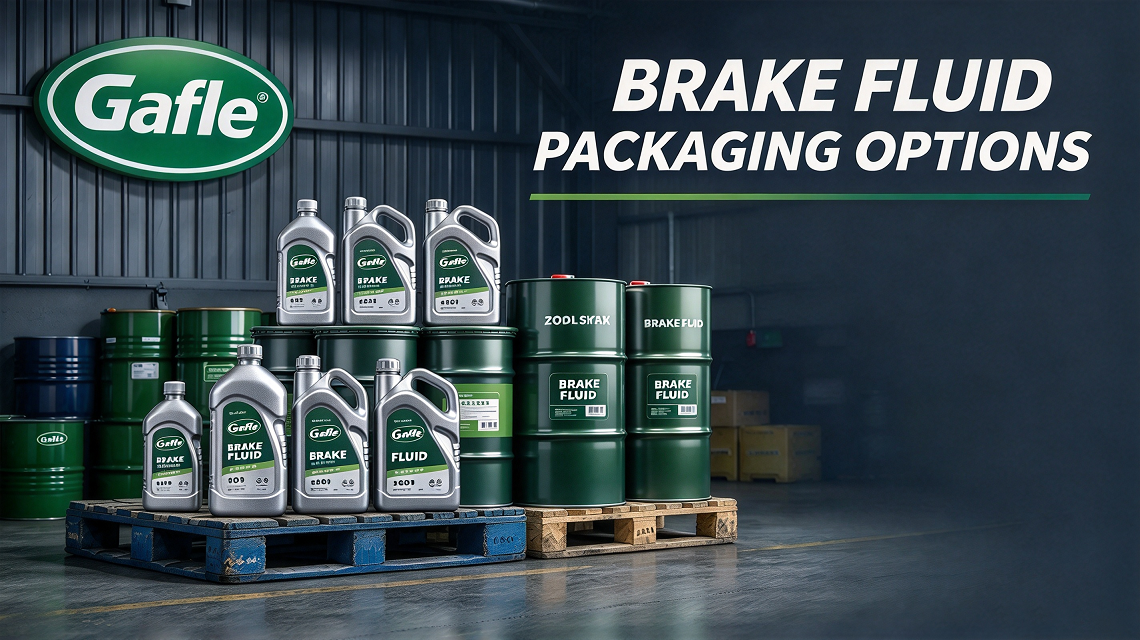
Warehousing packaged hydraulic fluids requires stricter environmental controls than general industrial maintenance supplies. While retail bottles in hermetically sealed metal foil present fewer intermediate headaches, handling 200-liter barrels or 1,000-liter intermediate bulk containers (IBCs) demands rigorous process discipline.
Adhering to practical bulk drum brake fluid storage rules involves mitigating both ambient humidity and thermal cycling:
- Indoor climate stability: Drums must remain indoors, positioned well away from exterior loading dock doors. Ambient temperatures should ideally be maintained between 10°C and 30°C. Daily temperature swings cause internal air expansion and contraction, drawing humid warehouse air directly through bung threads, even when torqued down.
- Dedicated venting hardware: Once a drum is tapped, never leave it open to ambient air. Facilities pulling fractional quantities must fit active silica desiccant breather caps or introduce a low-pressure dry nitrogen blanket to fill the headspace.
- Bung positioning: If drums must be stored horizontally on structural racking, orient bungs at the 3 o'clock and 9 o'clock positions. This keeps the internal liquid against the gasket, preventing air exchange, though vertical storage on secondary containment pallets remains the lower-risk choice.
- Secondary containment: Glycol ethers are aggressive paint strippers and regulated ground contaminants. Bunded pallets must provide at least 110% capacity of the largest stored vessel.
Domestic Freight vs. Sea Shipping Requirements
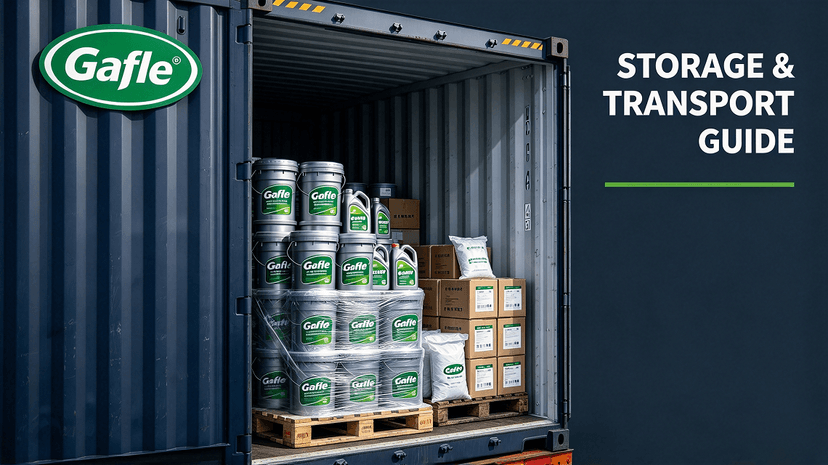
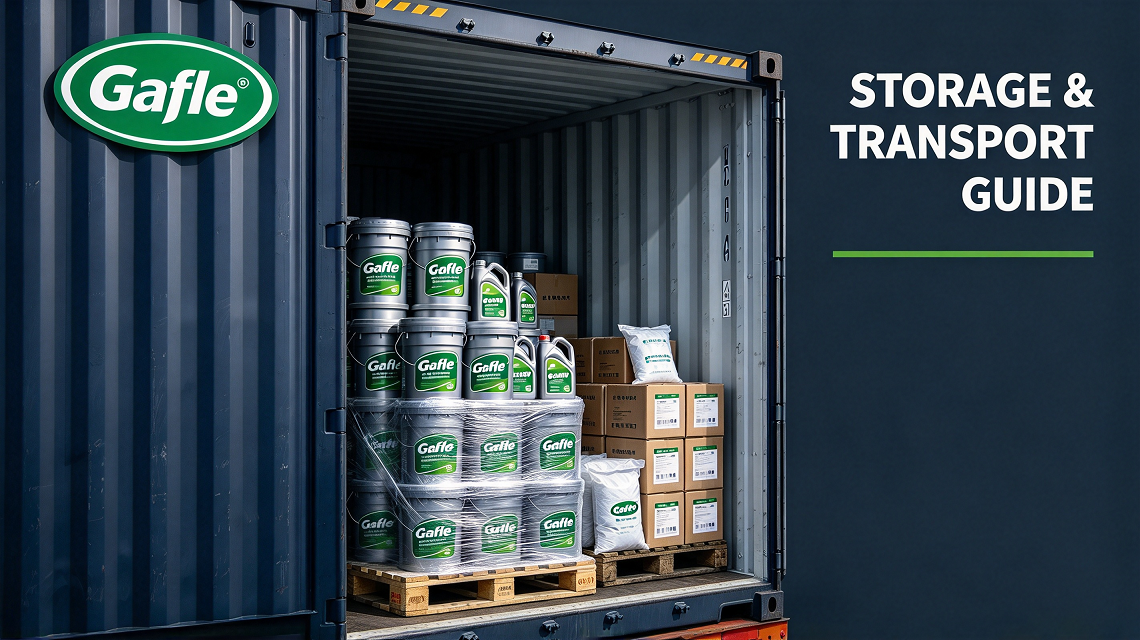
Moving packed brake fluid across continents introduces distinct environmental stresses, particularly when ocean transit is involved. While standard glycol formulations are typically classified as non-hazardous under road transport regulations (such as US DOT 49 CFR or ADR in Europe), cross-border containerized freight encounters different physical challenges.
When reviewing sea shipping requirements, procurement teams often focus exclusively on the International Maritime Dangerous Goods (IMDG) code. Most standard DOT 3 and DOT 4 fluids have flash points well above 100°C, meaning they are frequently exempt from Class 3 flammable liquid designations. However, certain high-performance ester formulations or silicone-based DOT 5 fluids may carry unique safety data sheet (SDS) provisions that freight forwarders must verify prior to booking.
Beyond regulatory classification, physical vessel logistics pose the real risk to chemical shelf life:
- Container position on vessel: Always request stowage “below deck” or out of direct sunlight. A shipping container placed on the top tier of an ocean carrier can see internal roof temperatures exceed 65°C in tropical waters, accelerating package seal degradation.
- Container condensation (“container rain”): Trans-equatorial routes generate substantial internal humidity swings. Metal barrels shipped in standard dry vans should include industrial calcium chloride desiccant poles to prevent external rust that can perforate drum chimes during transit.
Container Compatibility and Packaging Materials
The choice of package material dictates how long a product survives transit and staging. Not every chemical-resistant polymer works with polyglycol fluids:
| Packaging Type | Permeation Resistance | Primary Risk Factor | Recommended Use Case |
|---|---|---|---|
| Tin-plated steel cans | Absolute (Zero water ingress) | External seam corrosion if exposed to salt air | Long-term retail storage, export markets |
| Fluorinated High-Density Polyethylene (HDPE) | High | Headspace breathing under severe thermal cycling | Standard workshop sizes (5L to 20L) |
| Unlined carbon steel drums | Absolute | Internal flash rust if opened in humid air | Bulk fleet refills, blending plants |
Inspection Protocols at Inbound Receiving
A distributor's quality control begins before unloading pallets. When receiving imported consignments, warehouse teams should implement three quick field checks:
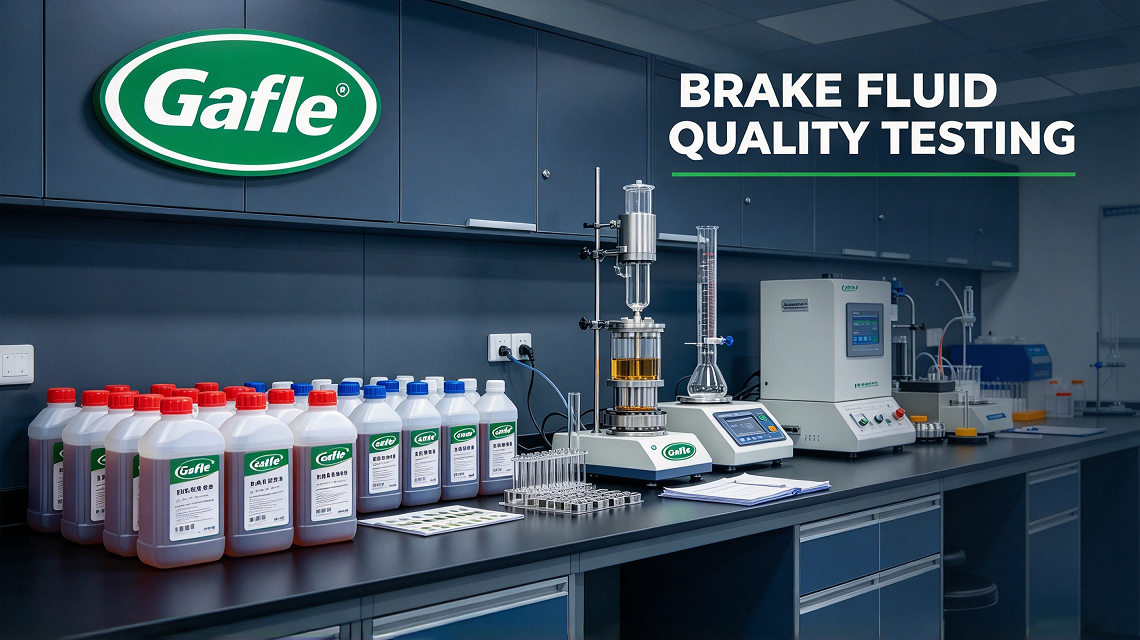
First, inspect the container seals and inspect pallet banding for signs of drum hydraulic deformation, which indicates that the shipment saw excessive heat during transport. Second, pull a spot sample from randomly selected bulk containers to measure equilibrium reflux boiling point (ERBP) or test moisture content with a Karl Fischer titrator. Any batch reading above 0.5% water content at receipt should be quarantined immediately. A supplier might ship a clean batch, but a weeping container bung during an ocean voyage can quietly ruin the batch mid-transit.
Frequently Asked Questions
What is the typical shelf life of brake fluid in an unopened metal drum?
Under controlled conditions (dry, steady temperatures between 15°C and 25°C), factory-sealed metal drums typically carry a conservative shelf life of two to three years. Once the factory seal is cracked, that window drops significantly unless sealed with dry nitrogen.
Can DOT 5 silicone fluid be stored using the same equipment as DOT 4?
No. DOT 5 is silicone-based and completely incompatible with glycol-ether fluids (DOT 3, DOT 4, and DOT 5.1). Transfer pumps, hoses, and sampling thieves must never be shared between them. Even micro-cross-contamination causes seal swelling and fluid separation in hydraulic systems.
Does cold weather damage brake fluid during winter transport?
Sub-zero temperatures will not damage the chemical composition of glycol or silicone fluids, as their pour points are generally lower than -50°C. The risk during winter shipping is moisture condensation forming inside drums when cold packages are suddenly brought into a heated, humid distribution center.
Establishing Practical Site Protocols
Protecting fluid inventory comes down to enforcing tight receiving checks, strictly managing warehouse humidity, and matching containers to transit routes. Procurement teams should audit supplier packing slips and carrier routes to confirm proper ocean stowage and protective pallet wrapping before signing off on long-distance chemical shipments.
Welcome to contact GAFLE for more information & cooperation!
peter
ZHEJIANG GAFLE AUTO CHEMICL CO.,LTD
Tel:86-579-8222 1665
Fax:86-579-8246 4690
Cel/Wechart:86-13335993986
E-mail:peter@gafle.net
Web:www.gafle.net