 Why Is My Engine Overheating After a Coolant Change?
Replacing engine coolant is one of the most important maintenance tasks for keeping a vehicle running at the proper operating temperature. Fresh coolant helps prevent overheating, protects against freezing, and reduces corrosion inside the cooling system. However, some vehicle owners discover that their engine begins overheating shortly after a coolant replacement.
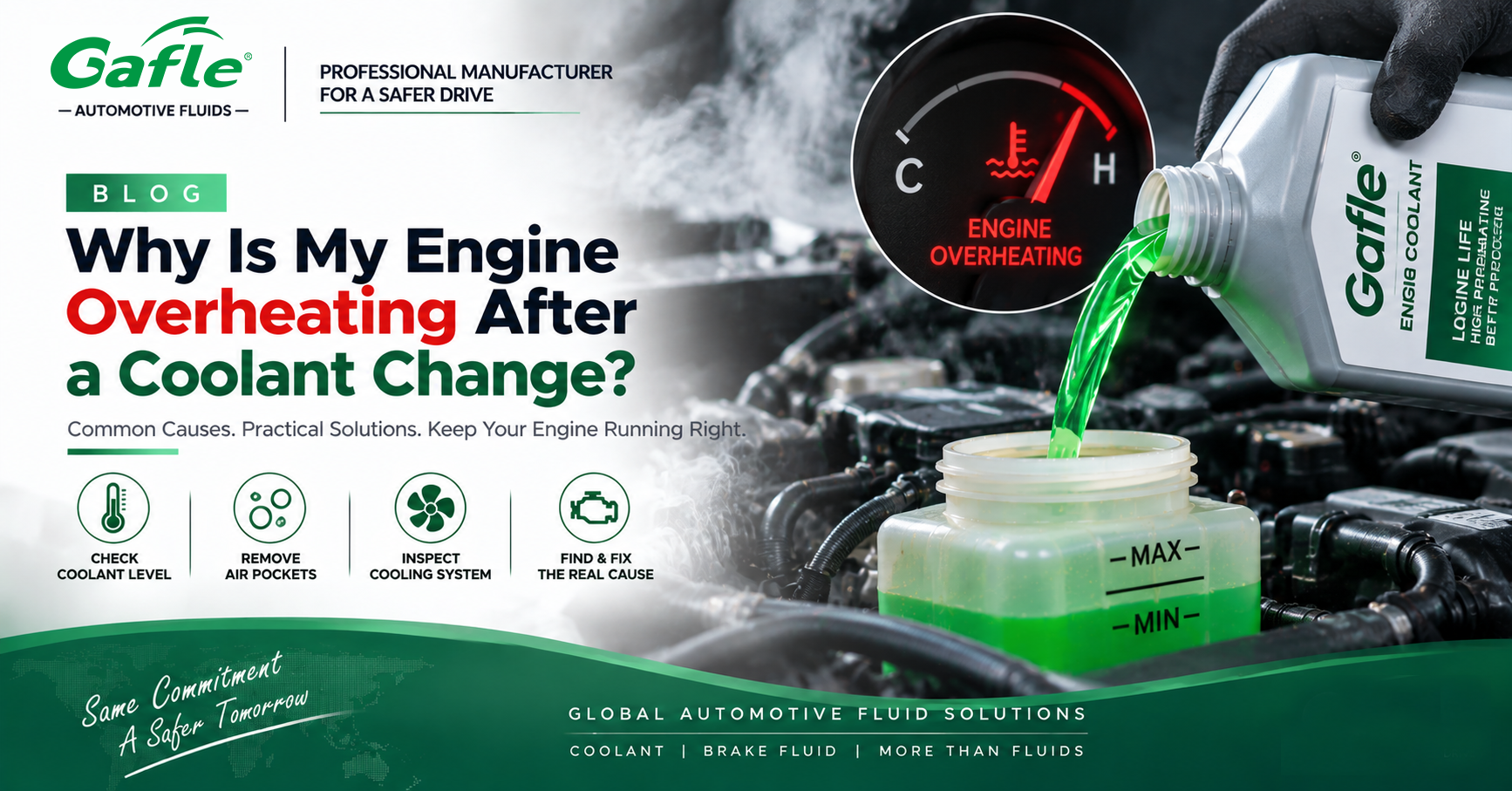
If you're asking, "Why Is My Engine Overheating After a Coolant Change?", the good news is that the coolant itself is not always the cause. In many cases, overheating after a coolant change is related to trapped air, an incorrect coolant level, a circulation problem, or another issue within the cooling system rather than the new coolant itself.
As a professional automotive fluid manufacturer with more than 20 years of manufacturing experience, Gafle supplies premium engine coolants and brake fluids to OEM customers, distributors, and automotive brands worldwide. In this article, we'll explain the most common causes of overheating after a coolant change and how proper coolant selection and maintenance help ensure reliable engine performance.
Common Reasons an Engine Overheats After a Coolant Change
Several issues can cause Engine Overheating After Coolant Change, even when the correct coolant has been installed.
The most common causes include:
- Air trapped inside the cooling system
- Low coolant level
- Incorrect coolant bleeding procedure
- Thermostat problems
- Water pump issues
- Cooling fan malfunction
- Coolant leaks
- Incorrect coolant specification
Most of these problems are related to coolant circulation rather than the coolant itself.
Air Pockets: The Most Common Cause
After a cooling system is drained and refilled, air can become trapped inside the engine, radiator, or heater core.
These air pockets prevent coolant from circulating normally and create localized hot spots inside the engine.
Common symptoms include:
- Temperature gauge rising quickly
- Heater blowing cool air
- Coolant level dropping after driving
- Gurgling sounds inside the cooling system
Many manufacturers require a specific bleeding procedure after coolant replacement to remove trapped air completely.
Low Coolant Level
Even after refilling, the coolant level may drop once trapped air escapes.
If the cooling system is not completely full, coolant circulation may be reduced, leading to overheating.
Always:
- Check the coolant reservoir after the engine has cooled.
- Refill to the recommended level if necessary.
- Inspect for external leaks.
Thermostat Problems
The thermostat controls coolant flow between the engine and radiator.
If it sticks closed or does not open properly, coolant cannot circulate effectively, causing engine temperature to rise.
Typical signs include:
- Rapid overheating
- Upper radiator hose remaining cool
- Little or no coolant circulation
Water Pump Issues
The water pump moves coolant throughout the cooling system.
A damaged, worn, or improperly functioning water pump may reduce coolant circulation even after new coolant has been installed.
Possible symptoms include:
- Persistent overheating
- Coolant leaks near the pump
- Unusual noises
- Weak coolant flow
Cooling Fan Problems
Some overheating problems only occur when the vehicle is stopped or moving slowly.
In these situations, the cooling fan may not be operating correctly.
A faulty fan motor, relay, temperature sensor, or electrical connection can reduce airflow through the radiator.
Can the Wrong Coolant Cause Overheating?
Yes—but not simply because of its color.
Using a coolant that does not meet the vehicle manufacturer's specification may reduce corrosion protection or material compatibility.
Always choose the coolant recommended for the vehicle.
Proper coolant selection helps maintain:
- Heat transfer efficiency
- Corrosion protection
- Water pump protection
- Long-term cooling system reliability
How Gafle Ensures Coolant Quality
At Gafle, every coolant is developed to provide reliable protection under a wide range of operating conditions.
Advanced Formula Development
Our R&D team develops coolant formulations designed for:
- Excellent freeze protection
- Reliable boil-over protection
- Long-term corrosion resistance
- Stable heat transfer performance
Premium Raw Materials
Only carefully inspected raw materials are approved for production.
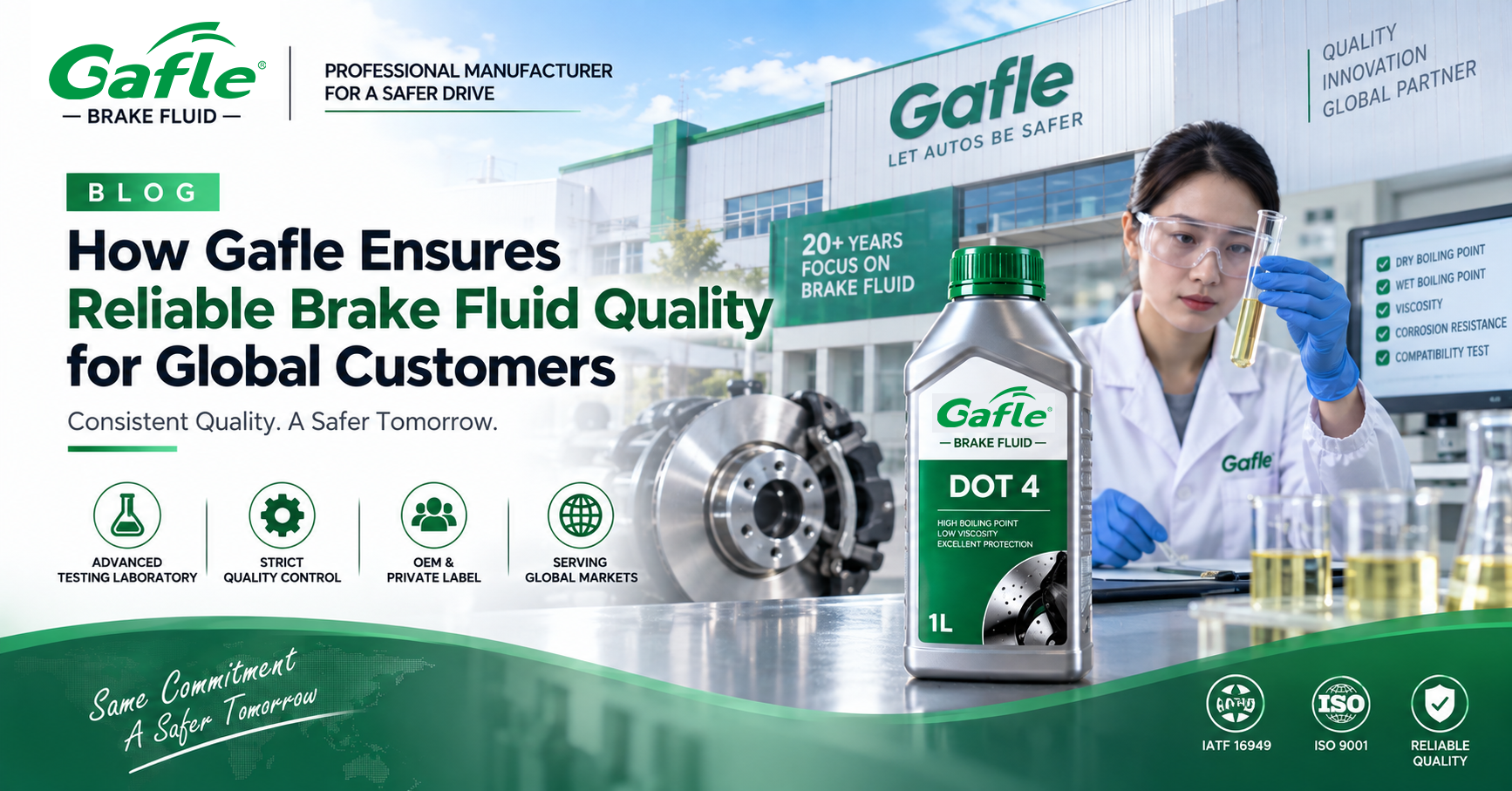
Professional Laboratory
Every production batch undergoes comprehensive testing, including:
- Freeze protection
- Boiling protection
- Corrosion resistance
- pH stability
- Material compatibility
- Appearance inspection
Strict Quality Control
Every manufacturing stage follows standardized quality procedures, from raw material inspection to final product testing.
OEM & Private Label Manufacturing
Gafle provides flexible OEM manufacturing services, including:
- Customized coolant formulations
- Bottle customization
- Label design
- Carton packaging
- Technical documentation
Why Global Customers Choose Gafle
As a trusted automotive fluid manufacturer, Gafle supplies engine coolants and brake fluids to customers around the world.
Our strengths include:
- 20+ Years of Automotive Fluid Manufacturing Experience
- Professional Research & Development Team
- Advanced Laboratory Testing
- Modern Manufacturing Facilities
- Strict Quality Control
- IATF 16949 Quality Management System
- OEM & Private Label Manufacturing
- Customized Packaging Solutions
- Stable Large-Scale Production
- Global Export Experience
- Participant in Drafting China's National Brake Fluid Standards
These capabilities enable Gafle to provide reliable automotive fluid solutions for distributors, importers, wholesalers, and automotive brands worldwide.
How to Choose a Reliable Coolant Manufacturer
Choosing the right coolant supplier is just as important as choosing the right coolant.
A professional manufacturer should provide:
- Advanced laboratory facilities
- Formula development capability
- Strict quality management
- Stable production capacity
- OEM & ODM services
- Export experience
- Technical support
- Consistent batch quality
Many international buyers searching for the Best Brake Fluid Manufacturer in China also choose manufacturers that offer premium engine coolants supported by advanced laboratories, strict quality control, and flexible OEM manufacturing capabilities.
Frequently Asked Questions
Why is my engine overheating after a coolant change?
The most common causes are trapped air in the cooling system, low coolant level, improper bleeding, thermostat problems, water pump issues, or cooling fan malfunctions rather than the new coolant itself.
Can trapped air cause engine overheating?
Yes. Air pockets can prevent coolant from circulating properly, creating hot spots inside the engine and causing overheating.
Can the wrong coolant cause overheating?
Using coolant that does not meet the vehicle manufacturer's specification may contribute to cooling system problems over time. Always use the coolant recommended by the vehicle manufacturer.
Should I check the coolant level after replacement?
Yes. After the engine cools, recheck the coolant level because trapped air may have escaped during operation, causing the level to drop.
How should buyers choose the Best Brake Fluid Manufacturer in China?
Buyers should evaluate manufacturing experience, laboratory capability, quality management systems, OEM services, production consistency, export experience, and technical support rather than focusing only on price.
Conclusion
If your engine begins overheating after a coolant change, the coolant itself is not always to blame. In most cases, the problem is caused by trapped air, incorrect bleeding, low coolant level, or another issue affecting coolant circulation. Identifying and correcting these problems promptly helps protect the engine from unnecessary damage and restores proper cooling system performance.
With more than 20 years of manufacturing experience, Gafle continues to develop premium engine coolants and brake fluids through advanced laboratory testing, modern production facilities, and strict quality control.
For businesses searching for the Best Brake Fluid Manufacturer in China, Gafle offers reliable automotive fluid products, flexible OEM and private label solutions, and long-term partnerships built on quality, consistency, and innovation.
At Gafle, we believe that reliable cooling begins with premium coolant—and ends with professional manufacturing and uncompromising quality.