How Should Buyers Qualify an ASTM D3306 Coolant Manufacturer?
An ASTM D3306 Coolant Manufacturer should be evaluated on its ability to connect a buyer's required coolant specification with an identifiable formulation, supporting test evidence, controlled production, packaging, traceability, and repeat supply. For importers and automotive chemical distributors, the important question is not whether the supplier can print “ASTM D3306” on a bottle. The important question is whether the exact product being offered has technical documentation that supports the required standard and whether future production can remain tied to the same approved specification.
ASTM D3306 is associated with glycol-base engine coolant for automotive and light-duty cooling-system service. That makes it relevant to many passenger-car and light-duty aftermarket programs, but buyers should not automatically extend it to every truck, industrial engine, EV thermal-management circuit, or special coolant application. GAFLE's Antifreeze/Coolant range includes conventional coolant, energy-vehicle coolant, energy-storage thermal-management coolant, liquid-cooling products, and OEM options. These categories should be treated as different technical discussions rather than one interchangeable coolant family.
Who Is This ASTM D3306 Coolant Sourcing Guide For?
This guide is aimed at automotive-fluid distributors, importers, wholesalers, private-label brands, repair-chain purchasing teams, fleet-service suppliers, and other B2B buyers sourcing engine coolant for resale or professional service. These buyers usually need more than a general explanation of antifreeze. They need to know what standard to specify in the RFQ, how to compare supplier evidence, whether concentrate or premixed coolant is appropriate, how a sample becomes a repeatable production specification, and how packaging, MOQ, documentation, and logistics affect the commercial project.
It is less useful to start a sourcing project with only a color, freezing-point claim, or photograph of a competitor bottle. Coolant color does not by itself define chemistry, compatibility, or compliance. A more reliable starting point is the target market, vehicle population, required standard, coolant form, required protection level, package size, private-label requirements, and expected volume. Buyers who are still defining their product range can first review GAFLE's engine cooling antifreeze sourcing guide before preparing the supplier RFQ.
What Does ASTM D3306 Tell a B2B Buyer—and What Does It Not Tell You?
ASTM D3306 provides a technical framework for glycol-base engine coolants intended for automotive and light-duty service. For purchasing teams, that provides a much more useful starting point than terms such as “premium coolant,” “long-life coolant,” or “universal antifreeze.” However, the standard designation alone does not tell the buyer which exact formulation is being quoted, whether the product is concentrate or prediluted, which inhibitor technology is used, which vehicle approvals may apply, what packaging will be supplied, or what testing will accompany production batches.
That distinction is important because a supplier can discuss a standard at company or catalogue level while the buyer is actually purchasing one specific SKU. Before an ASTM D3306 claim is added to purchase specifications or private-label artwork, the buyer should confirm which product is covered by the supporting evidence. A test report for one formulation should not automatically be applied to another concentration, formulation revision, or unrelated coolant product.
| Purchasing Question | What ASTM D3306 Helps Define | What Still Requires Product-Specific Confirmation |
|---|---|---|
| Intended service | Automotive/light-duty glycol-base coolant context | Exact vehicle and market application |
| Coolant base | Relevant glycol-based coolant categories | Actual formulation supplied |
| Thermal protection | Performance framework for coolant service | Actual product data and concentration |
| Corrosion protection | Standardized performance expectations | Product-specific test evidence |
| Product format | Can include concentrate and prediluted coolant types | Exact concentration and mixing instructions |
| Packaging | Not a substitute for packaging specification | Bottle, drum, cap, seal, carton and label |
| OEM approval | Does not automatically prove vehicle-OEM approval | Separate OEM specification or approval evidence |
| Batch consistency | Does not replace production QC | Batch-release and traceability system |
For B2B procurement, the standard should therefore become part of a controlled product specification rather than a standalone marketing phrase.
Build the Technical Specification Before Comparing Suppliers
A serious RFQ should tell every candidate supplier exactly what is being evaluated. If one company quotes concentrated coolant while another quotes ready-to-use coolant, or one proposal includes private-label packaging while another assumes bulk drums, a price comparison will not be meaningful. Create a purchasing specification before asking an ASTM D3306 Coolant Supplier for a final quotation.
| Specification Area | Buyer Should Define or Request | Procurement Value |
|---|---|---|
| Target application | Passenger car, SUV, light-duty commercial vehicle or defined service market | Prevents application mismatch |
| Required standard | ASTM D3306 plus any additional market or OEM requirement | Establishes technical baseline |
| Coolant format | Concentrate or prediluted | Affects use, logistics and pricing |
| Glycol/base system | Required product chemistry where specified | Supports correct product selection |
| Freeze/boil protection | Required product or mixture performance | Matches climate and market positioning |
| Corrosion performance | Relevant test evidence | Protects cooling-system metals |
| Water quality | Requirement for concentrate dilution where relevant | Reduces field inconsistency |
| Product identification | Manufacturer code and buyer SKU | Connects reports to the actual order |
| Technical documents | TDS, SDS and applicable test evidence | Supports buyer review and downstream customers |
| Packaging | Size, bottle/drum, closure, label and carton | Controls logistics and brand execution |
| Traceability | Lot coding and production records | Supports complaints and recalls |
| Change control | Notification/reapproval conditions | Protects repeat-order consistency |
The document should distinguish four statuses: buyer requirement, supplier proposal, approved value, and unresolved item. This prevents an early quotation or sample discussion from becoming an accidental mass-production specification.
Concentrate or Prediluted Coolant: Decide Before Requesting Bulk Pricing
Coolant format directly affects logistics, workshop use, labeling, and product positioning. Concentrated coolant gives the downstream user flexibility to prepare the final mixture according to approved instructions, but it also introduces another control point: dilution-water quality and mixing accuracy. Prediluted coolant reduces field preparation and can provide a more controlled ready-to-use proposition, but the buyer is also transporting the water content contained in the finished product.
For distributors, the correct format depends on the target customer. A retail or workshop channel may value ready-to-use convenience, while certain professional or bulk-service customers may prefer concentrate. A private-label brand may even need both, but each should have its own SKU, labeling, technical data, and packaging approval. GAFLE's bulk antifreeze sourcing content discusses the importance of defining coolant configuration before a large-volume order rather than treating all antifreeze quotations as directly comparable.
Do Not Select ASTM D3306 Coolant by Color Alone
Color can help distributors distinguish product families on shelves or in warehouses, but it should not be used as the primary technical specification. Green, red, blue, purple, yellow, or another color does not by itself tell the buyer whether two coolants use the same chemistry, inhibitor package, concentration, vehicle application, or standard.
This becomes particularly important in OEM and private-label programs because marketing teams often want a color that matches an existing regional product range. If color customization is available, approve it as one element of the finished specification without using it as evidence of compatibility. GAFLE's existing antifreeze OEM guide also positions color as one possible customization item while keeping the technical specification as a separate product decision.
What Should You Expect from an ASTM D3306 Coolant Supplier?
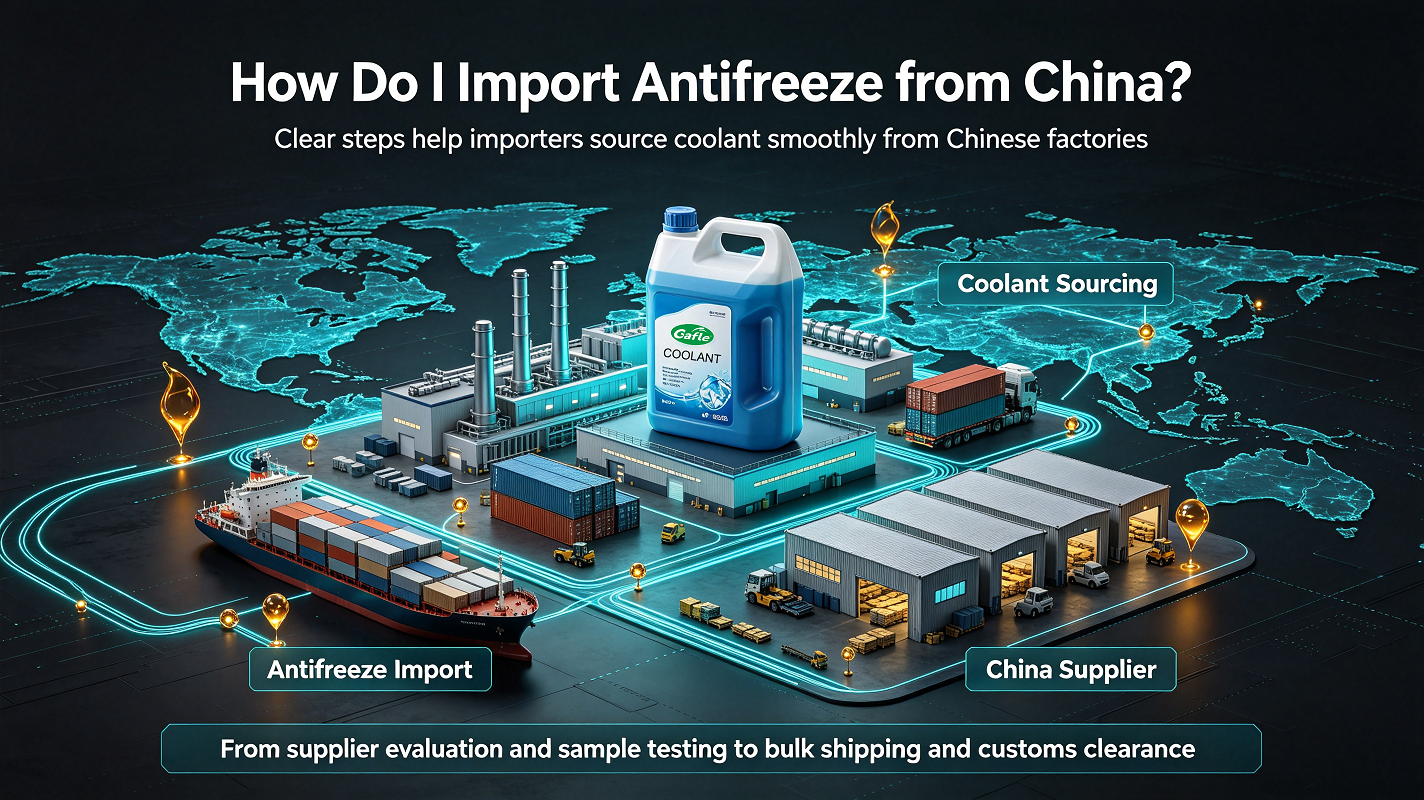
An ASTM D3306 Coolant Supplier should be able to move the conversation from a catalogue description to a traceable product proposal. For a B2B buyer, useful supplier responses include the exact product code, coolant form, relevant technical specification, supporting data, packaging options, production or sourcing responsibility, batch-control approach, required MOQ, and documents available for the shipment.
The supplier should also be clear about what it cannot claim. A company-level quality certificate is not the same as ASTM D3306 product evidence; an internal technical specification is not the same as a third-party test report; and ASTM D3306 performance should not automatically be presented as an approval from a vehicle manufacturer. Buyers should ask each supplier to state precisely what supports the claim that appears on the quotation or proposed private-label artwork.
Product Testing Should Be Connected to the Exact SKU
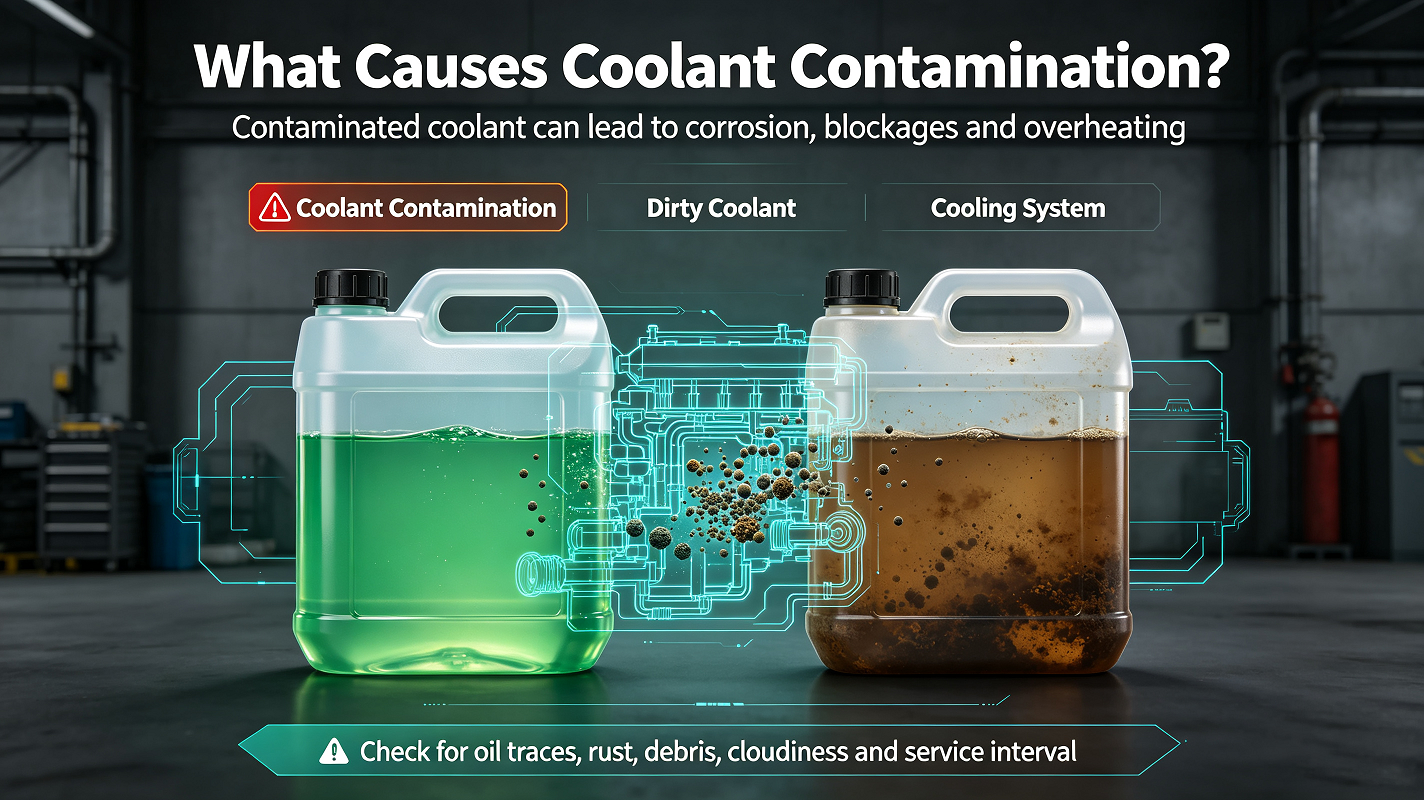
When reviewing coolant test evidence, first verify the sample identity. The report, technical data sheet, approved sample, production code, and purchase order should all point to the same product or clearly documented formulation revision. A report with an attractive list of test items has limited purchasing value if the buyer cannot connect it to the fluid being supplied.
The next question is test scope. Coolant qualification may involve physical, chemical, corrosion, stability, and application-related performance checks, but buyers should not assume that every qualification test is repeated on every production lot. Ask which tests support the original product qualification, which are routinely used to release production batches, what limits apply, and what records are retained. This distinction turns “tested coolant” into a quality-control system that purchasing teams can actually evaluate.
Batch Consistency Is More Important Than One Good Sample
A development sample can show that a supplier is capable of producing an acceptable fluid once. B2B buyers need evidence that the approved product definition can be reproduced across future orders. That requires control of raw materials, formulation revision, blending, water quality where applicable, production conditions, filling, packaging, batch identification, inspection, and change management.
For repeat business, the buyer should agree on the product code, specification revision, approved reference sample or data set, routine release controls, packaging revision, and notification rules for material or process changes. If a formulation is modified after the first order, the supplier and buyer should decide whether technical documentation, testing, label claims, or customer approvals need to be reviewed again. This is particularly important for distributors building a product line that may remain in the market for several years.
How to Build an OEM ASTM D3306 Coolant Program
An OEM ASTM D3306 Coolant project should begin with the fluid specification and only then move into bottle design and brand presentation. A buyer can define the target market, standard requirement, concentrate or prediluted format, intended climate, packaging sizes, label languages, carton design, barcode, and brand positioning. The manufacturer can then evaluate which existing formulation or development route is appropriate.
GAFLE lists OEM within its current antifreeze/coolant offering, and its Antifreeze OEM guide describes product and packaging discussions that can include formulation, concentration, color, bottle, cap, label, carton, and local-language requirements. For an ASTM-focused project, however, the buyer should not approve the final label until the product-specific evidence supporting the ASTM D3306 wording has been confirmed.
A practical OEM workflow is: define the technical requirement, identify the proposed coolant, review supporting documents, approve the product sample, freeze technical claims, approve packaging components, approve artwork, confirm batch inspection requirements, release production, and retain the final specification for repeat orders. Treating artwork as the first project step increases the risk that technical statements will need to be corrected later.
Private Label Claims Need Technical Approval Before Printing
Private-label buyers carry the commercial risk of the finished label. If the distributor's own brand states ASTM D3306, the buyer should know which document supports that statement and which exact product it covers. The marketing team should not expand a technical result into unsupported phrases such as “approved for all cars,” “compatible with every coolant,” or “meets every OEM specification.”
The artwork review should therefore include the product name, standard claims, concentration or usage instructions, warnings, local-language text, manufacturer/importer information, barcode, lot-code area, and other market-specific information. GAFLE's Label service can be incorporated into a wider packaging discussion, but responsibility for market-specific label compliance should be agreed during the project rather than assumed.
How to Control a Bulk ASTM D3306 Coolant Order
A Bulk ASTM D3306 Coolant order introduces commercial and operational risks that may not appear during sample approval. Large volumes magnify small inconsistencies in specification, color, concentration, packaging, closure integrity, coding, carton printing, palletization, and shipment planning. Before mass production, the purchase order should reference the approved fluid, packaging revision, quantity, quality requirements, documentation, and delivery conditions.
Bulk supply can mean different things to different buyers. One distributor may mean thousands of retail bottles, another may require drums or larger containers for workshop or repacking use, and another may want multiple branded SKUs in the same shipment. Those are different production and logistics projects. GAFLE's bulk antifreeze supplier guide and bulk order guide can help buyers structure the discussion around product configuration, packaging, documentation, and repeat-order requirements.
MOQ and Lead Time Should Be Quoted Against the Exact Configuration
There is little value in publishing one universal coolant MOQ or lead time because the final requirement may involve stock packaging, custom bottles, printed labels, cartons, multiple languages, concentrate, prediluted coolant, or several SKUs. Buyers should ask the supplier to explain what drives the minimum order quantity and which project milestones affect the schedule.
Separate product availability, sample preparation, technical approval, artwork approval, packaging procurement, production scheduling, inspection, and shipment preparation. A four-week production statement is not useful if the project spends six weeks waiting for artwork or custom packaging before that production period begins. For planning purposes, ask which approvals are the buyer's responsibility and which date officially starts the production lead time.
Bulk Price Should Be Compared on a Like-for-Like Basis
An attractive price per litre can hide major differences in product configuration. Compare suppliers only after confirming the same coolant specification, concentration, package size, packaging quality, label requirements, carton configuration, order quantity, documentation, Incoterm, and destination.
| Cost Area | Questions for B2B Buyers |
|---|---|
| Coolant | Are suppliers quoting the same technical configuration? |
| Concentration | Is the price for concentrate or ready-to-use coolant? |
| Packaging | Are bottle, closure, label and carton equivalent? |
| Customization | Are artwork, molds or special packaging charged separately? |
| Testing | Are additional project-specific tests included? |
| Documentation | Which reports and shipment documents are provided? |
| Logistics | What pallet and container configuration is assumed? |
| MOQ | Is the minimum per SKU, color, package or entire order? |
| Inventory | Will custom packaging create unused stock after the order? |
| Change risk | What happens if the specification or artwork changes? |
The lower quotation is not automatically the lower-cost project if it creates higher inspection, rework, relabeling, complaint, or inventory risk.
ASTM D3306 Is Not a Universal Heavy-Duty Coolant Specification
B2B buyers should define the service category before asking for ASTM D3306. Passenger and light-duty applications can have different requirements from heavy-duty diesel engines, commercial fleets, industrial machinery, and specialized thermal-management systems. If the buyer serves several segments, each should have its own product-selection logic.
This is particularly relevant to a supplier such as GAFLE because its coolant portfolio extends beyond conventional engine coolant into energy-vehicle and thermal-management categories. A buyer should not take an ASTM D3306 requirement from a passenger-car product and automatically transfer it to a battery thermal-management or other liquid-cooling product without a separate technical review.
How Should Buyers Evaluate the Manufacturer Behind the Coolant?
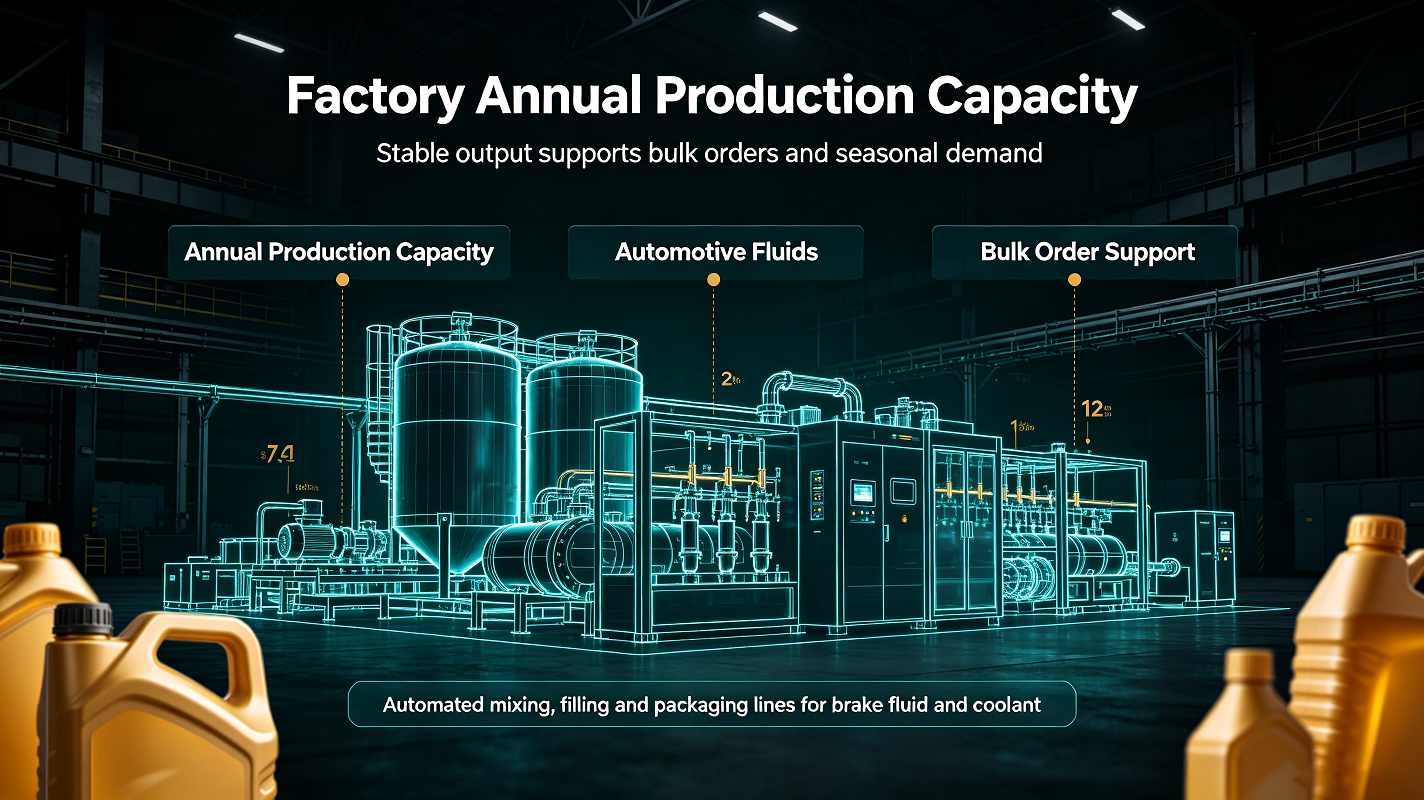
Supplier due diligence should cover both product evidence and company capability. Review whether the manufacturing entity can clearly identify the product, control the specification, manage repeat production, provide traceability, support export documentation, handle packaging customization, and respond to technical issues. Buyers can review GAFLE's About Us page as part of initial company due diligence, but current certifications and their scopes should still be verified before being used as evidence in a purchasing decision or reproduced in customer materials.
Factory scale alone does not establish product compliance. Likewise, a technical report alone does not demonstrate reliable mass production. The stronger evaluation combines formulation evidence, production controls, quality records, commercial execution, and the ability to reproduce the approved order.
What Documents Should B2B Buyers Request?
The exact document package depends on the market and project, but a buyer may need a product specification, technical data sheet, safety data sheet, test evidence relevant to the required standard, batch or certificate-of-analysis information where agreed, packaging specification, label artwork, and export documents. Do not simply request “all certificates.” Define what each document is expected to prove.
GAFLE's Download Center can be used as a resource entry point, while project-specific files should be confirmed directly with the supplier. For ASTM D3306 sourcing, the most important issue is that the evidence identifies the proposed product and is appropriate for the technical claim being made.
What Should You Send an ASTM D3306 Coolant Manufacturer for a Quote?
A useful RFQ should contain the destination market, passenger/light-duty application, required ASTM D3306 specification, any additional OEM or local requirements, concentrate or premixed preference, target climate or freeze-protection requirement, packaging size, bottle or bulk-container preference, label language, initial order volume, forecast annual volume, private-label requirements, required documents, destination port or delivery location, and requested timeline.
If some technical details have not yet been decided, send the vehicle market, climate, customer channel, and existing product requirement first. This gives the manufacturer a much better basis for proposing a coolant than a message such as “send your best coolant price.” Buyers considering GAFLE can submit these requirements through the Contact Us page.
Frequently Asked Questions About ASTM D3306 Coolant Sourcing
1. What is ASTM D3306 coolant?
ASTM D3306 is used as a technical reference for glycol-base engine coolant intended for automotive and light-duty cooling-system service. Buyers should still confirm the exact coolant formulation, concentration, product evidence, and vehicle requirements rather than treating the standard designation as a complete application guide.
2. Does ASTM D3306 mean a coolant is approved by every vehicle manufacturer?
No. An ASTM performance specification and a vehicle-manufacturer approval are different forms of evidence. If a buyer requires a specific OEM approval or vehicle specification, it should be listed separately in the RFQ and verified independently for the proposed product.
3. How do I verify an ASTM D3306 Coolant Manufacturer?
Ask for the exact product code, technical specification, supporting test evidence, manufacturing and batch-control information, traceability process, packaging specification, and change-control policy. Make sure reports and claims correspond to the same product being quoted.
4. What should I ask an ASTM D3306 Coolant Supplier before ordering?
Confirm the coolant format, product identification, required technical evidence, package sizes, MOQ, lead time, batch documents, private-label scope, destination-market requirements, and how future formulation or packaging changes will be communicated.
5. Can I order OEM ASTM D3306 Coolant under my own brand?
Private-label and OEM coolant projects can be developed when the manufacturer can supply an appropriate product and support the required packaging. The ASTM D3306 claim should be connected to product-specific evidence before it is printed on the buyer's label.
6. What does Bulk ASTM D3306 Coolant mean?
It can refer either to high-volume orders of finished retail packages or to larger workshop, drum, or industrial-style containers. Buyers should define the required package and handling format because “bulk” alone does not specify how the coolant will be supplied.
7. Should I buy concentrate or prediluted ASTM D3306 coolant?
The decision depends on the market, customer type, logistics, dilution control, and product positioning. Concentrate gives more flexibility, while prediluted coolant can simplify end-use preparation. Compare the total supply chain rather than only price per litre.
8. Can coolant color confirm ASTM D3306 compatibility?
No. Color is not sufficient evidence of coolant chemistry, application, or compliance. Use the product specification, technical documents, and vehicle requirements to make the purchasing decision.
9. What affects the MOQ for a private-label coolant order?
The fluid configuration, bottle or container, cap, label, carton, number of SKUs, languages, customization, and production planning can all affect MOQ. Buyers should request a quotation for their exact configuration instead of assuming one standard minimum.
10. What is the biggest risk when buying ASTM D3306 coolant in bulk?
One of the biggest risks is an undefined product specification. If the approved sample, test evidence, production code, packaging, and purchase order do not describe the same configuration, repeat orders can drift from what the buyer originally approved. A controlled specification and change process reduce that risk.
Conclusion
Selecting an ASTM D3306 Coolant Manufacturer is fundamentally a product-qualification and supply-chain decision. B2B buyers should verify that the proposed coolant is identifiable, that the ASTM-related claim is supported by evidence for that product, and that formulation control, batch testing, packaging, traceability, and change management can support repeat orders. The same discipline applies when qualifying an ASTM D3306 Coolant Supplier, developing an OEM ASTM D3306 Coolant private-label line, or planning a Bulk ASTM D3306 Coolant purchase. GAFLE's Antifreeze/Coolant range, OEM resources, and bulk-sourcing content provide relevant starting points for a B2B evaluation, but the exact product specification, supporting test documents, MOQ, packaging, and delivery conditions should be confirmed for each project. To prepare an accurate quotation, send your required standard, target vehicle market, coolant format, packaging, branding, quantity, documentation, destination, and timeline through GAFLE Contact Us.