What Defines High Quality Engine Coolant?
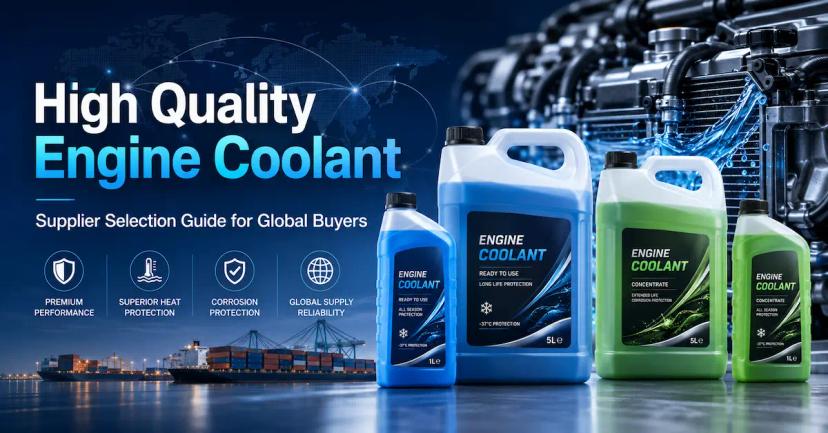
For professional automotive buyers, high quality engine coolant is not simply a product with a low freezing point or attractive packaging. A reliable coolant must provide stable thermal performance, protect engine components, maintain chemical stability, and remain consistent across repeated production batches.
For importers, distributors, fleet suppliers, and automotive brands, choosing the right coolant supplier directly affects:
- Product reliability
- Customer satisfaction
- Warranty risk
- Brand reputation
- Repeat purchasing
- Long-term market development
A high-quality engine coolant should balance multiple performance requirements:
- Efficient heat transfer
- Freeze protection
- Boiling protection
- Corrosion resistance
- Material compatibility
- Chemical stability
- Long service life
- Consistent manufacturing quality
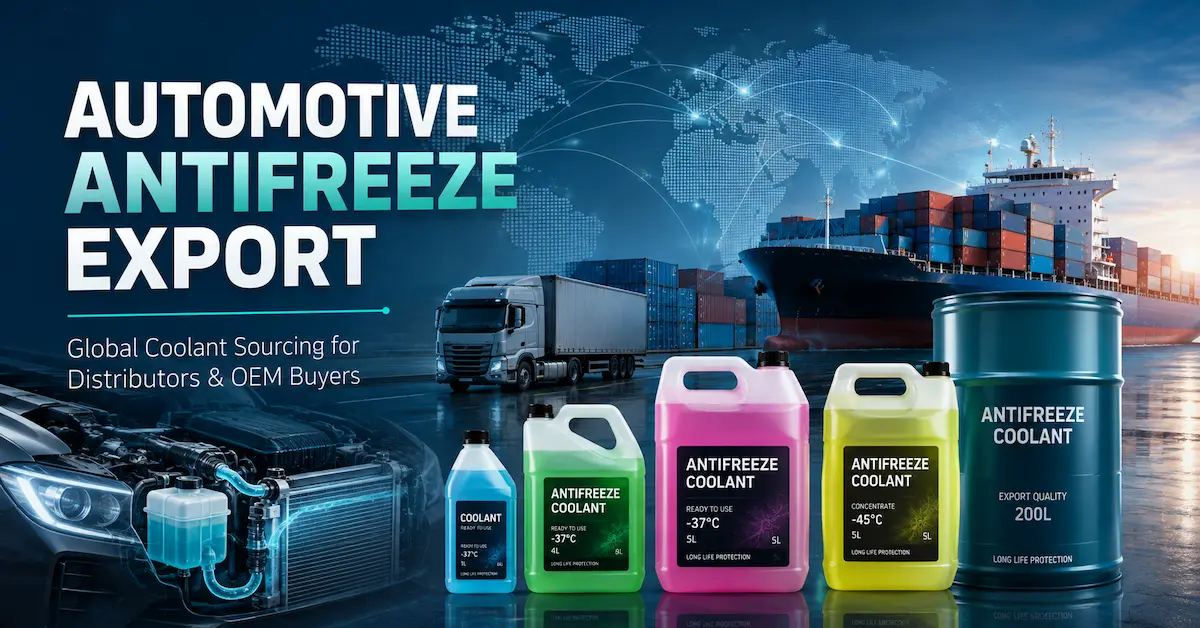
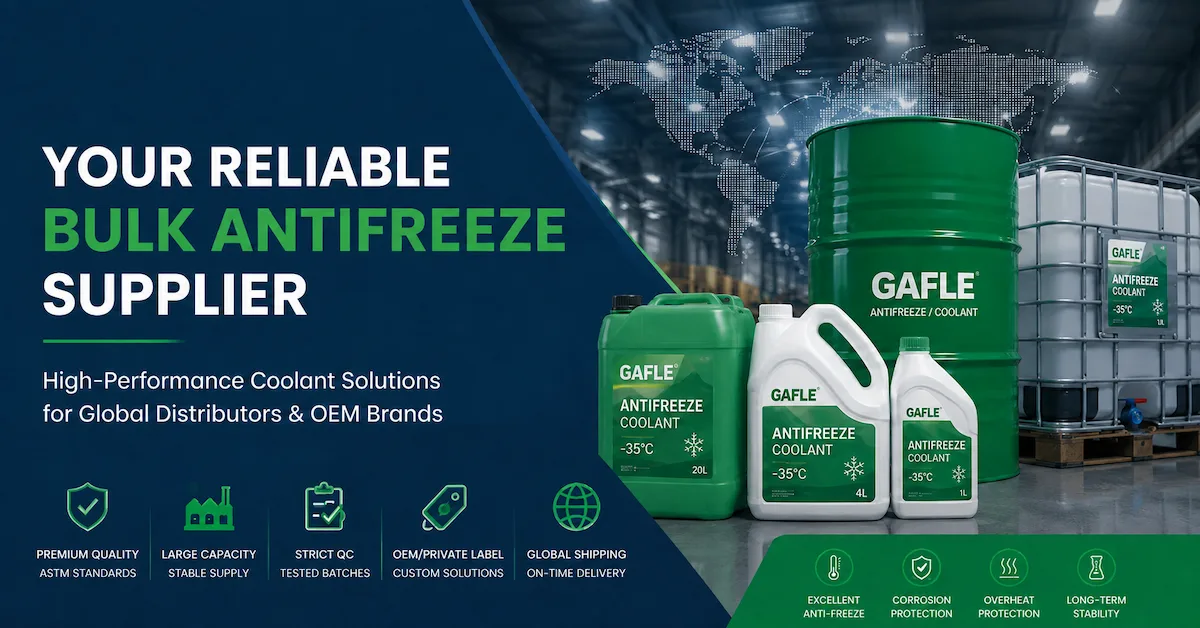
GAFLE's Antifreeze/Coolant product portfolio includes automotive coolant solutions, OEM options, energy vehicle coolant, and thermal-management coolant products designed for different market applications. (gafledp.com)
For B2B buyers, the question should not only be:
“Is this coolant cheap?”
The more important question is:
“Can this coolant consistently protect engines and support my customers' requirements?”
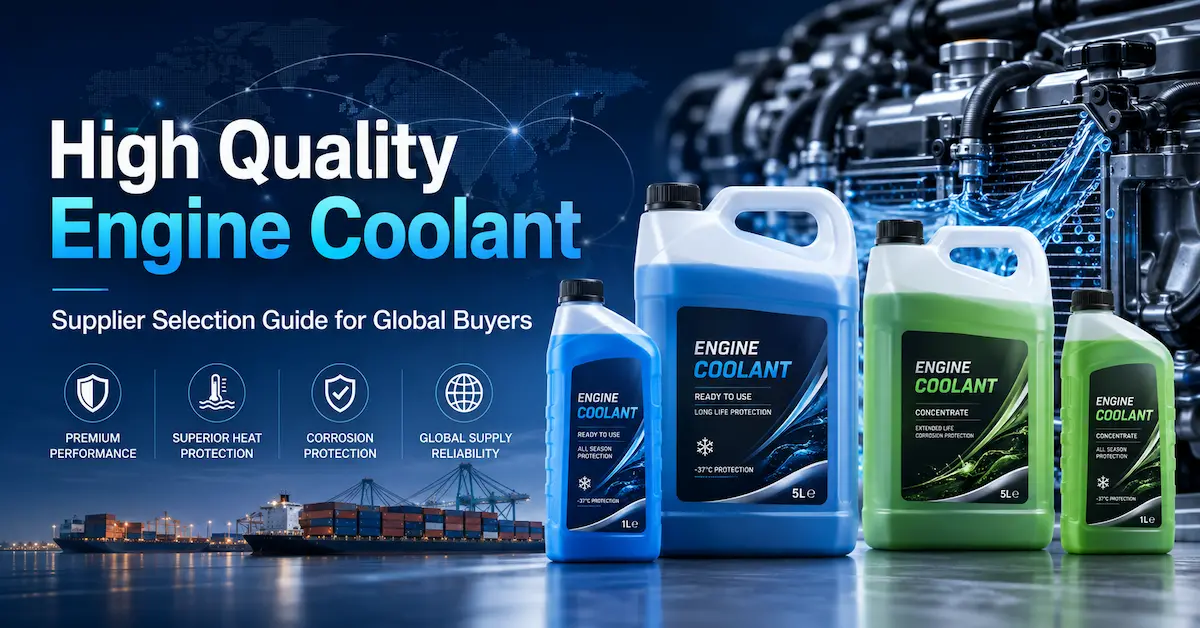
Why Engine Coolant Quality Matters for Global Buyers
Engine coolant operates in one of the most important systems inside a vehicle: the cooling system.
Its main responsibility is maintaining engine temperature within a safe operating range.
A poor-quality coolant may create problems such as:
- Reduced heat transfer efficiency
- Corrosion inside cooling systems
- Deposit formation
- Cooling-system component damage
- Increased maintenance requirements
- Customer complaints
For distributors and automotive brands, these problems create additional costs beyond the original purchase price.
A professional coolant purchasing decision should therefore consider the complete product lifecycle:
Product specification → Manufacturing quality → Transportation → Customer application → Long-term performance
Who Needs High Quality Engine Coolant?
High-quality coolant is especially important for businesses that supply automotive maintenance products.
Automotive Coolant Importers
Importers need suppliers that can provide:
- Stable production
- Export documentation
- Technical information
- Consistent quality
- Competitive supply capability
Their challenge is not only finding a product but building a reliable supply chain.
Automotive Parts Distributors
Distributors usually require coolant products that match their existing customer base.
Important factors include:
- Product range
- Packaging options
- Brand support
- Technical documents
- Repeat-order stability
A distributor may need different coolant solutions for passenger cars, commercial vehicles, and workshop customers.
Private Label Automotive Brands
Many automotive brands choose OEM coolant manufacturing because it allows them to create their own product line without investing in production facilities.
Typical requirements include:
- Product specification selection
- Packaging customization
- Label design
- Brand identity
- Market-specific information
- Long-term supply planning
Fleet and Heavy-Duty Suppliers
Fleet operators and commercial vehicle suppliers often require coolant products with reliable performance under demanding conditions.
Applications include:
- Trucks
- Buses
- Construction equipment
- Agricultural machinery
- Mining vehicles
For these customers, coolant reliability directly affects vehicle uptime and maintenance costs.
Key Technical Factors of High Quality Engine Coolant
1. Freeze Protection Performance
One of the primary functions of coolant is preventing freezing in cold environments.
A professional coolant supplier should provide clear information about:
- Freezing point
- Concentration ratio
- Recommended operating conditions
- Climate suitability
However, freeze protection is only one part of coolant performance.
A product with excellent low-temperature protection but poor corrosion resistance may not provide complete cooling-system protection.
2. Heat Transfer Capability
Engine coolant must transfer heat efficiently from the engine to the radiator.
Important factors include:
- Coolant composition
- Thermal properties
- Fluid stability
- Proper concentration
The correct coolant helps maintain engine operating temperature during:
- Daily driving
- Heavy loads
- Long-distance operation
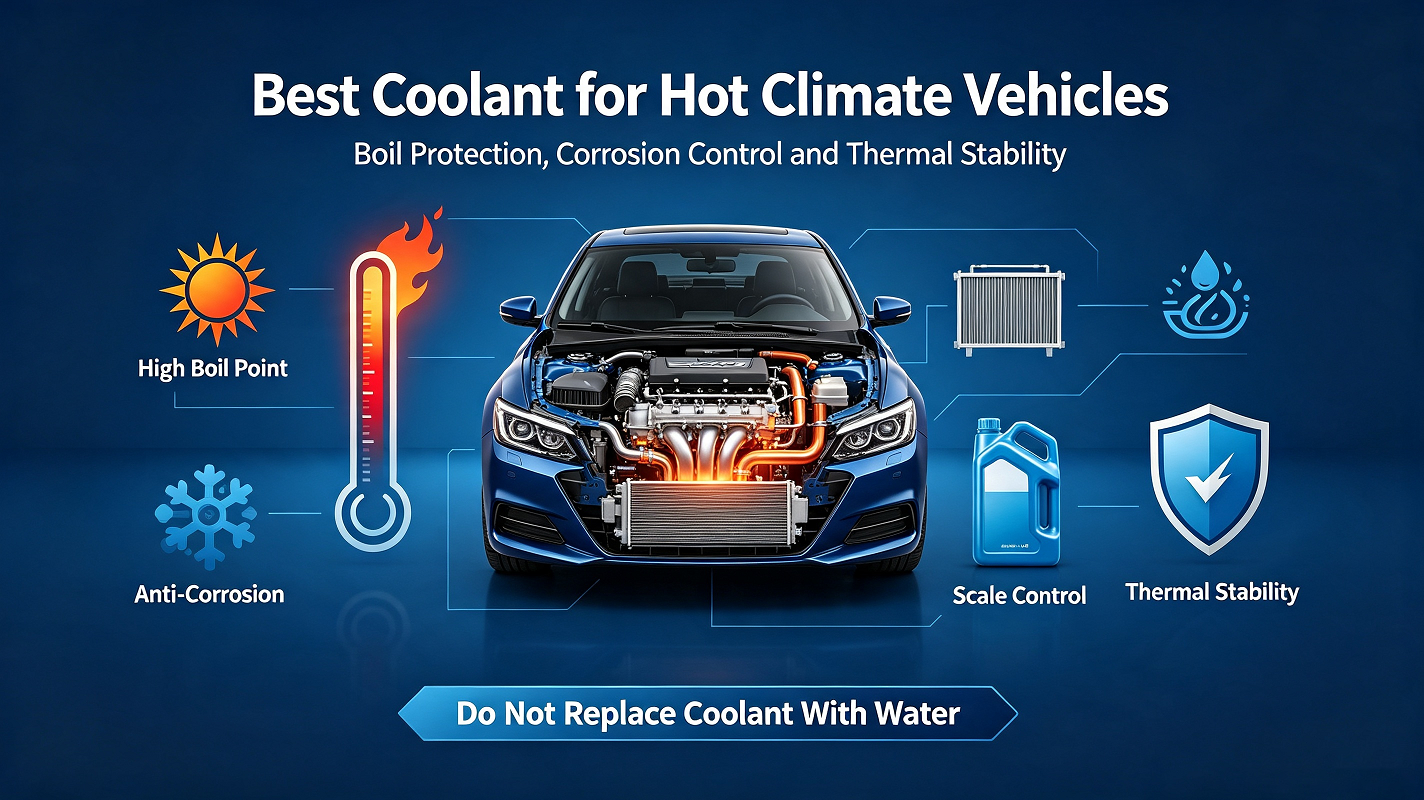
- High-temperature environments
3. Corrosion Resistance
Cooling systems contain different metal components, including:
- Aluminum
- Steel
- Copper
- Brass
A high-quality coolant should help protect these components from corrosion.
Corrosion protection is especially important for:
- Long service intervals
- Commercial vehicles
- Fleet applications
- Modern engines using lightweight materials
4. Chemical Stability
A reliable coolant should maintain stable performance over time.
Important considerations include:
- pH stability
- Additive stability
- Resistance to degradation
- Compatibility with cooling-system materials
For OEM and private-label buyers, chemical stability also affects whether future production batches can match approved samples.
5. Compatibility With Vehicle Systems
Different vehicles may require different coolant technologies.
Common coolant technologies include:
- IAT (Inorganic Acid Technology)
- OAT (Organic Acid Technology)
- HOAT (Hybrid Organic Acid Technology)
Buyers should not select coolant only based on color.
A coolant's appearance does not automatically define:
- Chemistry
- Compatibility
- Performance level
- Vehicle suitability
Professional buyers should confirm technical specifications before selecting a product.
Engine Coolant Standards and Specifications
When purchasing coolant internationally, buyers often evaluate products according to industry standards.
For example:
ASTM D3306 for Light-Duty Applications
ASTM D3306 covers glycol-based engine coolants for automobiles and other light-duty cooling systems.
It includes requirements related to coolant performance and recognizes both concentrated and prediluted coolant formats. (ASTM D3306)
Applications may include:
- Passenger vehicles
- Light trucks
- Automotive aftermarket products
ASTM D6210 for Heavy-Duty Applications
ASTM D6210 covers fully formulated glycol-based engine coolants for heavy-duty engines.
It addresses requirements related to:
- Corrosion protection
- Cavitation protection
- Freeze protection
- Boiling protection
This distinction is important for suppliers serving:
- Truck fleets
- Construction equipment
- Industrial vehicles
- Agricultural machinery
A professional coolant manufacturer should help buyers select the appropriate product category rather than supplying one generic formula for every application.
High Quality Engine Coolant for Different Applications
Passenger Vehicles
Passenger vehicles typically require coolant solutions focused on:
- Reliable temperature control
- Corrosion protection
- Long-term stability
- Compatibility with modern engines
Target customers include:
- Auto-parts distributors
- Retail automotive brands
- Repair networks
Commercial Trucks and Fleet Vehicles
Heavy-duty vehicles often operate under:
- High mileage
- Heavy loads
- Long operating hours
- Extreme environments
Fleet suppliers usually prioritize:
- Product consistency
- Maintenance reliability
- Bulk supply capability
- Documentation support
Electric Vehicles and Thermal Management
As electric vehicles expand, coolant requirements are also evolving.
EV thermal-management systems may require specialized cooling solutions for:
- Battery temperature control
- Electronic components
- Thermal stability
GAFLE currently lists energy vehicle coolant and battery thermal-management coolant within its coolant product categories. (gafledp.com)
For EV-related applications, buyers should confirm product-specific technical requirements before selecting coolant solutions.
How to Evaluate a High Quality Engine Coolant Supplier
Selecting a coolant supplier requires evaluating more than product samples.
Manufacturing Capability
A reliable manufacturer should demonstrate:
- Production capacity
- Process control
- Quality management
- Product consistency
- Supply stability
According to GAFLE's current corporate information, Zhejiang Gafle Auto Chemical Co., Ltd. reports annual production capacity exceeding 80,000 tons across all product lines and provides OEM services for international brands. (gafledp.com)
Quality Control Process
A professional supplier should have controls covering:
Raw Material Inspection
Including:
- Material qualification
- Incoming inspection
- Storage control
- Traceability
Production Monitoring
Including:
- Formula control
- Mixing process
- Filling process
- Packaging inspection
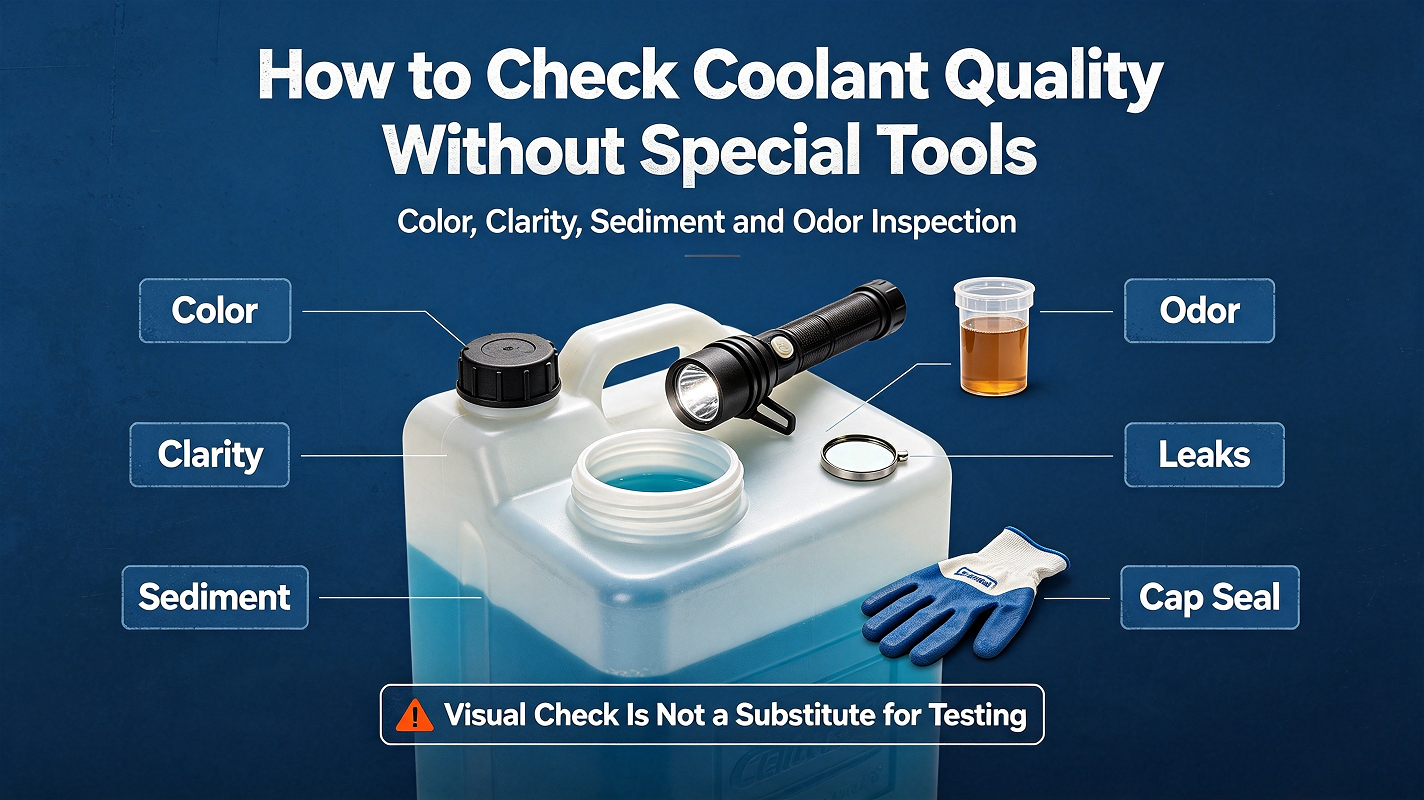
Laboratory Testing
Depending on the product specification, testing may include:
- Freezing point
- Physical properties
- Corrosion resistance
- Stability testing
- Compatibility testing
The exact testing requirements should match the intended application and market.
Documentation Support
International buyers often require:
- Technical Data Sheet (TDS)
- Safety Data Sheet (SDS/MSDS)
- Certificate of Analysis (COA)
- Product specification documents
- Packaging information
Complete documentation helps importers manage:
- Customs procedures
- Customer inquiries
- Technical communication
- Market compliance
OEM and Private Label High Quality Engine Coolant Solutions
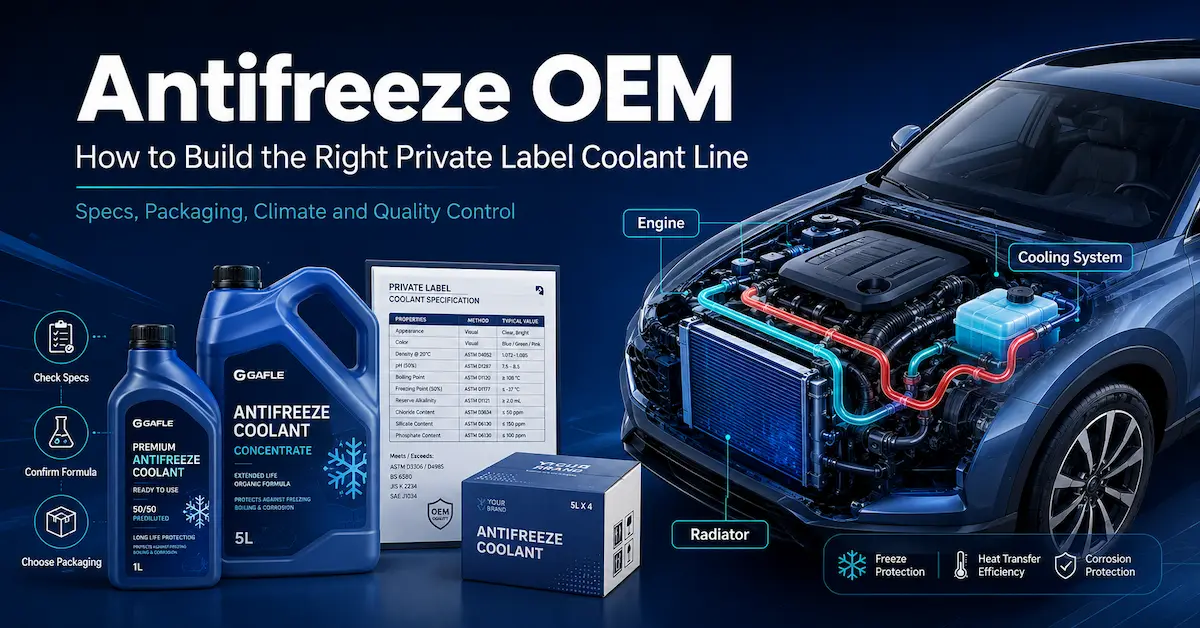
For brands building their own automotive chemical product line, OEM coolant manufacturing provides flexibility.
A professional OEM coolant program may include:
Product Customization
Possible discussions include:
- Coolant type
- Product concentration
- Application positioning
- Packaging format
- Market requirements
Packaging Customization
Including:
- Bottle design
- Cap selection
- Label artwork
- Carton design
- Language customization
Brand Development Support
Private-label buyers may need:
- Product positioning
- Technical documents
- Marketing materials
- Product information
GAFLE's current coolant information states that OEM/private-label coolant projects can include customization of formula, color, bottle, cap, label, carton, and packaging language. (gafledp.com)
High Quality Engine Coolant vs Low Quality Coolant
| Factor | High Quality Engine Coolant | Low Quality Coolant |
|---|---|---|
| Thermal performance | Stable heat management | Uncertain performance |
| Corrosion protection | Designed for component protection | Higher corrosion risk |
| Chemical stability | Consistent formulation | Possible degradation |
| Batch consistency | Controlled production | Variable quality |
| Documentation | Clear technical support | Limited information |
| Supplier support | Long-term cooperation | Transaction-focused |
For B2B buyers, the difference is not only product performance but also supply-chain reliability.
Common Mistakes When Buying Engine Coolant
Choosing by Color
Color can help identify products but should not replace technical evaluation.
Always confirm:
- Specification
- Chemistry
- Application
- Compatibility
Comparing Only Unit Price
A lower purchase price may create higher costs through:
- Product complaints
- Returns
- Replacements
- Customer dissatisfaction
Ignoring Packaging Requirements
Export markets often have different expectations for:
- Bottle size
- Language
- Label information
- Retail presentation
Packaging should be considered during supplier evaluation.
Selecting Without Technical Documents
Professional buyers should request appropriate documentation before placing large orders.
Why Choose GAFLE as a High Quality Engine Coolant Supplier?
Zhejiang Gafle Auto Chemical Co., Ltd. focuses on automotive chemical manufacturing, including brake fluid, antifreeze/coolant, refrigerant gas, and related automotive products.
Current company information highlights:
- More than 80,000 tons annual production capacity across all product lines
- OEM services for more than 90 international brands
- IATF 16949
- ISO 9001
- ISO 14001
- ISO 45001
For coolant buyers, GAFLE provides:
- Automotive coolant solutions
- OEM/private-label support
- Packaging customization
- International B2B cooperation
- Technical product support
Explore the complete GAFLE automotive product portfolio or review the Antifreeze/Coolant solutions for more information.
What Information Should Buyers Provide When Sourcing Engine Coolant?
To receive an accurate quotation, buyers should prepare:
- Target country
- Vehicle application
- Coolant type
- Required specification
- Concentrate or premix requirement
- Packaging size
- Annual demand estimate
- OEM/private-label requirements
- Required documents
- Delivery requirements
A detailed inquiry helps suppliers recommend a suitable product instead of offering a generic quotation.
FAQ About High Quality Engine Coolant
1. What makes engine coolant high quality?
High quality engine coolant should provide reliable heat transfer, freeze protection, corrosion resistance, chemical stability, and compatibility with cooling-system materials.
2. How do I choose a reliable engine coolant supplier?
Evaluate manufacturing capability, quality systems, technical documents, product range, OEM capability, and long-term supply stability.
3. Is expensive coolant always better?
Not necessarily. The correct coolant depends on vehicle application, specification, climate, and required performance rather than price alone.
4. Can engine coolant be customized for private-label brands?
Yes. OEM coolant manufacturers can support customization including packaging, labels, product specifications, and brand requirements.
5. What documents should coolant buyers request?
Common documents include TDS, SDS/MSDS, COA, product specifications, and relevant quality documents depending on market requirements.
6. What is the difference between coolant concentrate and ready-to-use coolant?
Concentrate requires controlled dilution before use, while ready-to-use coolant is factory prepared for direct application.
7. Can one coolant formula work for every vehicle?
No. Different vehicles, climates, and applications may require different coolant specifications.
8. Does coolant color determine quality?
No. Color alone does not determine coolant chemistry, compatibility, or performance.
9. Does GAFLE provide OEM coolant manufacturing?
Yes. GAFLE provides OEM and private-label coolant solutions for international B2B customers.
10. How can I request a high quality engine coolant quotation?
Provide your target market, application, required specification, packaging needs, and estimated order volume to allow accurate supplier evaluation.
Conclusion
Choosing a high quality engine coolant supplier requires evaluating technical performance, manufacturing capability, quality control, documentation, and long-term supply reliability.
For global distributors, importers, and automotive brands, the best coolant supplier is not simply the one offering the lowest price. It is the manufacturer that can consistently deliver suitable products, support market requirements, and provide reliable OEM cooperation.
GAFLE supports global B2B customers with automotive coolant solutions, OEM/private-label capabilities, and automotive chemical manufacturing experience.
Explore the GAFLE Antifreeze/Coolant range or contact GAFLE to discuss your engine coolant sourcing requirements.