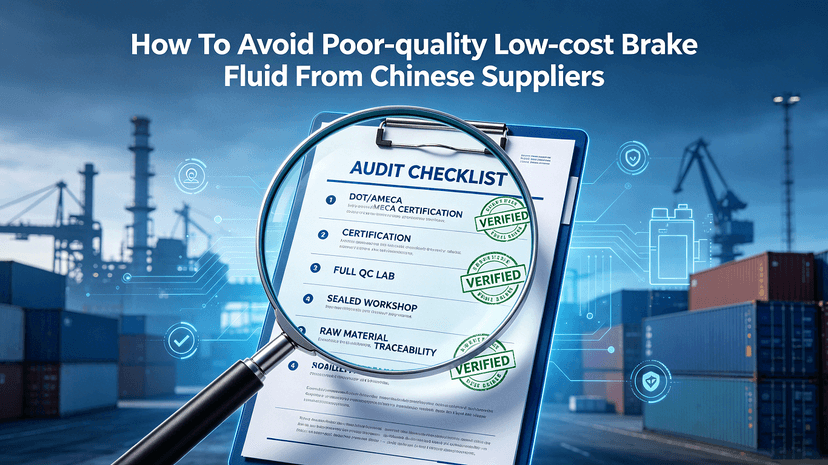
Global auto parts wholesalers, repair chain buyers and private-label OEM brand owners frequently encounter one painful problem: ultra-low-priced brake fluid from unknown small Chinese factories leads to catastrophic after-sale losses, including soft brakes, pipeline corrosion, port inspection failure and customer compensation claims. Many buyers are attracted by extremely low unit prices but ignore hidden quality defects in inferior low-cost brake fluid. This guide breaks down the typical traps of cheap substandard brake fluid and provides a full set of audit standards to help you filter reliable formal Chinese manufacturers and steer clear of low-quality products.
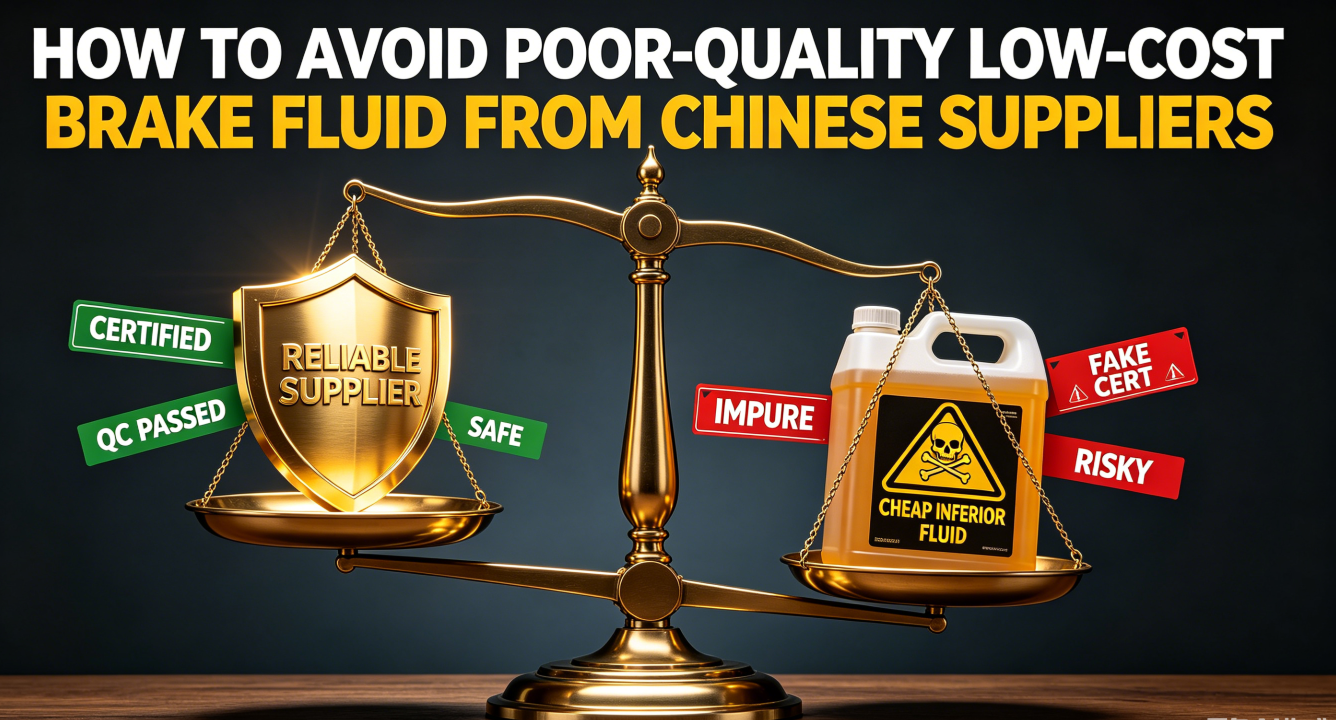
1. Hidden Hazards Of Cheap Inferior Brake Fluid
Small workshops cut production costs drastically by cutting corners on raw materials and testing standards, bringing 4 core fatal risks for downstream distributors:
1.1 Unqualified Boiling Point Triggering Brake Failure
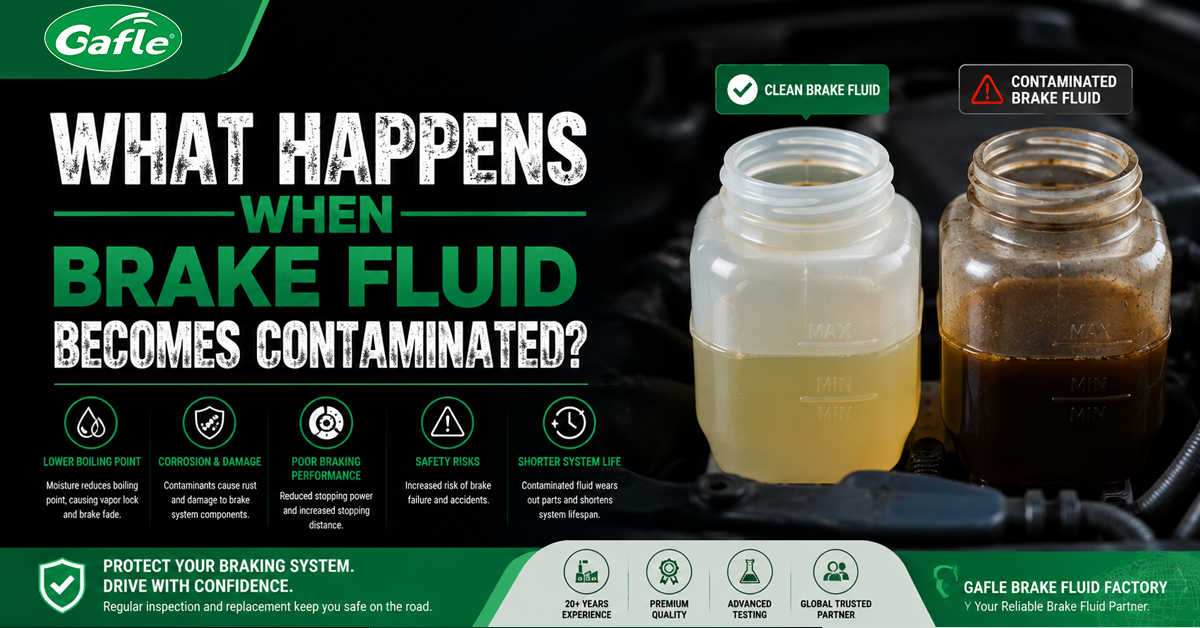
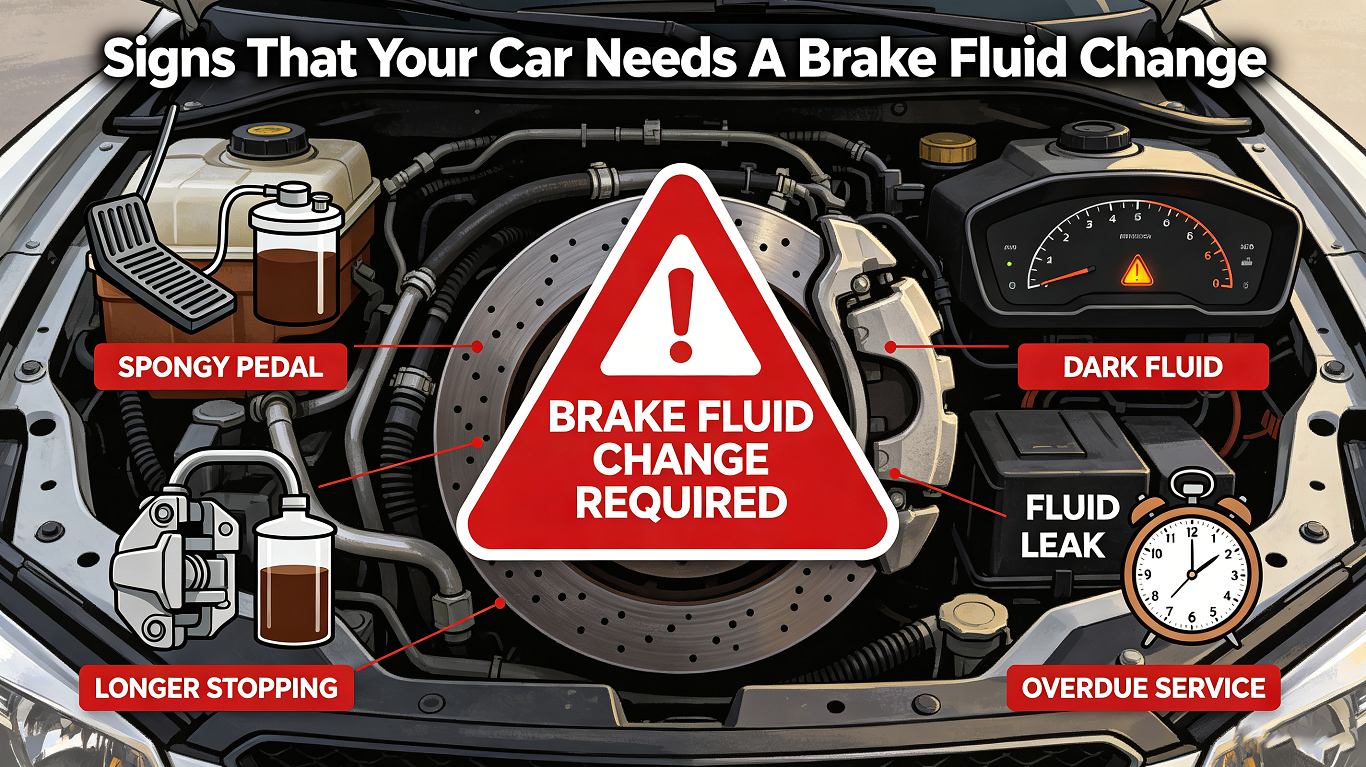
Cheap brake fluid replaces high-purity glycol ether base fluid with recycled industrial waste solvent, drastically reducing dry and wet equilibrium reflux boiling points. After absorbing moisture during long ocean shipping, vapor lock easily occurs during continuous heavy braking, resulting in a spongy brake pedal and extended stopping distance, which directly endangers driving safety.
1.2 Excess Low-temperature Viscosity For Cold Markets
Unformulated inferior fluid fails the -40℃ viscosity test, far exceeding the 1500 mm²/s upper limit of DOT3/DOT4 standards. In cold regions such as Russia, Northern Europe and Canada, the fluid thickens severely in winter, delaying hydraulic transmission and causing slow brake response.
1.3 Severe Metal Corrosion & Seal Swelling
Low-cost formulas omit sufficient anti-rust additives and rubber compatibility modifiers. After 6–12 months of vehicle use, the fluid corrodes brake calipers, master cylinders and steel pipelines, and causes nitrile rubber seals to crack or swell, leading to persistent brake fluid leakage.
1.4 Unstable Batch Consistency & No Traceability
Small workshops lack automatic blending equipment and independent laboratories. Every production batch has wildly fluctuating technical indicators, with no complete test records or sample retention. When quality complaints arise, suppliers cannot trace raw material batches or provide remedy solutions.
2. Common Marketing Traps Of Low-cost Brake Fluid Suppliers
Many unqualified manufacturers use misleading sales tactics to lure bulk buyers:
- Falsified certification documents: Forge SGS, DOT, AMECA test reports with fake serial numbers; documents fail verification when checked at destination customs.
- Concealed mixed waste solvent formula: Hide recycled solvent raw materials in negotiations, only disclosing cheap pricing while refusing to provide raw material incoming inspection records.
- Low-price trial batch bait: Offer ultra-cheap first trial orders with qualified samples, then switch to inferior raw materials for formal mass shipments to cut costs.
- Omit full lab testing: Only provide partial single-indicator test sheets instead of full-item QC reports covering boiling point, viscosity and water content.
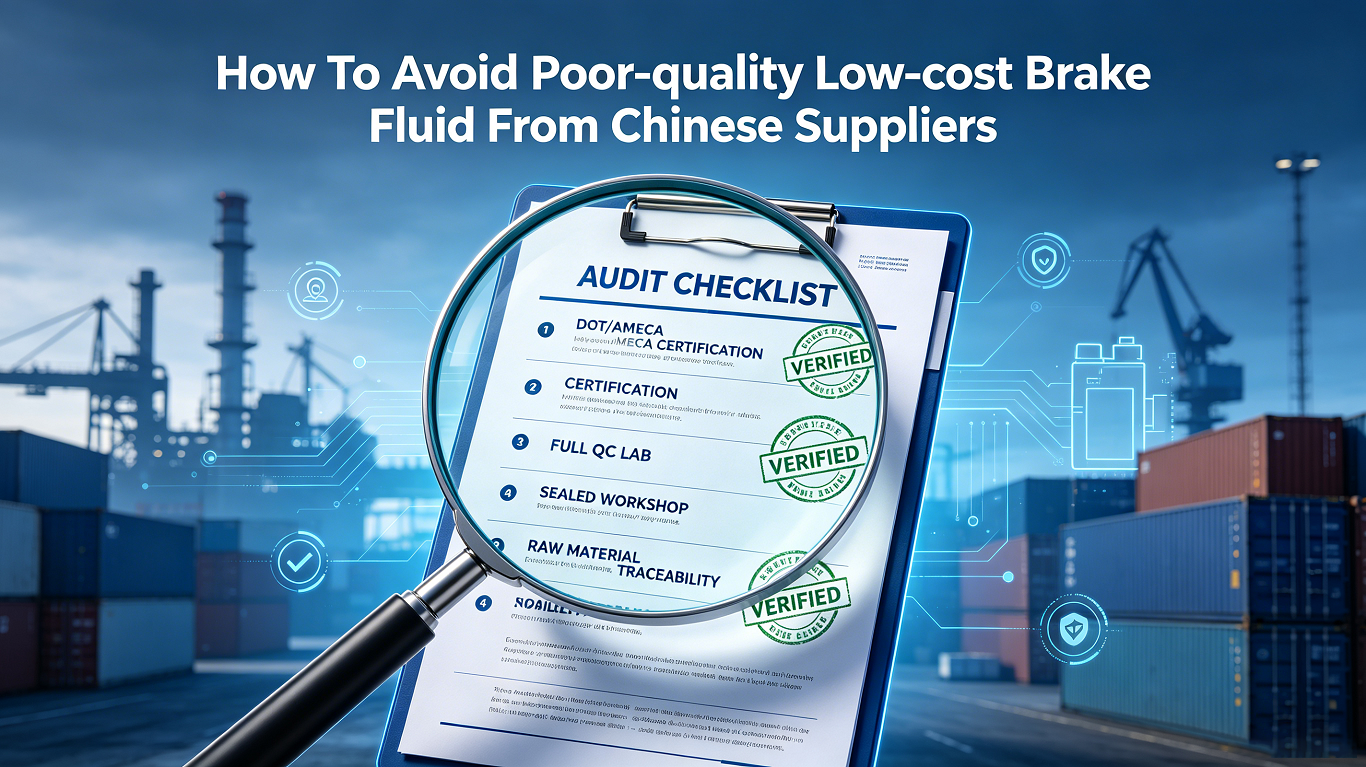
3. 6 Core Audit Standards To Filter Reliable Chinese Brake Fluid Factories
Before signing bulk purchase contracts, implement these strict supplier verification steps to eliminate low-quality risks fundamentally:
3.1 Qualification Document Full Verification
Request original official certificates and cross-check validity:
- GB12988 national production license;
- Authentic DOT registration certification traceable on the official U.S. DOT database;
- Third-party full-item SGS/AMECA/TUV test reports with unique report numbers verifiable online;
- Complete MSDS, flash point certificate and batch laboratory inspection records.
Reject suppliers who only supply blurred photos or forged certification copies.
3.2 Factory Production Hardware Inspection
Reliable manufacturers must own:
- Independent dust-free low-humidity sealed production workshops to control finished product water content below 0.2%;
- Fully automatic batching, filling and packaging production lines to eliminate manual formula weighing errors;
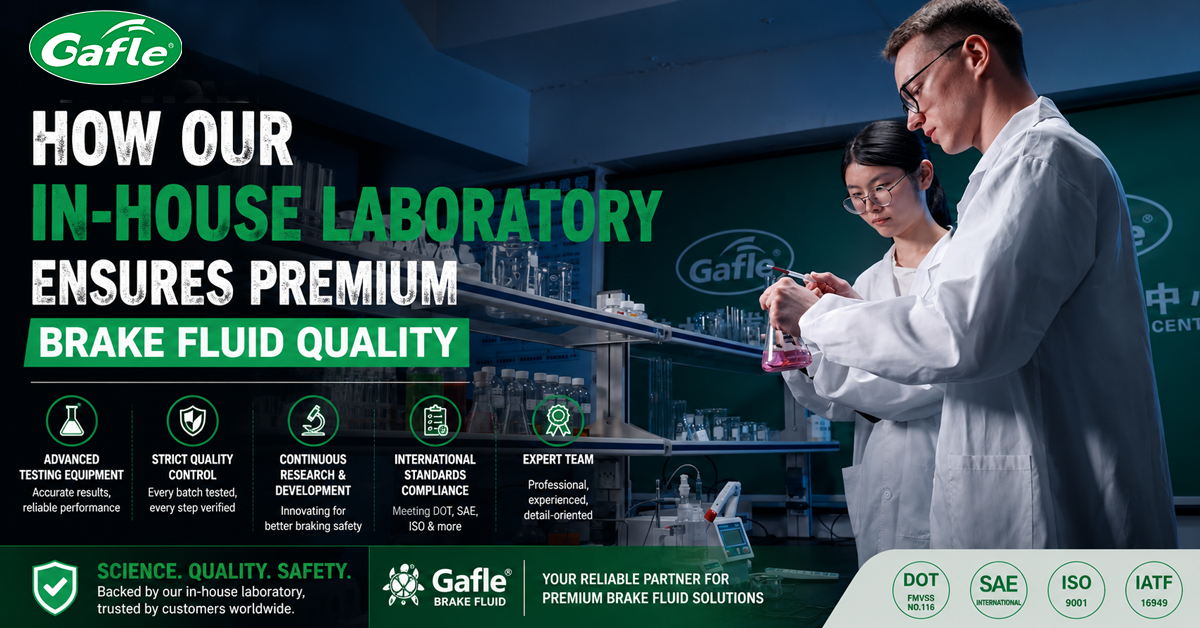
- Independent professional laboratories equipped with boiling point testers, capillary viscometers and Karl Fischer water analyzers for full-batch testing before delivery.
Arrange live factory tours or on-site visits to confirm production equipment if order volume is large.
3.3 Raw Material Source Traceability
Ask suppliers to provide long-term cooperation contracts with top-tier high-purity glycol ether raw material vendors. Reject manufacturers that source recycled waste solvents without complete purity inspection records. Formal factories store raw materials in sealed isolated tanks with incoming test records retained for 12 months.
3.4 Batch Sample Testing Mechanism
Add a contractual clause requiring pre-shipment third-party sample testing: collect random samples from finished pallet goods before container loading and send them to independent labs to verify all core technical indicators. If test results fail standards, the supplier must re-produce goods and bear all logistics losses.
3.5 After-sales Compensation Terms
Sign clear liability clauses in the sales contract: if substandard brake fluid leads to customs detention, customer refunds or safety accidents, the supplier shall take full responsibility for replenishment, compensation and all incurred freight and fine costs. Small low-cost workshops usually refuse to sign quality compensation agreements.
3.6 Target Market Customer Case Verification
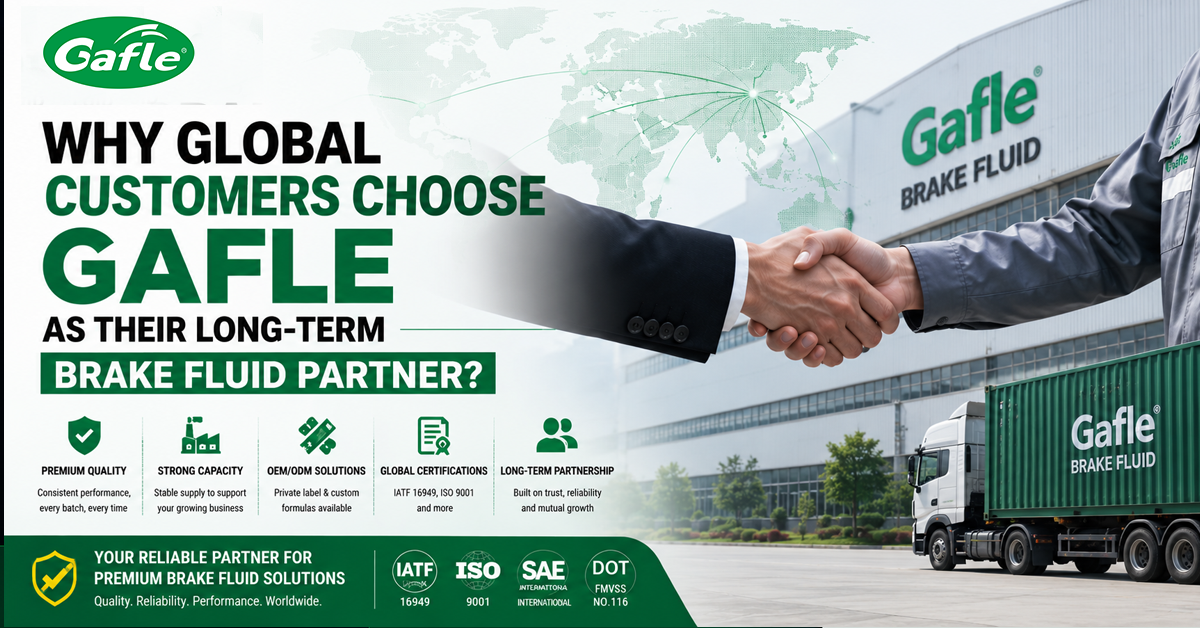
Request long-term cooperative distributor cases in your target export regions (Southeast Asia, South America, Europe, Russia). Formal manufacturers can provide stable bulk order cooperation records spanning multiple years, while low-cost small factories lack mature overseas client references.
4. Reasonable Price Range Reference To Avoid Excessively Low Bids
Standard export-grade DOT4 glycol brake fluid has fixed raw material cost thresholds. Any quotation far below the industry average price must raise major red flags:
- Ultra-low prices 30%+ below mainstream market levels inevitably rely on recycled waste solvent raw materials and omitted testing procedures.
- Reasonable pricing corresponds to full lab testing, automatic production, leak-proof export packaging and complete certification document support. Do not sacrifice long-term brand reputation for tiny short-term profit margins.
Final Summary
Avoiding poor-quality low-cost brake fluid from Chinese suppliers relies on comprehensive factory qualification audits, hardware verification, raw material traceability and binding contractual quality clauses. As a GB12988 national standard drafting manufacturer with complete DOT, AMECA, SGS and TUV certifications, GAFLE implements full closed-loop quality control from raw material inspection to finished container loading, eliminating all hidden quality risks for global bulk and OEM partners. Prioritize standardized, certified factories rather than chasing untrustworthy ultra-low-cost quotations.
Welcome to contact GAFLE for more information & cooperation!
peter
ZHEJIANG GAFLE AUTO CHEMICL CO.,LTD
Tel:86-579-8222 1665
Fax:86-579-8246 4690
Cel/Wechart:86-13335993986
E-mail:peter@gafle.net
Web:www.gafle.net
peter
ZHEJIANG GAFLE AUTO CHEMICL CO.,LTD
Tel:86-579-8222 1665
Fax:86-579-8246 4690
Cel/Wechart:86-13335993986
E-mail:peter@gafle.net
Web:www.gafle.net