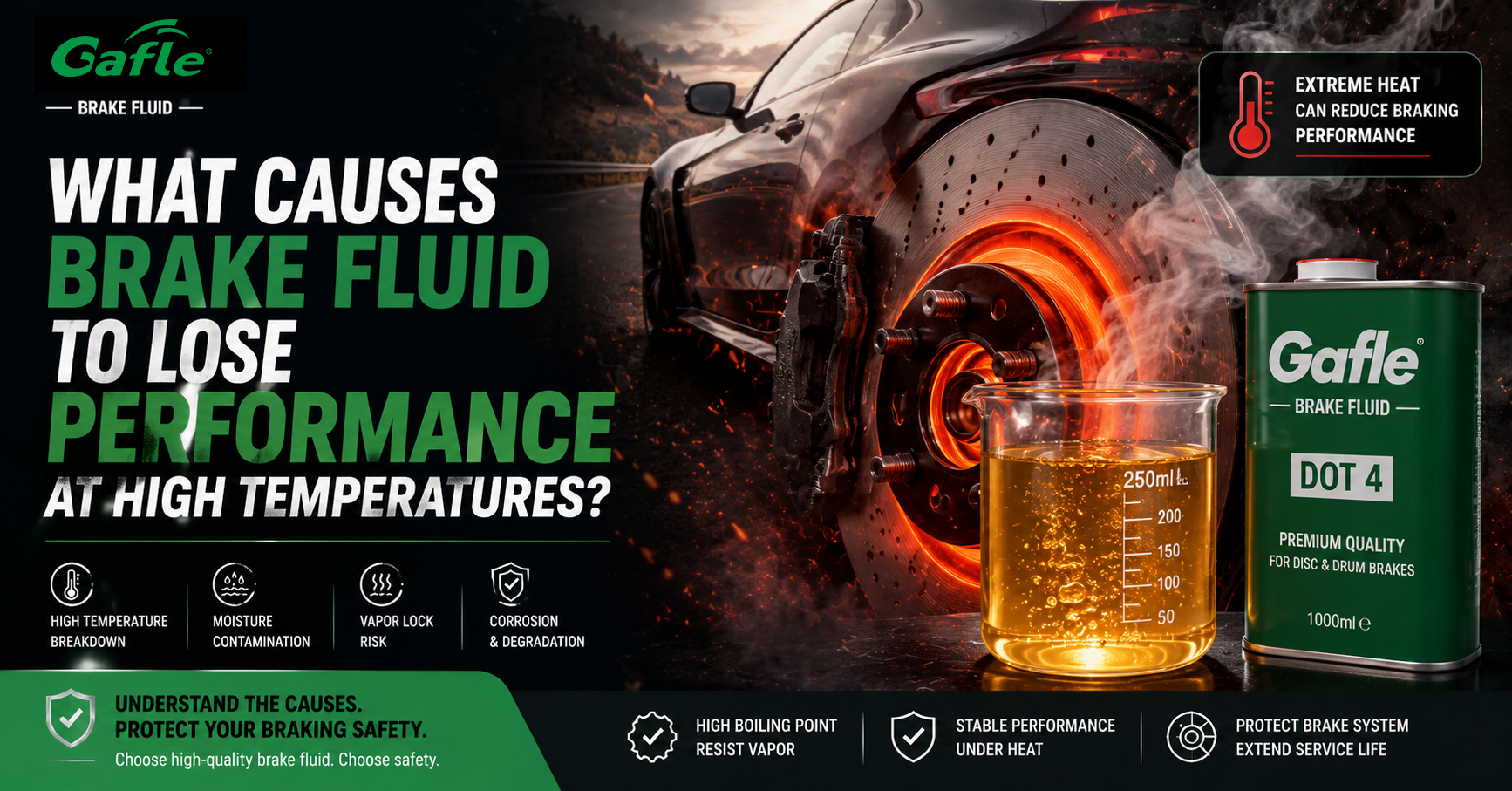
 What Causes Brake Fluid to Lose Performance at High Temperatures?
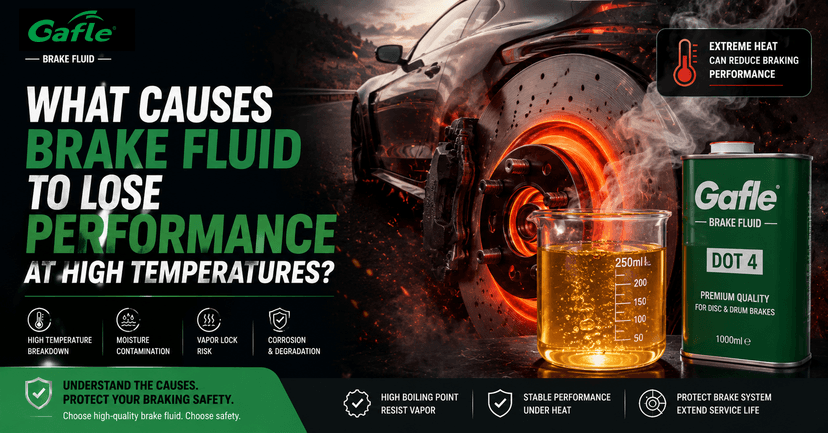
Brake fluid plays a vital role in every vehicle's braking system by transferring hydraulic pressure from the brake pedal to the brake calipers or wheel cylinders. Under normal driving conditions, high-quality brake fluid performs reliably. However, during repeated heavy braking or high-temperature driving, brake fluid can gradually lose performance if it is unable to withstand excessive heat.
Understanding why this happens is essential for vehicle owners, distributors, and automotive brands. Choosing the right brake fluid and working with a professional manufacturer can significantly improve braking reliability and safety.
As a professional Brake Fluid Manufacturer, Gafle has more than 20 years of dedicated manufacturing experience, supplying premium brake fluid products to distributors, OEM customers, and automotive brands worldwide. In this article, we'll explain what causes Brake Fluid Performance to decrease at high temperatures and how high-quality brake fluid helps maintain reliable braking.
Why Does Brake Fluid Experience High Temperatures?
Every time the brake pedal is pressed, friction between the brake pads and brake discs converts kinetic energy into heat.
During demanding driving conditions, such as:
- Long downhill driving
- Repeated emergency braking
- Mountain roads
- Heavy commercial vehicle operation
- Performance driving
- Stop-and-go traffic in hot weather
the braking system generates significantly more heat than during normal driving.
This heat can gradually transfer from the brake components into the brake fluid.
If temperatures continue to rise, the brake fluid must maintain its hydraulic properties to ensure consistent braking performance.
How High Temperatures Affect Brake Fluid Performance
High temperatures influence brake fluid in several important ways.
1. Boiling Point Becomes Critical
One of the most important characteristics of brake fluid is its Brake Fluid Boiling Point.
Brake fluid must remain in liquid form to transmit hydraulic pressure efficiently.
If excessive heat causes the fluid to approach or exceed its boiling point, vapor bubbles may form within the hydraulic system.
Unlike liquid, vapor is compressible, which can reduce braking effectiveness.
High-quality brake fluid is designed with higher boiling points to help reduce this risk.
2. Moisture Reduces Performance
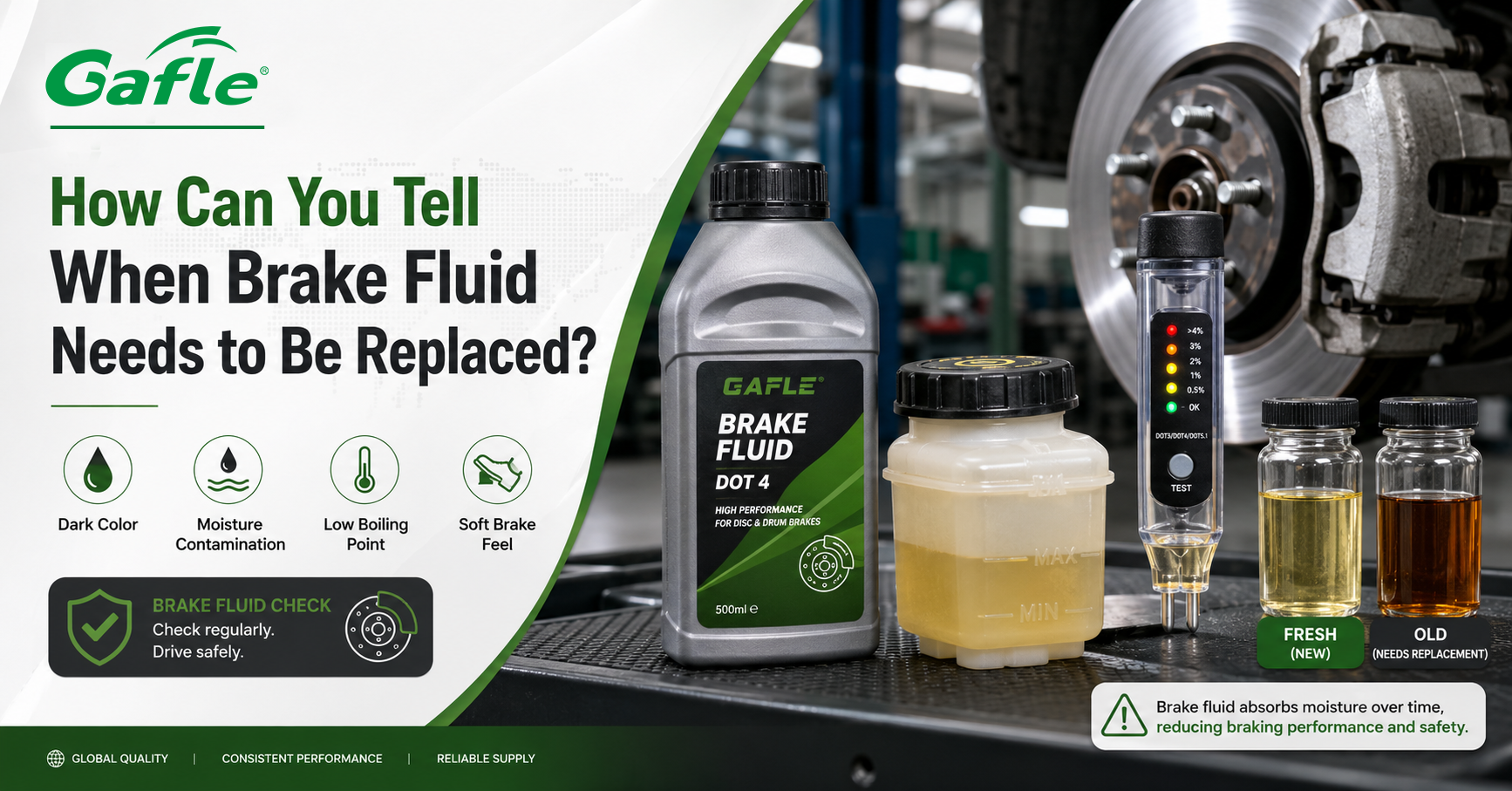
Brake fluid is hygroscopic, meaning it naturally absorbs moisture from the surrounding environment over time.
As moisture content increases:
- The wet boiling point decreases.
- Thermal performance may be reduced.
- The likelihood of vapor formation under high temperatures increases.
This is one of the primary reasons why regular brake fluid replacement is recommended.
3. Hydraulic Pressure May Become Less Stable
Brake fluid transfers hydraulic pressure from the master cylinder to the braking components.
When the fluid's physical properties change because of excessive heat or moisture, hydraulic pressure may become less consistent.
Maintaining stable hydraulic pressure is essential for predictable braking performance.
4. Repeated Heat Cycles Accelerate Fluid Aging
Brake fluid experiences repeated heating and cooling during normal vehicle operation.
Vehicles frequently driven under demanding conditions may expose brake fluid to higher thermal stress, making routine inspection and replacement even more important.
The Importance of Brake Fluid Boiling Point
The Brake Fluid Boiling Point is one of the most important performance indicators of brake fluid.
Manufacturers generally evaluate two boiling point values:
Dry Boiling Point
Measured using new brake fluid without absorbed moisture.
Wet Boiling Point
Measured after the brake fluid has absorbed a specified amount of moisture, simulating real-world usage.
Because brake fluid gradually absorbs moisture over time, the wet boiling point becomes increasingly important during long-term vehicle operation.
Why High Temperature Brake Fluid Matters
Using a premium High Temperature Brake Fluid helps maintain reliable braking under demanding conditions.
Key advantages include:
Higher Boiling Point
Helps reduce the likelihood of vapor formation during heavy braking.
Stable Hydraulic Performance
Supports consistent pressure transmission throughout the braking system.
Better Thermal Stability
Maintains reliable performance during repeated braking cycles.
Corrosion Protection
Helps protect internal brake system components throughout the service life of the fluid.
For many modern passenger vehicles and commercial applications, DOT 4 Brake Fluid provides higher minimum boiling point requirements than DOT 3, making it suitable for more demanding operating conditions.
Always select the brake fluid specification recommended by the vehicle manufacturer.
How to Prevent Brake Fluid Performance Loss
Although brake systems naturally generate heat, several maintenance practices can help preserve brake fluid performance.
Replace Brake Fluid Regularly
Follow the vehicle manufacturer's recommended maintenance intervals.
Regular brake fluid replacement helps maintain optimal boiling point performance.
Use the Correct Brake Fluid
Always use the brake fluid grade specified by the vehicle manufacturer.
Choosing the correct DOT specification is essential for reliable braking.
Inspect the Brake System
Routine inspections should include:
- Brake fluid condition
- Brake pads
- Brake discs
- Brake lines
- Brake fluid level
Preventive maintenance helps identify potential issues before they affect braking performance.
Avoid Unnecessary Continuous Heavy Braking
When driving on long downhill roads, using appropriate engine braking can help reduce heat buildup in the braking system.
Why Manufacturing Quality Matters
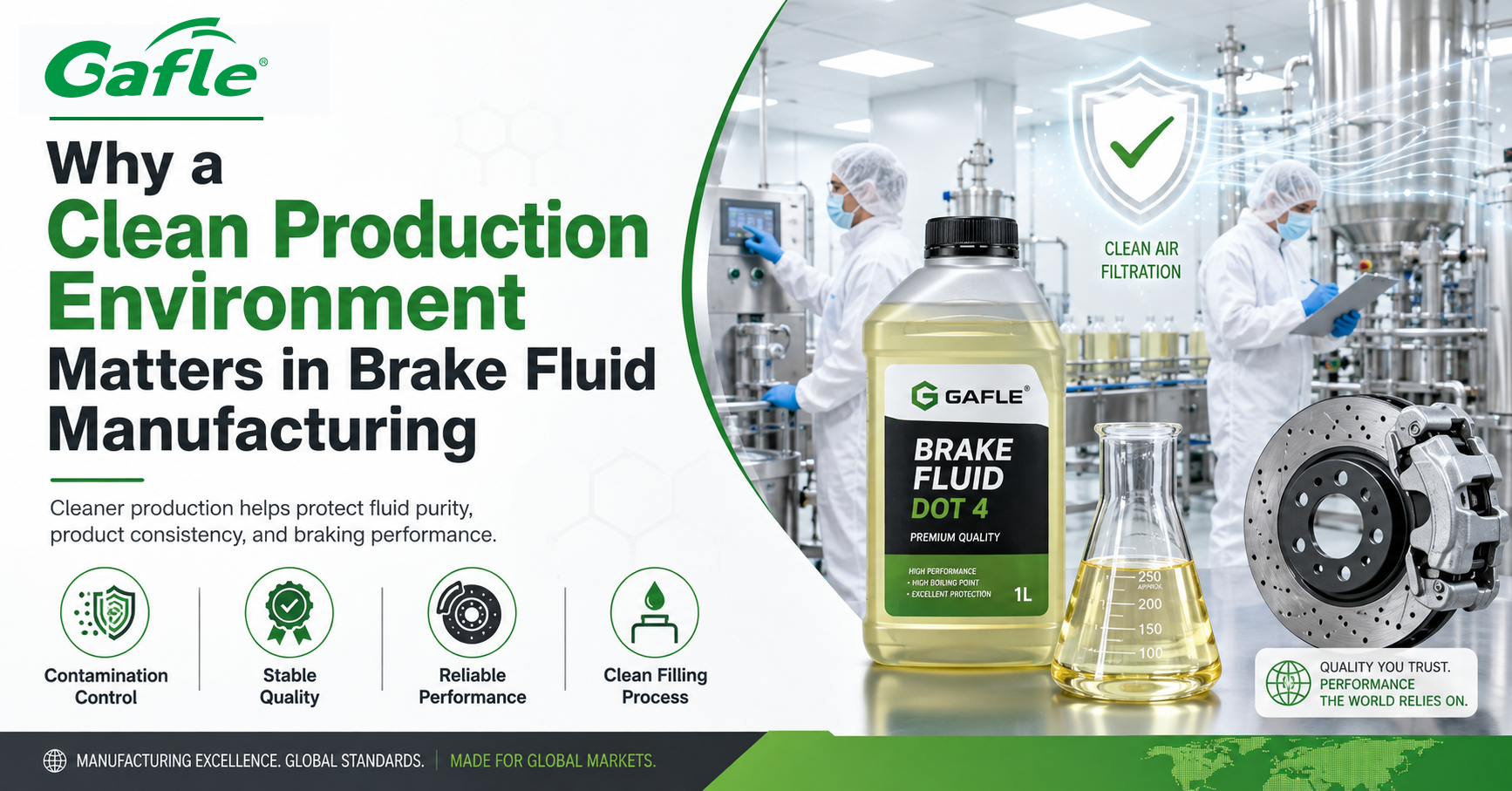
The performance of brake fluid depends not only on its formulation but also on manufacturing quality.
A professional Brake Fluid Manufacturer should provide:
- Advanced production facilities
- Professional laboratory testing
- Strict quality management
- Stable production processes
- Batch consistency
- Comprehensive product testing
Reliable manufacturing helps ensure consistent brake fluid performance across every production batch.
How to Choose the Best Brake Fluid Manufacturer in China
Many international buyers searching for the Best Brake Fluid Manufacturer in China evaluate manufacturers based on much more than price.
Important factors include:
- Manufacturing experience
- Professional laboratory testing
- Brake Fluid Quality Control
- Modern production facilities
- High-temperature product performance
- OEM manufacturing capability
- Private label services
- Stable production capacity
- Export experience
- Long-term technical support
Selecting an experienced manufacturing partner helps improve product quality while reducing sourcing risks.
Why Global Customers Choose Gafle
As a trusted Brake Fluid Manufacturer, Gafle combines advanced manufacturing technology with comprehensive quality management.
Our strengths include:
- 20+ Years of Dedicated Brake Fluid Manufacturing Experience
- High-Performance DOT 3 and DOT 4 Brake Fluid
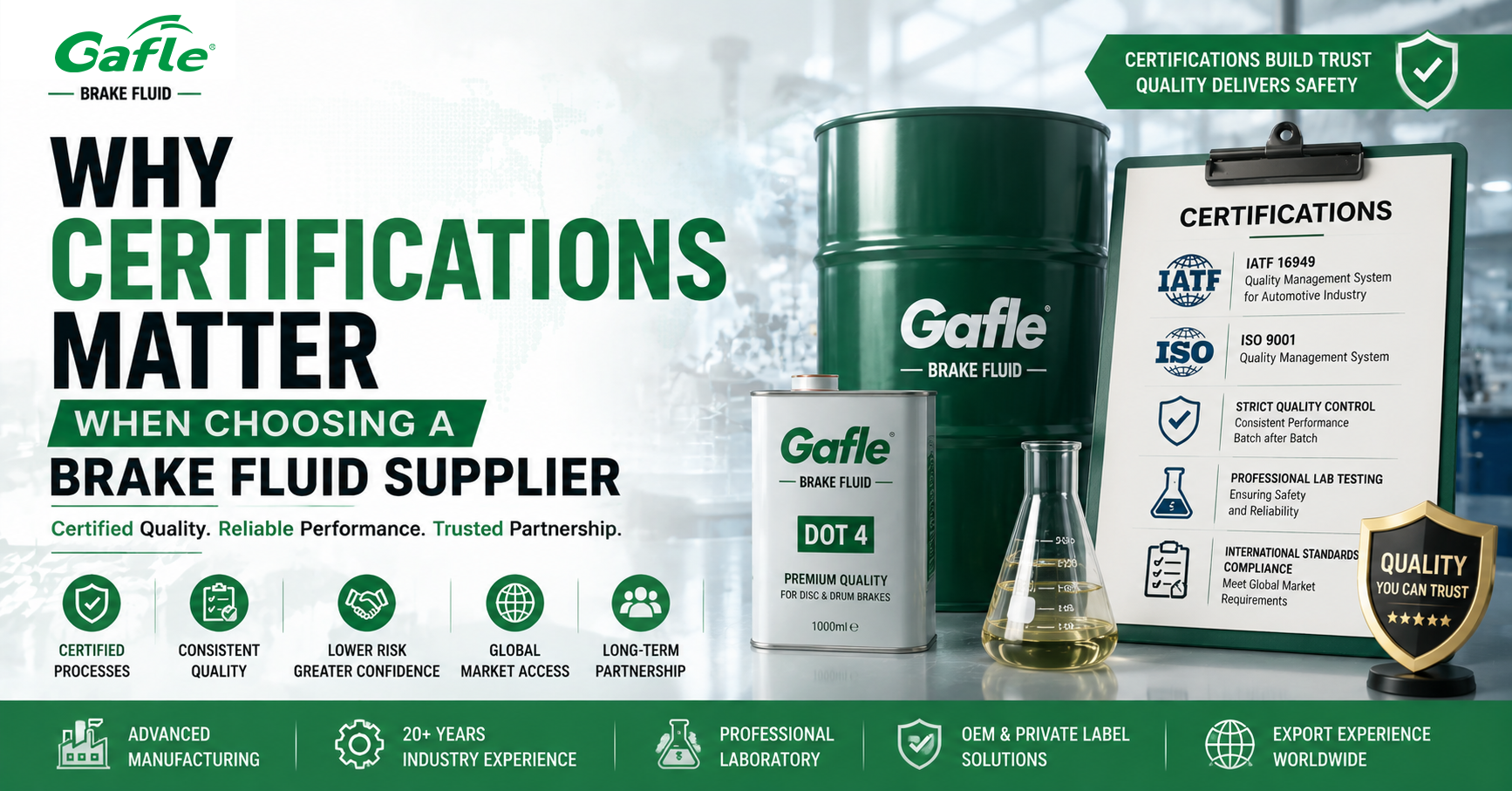
- Professional Laboratory Testing
- Modern Manufacturing Facilities
- Strict Quality Management
- IATF 16949 Quality Management System
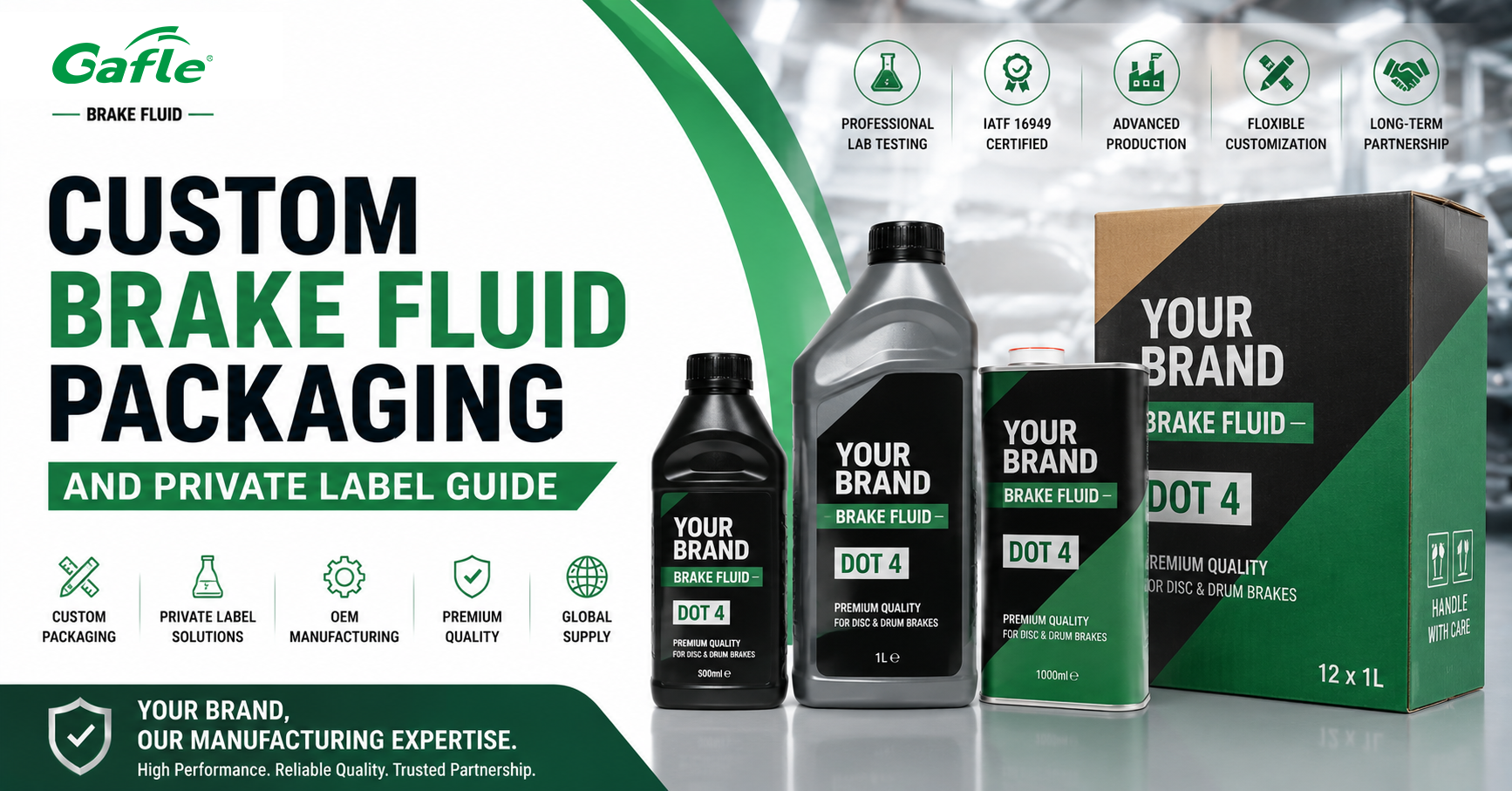
- OEM Brake Fluid Manufacturing
- Private Label Solutions
- Customized Bottles, Labels, and Cartons
- Stable Large-Scale Production
- Global Export Experience
- Participation in Drafting China's National Brake Fluid Standards
Our commitment to quality helps customers deliver reliable brake fluid products to markets around the world.
Frequently Asked Questions
Why does brake fluid lose performance at high temperatures?
Brake fluid may lose performance when excessive heat and accumulated moisture reduce its boiling point, increasing the possibility of vapor formation and affecting hydraulic pressure transmission.
What is the brake fluid boiling point?
The brake fluid boiling point is the temperature at which brake fluid begins to boil. Both dry and wet boiling points are important indicators of brake fluid performance.
How does moisture affect brake fluid?
Brake fluid naturally absorbs moisture over time, which lowers its wet boiling point and can reduce high-temperature performance. Regular replacement helps maintain reliable braking.
Is DOT 4 brake fluid better for high-temperature driving?
DOT 4 brake fluid generally has higher minimum boiling point requirements than DOT 3, making it suitable for many vehicles operating under higher thermal loads. Always follow the vehicle manufacturer's recommendations.
How should buyers choose the Best Brake Fluid Manufacturer in China?
Buyers should evaluate manufacturing experience, laboratory testing, quality management systems, OEM capability, production consistency, export experience, and high-temperature product performance rather than focusing only on price.
Conclusion
High temperatures are one of the greatest challenges faced by any braking system. As heat builds up during demanding driving conditions, the Brake Fluid Boiling Point, moisture content, and overall Brake Fluid Performance become critical factors in maintaining safe and consistent braking.
Using a premium High Temperature Brake Fluid, replacing it at the recommended intervals, and performing regular brake system maintenance all contribute to reliable braking performance and long-term component protection.
For distributors, importers, and automotive brands searching for the Best Brake Fluid Manufacturer in China, selecting a manufacturing partner with advanced production facilities, professional laboratory testing, strict quality management, and proven OEM capabilities is equally important.
With more than 20 years of dedicated manufacturing experience, Gafle continues to provide premium brake fluid products, customized OEM solutions, and dependable manufacturing support to customers around the world.
At Gafle, we believe that reliable braking begins with reliable brake fluid—and every product we manufacture reflects our commitment to quality, safety, and long-term partnership.