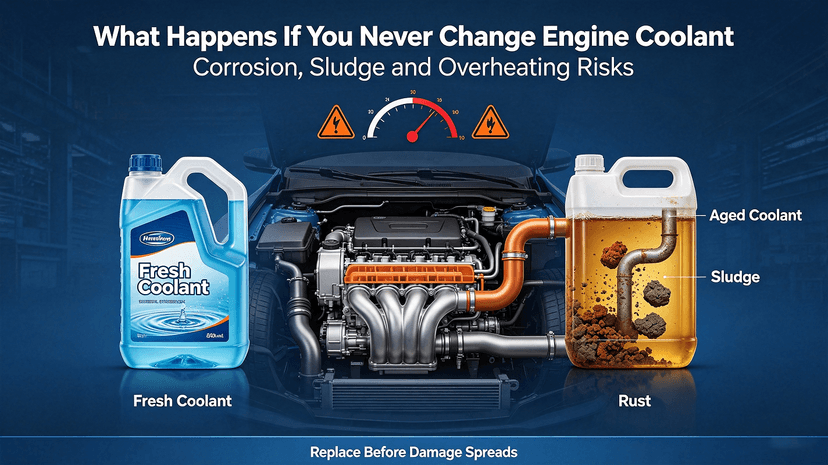
Many vehicle owners ignore coolant service until major breakdowns appear. Some drivers top‑up fluid only when levels drop and skip full replacement entirely. Coolant additives wear out over time, even if the liquid level remains normal. Neglected antifreeze will trigger progressive damage to your whole cooling system. This blog covers real‑world consequences for passenger cars, trucks and fleet vehicles.
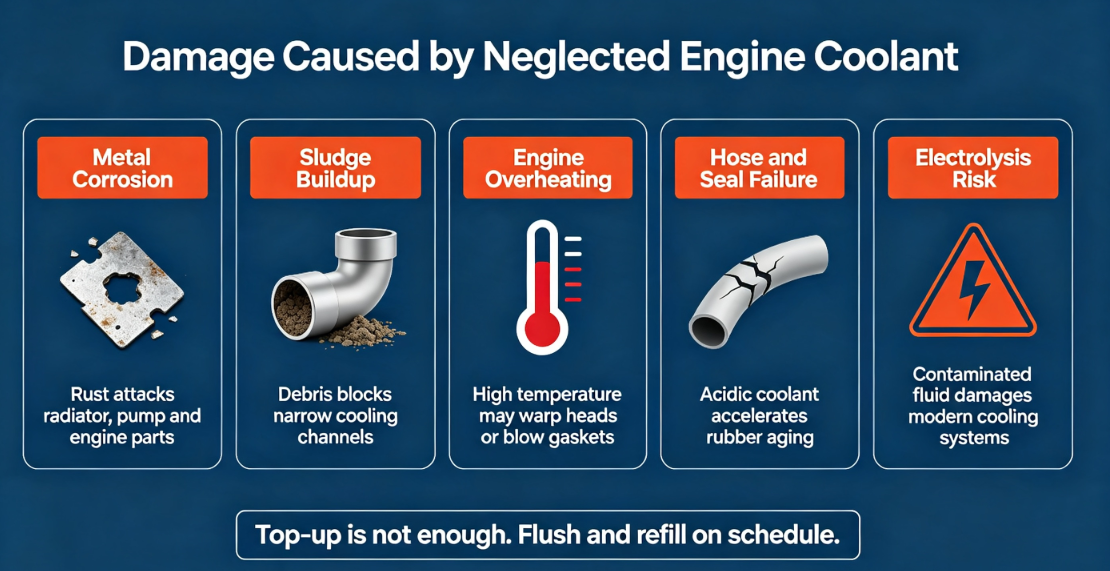
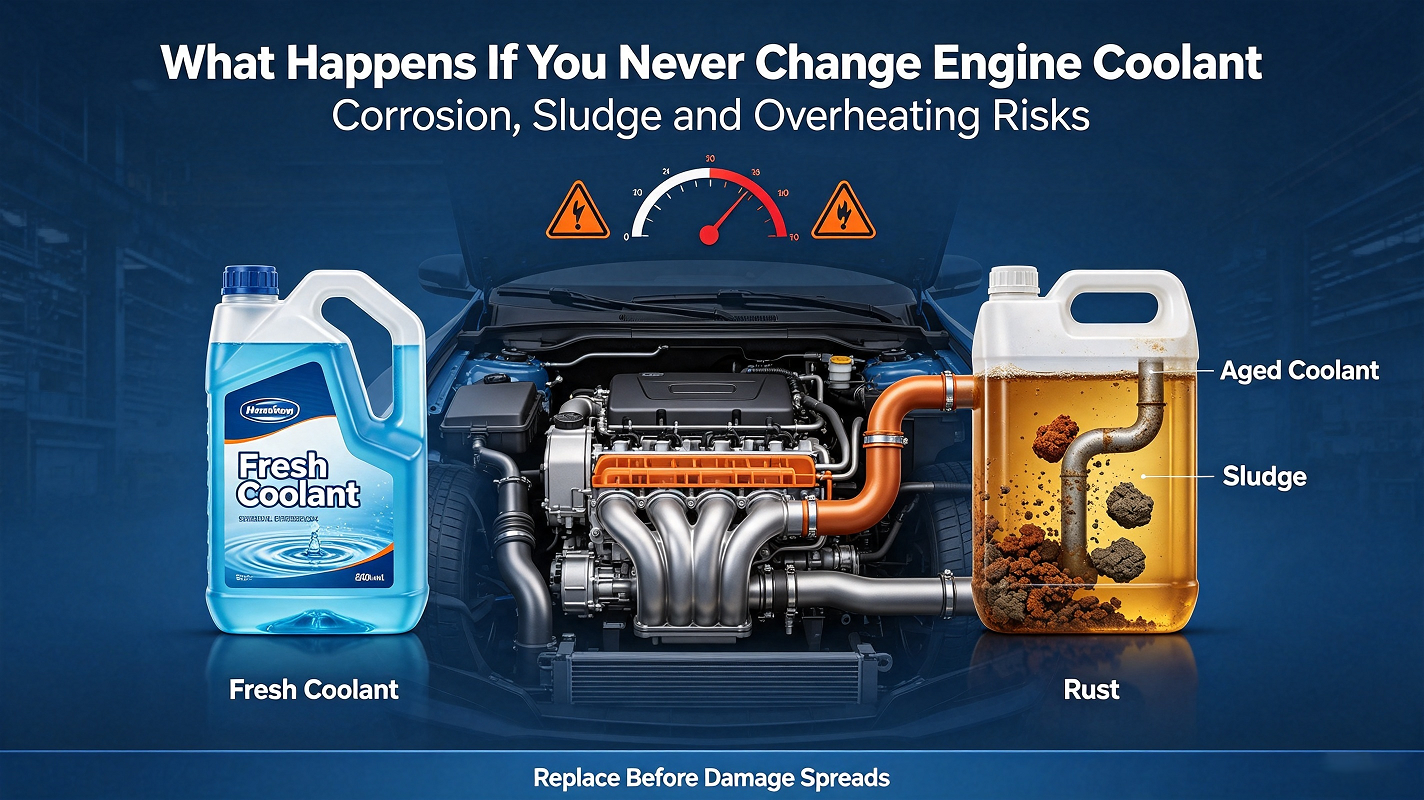
Corrosion attacks metal components inside the cooling system. Fresh coolant contains special inhibitors to protect aluminum, iron and copper parts. Once additives degrade, these metal surfaces start rusting. Corrosion eats away radiator cores, water pump impellers, engine cylinder liners and heater cores. Tiny rust particles circulate through the whole loop and create further wear across system parts.
Sludge and sediment build‑up block coolant flow inside pipelines. As corrosion debris and broken‑down additives accumulate, muddy sludge forms inside radiators, hoses and narrow cooling channels. Partial blockage reduces heat exchange efficiency. Severe clogging cuts fluid circulation completely, which is one main trigger for sudden engine overheating. Flushing cannot always fix heavily blocked radiators; you may need full‑part replacement.
Overheating leads to serious and permanent engine harm. When aged coolant loses heat‑transfer capability, engine temperature spikes quickly. Persistent overheating may blow head gaskets, warp cylinder heads, or even crack engine blocks. These repairs are extremely expensive, far higher than the cost of regular coolant flush and refill. For commercial fleets, unexpected breakdown also brings business downtime losses.
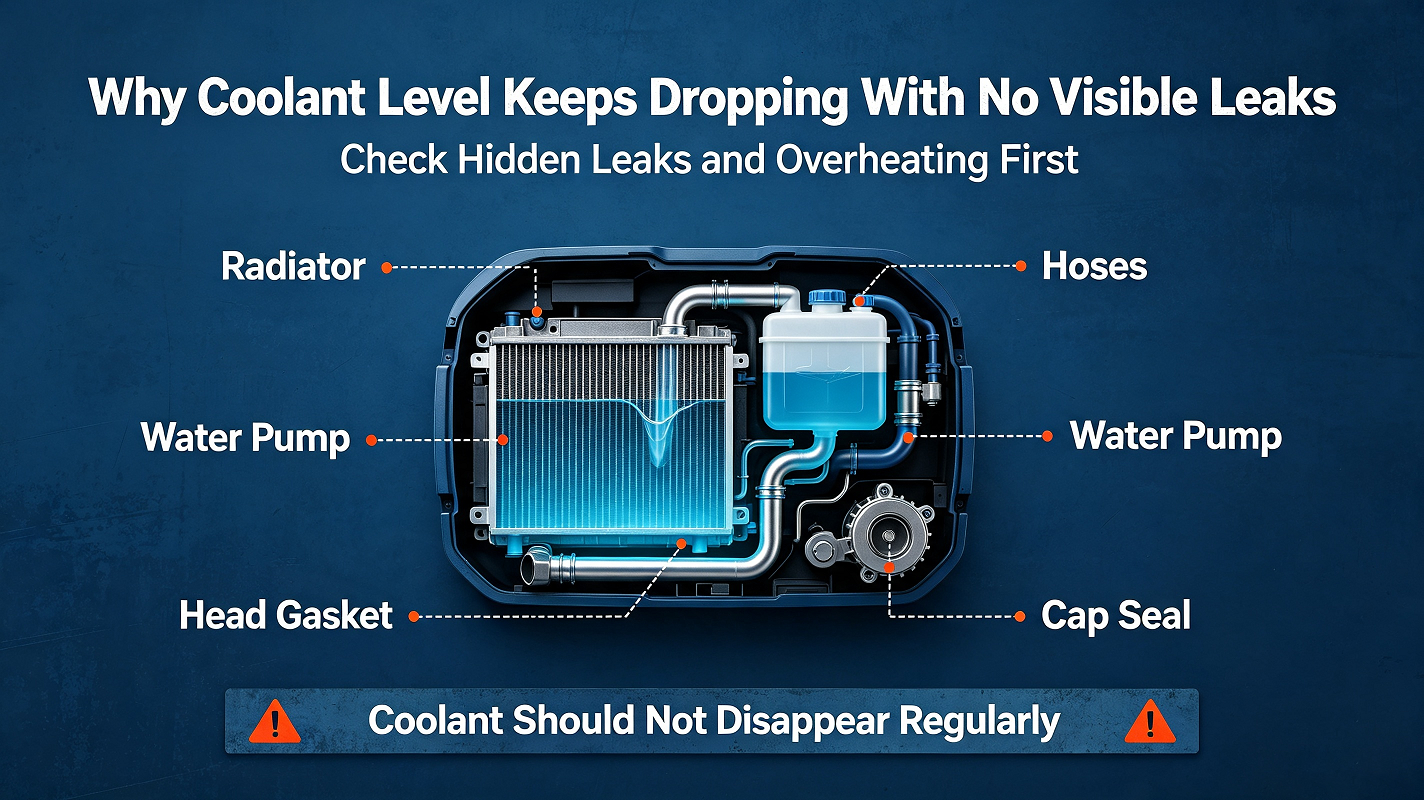
Rubber seals and hoses suffer accelerated aging from degraded coolant. Expired antifreeze turns acidic over long service periods. Acidic fluid attacks rubber hoses, gaskets and seals. Cracks, brittleness and small leaks start to occur. Slow, invisible coolant loss creates a vicious cycle: low fluid makes overheating risk even higher. Minor leaks gradually turn into sudden large‑volume coolant spills on the road.
Electrolysis speeds up component failure in modern vehicles. Old, contaminated coolant creates conductive conditions inside the cooling circuit. Electrolysis eats through thin‑wall aluminum radiators and heat exchangers. This issue is especially critical for EV and hybrid vehicles, whose thermal management hardware is sensitive to contaminated cooling fluid. Never extend coolant service intervals for new‑energy fleets.
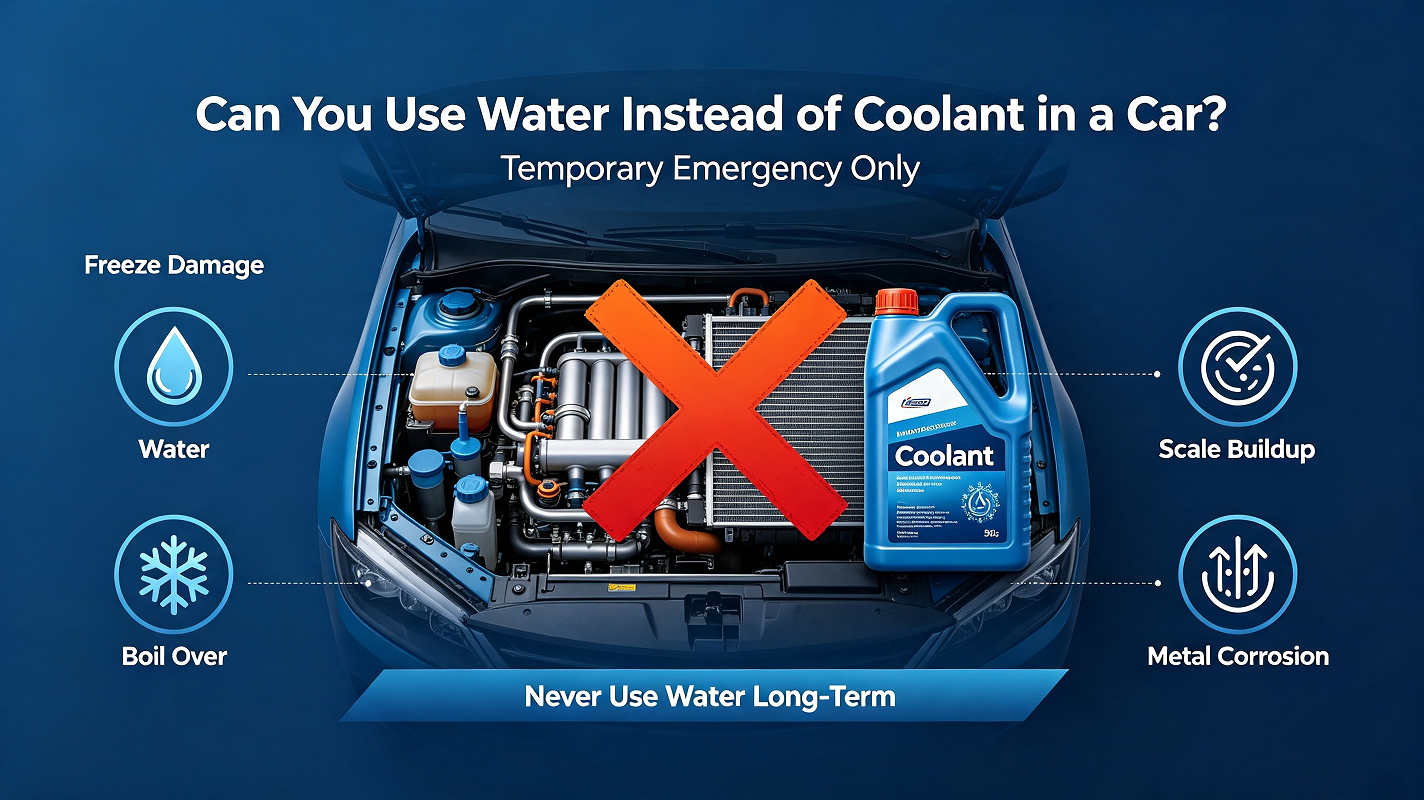
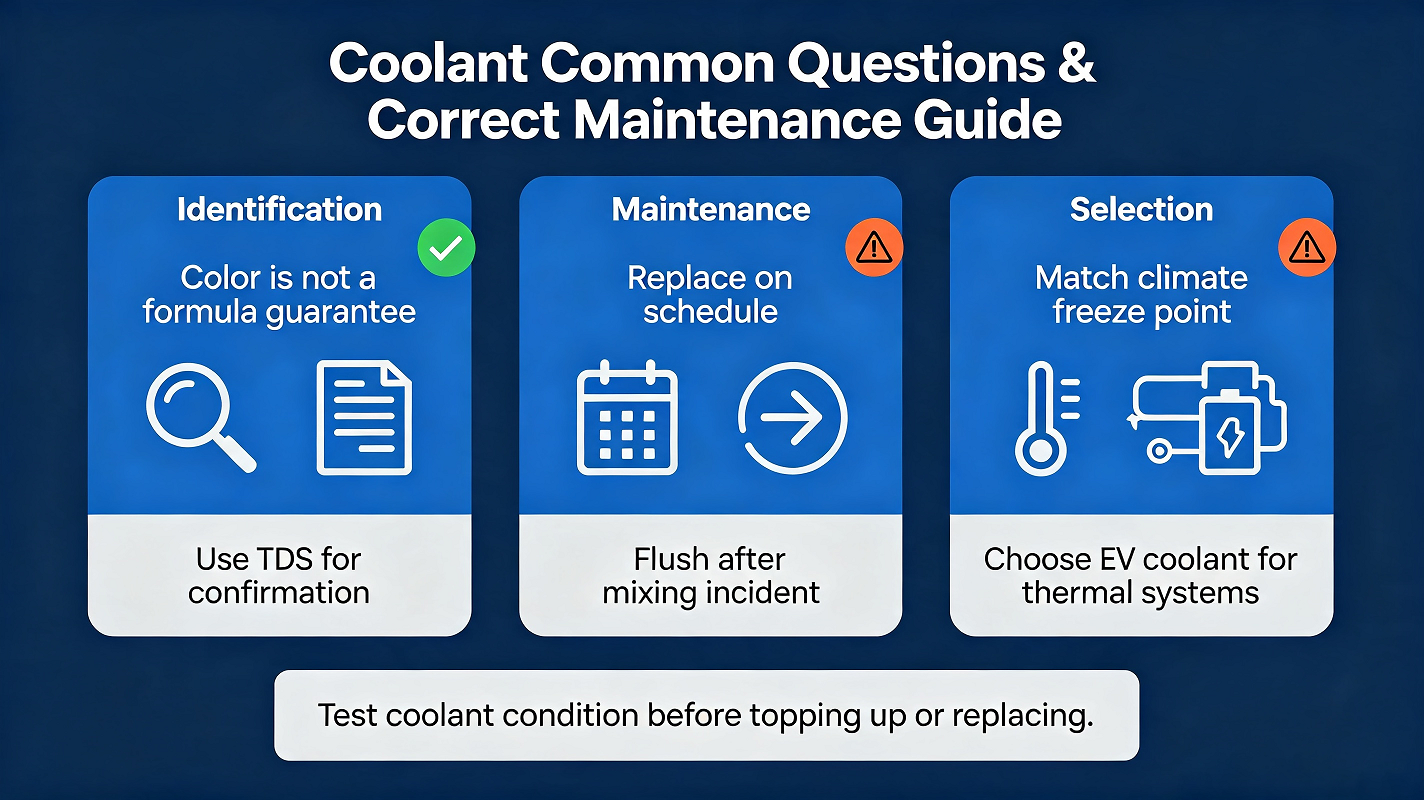
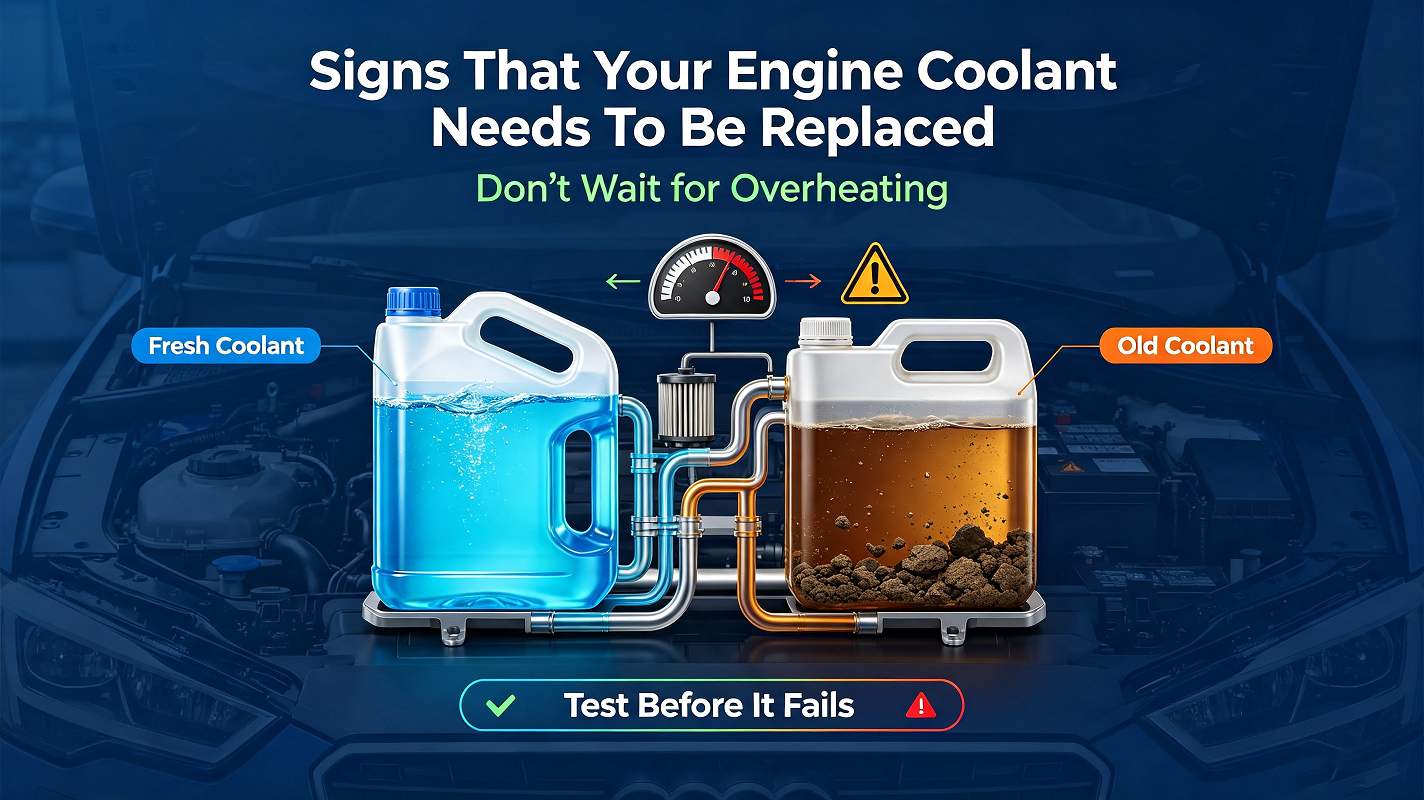
Partial topping‑up cannot fix worn‑out coolant. Adding brand‑new antifreeze to old contaminated fluid only dilutes the mess. It does not remove built‑up sludge or restore exhausted corrosion inhibitors. Topping‑up is only for emergency level compensation. Full system flush and complete refill is the only proper solution for aged coolant.
B2B fleet and garage teams should set strict maintenance cycles. Do not rely on driver complaints as maintenance triggers. Follow OEM recommended service intervals and use refractometers to test coolant condition periodically. GAFLE supplies full‑spec IAT, OAT, HOAT and EV coolant for global wholesale clients. Reach out for market‑oriented bulk and private‑label solutions.
Welcome to contact GAFLE for more information & cooperation!
peter
ZHEJIANG GAFLE AUTO CHEMICL CO.,LTD
Tel:86-579-8222 1665
Fax:86-579-8246 4690
Cel/Wechart:86-13335993986
E-mail:peter@gafle.net
Web:www.gafle.net