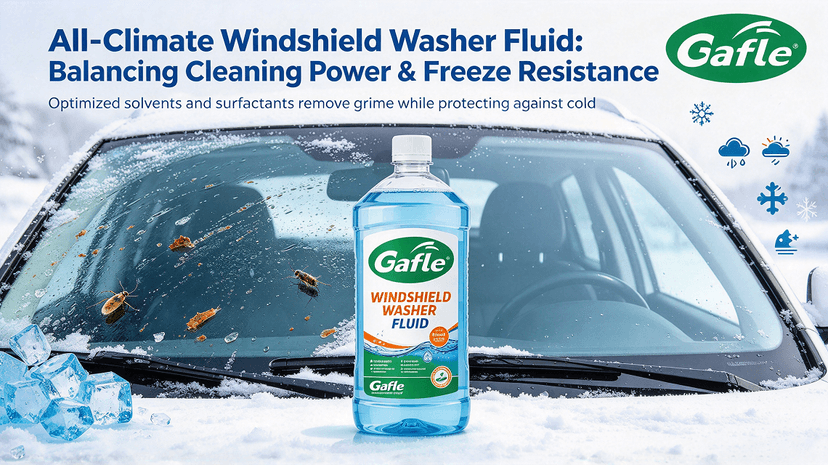
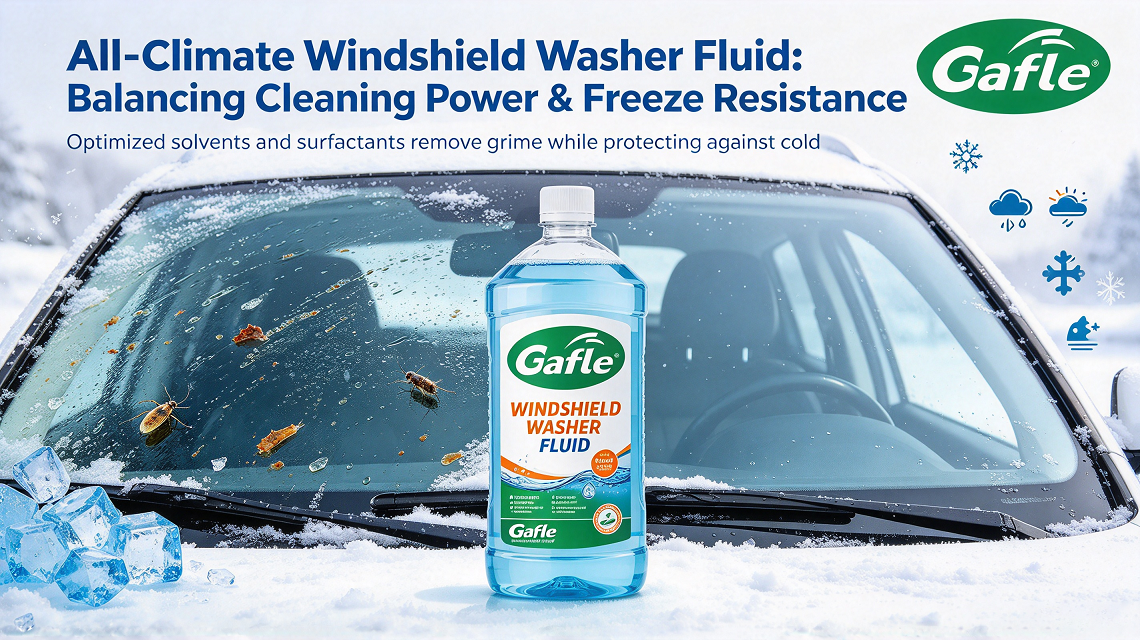
Why all season windshield washer fluid matters more than most buyers expect
For shops, distributors, and maintenance teams, all season windshield washer fluid is not a minor consumable. It sits at the intersection of visibility, safety, and customer satisfaction, which is why it deserves more attention than it usually gets. A fluid that works in mild weather but disappoints in cold snaps, dusty job sites, or bug-heavy driving season can lead to repeated complaints, unnecessary top-offs, and, in some cases, visibility problems that reflect badly on the vehicle owner and the service provider.
The buying decision is simple on the surface: choose a washer fluid that can handle year-round use without creating seasonal inventory headaches. In practice, the better question is whether a product maintains consistent washer fluid performance across changing temperatures, road film, and storage conditions. That is where an all climate approach becomes useful. It is not about promising magic in every environment; it is about selecting a formulation and supply strategy that are practical for real fleets, repair shops, and retail channels.
What buyers usually want from a year-round fluid
When sourcing a multi-climate glass washer fluid for auto shops or resale, the priority list usually looks familiar. Buyers want decent cleaning power, stable storage, compatibility with common washer systems, and a formula that will not create avoidable problems such as streaking, residue, or customer confusion. In colder regions, freeze resistance matters. In warmer regions, bug removal and road grime cut through the noise. For national distributors, the appeal of a single SKU is even more practical: fewer seasonal swaps, simpler ordering, and less risk of running the wrong product at the wrong time.
That said, no single fluid can be everything to every vehicle in every climate. A careful buyer should read product claims with a little skepticism and ask how the fluid is positioned: light-duty consumer use, commercial fleet use, or general purpose aftermarket supply. The label may say all season, but the actual fit depends on local temperature ranges, packaging, and the end use environment.
Key factors to compare before you place an order
Temperature range and seasonal fit
The first screening question is whether the fluid is appropriate for the coldest conditions your customers face. If a product is meant for all season use, it should still be checked against regional winter needs rather than assumed to perform equally everywhere. In southern markets, the main concern may be heat stability and cleaning on dusty roads. In northern markets, the issue is whether the fluid remains usable when temperatures drop. A distributor serving both regions may need different SKUs or, at minimum, a careful internal rule for where each product is sold.
Cleaning behavior
Not all washer fluids clean in the same way. Some are better on insect residue, others on oily film, and some are simply adequate at removing light dirt without leaving glare. For buyers, this is where washer fluid performance becomes visible to the end user. If the fluid leaves streaks or requires repeated sprays, the product will likely generate complaints even if it meets basic functional requirements. Shops should also consider whether the formula plays well with modern wiper blades and glass coatings, since those interfaces can make a decent product look poor.
Packaging and channel fit
Packaging matters more than it seems. A product destined for quick retail turnover does not need the same container design as one sold through service bays or wholesale accounts. For windshield washer fluid wholesale programs, pallet efficiency, cap design, and shelf appeal can influence margin and handling costs. A stronger carton or jug may be worth a slightly higher unit cost if it reduces leaks and warehouse damage. Small operational details like that often decide whether a product is easy to live with.
Where buyers run into trouble
One common mistake is treating all climate labeling as a substitute for specification review. It is not. Another is buying too much of a warm-weather formula before winter demand has been measured. Inventory that looks inexpensive can become costly when it sits unsold or performs poorly in the field. A third issue is overpromising to customers. If a shop sells a general-purpose fluid into severe winter conditions, the resulting complaint may have little to do with the fluid itself and more to do with how it was positioned.
There is also a practical caution for anyone managing fleet or retail supply: washer fluid is a small item, but it lives in a system where optics matter. If the driver expects clear glass and gets haze or residue, that negative impression can spread quickly. The same is true for sourcing teams. A product that looks interchangeable with competitors may still differ in consistency, packaging quality, or storage stability.
Practical advice for sourcing and stocking
If you are selecting all season windshield washer fluid for resale or service use, start with the regions you serve, then match the product to the most demanding conditions in that footprint. Ask whether one fluid can cover most of the year or whether a two-product strategy is more realistic. For auto shops, a multi-climate glass washer fluid for auto shops can simplify service operations, but only if staff understand when it is appropriate and when a seasonal alternative is better.
For wholesale buyers, a narrower commercial question usually works best: will this SKU move efficiently, perform consistently, and reduce complaints? If the answer is yes, the product likely has a place in the line. If the answer depends on too many caveats, the savings may not be worth the support burden.
What to ask before you switch suppliers
Before changing a washer fluid source, buyers should ask for clear product information on intended use, climate positioning, and package options. If the supplier serves windshield washer fluid wholesale channels, request details on case pack, pallet count, and whether the product is aimed at retail, fleet, or shop use. Keep the conversation grounded in operational needs rather than marketing language. That usually reveals more than a glossy label ever will.
FAQ: quick answers for buyers
Is all season washer fluid enough for winter everywhere?
Not necessarily. “All season” is a helpful label, but buyers still need to check the actual climate range and local winter requirements.
Can one fluid work for retail and service bays?
Sometimes, yes. But the package format and end-user expectations may differ, so a single formula does not always mean a single channel strategy.
What matters most in a wholesale purchase?
Consistency, storage practicality, and field performance usually matter more than a flashy claim on the label.
A sensible next step
If you are building a year-round supply program, compare products by climate fit, cleaning behavior, packaging, and channel requirements before you place a large order. That approach is less dramatic than chasing seasonal promos, but it tends to save time and complaints. For sourcing teams, the best all season windshield washer fluid is the one that stays useful, predictable, and easy to stock once the weather changes.
Welcome to contact GAFLE for more information & cooperation!
peter
ZHEJIANG GAFLE AUTO CHEMICL CO.,LTD
Tel:86-579-8222 1665
Fax:86-579-8246 4690
Cel/Wechart:86-13335993986
E-mail:peter@gafle.net
Web:www.gafle.net