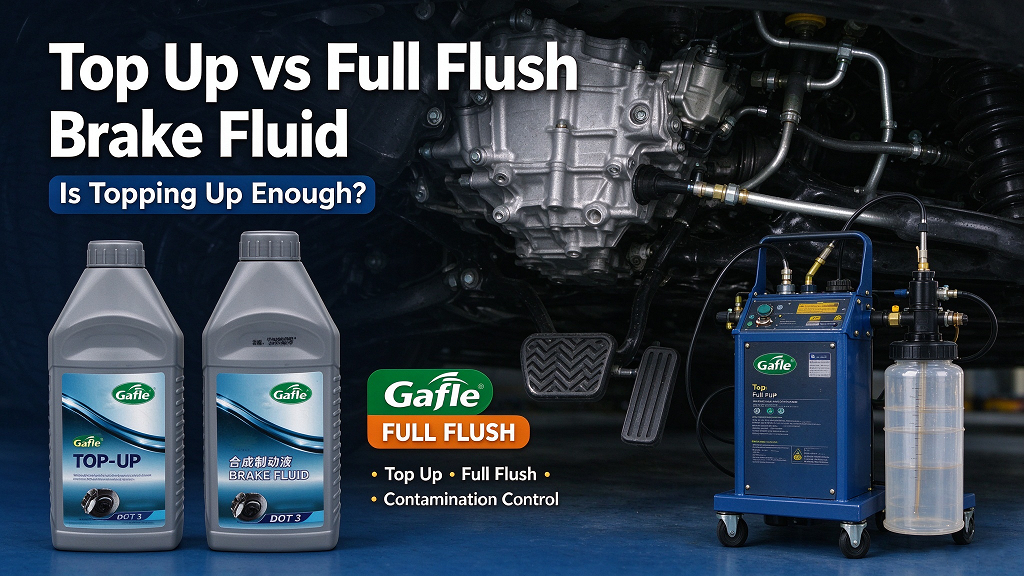
Is Topping Up Brake Fluid Enough Instead of a Flush?
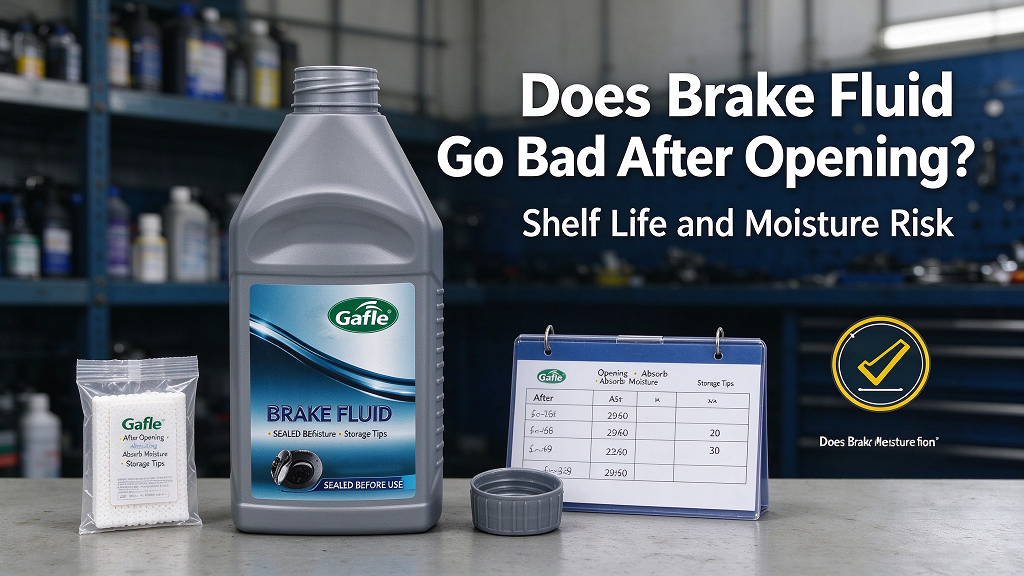
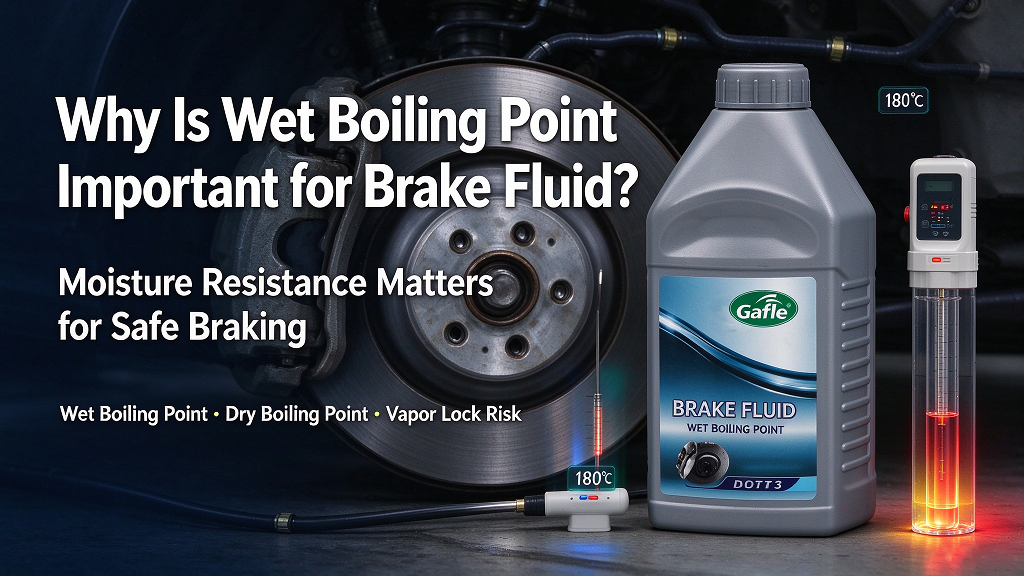
Many vehicle operators and maintenance teams eventually face the question: is topping up brake fluid enough instead of a flush? It is a common temptation to simply add a few ounces of fresh fluid to the reservoir when the level drops, assuming that as long as there is enough pressure to stop the vehicle, the system is performing correctly. However, from a professional maintenance perspective, this approach ignores the complex chemistry occurring within your braking system. Brake fluid is hygroscopic by design, meaning it actively absorbs moisture from the atmosphere. Over time, this water content drastically lowers the fluid's boiling point, creating a genuine safety hazard during heavy braking or prolonged deceleration.
The Chemistry of Hydraulic Failure
When you ask if you can add new brake fluid to old brake fluid, the answer is technically yes, but it is rarely the right answer for system health. Fresh fluid is clear and efficient, but once it enters the master cylinder, it immediately begins to blend with the older, contaminated, and water-logged fluid already circulating in your lines. You are essentially diluting the effectiveness of your new purchase with existing degradation.
More importantly, the primary risks of only adding brake fluid without flushing involve the internal components of the braking system. Brake lines, ABS modules, and wheel cylinders are made of various metal and rubber components that rely on clean, lubricating fluid to function without seizing. Old fluid becomes acidic as it ages, which can eat away at internal seals and cause expensive corrosion inside your ABS pump—a component that costs significantly more to replace than a routine system flush.
Identifying When a Flush is Non-Negotiable
While top-ups might get you through a short-term crisis, a full flush is the only way to ensure the system is truly serviced. If you notice a spongy pedal feel, that is an immediate red flag that your fluid has reached its boiling point and moisture has turned into steam, which is compressible, unlike liquid. If your fluid appears dark brown or black, it is already heavily contaminated with moisture and debris from the rubber brake hoses.
Maintenance managers should treat brake fluid service as a periodic requirement rather than a reactive one. Waiting for the pedal to feel soft is akin to waiting for a tire to blow out before replacing the tread; it is a reactive measure that compromises safety. A flush involves purging the entire hydraulic circuit until fresh, clean fluid flows from each bleeder screw at every wheel. This replaces the old fluid entirely, removing the water and contaminants that a simple top-up leaves behind.
Common Mistakes in Brake Maintenance
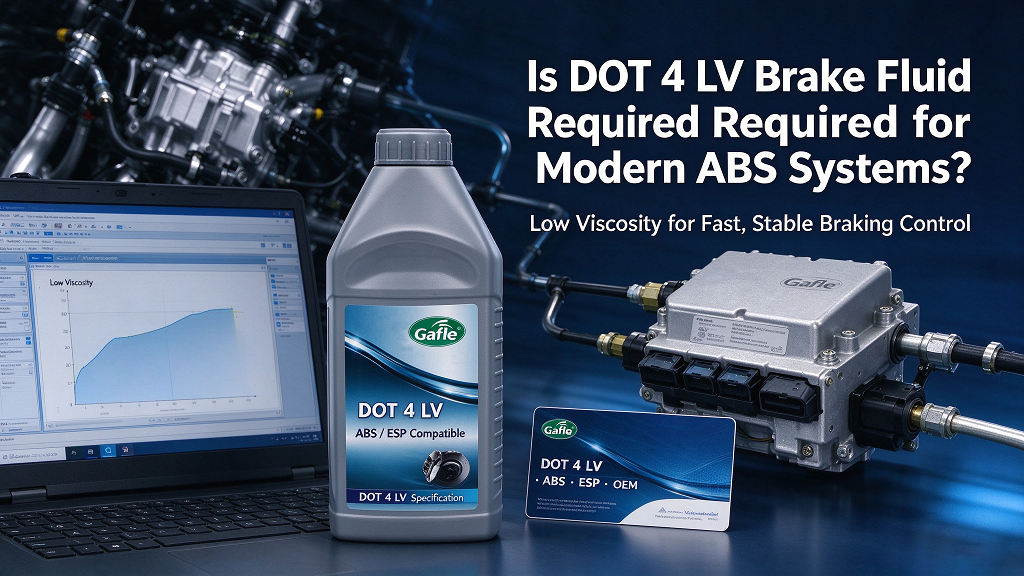
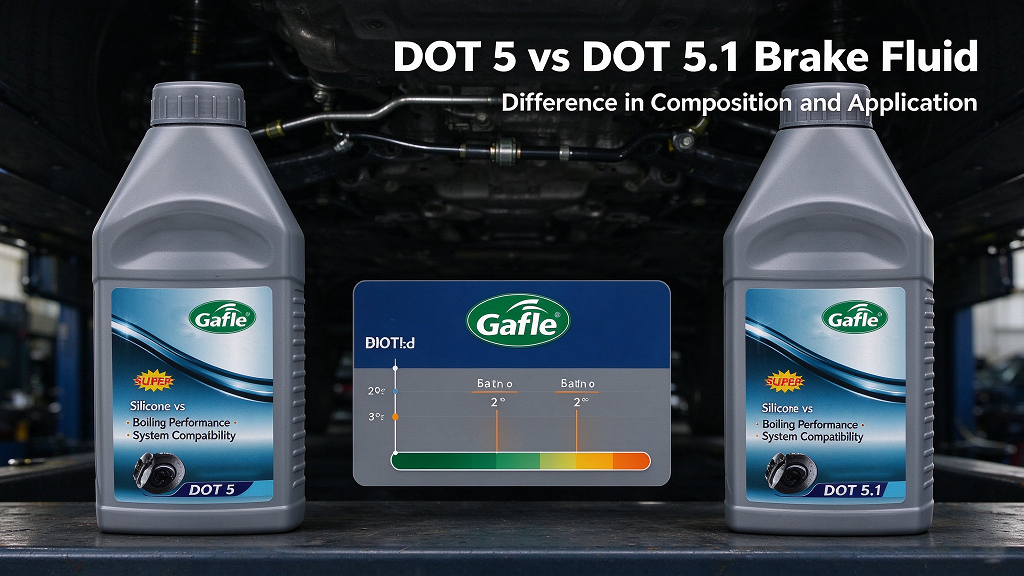
The biggest mistake we see in shop environments is failing to recognize the specific fluid type required for the vehicle's design. Brake systems are engineered to handle specific viscosity and boiling points, and mixing different grades—such as DOT 3, DOT 4, or DOT 5.1—can lead to seal swelling or total system failure. Before you even consider adding fluid, you must verify the cap rating.
Another error is forgetting that moisture enters the system through microscopic pores in the rubber hoses themselves, not just from an open cap. Even if you drive your vehicle infrequently, moisture will migrate into the lines over time. This is why most manufacturers recommend a flush every two years, regardless of mileage. If you are operating heavy-duty machinery or fleets that see high-heat environments, that interval should be tightened.
Practical Advice for Fleet and Vehicle Owners
If you find your fluid level is consistently dropping, topping it up is actually ignoring a symptom of a larger mechanical issue. A sealed braking system should not lose fluid. If the level is low, it is likely because the brake pads are worn thin—causing the pistons to remain further out in the calipers—or you have a slow leak somewhere in the system.
Before deciding between a top-up and a flush, prioritize a visual inspection. If the fluid is dark, get it flushed. If the fluid level is low, inspect your pads for wear before you even touch the bottle of fluid. For any professional operation, consistent documentation of brake fluid service is essential for liability and safety compliance. Relying on top-ups is a temporary fix that shifts the burden of cost to a future, more catastrophic repair.
Welcome to contact GAFLE for more information & cooperation!
peter
ZHEJIANG GAFLE AUTO CHEMICL CO.,LTD
Tel:86-579-8222 1665
Fax:86-579-8246 4690
Cel/Wechart:86-13335993986
E-mail:peter@gafle.net
Web:www.gafle.net