When evaluating hydraulic fluid specifications for severe-duty or OEM automotive applications, the dry rating often gets top billing on the technical data sheet. However, experienced chassis engineers and fleet managers recognize that understanding why wet boiling point matters for brake fluid is far more critical for mitigating in-service hydraulic failure. While initial factory-fill values look impressive in pristine laboratory conditions, hydraulic circuits operate in an open atmosphere where humidity steadily penetrates rubber lines, micro-pores, and master cylinder reservoir breathers.
What is Wet Boiling Point of Brake Fluid?
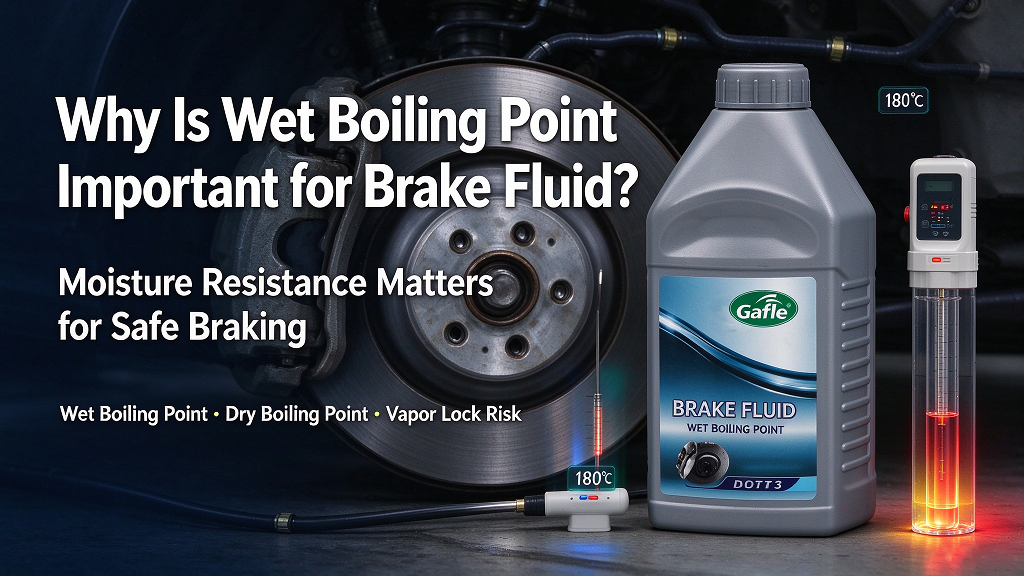
In standard test protocols governed by FMVSS 116 and SAE J1703, this metric represents the equilibrium reflux boiling temperature of the hydraulic medium after it has absorbed approximately 3.7% water by volume. Polyglycol-ether chemistry is deliberately hygroscopic. Instead of allowing moisture to separate and pool at the lowest point in the system—the caliper—the chemical base binds atmospheric water directly into solution.
This design choice prevents free water droplets from freezing into ice blockages during sub-zero winters or instantly vaporizing into steam at 100°C (212°F). However, the chemical tradeoff is severe: as moisture saturation creeps up toward that standard 3.7% threshold, the thermal ceiling of the entire hydraulic column drops dramatically.
Wet Boiling Point vs Dry Boiling Point
The distinction between these two metrics reflects the difference between unboxing a freshly sealed container and testing the actual state of a vehicle after eighteen months on the road.
- Dry Boiling Point: Measures pure, uncontaminated chemical compounds straight from an uncompromised factory seal (0% water content). High-performance DOT 4 formulations regularly claim dry thresholds exceeding 260°C (500°F).
- Wet Boiling Point: Accounts for real-world atmospheric contamination over time. Under identical thermal stress, that initial 260°C rating can plunge to 155°C (311°F) or lower once ambient moisture is absorbed.
This operational drop matters because modern friction pairings generate immense heat. During heavy towing, continuous mountain descents, or aggressive automated stability events, caliper temperatures routinely exceed 160°C. If the fluid's thermal stability falls below operating temperatures, vapor lock occurs. Because gases are compressible while liquids are not, vaporized fluid collapses under pedal force, resulting in a sudden, catastrophic loss of hydraulic pressure and extended pedal travel.
Quality Assurance at the Brake Fluid Factory
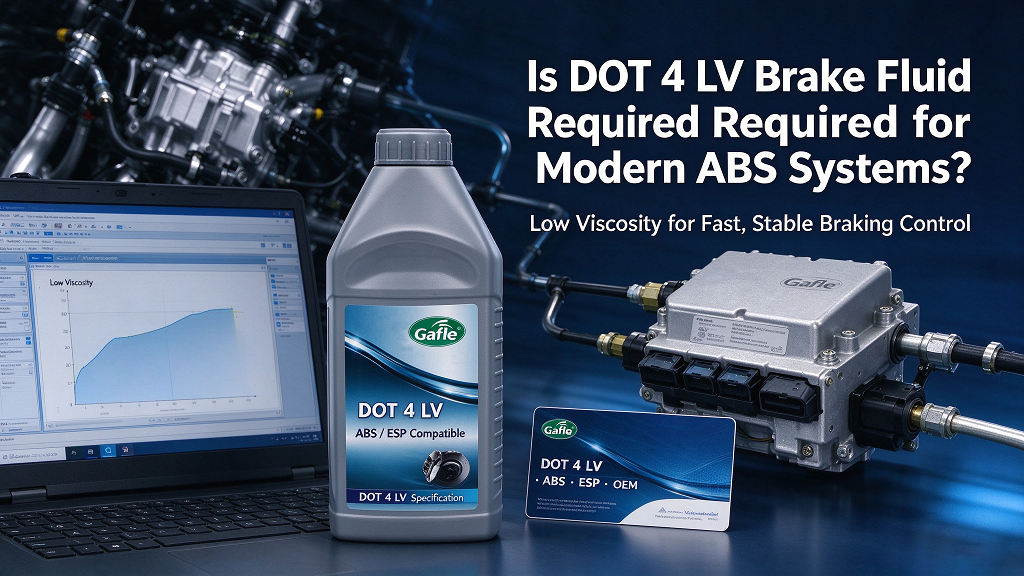
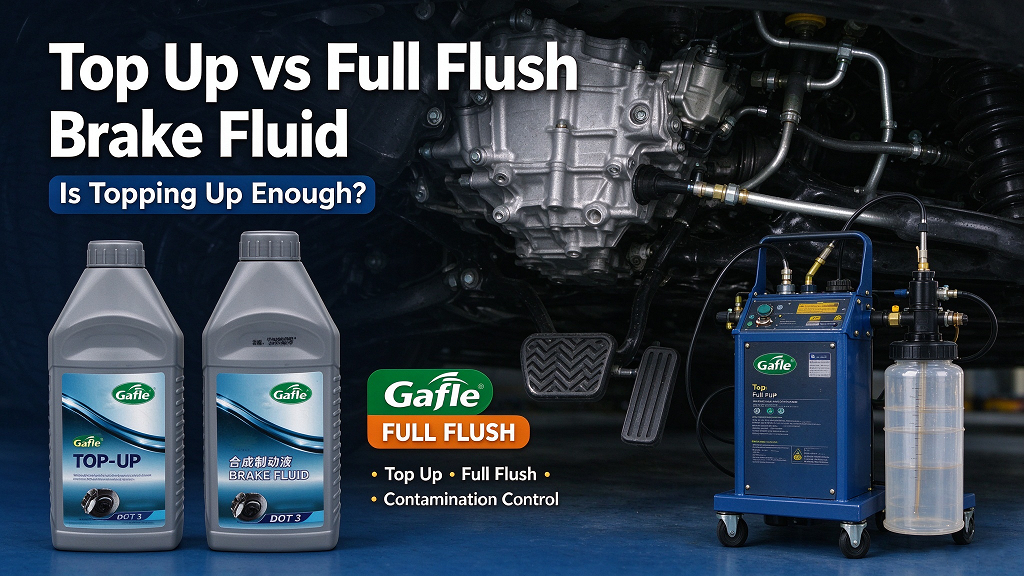
For procurement officers and Tier-1 systems assemblers, vetting a specialized brake fluid factory requires looking well beyond nominal compliance marks on a tin. Consistent chemical stabilization, borate ester buffering, and rigorous packaging barriers determine how well a formulation resists moisture degradation both on warehouse shelves and in active service.
Key production and quality benchmarks include:
- Raw Chemical Purity: Verifying trace water content below 0.1% via Karl Fischer titration before packaging lines are charged.
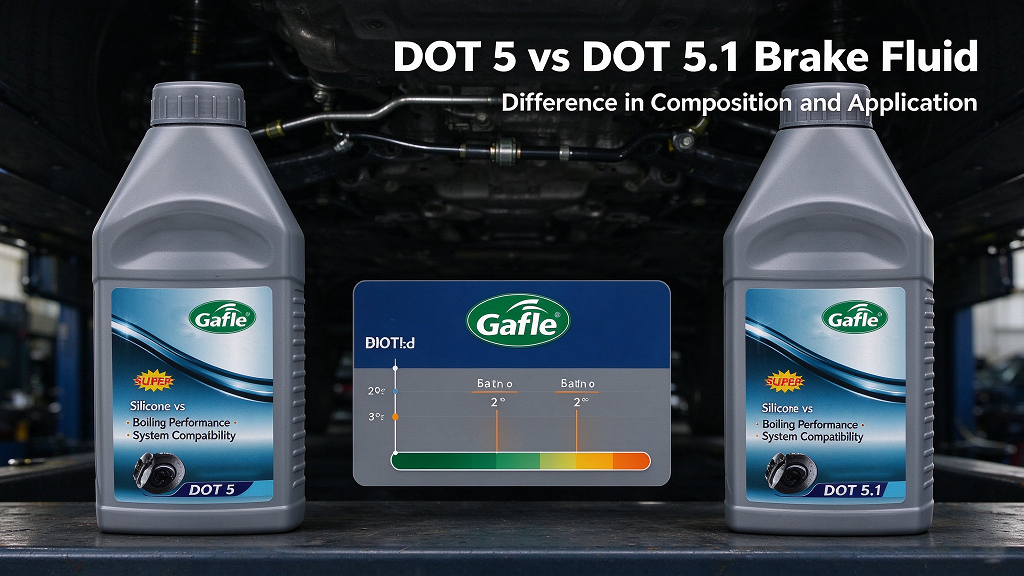
- Borate Ester Formulations: Premium DOT 4 and DOT 5.1 mixtures incorporate borate esters that chemically bind free water molecules as they enter, maintaining a higher effective boiling threshold over an extended lifecycle.
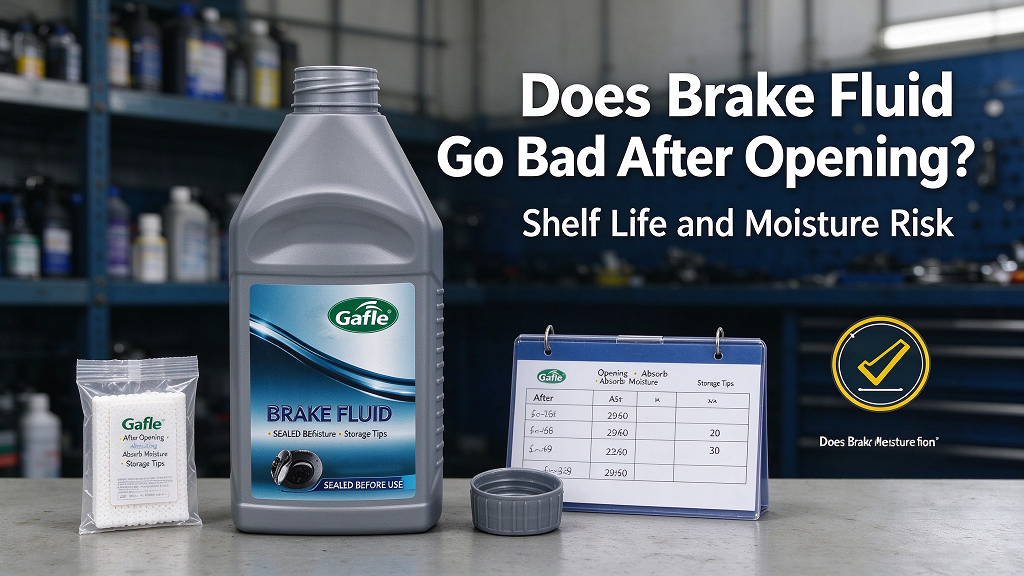
- Hermetic Moisture Barriers: Utilizing impermeable metal containers or specialized fluorinated high-density polyethylene (HDPE) packaging to prevent humidity infiltration during sea freight transit and prolonged depot storage.
Practical Guidelines for System Designers and Fleet Buyers
When selecting fluid grades or drafting maintenance protocols for municipal fleets or production runs, nominal dry performance should not be your sole decision criteria. Consider these practical engineering realities:
First, extreme dry ratings can sometimes mask rapid moisture uptake. Certain ultra-high-temperature racing products feature dry thresholds above 310°C, yet their chemical matrix absorbs moisture faster than conventional formulations. In daily fleet operations without bi-monthly fluid flushes, such products can degrade below minimum safe thresholds faster than a balanced DOT 5.1.
Second, humidity matters more than odometer miles. A vehicle operating in coastal or tropical climates often absorbs critical moisture levels within 12 months, even if parked frequently. Fluid condition meters and periodic boiling tests should determine change intervals rather than mileage milestones alone.
Frequently Asked Questions
How quickly does a typical hydraulic circuit absorb ambient moisture?
Under typical ambient humidity, standard EPDM flexible hoses and vented reservoir caps permit approximately 1% to 2% water uptake per year. By the second or third year of operation, most passenger and light commercial vehicles surpass the critical 3% moisture content mark.
Can you blend DOT 3 and DOT 4 formulations in an emergency?
Both utilize polyglycol bases and are chemically miscible without clumping or phase separation. However, introducing DOT 3 into a system engineered for DOT 4 dilutes the protective borate additives, reducing the overall thermal resistance down toward the lower specification baseline.
Next Steps for Engineering and Sourcing Teams
Prioritizing wet thermal resistance over initial showroom metrics provides the only dependable margin of safety against hydraulic fade. When evaluating chemical suppliers, request verified batch testing data showing equilibrium reflux boiling points under saturated conditions, and ensure your maintenance intervals match the climatic reality of where your vehicles actually run.
Welcome to contact GAFLE for more information & cooperation!
peter
ZHEJIANG GAFLE AUTO CHEMICL CO.,LTD
Tel:86-579-8222 1665
Fax:86-579-8246 4690
Cel/Wechart:86-13335993986
E-mail:peter@gafle.net
Web:www.gafle.net