Understanding the Real-World Performance of Brake Fluid Test Strips
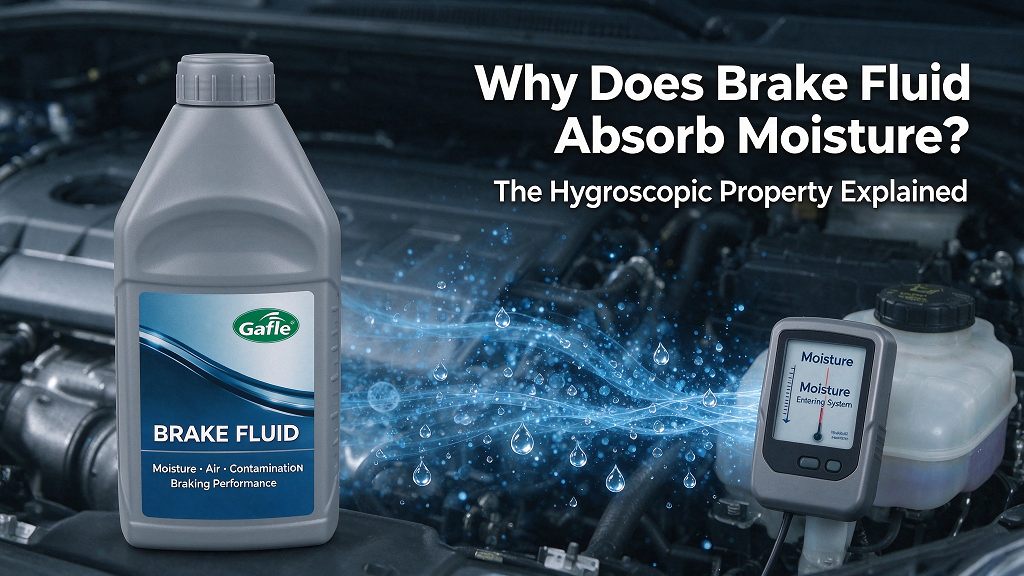
For maintenance managers and automotive engineers, the question of whether brake fluid test strips are accurate often surfaces during fleet maintenance cycles or quality assurance checks. Brake fluid is hygroscopic by design, meaning it absorbs moisture from the atmosphere over time. This moisture content lowers the boiling point of the fluid, which can lead to vapor lock under high-heat braking conditions. While laboratory-grade titration is the gold standard for measuring water content, field-expedient solutions are often preferred for their convenience.
The Mechanics of Test Paper Chemistry
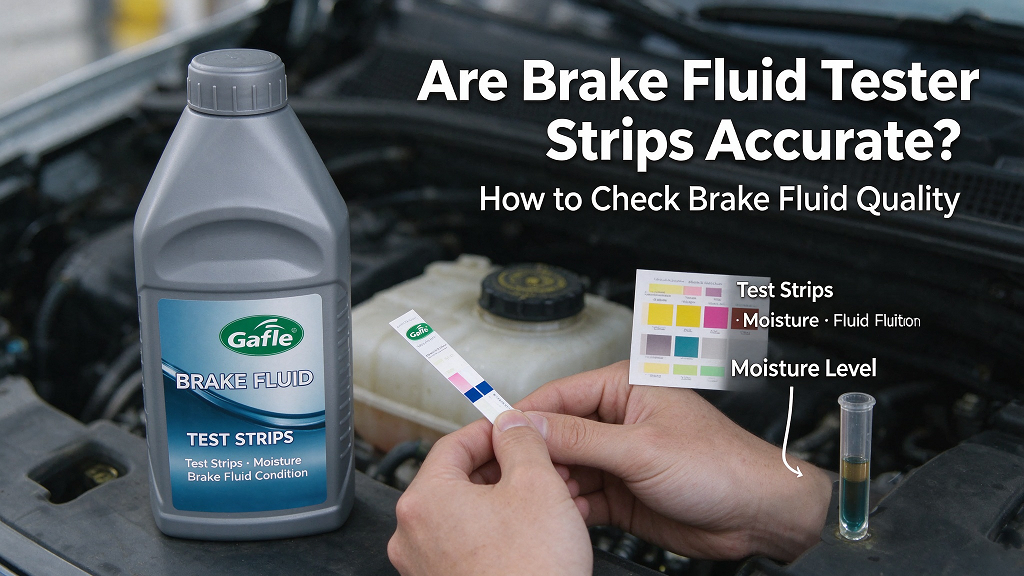
When you use brake fluid tester strips, you are typically utilizing a colorimetric chemical reaction. The test paper is impregnated with reagents that react to copper ions, which serve as a proxy for fluid degradation. As brake fluid ages, internal components like lines and valves experience corrosion, releasing copper into the fluid. The strips measure this copper concentration to estimate how much the corrosion inhibitors have been depleted.
It is vital to acknowledge that these strips are not measuring moisture directly in the way a boiling point tester does. Instead, they provide a snapshot of the chemical stability of the fluid. From an engineering perspective, this is a distinct, though related, data point. If the strip shows a high level of contamination, it indicates that the fluid is past its service life, regardless of the precise percentage of water currently suspended in the glycol ether.
Evaluating Test Strip Limitation and Reliability
Are brake fluid test strips accurate? The short answer is that they are accurate enough for a go/no-go diagnostic in a workshop environment, but they come with specific caveats. The primary test strip limitation is subjectivity. Relying on a human eye to match a color on a strip to a reference chart on a bottle can lead to inconsistent readings. In high-stakes manufacturing or fleet environments, ambient lighting conditions and user fatigue can skew these results.
Furthermore, these strips do not account for every type of contamination. If a system has been contaminated with non-compatible mineral oils or debris that does not trigger the specific copper-based reagent, the test paper may yield a false positive for health. Experienced technicians should always consider the age of the fluid and the general condition of the braking system alongside the strip result.
How to Use Brake Fluid Tester Strips Correctly
To maximize the reliability of your readings, follow these standard protocols:
1. Ensure the reservoir is clean before taking a sample to avoid cross-contamination.
2. Dip the strip into the fluid for the manufacturer-specified duration—usually a few seconds—to ensure the reagent has sufficient contact.
3. Wait the full duration stated on the packaging before reading. Premature observation is the most common cause of inaccurate reporting.
4. Avoid direct sunlight when reading the color change, as UV rays can alter the appearance of the indicators.
Final Considerations for Maintenance Teams
If your organization requires absolute precision for warranty validation or safety compliance, supplement test strips with an electronic boiling point tester or periodic lab analysis. However, as a first-line diagnostic tool, they remain an invaluable resource for catching fluid decay before it becomes a safety risk. When used correctly as part of a structured preventive maintenance program, they offer a cost-effective method for tracking the degradation cycle of your fleet's hydraulic systems. If you are unsure about the results from a batch, always lean toward performing a system flush to prevent long-term component failure.
Welcome to contact GAFLE for more information & cooperation!
peter
ZHEJIANG GAFLE AUTO CHEMICL CO.,LTD
Tel:86-579-8222 1665
Fax:86-579-8246 4690
Cel/Wechart:86-13335993986
E-mail:peter@gafle.net
Web:www.gafle.net