Understanding the Limitations: Is DOT 5 Brake Fluid Suitable for Daily Street Cars?
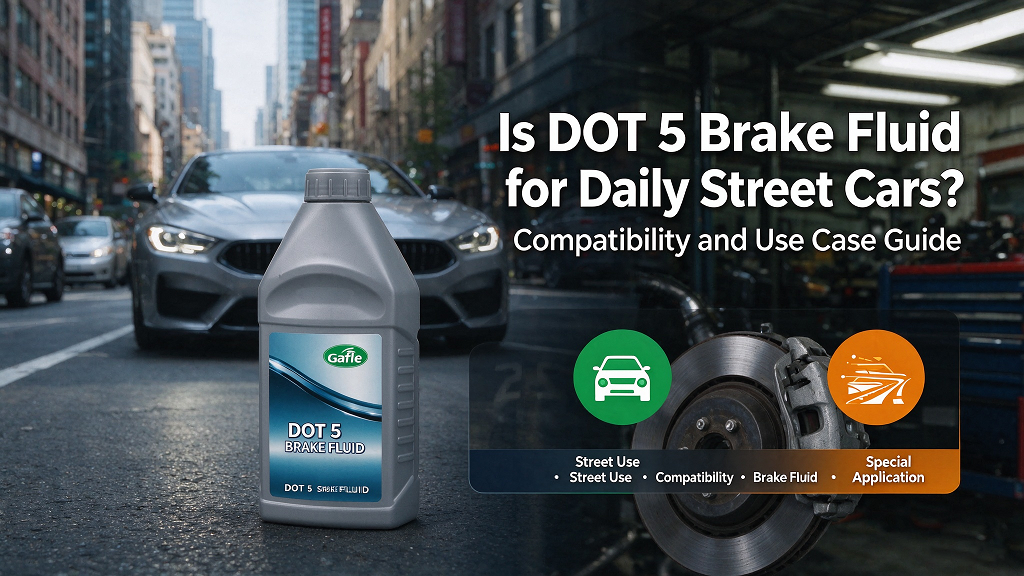
When maintenance season rolls around for your daily driver, you might find yourself browsing the shelves of an auto parts store and noticing the various labels on fluid containers. It is a common question among DIY enthusiasts and curious vehicle owners: Is DOT 5 brake fluid suitable for daily street cars? The short answer for the vast majority of passenger vehicles is no. While it might look like just another numerical upgrade—a higher number often implies a better product in many automotive contexts—DOT 5 is fundamentally different in chemical composition compared to the DOT 3, DOT 4, or DOT 5.1 fluids typically used in standard street vehicles.
The Chemistry Problem: Silicone vs. Glycol
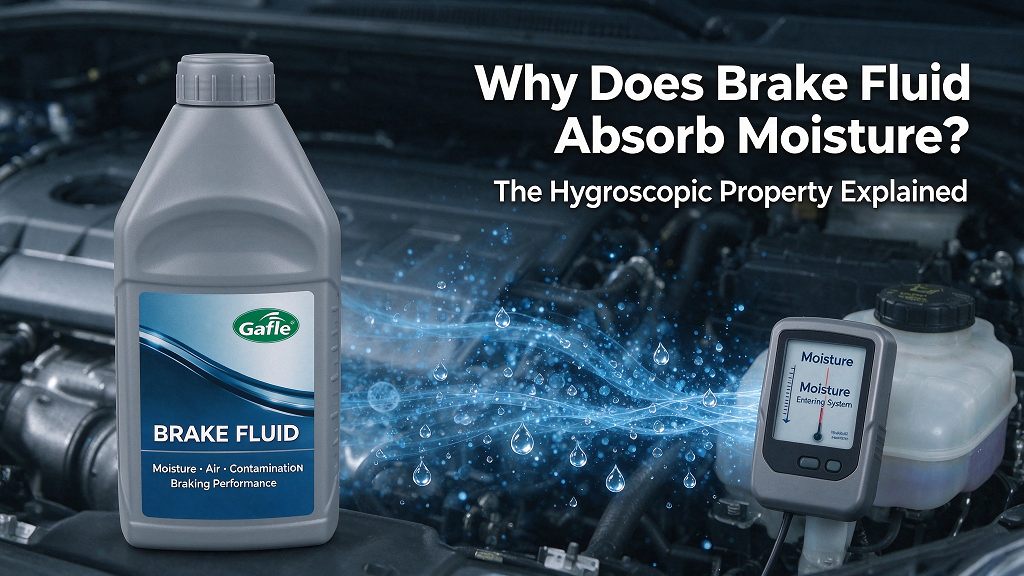
The confusion primarily stems from the naming convention. Most street cars use glycol-based fluids (DOT 3, DOT 4, and DOT 5.1). These are hygroscopic, meaning they absorb moisture over time. While that sounds like a drawback, it actually serves a purpose: it prevents water from pooling at the low points in your braking system, which could otherwise lead to localized corrosion or boiling water pockets.
DOT 5, by contrast, is silicone-based. Silicone fluid is hydrophobic; it does not absorb water. While that sounds beneficial for avoiding moisture buildup, it creates a serious problem in a braking system designed for glycol-based fluids. If water enters a system filled with DOT 5, the water will pool at the lowest point, such as the wheel cylinders or calipers, where it can easily boil and lead to pedal fade or, worse, cause internal corrosion that eventually seizes the component.
DOT 5 vs. DOT 4 for Street Vehicles
If you are comparing DOT 5 vs. DOT 4 for street vehicles, you must recognize that your car’s seals and hoses were likely designed for the specific solvent properties of glycol-based fluid. Silicone-based DOT 5 can have a different effect on the rubber compounds found in older braking systems. In some cases, it may cause these seals to swell or degrade, leading to leaks that are difficult to diagnose until the pedal drops to the floor.
Furthermore, silicone fluid is compressible. If you have ever felt a spongy brake pedal, you know that air is the enemy of hydraulic performance. Because silicone fluid has a slightly higher propensity to trap microscopic air bubbles during the filling process, achieving a firm, consistent pedal feel can be exceptionally difficult without specialized equipment and patience.
Common Disadvantages of DOT 5 Brake Fluid for Normal Cars
There are several distinct disadvantages of DOT 5 brake fluid for normal cars that explain why manufacturers avoid it. First, there is the issue of cross-contamination. If even a small amount of glycol-based fluid is left in the lines during a flush, the mixture can become gelatinous, potentially clogging the intricate passages of modern ABS (Anti-lock Braking System) blocks and proportioning valves.
For a daily driver equipped with an ABS unit, this is a non-starter. These modules are expensive and notoriously sensitive to debris. A system failure caused by the chemical incompatibility of mixed fluids can be catastrophic. If you are determined to use DOT 5, you would need to completely strip, clean, and rebuild the entire hydraulic system to ensure not a single drop of the old fluid remains.
When is DOT 5 Actually Used?
If the fluid is so problematic, why does it exist? DOT 5 is primarily used in military applications or antique vehicle restorations where the car may sit for extended periods. Because silicone fluid does not absorb water, it prevents the internal corrosion that often plagues classic cars that are only driven once a year. Additionally, DOT 5 is less likely to damage the paintwork on a high-end restoration if it happens to drip during service, whereas glycol-based fluids are notoriously aggressive on automotive finishes.
Buyer Advice: Stick to Manufacturer Specifications
When deciding what to put in your brake reservoir, the safest advice is simple: consult your owner’s manual. If it calls for DOT 3 or DOT 4, use exactly that. If you are looking for improved performance for spirited street driving, look toward high-performance DOT 4 products that offer higher dry and wet boiling points without the chemical incompatibility of silicone fluids. Always ensure that any fluid you purchase is stored in a tightly sealed, original container, as brake fluid begins absorbing moisture the moment it is opened.
Welcome to contact GAFLE for more information & cooperation!
peter
ZHEJIANG GAFLE AUTO CHEMICL CO.,LTD
Tel:86-579-8222 1665
Fax:86-579-8246 4690
Cel/Wechart:86-13335993986
E-mail:peter@gafle.net
Web:www.gafle.net