Do EVs Require Dedicated Brake Fluid? Understanding Modern Braking Requirements
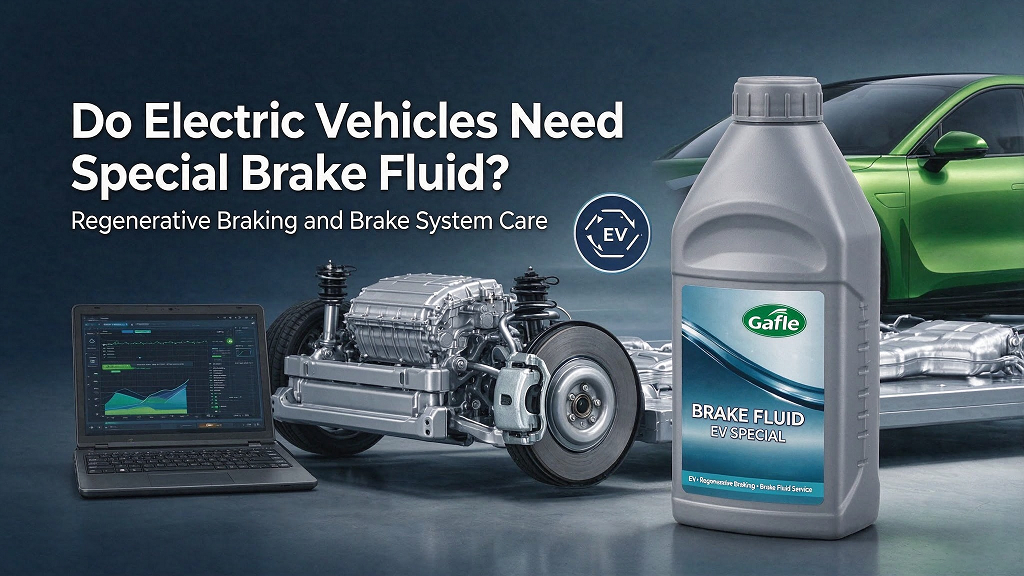
When maintenance schedules for electric cars started appearing in the shop, technicians noticed something immediately: the service intervals looked different. For engineers and fleet managers, the most common point of confusion revolves around the hydraulic system. The question arises frequently: do EVs require dedicated brake fluid? The short answer is that while the underlying chemistry of braking remains grounded in traditional hydraulic principles, the specific demands placed on an EV brake fluid are becoming increasingly nuanced due to the integration of the regenerative braking system.
The Intersection of Hydraulics and Electronics
To understand why you cannot simply treat an electric vehicle like a standard internal combustion engine model, you must look at how the pedal interaction has changed. In a conventional car, the brake pedal is almost exclusively responsible for slowing the vehicle through friction. In an electric car, the regenerative braking system handles a significant percentage of the deceleration.
This shift means that the friction brakes are used less frequently, but they must be ready to engage instantaneously if the computer detects a loss of traction or an emergency obstacle. Because of this, the fluid in the lines can sit stagnant for longer periods compared to a high-mileage ICE vehicle. This lack of constant circulation makes the system particularly susceptible to moisture accumulation, which can lower the boiling point and lead to corrosion within the sophisticated ABS and electronic stability modules.
Why Moisture Resistance is the New Gold Standard
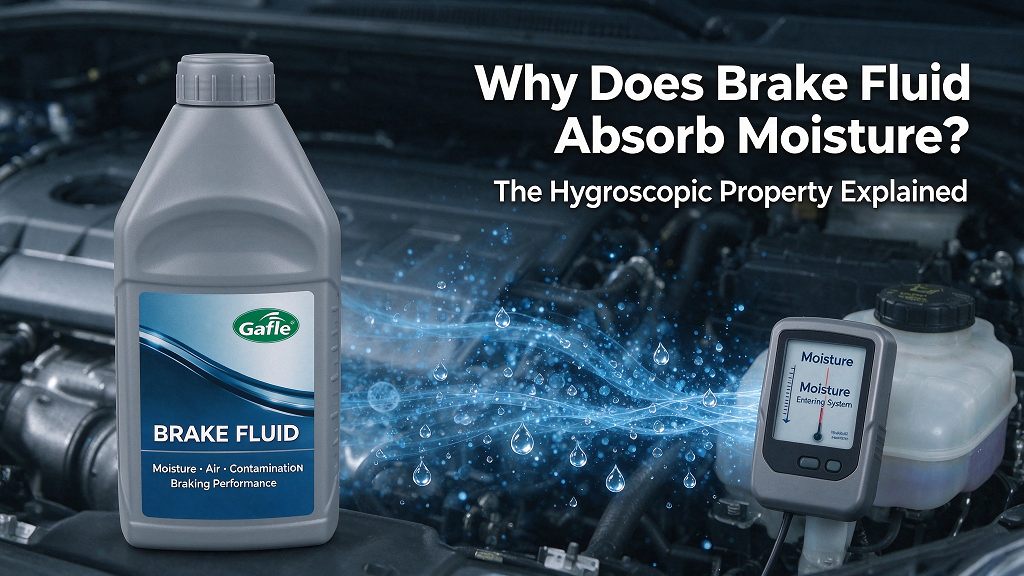
Brake fluid is naturally hygroscopic, meaning it absorbs water from the atmosphere over time. In a high-performance EV, where the transition between regenerative drag and mechanical friction is managed by sensitive electronic pumps and valves, internal corrosion is a significant risk. If you use a fluid that does not have excellent moisture management properties, you run the risk of affecting the response time of the electronic actuator.
Many manufacturers are now specifying fluids with lower viscosity ratings. These formulations ensure that even when the vehicle is operating in cold climates, the electronic systems can actuate the calipers with extreme precision. When selecting a fluid, engineers should prioritize formulations that offer high dry and wet boiling points while maintaining a consistent viscosity profile across a wide temperature range.
Practical Maintenance and Selection Criteria
When sourcing brake fluid for a fleet of electric cars, focus on these three indicators:
1. Viscosity Profile: Ensure the fluid is designed for modern Electronic Stability Control (ESC) systems. High-viscosity fluids can cause sluggish performance in electronic braking units.
2. Corrosion Inhibition: Since the mechanical brakes are used less, the fluid must contain robust inhibitors to protect internal metal components that are seeing less movement than in a traditional car.
3. Manufacturer Specifications: Always look for the specific DOT classification, but pay attention to the manufacturer's supplemental requirements. An EV-specific or "low-viscosity" rating often denotes the stability required for modern regenerative systems.
Common Pitfalls in EV Brake Servicing
A common mistake among new EV owners and some general service shops is the assumption that brake fluid longevity is tied to friction pad wear. Because pads on an electric car may last for 80,000 miles or more, there is a temptation to delay the fluid flush. However, the fluid is aging based on time and humidity exposure, not just usage.
Waiting until the pedal feels "soft" is an outdated strategy. Given that these vehicles often feature advanced driver-assistance systems that rely on instant hydraulic pressure to prevent collisions, neglecting the brake fluid is not just a maintenance oversight; it is a safety risk that impacts the computer’s ability to execute a perfect stop.
If you are managing an EV fleet, update your maintenance software to track fluid age by date rather than mileage. Most experts suggest a two-year interval as a baseline, though this should be adjusted if your vehicles operate in high-humidity environments. By moving toward a proactive, rather than reactive, maintenance schedule, you ensure that the regenerative braking system and the friction brakes continue to operate in harmony, maximizing the longevity of your hardware.
Welcome to contact GAFLE for more information & cooperation!
peter
ZHEJIANG GAFLE AUTO CHEMICL CO.,LTD
Tel:86-579-8222 1665
Fax:86-579-8246 4690
Cel/Wechart:86-13335993986
E-mail:peter@gafle.net
Web:www.gafle.net