Why the brake fluid question matters for hybrid buyers and service teams
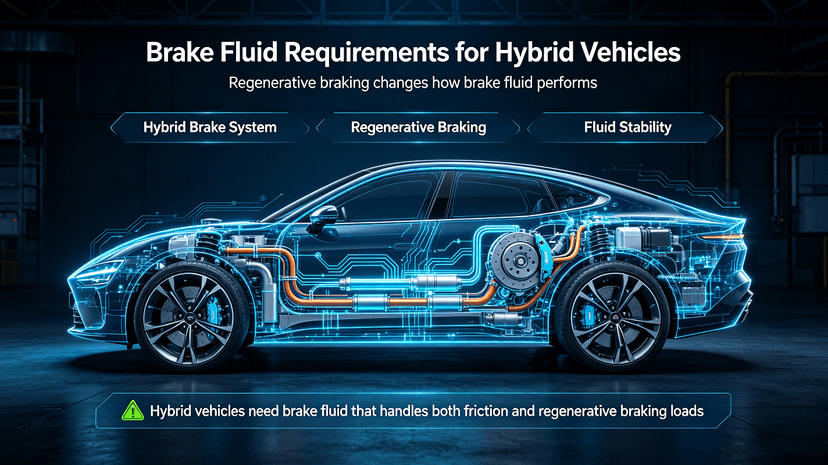
The difference between hybrid and gasoline car brake fluid is easy to misunderstand because, at first glance, both vehicle types often use similar hydraulic components. That is exactly why the topic matters. A service manager, repair shop, or parts buyer can look at the reservoir cap, see a familiar DOT specification, and assume the system is interchangeable. In practice, the details depend on how the braking system is designed, how much regenerative braking the vehicle uses, and how the manufacturer has engineered the hydraulic side of the system.
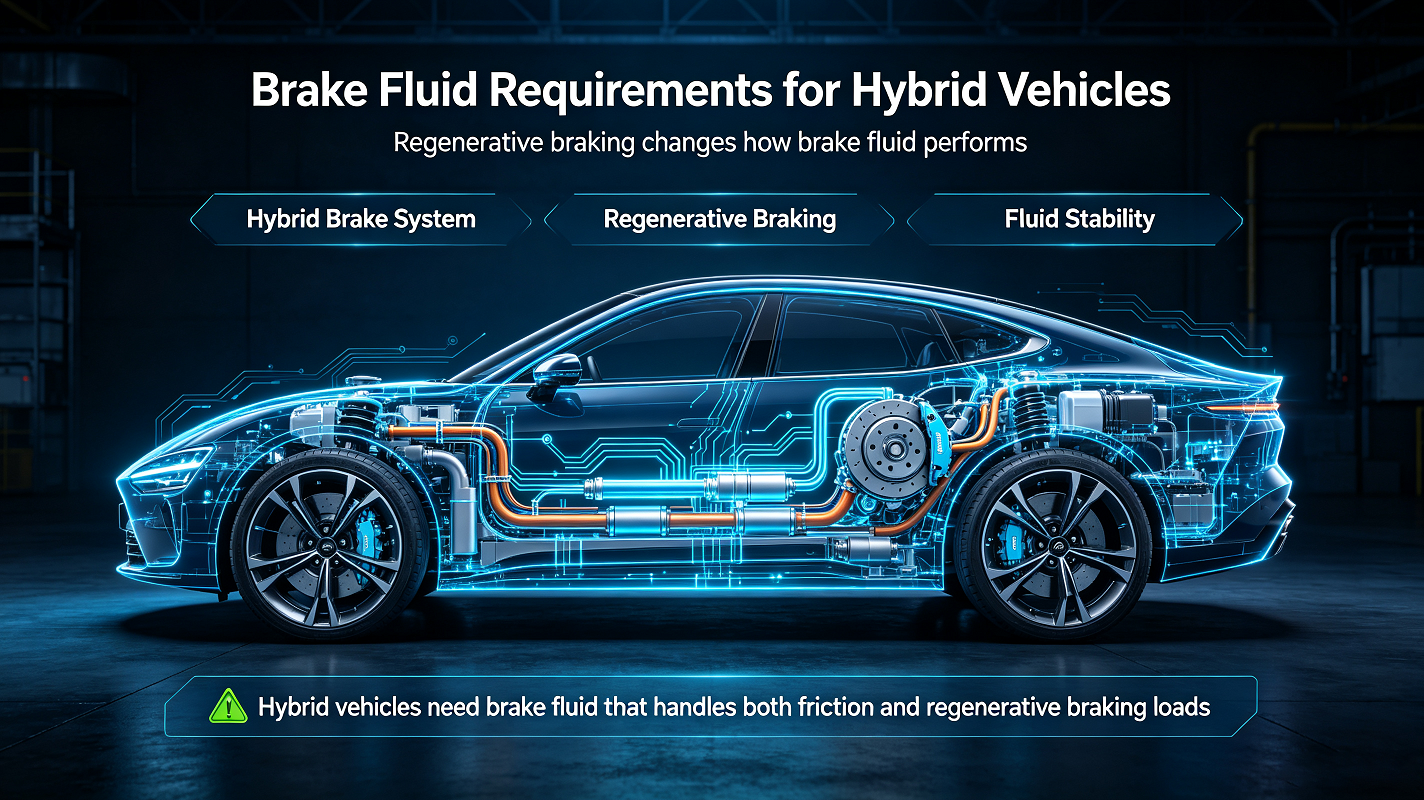
For most modern vehicles, the brake fluid itself is not changed simply because the car is a hybrid. What changes is the brake architecture around it. Hybrids blend regenerative braking with friction braking, so the hydraulic brakes may operate differently and sometimes less frequently than on a conventional gasoline car. That can affect fluid condition, service intervals, pedal feel, and the way technicians diagnose complaints.
Quick answer: is hybrid brake fluid different?
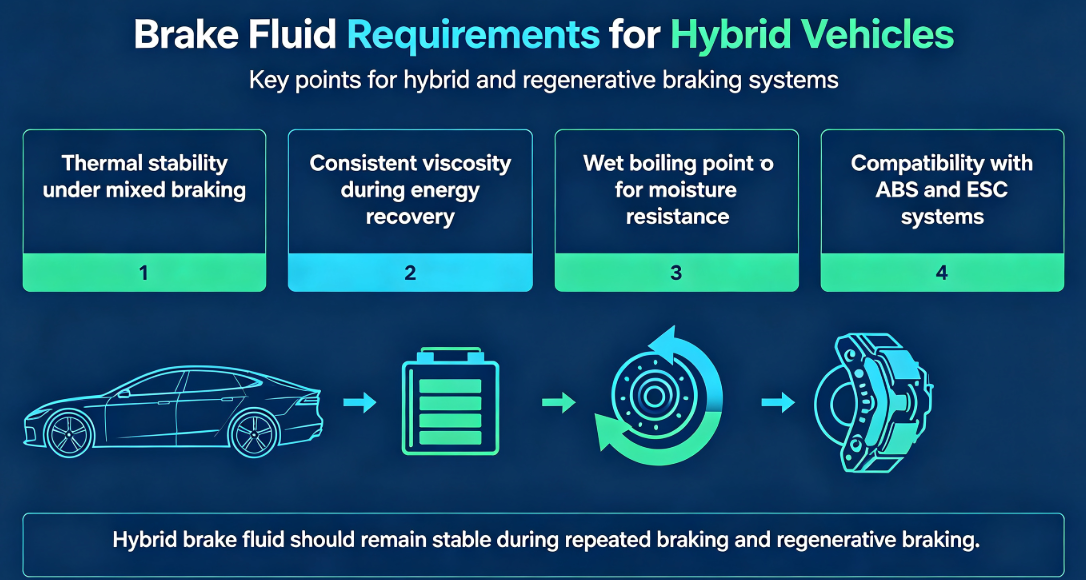
Usually, the fluid type is not unique to hybrids. Many hybrid models still require standard brake fluid specifications such as DOT 3 or DOT 4, depending on the OEM design. The real question is not whether a hybrid vehicle brake fluid is “special” in name, but whether the vehicle manufacturer calls for a particular grade, viscosity, or service approach.
So if someone asks, what brake fluid do hybrid vehicles need, the safest answer is: the exact fluid listed by the vehicle manufacturer. Do not assume all hybrids use the same fluid as all gasoline cars, and do not assume the hybrid label alone changes the chemistry. The specification matters more than the powertrain label.
Where hybrids differ: the brake system, not always the fluid
In a gasoline car, the driver’s braking demand is handled mostly by the hydraulic system and friction pads or shoes. In a hybrid brake system, regenerative braking may capture energy first, then the friction brakes fill in when more stopping force is needed or when the vehicle is moving slowly. That can reduce the frequency of heavy hydraulic braking and, in some cases, leave the fluid in the calipers and lines under longer periods of light use.
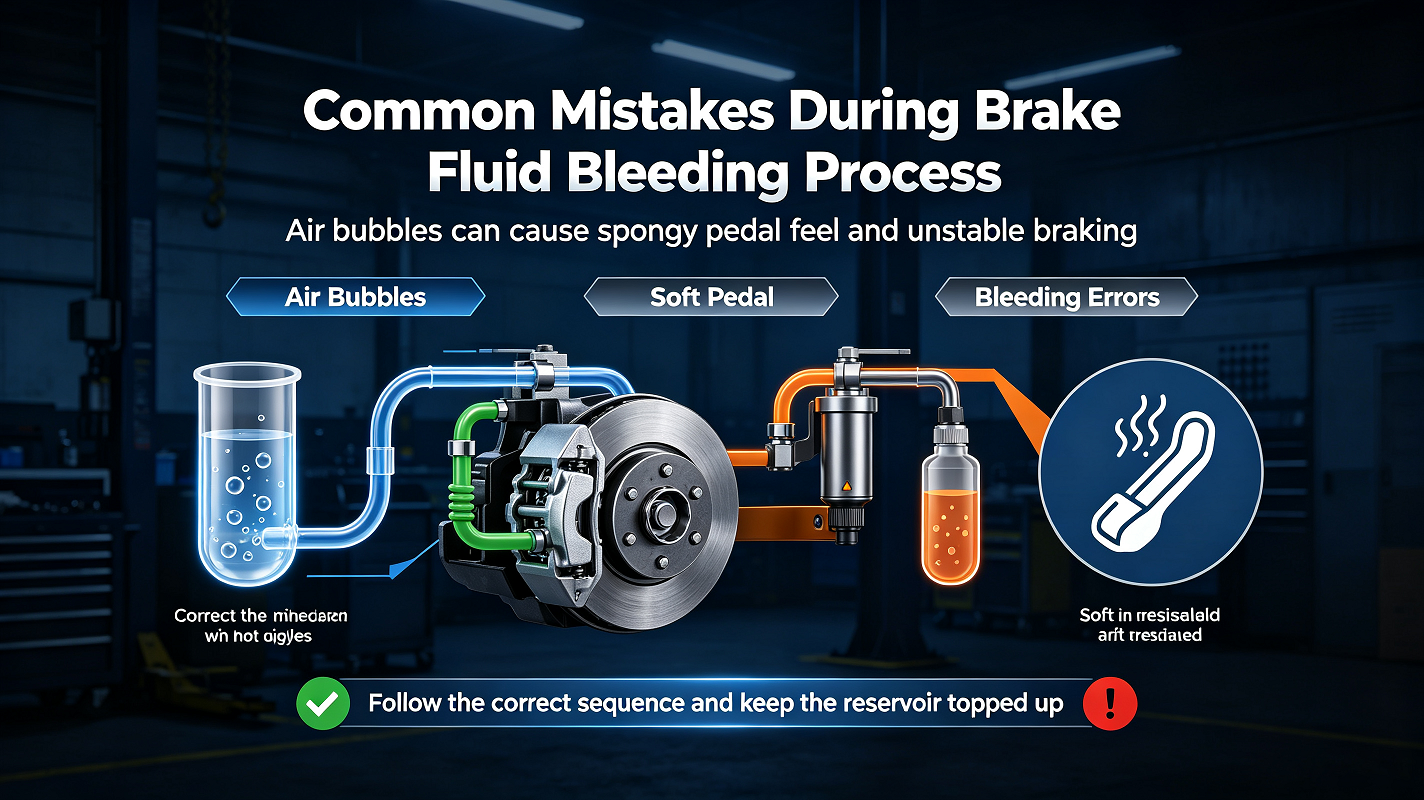
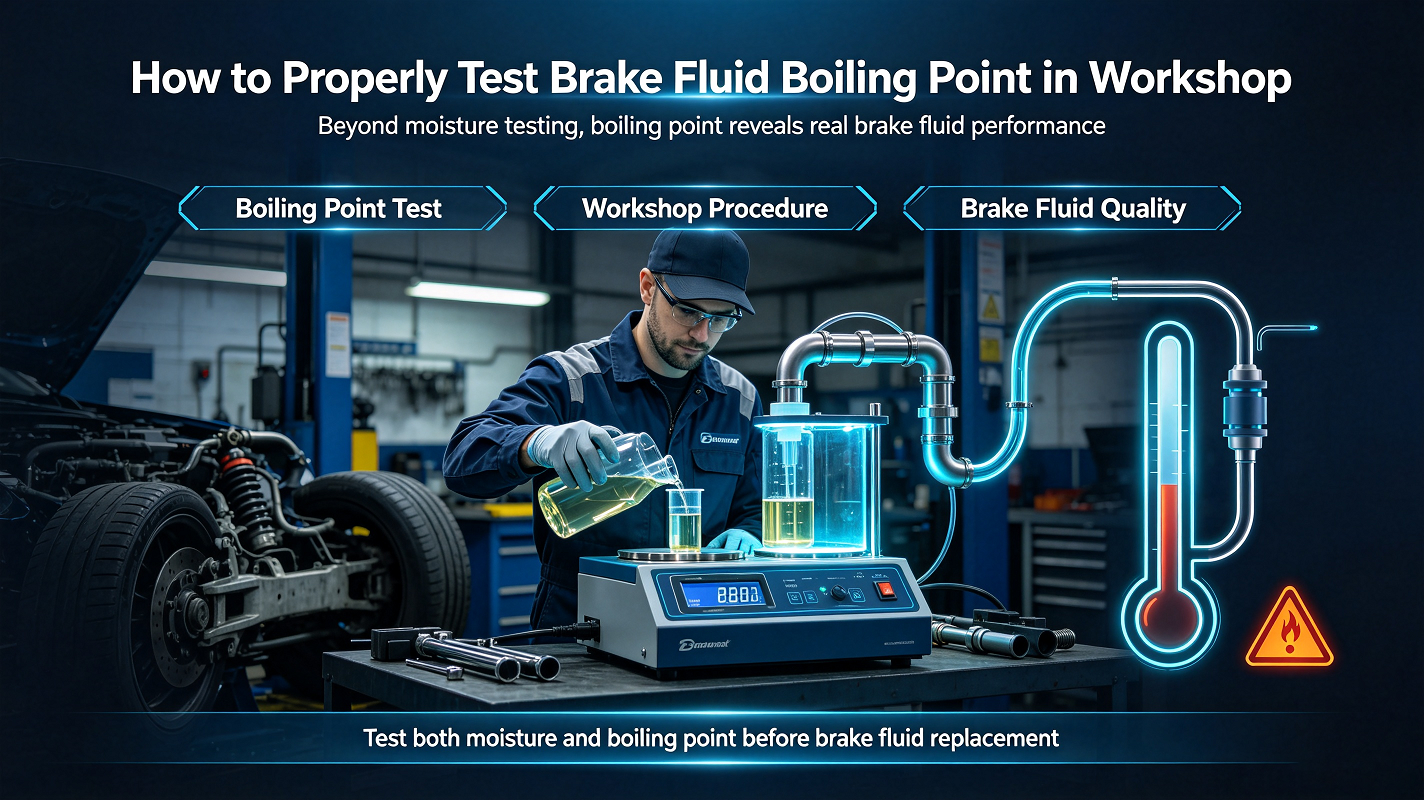
This is not a small detail. Brake fluid is hygroscopic, meaning it absorbs moisture over time. Less frequent hard braking does not prevent moisture absorption. In fact, vehicles that use regen heavily can still experience fluid aging, corrosion risk in components, and sticky caliper issues if the system is neglected. The fluid may look fine in the reservoir while the lower portions of the system are not fine at all.
Practical comparison: hybrid vs gasoline car brake fluid considerations
1. Fluid specification
Both hybrids and gasoline vehicles commonly use the same mainstream DOT categories, but the correct choice comes from the OEM service information, not a generic parts catalog.
2. Service behavior
Hybrids may rely more on electronic brake controls and blending between regen and friction braking. That means technicians should expect different pedal behavior and potentially different bleeding procedures on some models.
3. Maintenance sensitivity
Because regenerative braking can reduce friction-brake use, some hybrid systems may hide wear patterns until a service interval or fault appears. This is one reason a hybrid brake system deserves careful inspection rather than a quick fluid top-off.
4. Diagnostic caution
A spongy pedal, unusual activation of ABS or stability controls, or poor braking consistency should not be blamed on the fluid alone. On hybrids, sensors, pumps, actuators, and software logic can all be part of the story.
Buyer and service checklist: what to confirm before ordering fluid
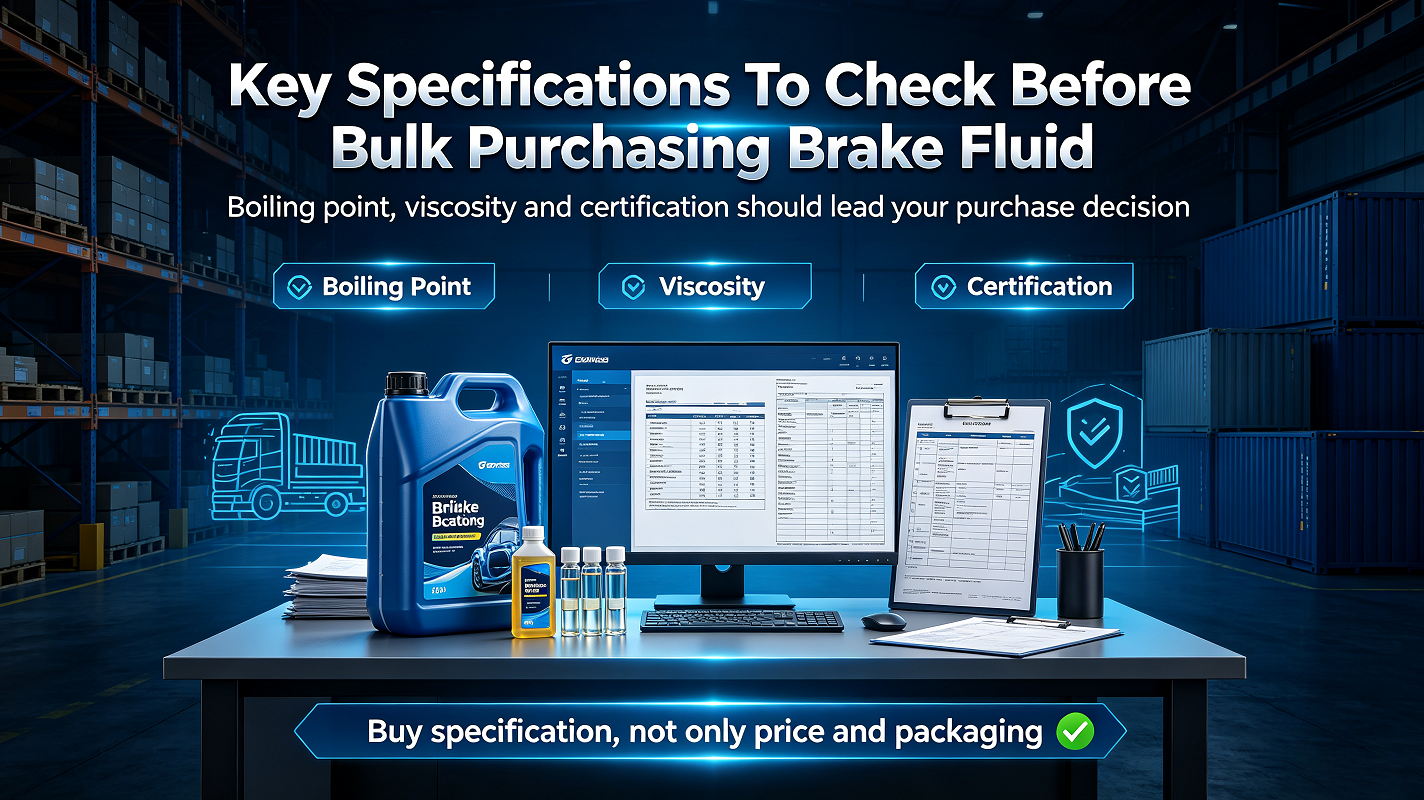
If you are sourcing fluid for a shop or fleet, confirm the OEM specification by model year and trim. Some hybrid platforms share brake hardware with gasoline variants, while others use more integrated control systems. Check whether the service procedure requires scan-tool support, special bleeding steps, or a specific fluid viscosity requirement. Those details can matter more than the label on the bottle.
It is also worth checking packaging and storage discipline. Brake fluid containers should be sealed, properly identified, and handled to avoid moisture contamination. An open jug on a bench is a common shop habit, and it is one of the fastest ways to compromise fluid quality. Small mistake, expensive consequence.
Common mistakes people make
One common error is assuming all hybrids need a different fluid because they brake “like an EV.” They usually do not. Another is treating any DOT-rated fluid as automatically compatible. That shortcut can cause trouble when the vehicle calls for a specific performance level, especially in systems with high thermal or low-viscosity demands.
A third mistake is ignoring maintenance on low-mileage hybrids. These vehicles often spend a lot of time in light-duty commuting, which can delay obvious brake wear but still allow fluid aging. The brakes may feel okay until a more demanding stop reveals the weakness.
What brake fluid do hybrid vehicles need in practice?
They need the fluid specified by the automaker, changed at the interval recommended for that platform, and installed with procedures suited to the brake control system. That is the practical answer. The badge on the hood matters less than the service manual in the glove box or OEM database.
For engineering teams and sourcing staff, the decision point is simple: standardize by specification, not by vehicle label. For repair operations, train technicians to treat hybrid brake service as a system task, not just a fluid replacement.
Next step for buyers and technicians
Before stocking brake fluid for hybrid service, build your part list from exact OEM requirements and service procedures by model year. If you support mixed fleets, separate hybrid and gasoline applications by specification rather than assuming one universal bottle will cover everything. That approach reduces comebacks, avoids compatibility mistakes, and keeps the brake system doing the job it was designed to do.
Welcome to contact GAFLE for more information & cooperation!
peter
ZHEJIANG GAFLE AUTO CHEMICL CO.,LTD
Tel:86-579-8222 1665
Fax:86-579-8246 4690
Cel/Wechart:86-13335993986
E-mail:peter@gafle.net
Web:www.gafle.net