Why hybrid vehicle coolant deserves more attention than it usually gets
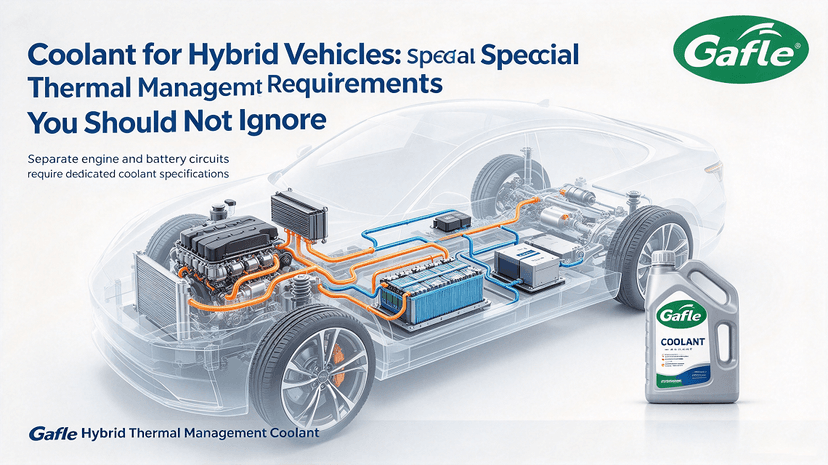
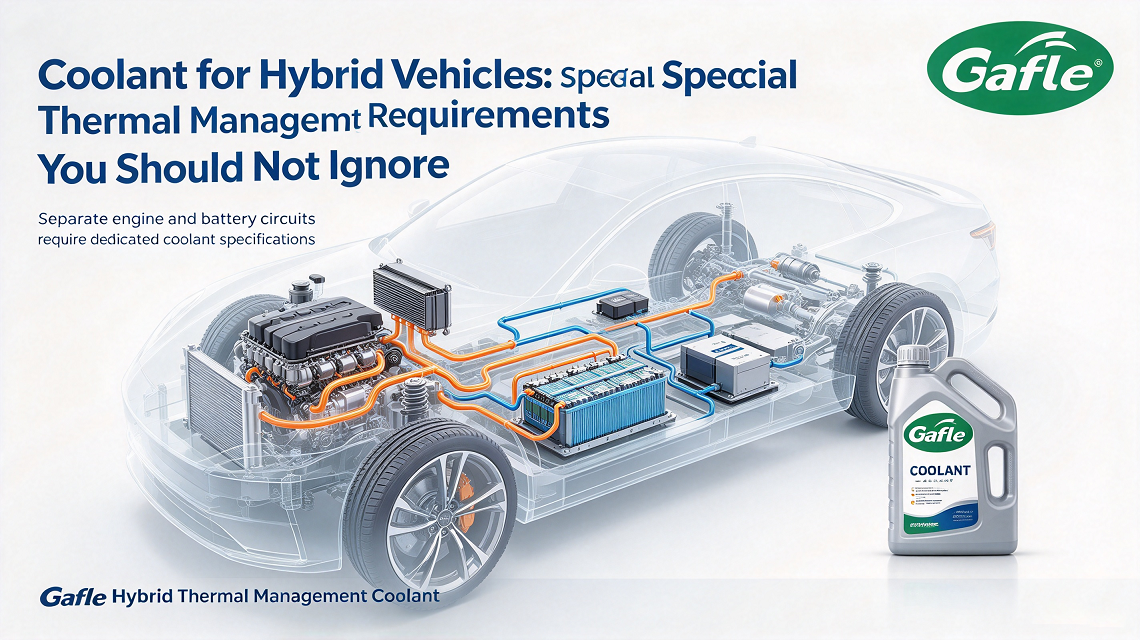
Hybrid vehicle coolant is not just another under-hood fluid to top off when the warning light appears. In a hybrid platform, the cooling system often has to do more than protect the engine from overheating. It may also support power electronics, an inverter, and, in some designs, a battery cooling circuit. That changes the buying question from “Which antifreeze is cheapest?” to “Which coolant actually matches the thermal and material requirements of this vehicle?”
For engineers, sourcing managers, and service teams, this matters because a mismatch can create avoidable risk: corrosion, conductivity issues, seal compatibility problems, or reduced heat transfer where the system needs it most. The details are not glamorous, but they are the details that keep a vehicle on the road.
What makes hybrid cooling different
A conventional gasoline engine coolant is mainly expected to manage heat from the block, radiator, water pump, and heater core. A hybrid system can be more complex. Depending on the vehicle architecture, coolant may also be used around the inverter, electric motor components, and related thermal loops. Some systems even use a dedicated coolant for hybrid car battery cooling circuit applications, although not every hybrid does. That distinction is important; the thermal loop design varies by OEM and platform.
The term hybrid cooling fluid is often used loosely, but buyers should not treat all coolants as interchangeable. Some are formulated for long-life service, some emphasize compatibility with mixed-metal systems, and some are intended for specific vehicle families. If you are comparing options, the key is to match the fluid to the system design and the OEM requirements rather than relying on color alone. Color is a clue, not a specification.
Quick reference: what buyers should check first
Before selecting a hybrid vehicle coolant, review three basics: the vehicle maker’s specification, the cooling loop it serves, and whether the fluid is meant for general engine protection or a more specialized hybrid circuit. Those three items usually narrow the field quickly.
If a fleet or service department is managing multiple models, it helps to map the coolant family by application instead of by shelf label. That is often where mistakes begin: one fluid looks close enough to another, but the chemistry, inhibitor package, or electrical properties may not be a good match.
Difference between hybrid coolant and gasoline car coolant
The difference between hybrid coolant and gasoline car coolant is not always a dramatic one on the bottle, which is why confusion persists. Both are commonly a form of antifreeze/coolant blended with water and corrosion inhibitors. But hybrid systems may place different demands on the fluid. Electric-drive components can be sensitive to contamination, and certain circuits may require lower electrical conductivity or stricter material compatibility than a standard engine loop.
That does not mean every hybrid needs a unique chemistry from the ground up. In some cases, the fluid may be very similar to a modern long-life coolant used in other vehicles. The real issue is application fit. A fluid that performs adequately in a gasoline engine may not be the right choice for a hybrid battery or inverter loop. The reverse can also be true. A buyer who assumes “coolant is coolant” can end up with the wrong product in a system that is less forgiving than it looks.
Selection criteria that actually matter
Compatibility with metals and seals
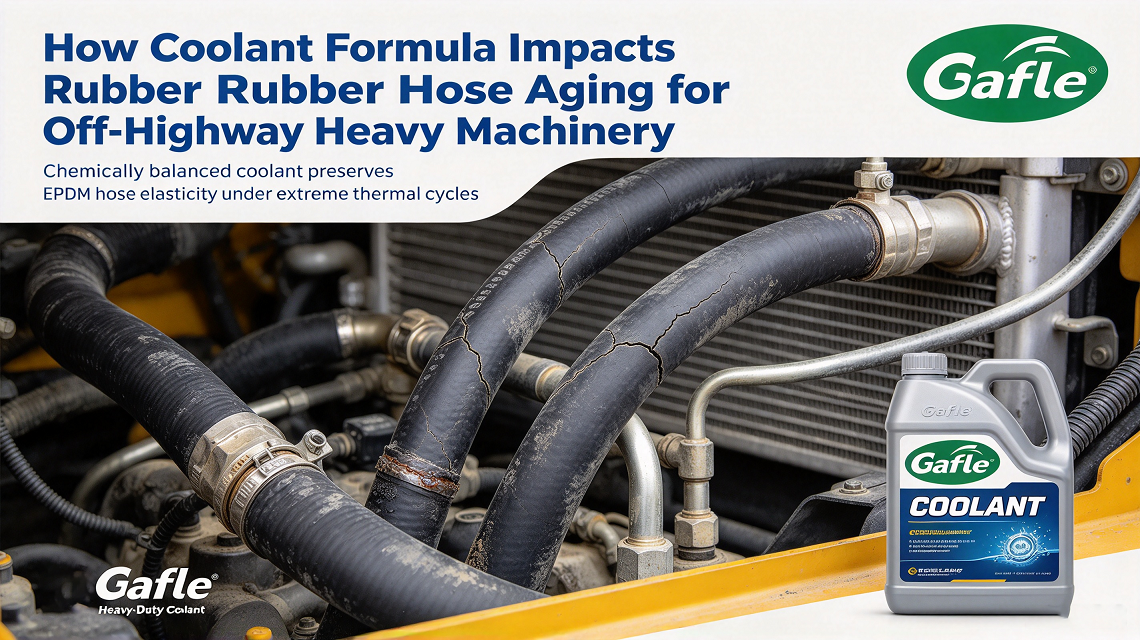
Hybrid systems can involve aluminum, plastics, elastomers, and mixed alloys. The coolant needs to protect those surfaces without attacking seals or leaving deposits. In practical terms, deposits are a bigger nuisance than they sound; they restrict flow and can reduce heat transfer over time.
Service interval expectations
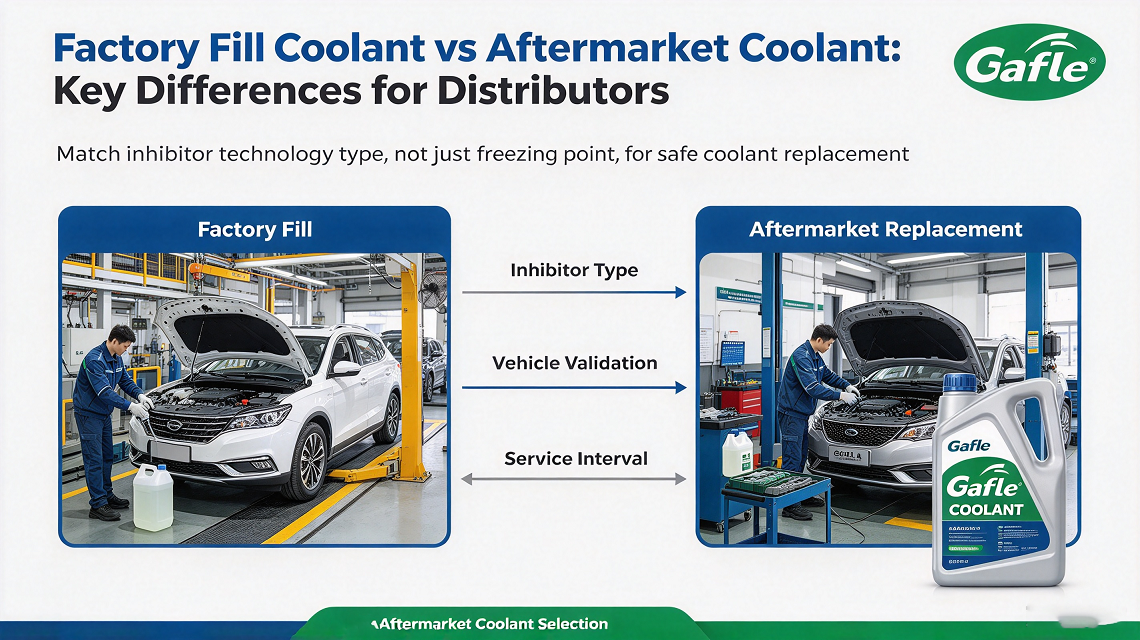
Some buyers want a product that supports longer maintenance cycles. That can reduce downtime, but only if the fluid is approved for the vehicle and handled properly during service. Mixing products to save time is a false economy.
Application-specific use
When the fluid is intended for a coolant for hybrid car battery cooling circuit, verify that the product is designed for that purpose. Battery-related thermal systems deserve extra caution because contamination or incorrect formulation can cause expensive headaches later, even if the system appears to run normally at first.
Common mistakes on the shop floor and in procurement
The most common mistake is topping off with whatever antifreeze is already in stock. The second is assuming a universal coolant can cover every vehicle in the fleet. A third, less obvious problem is contamination during handling: using dirty containers, mixing unknown leftovers, or introducing tap water with too many dissolved minerals. None of that looks dramatic in the moment, but it can shorten fluid life and add debris to a system that needs clean thermal performance.
Another practical caution: do not judge a fluid by marketing language alone. Terms like “advanced,” “extended life,” or “universal” may be true within a defined spec, but they are not a substitute for compatibility data.
Buyer advice for sourcing and maintenance teams
If you are sourcing hybrid vehicle coolant for service use, build your purchasing logic around application specificity. Ask which models the fluid is approved for, whether it supports engine and electric-drive circuits, and whether it can be used for top-off or only for full drain-and-fill service. If the answer is unclear, treat that as a warning sign.
For maintenance teams, label storage containers clearly and separate hybrid cooling fluid from general-purpose coolant inventory. That small discipline saves a surprising amount of troubleshooting later. It also makes training easier for technicians who are moving between vehicle platforms.
FAQ
Can I use standard antifreeze in a hybrid?
Only if the vehicle specification allows it. Hybrid systems can have requirements that go beyond basic freeze protection.
Does coolant color identify the right product?
No. Color can help distinguish products in a shop, but it should never replace the actual specification.
Should battery cooling circuits be treated differently?
Yes. If a vehicle has a dedicated coolant for hybrid car battery cooling circuit use, follow that system’s requirements closely.
What to do next
If you are buying, stocking, or servicing hybrid vehicle coolant, start with the OEM requirement and then compare the fluid’s intended application, inhibitor package, and maintenance profile. That is the most reliable way to avoid mismatches. In hybrid thermal management, the safest choice is usually the one that fits the circuit exactly, not the one that sounds generic enough to cover everything.
Welcome to contact GAFLE for more information & cooperation!
peter
ZHEJIANG GAFLE AUTO CHEMICL CO.,LTD
Tel:86-579-8222 1665
Fax:86-579-8246 4690
Cel/Wechart:86-13335993986
E-mail:peter@gafle.net
Web:www.gafle.net