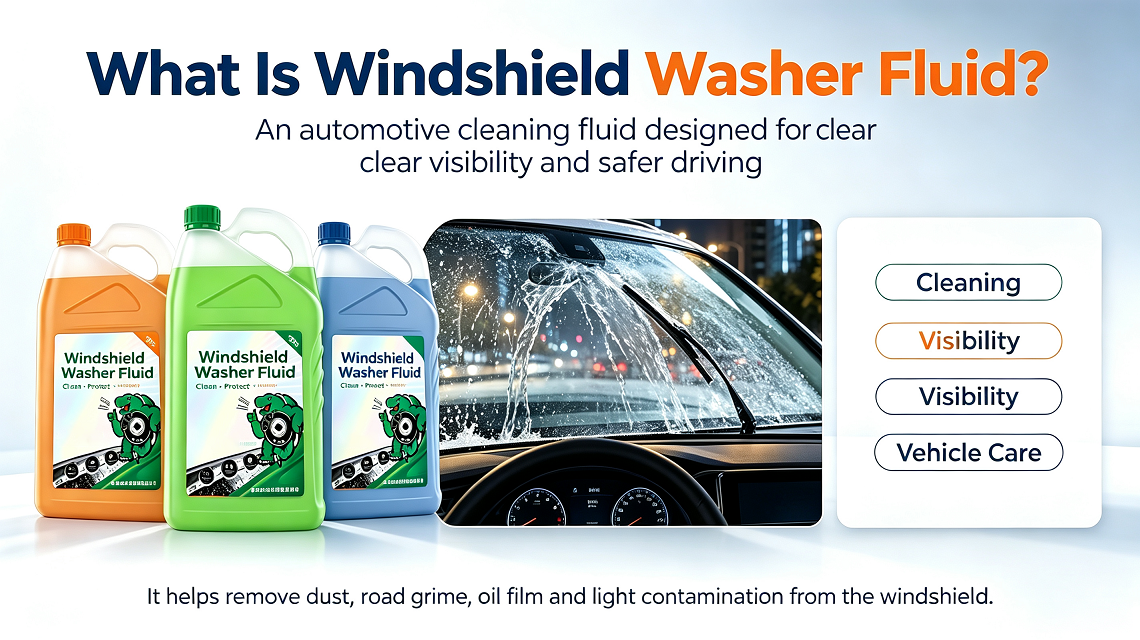
What Is Windshield Washer Fluid, and Why It Matters
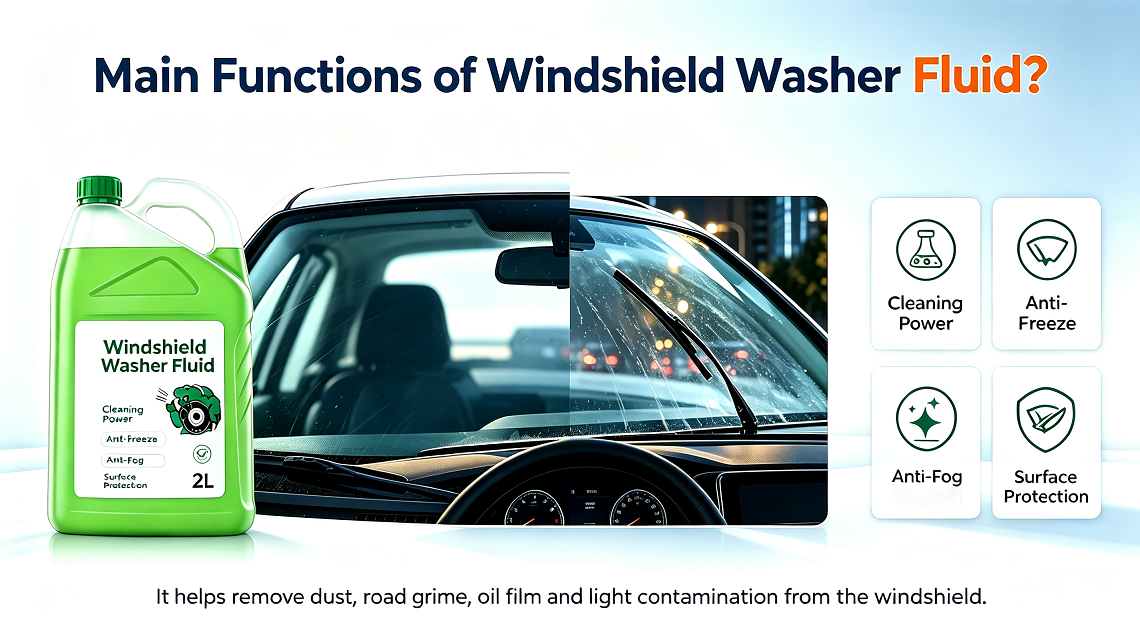
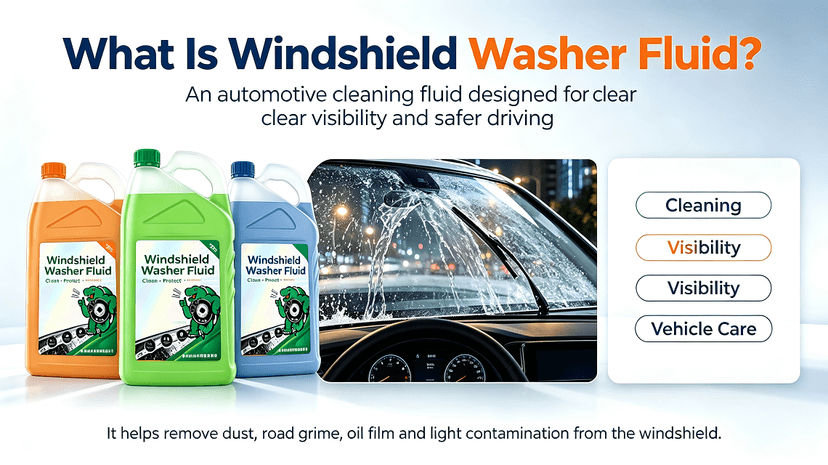
For drivers, fleet managers, and automotive buyers, the question what is windshield washer fluid sounds simple, but the answer affects visibility, maintenance, and even cold-weather reliability. Windshield washer fluid is the liquid stored in a vehicle’s washer reservoir and sprayed onto the windshield to lift away dust, road film, bugs, salt, and light grease before the wipers sweep it clear. It is not just tinted water. In practice, it is a formulated cleaning fluid designed to work with rubber blades, plastic reservoirs, nozzles, and sometimes freezing temperatures.
A basic introduction helps, but the practical value is in understanding what the fluid is meant to do and what it is not meant to do. The wrong fill can leave streaks, freeze in the lines, attack seals, or simply fail to remove the grime that builds up on commercial vehicles and daily drivers alike. For anyone sourcing vehicle maintenance materials, that means washer fluid should be treated as a small consumable with real operational impact.
What’s in Washer Fluid
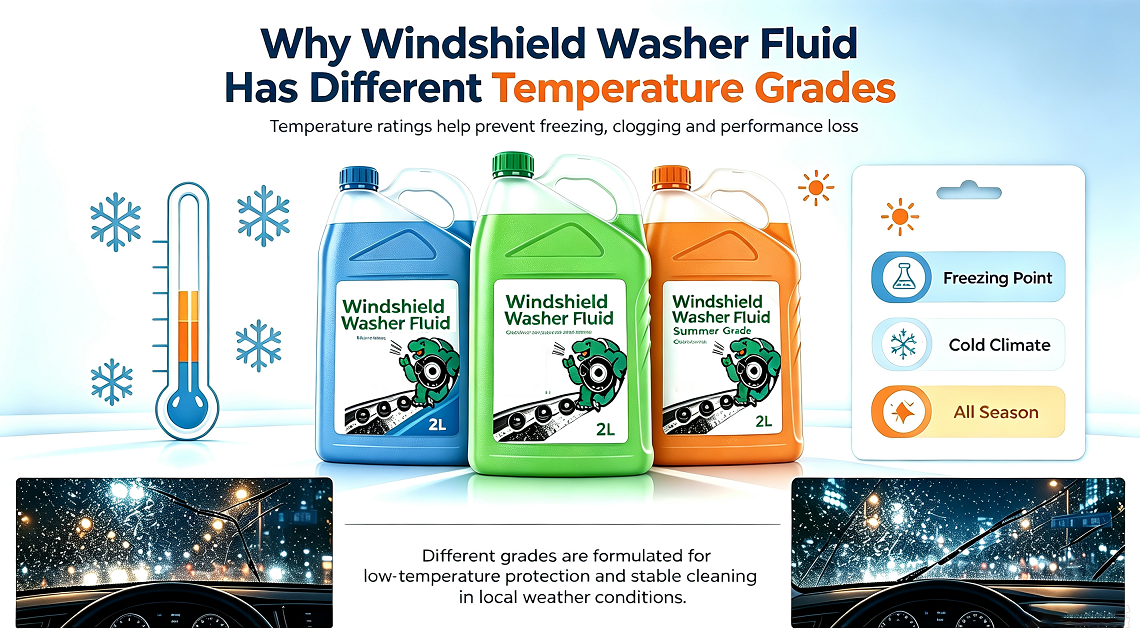
Most washer fluids are water-based blends with cleaning agents, solvents, and sometimes alcohols or antifreeze-type components. The exact formula varies by climate and intended use. Summer blends are usually focused on cleaning performance and residue control. Winter blends are made to resist freezing and keep spray systems usable in low temperatures.
That simple split matters more than many buyers expect. A car windshield fluid formulated for warm weather may clean well in July and become a liability in January. Conversely, an aggressive low-temperature blend can evaporate quickly or have a stronger odor. There is usually a tradeoff between cleaning strength, freeze resistance, and material compatibility, so product choice should match the operating environment rather than just the price point.
How It Works in the Vehicle
The system is straightforward: a reservoir stores the fluid, a pump pushes it through hoses, and nozzles spray it across the glass. The wipers then spread and remove the contaminated layer. That seems simple, but performance depends on the whole chain. Weak spray patterns, clogged nozzles, worn wiper blades, or dirty glass can make even a decent fluid look ineffective.
In fleet settings, this is where maintenance discipline pays off. A vehicle may have perfectly serviceable blades and still fail a visibility check because the reservoir was topped off with plain water, contaminated concentrate, or an incompatible mix. Small errors become larger when vehicles operate across different climates or road conditions.
Types Buyers Usually Compare
Summer or all-season cleaning fluids
These are aimed at everyday grime: dust, insects, oily road mist, and pollen. They are often used where freezing is not a concern or where temperatures stay moderate.
Winter or de-icing blends
These are designed for low temperatures and are commonly selected for regions with frost, ice, or snow. Their practical job is not only cleaning but keeping the washer system functional when conditions turn harsh.
Concentrates and premixed products
Concentrates can reduce storage and shipping volume, which may interest procurement teams. Premixed products are simpler for end users and reduce dilution mistakes. If a team has multiple service locations, simplicity often wins more often than theory suggests.
Selection Criteria That Actually Matter
When evaluating washer fluid, buyers should start with climate, then look at residue behavior, packaging, and compatibility with existing fleet practices. In very cold regions, freeze resistance is not optional. In dusty industrial areas, streak control and cleaning strength deserve more attention. For mixed fleets, standardization can be as important as performance because it reduces misuse.
It is also worth paying attention to labeling and handling. A fluid that is easy to identify and dispense is less likely to be mixed incorrectly. That may sound minor, but service bays and warehouse shelves are where many avoidable mistakes start.
Common Mistakes
One frequent mistake is treating all washer fluids as interchangeable. Another is using water alone for convenience. Water may move through the system, but it does not clean as well and can freeze in the wrong conditions. A third mistake is ignoring the windshield itself. If glass is coated with traffic film or the wipers are worn, no fluid will fully compensate.
There is also a tendency to overfocus on brand language and underfocus on use case. A fleet operating in a coastal city has different needs from one crossing mountain routes every morning. The fluid should follow the application, not the shelf display.
Practical Buyer Advice
If you are choosing washer fluid for a business or vehicle program, start with the expected temperature range, then decide whether cleaning power or freeze protection matters more. Check whether the team prefers ready-to-use products or concentrates. Finally, make sure the purchase plan fits storage and refill routines. A technically good fluid can still become an operational nuisance if it is awkward to handle.
For engineers and sourcing managers, the decision is less about chemistry trivia and more about reliability. The right washer fluid supports driver visibility, reduces complaints, and keeps a basic safety system from becoming a maintenance exception.
FAQ
Can windshield washer fluid be made from water alone?
It can be filled with water in an emergency, but that is not a proper substitute for a formulated product.
Is all car windshield fluid the same?
No. Formulas vary by season, climate, packaging format, and cleaning or freeze-resistance priorities.
How often should it be checked?
Routine inspection is best, especially before long trips, seasonal changes, or fleet dispatch cycles.
Next Step for Buyers
If you are specifying or sourcing washer fluid, compare products against climate, cleaning needs, and handling requirements rather than treating it as a commodity with no variation. The right basic introduction is useful, but the real decision comes down to where the vehicle runs and what the system must do on a wet, dirty, or freezing day.
Welcome to contact GAFLE for more information & cooperation!
peter
ZHEJIANG GAFLE AUTO CHEMICL CO.,LTD
Tel:86-579-8222 1665
Fax:86-579-8246 4690
Cel/Wechart:86-13335993986
E-mail:peter@gafle.net
Web:www.gafle.net