Main functions of automotive windshield washer fluid and why buyers should care
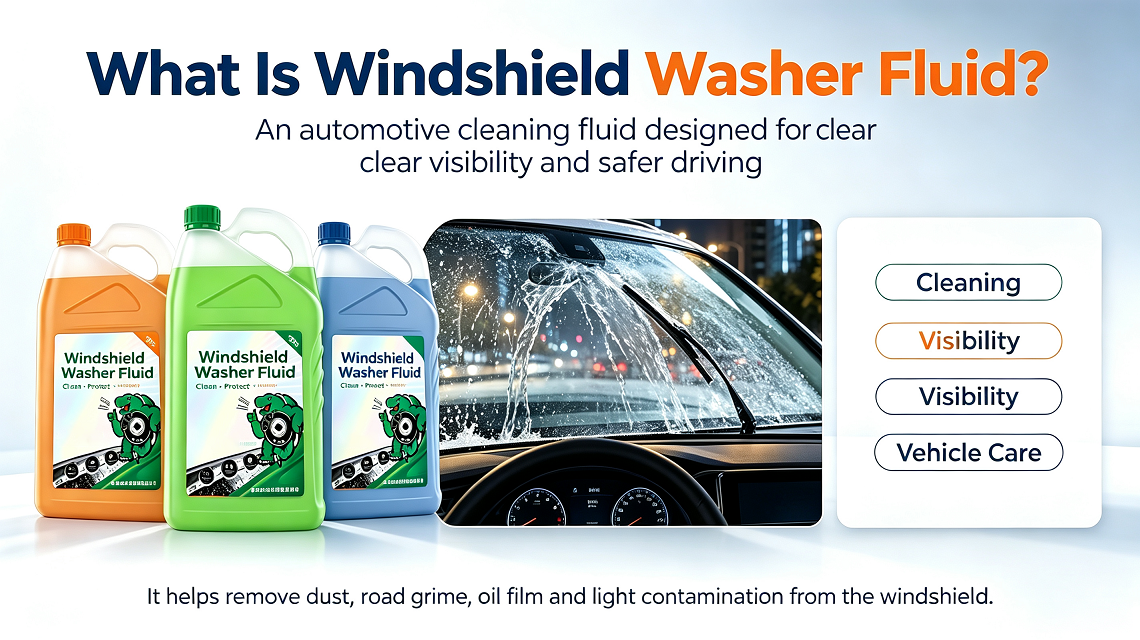
When people ask about the main functions of automotive windshield washer fluid, they are usually asking a practical question: what does this liquid really do beyond spraying onto the glass? For fleet managers, parts buyers, service teams, and product planners, that question matters because washer fluid is not a cosmetic add-on. It affects visibility, wiper performance, seasonal reliability, and even how a vehicle is perceived by the driver in everyday use.
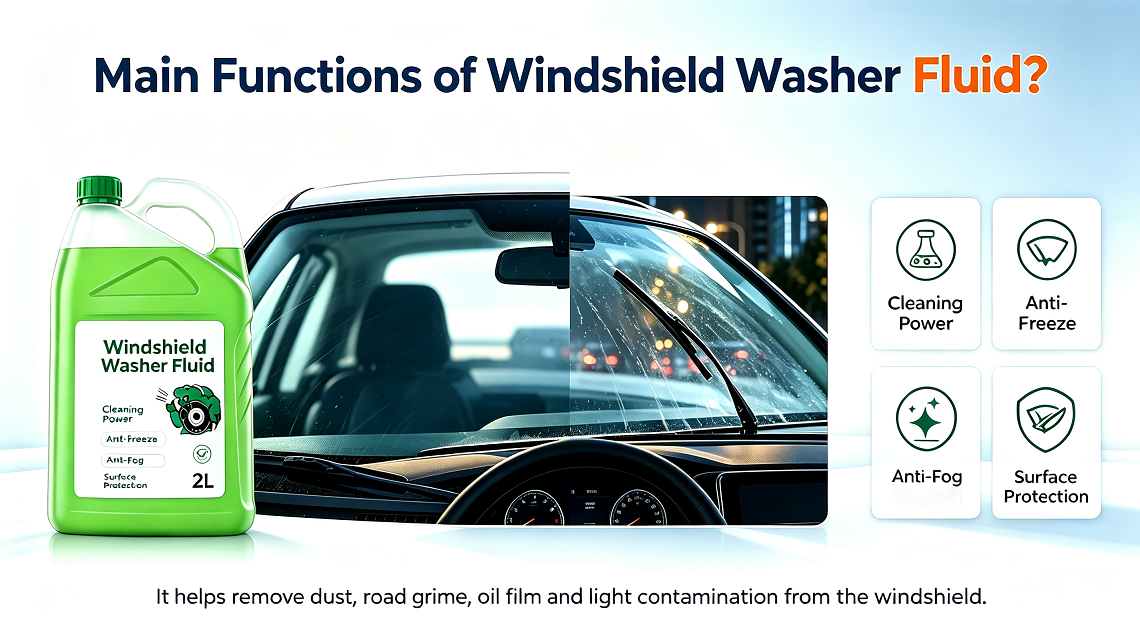
At a basic level, washer fluid is a working maintenance fluid. It is designed to help remove road grime, bug residue, dust, oily film, and other debris that ordinary wiper motion cannot clear alone. In colder conditions, the right fluid also helps reduce freezing risk in the washer system. That combination of cleaning and protection is the real car washer fluid purpose, and it is why the product sits in a category of its own rather than being treated as just water with fragrance.
Quick takeaway: what washer fluid is supposed to accomplish
For most buyers, the key benefits are straightforward. Washer fluid helps keep the windshield clear, supports safe driving visibility, and reduces wear caused by dragging dry contaminants across glass. It also needs to be compatible with the washer system itself, including nozzles, hoses, pumps, and seals. A fluid that cleans well but leaves streaks, residue, or odor complaints is not doing its job in the field.
In practice, the best product choice depends on climate, vehicle duty cycle, and how the fleet is maintained. A passenger car in a mild climate may only need basic cleaning performance. A commercial vehicle running early mornings, winter routes, or highway miles needs a more robust formula and tighter attention to seasonal use.
The core functions of washer fluid
1. Cleaning the windshield
The most obvious function is removing contamination from the glass surface. Road film, salt spray, pollen, insect splatter, and fine dust can quickly reduce visibility. Washer fluid helps break that bond so the wipers can sweep the glass clean. Plain water can rinse some loose dirt, but it is not a reliable cleaner for the mixed contaminants drivers actually face.
2. Supporting safe visibility
Visibility is the point of the entire system. A windshield covered in haze or spotty residue forces drivers to strain, which is especially risky at night, in rain, or when oncoming headlights reflect off a dirty surface. One overlooked detail: a clean windshield also reduces glare more effectively than many drivers expect, simply because light scatters less on a properly washed surface.
3. Helping protect the washer system in cold weather
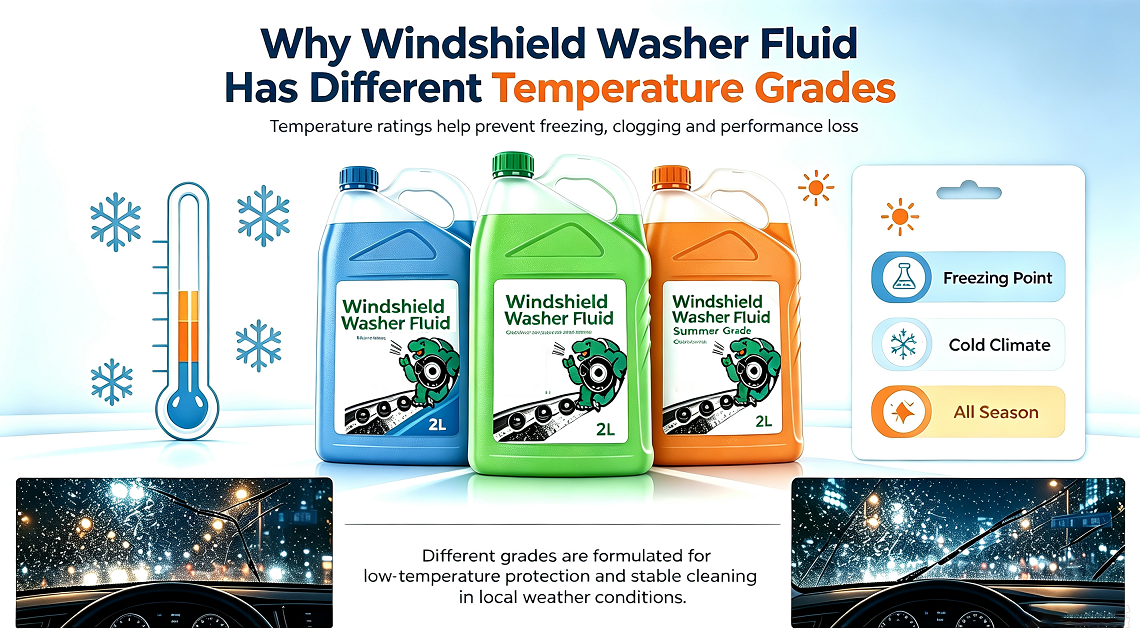
Seasonal washer fluids are often selected because they are formulated for low-temperature use. That matters because freezing can block nozzles, stress the pump, or leave the system unusable just when it is needed most. Buyers in cold regions usually treat this as a non-negotiable function, not a feature upgrade.
4. Reducing wear on wiper blades and glass
Dry wiping is hard on blades and can be harsh on the windshield too, especially if there is abrasive grit on the surface. Washer fluid helps lubricate the cleaning process enough to lower friction during operation. It will not eliminate wear, of course, but it can reduce the strain that builds up over time.
Washer fluid vs. water: a small difference with practical consequences
Some buyers still ask whether regular water is enough. In mild conditions, water may seem acceptable for a short time, but it has obvious limitations. It does not clean oily films as well, it can leave mineral spots, and it offers little seasonal protection. For vehicles that operate year-round or across different regions, washer fluid is the more dependable choice. That is the central washer fluid function from a sourcing perspective: consistency under real-world conditions.
Selection factors that matter in procurement
If you are evaluating products, start with the operating environment. Temperature range comes first, then cleaning performance, then compatibility with plastics and rubber components. Scent, dye, and packaging may matter for retail channels, but for commercial users they are secondary to performance and system reliability. A lower-cost fluid that causes streaking or clogging can become expensive fast once service complaints start.
It is also worth matching product type to use case. Some formulations are aimed at general cleaning, while others are optimized for winter protection or heavier-duty road contamination. The right choice is not always the strongest formula; sometimes it is the one that fits the vehicle’s real exposure pattern.
Common mistakes buyers and users still make
One common mistake is underestimating how quickly windshield contamination returns, especially on highway routes or in wet weather. Another is assuming all washer fluids behave the same once they are sprayed through the system. They do not. Streaking, odor, freezing behavior, and residue can vary enough to create service issues. A small caution here: if a supplier makes broad performance claims without clear formulation details, that is worth a closer look.
Practical buying advice for engineers and sourcing teams
When comparing washer fluid options, ask what problem the fluid is meant to solve first. Is the priority cold-weather function, all-season cleaning, or fleet consistency? Then check whether the product is intended for consumer retail, workshop service, or commercial distribution. Those are not interchangeable markets, even if the bottle design looks similar.
For product teams, washer fluid is a simple category only on the surface. In use, it connects to safety, maintenance intervals, customer complaints, and seasonality. Getting the formulation and the labeling right saves more trouble than many categories with far more complex technical specs.
FAQ: the main functions in one line each
What is the main function of automotive windshield washer fluid? To clean the windshield and maintain visibility under real driving conditions.
Does it only clean glass? No. It also supports the washer system and can help with cold-weather reliability, depending on the formula.
Why not use water? Water is limited in cleaning performance and seasonal protection, and it can create reliability issues in some conditions.
What to do next
If you are sourcing washer fluid for a vehicle program, fleet, or aftermarket line, start by defining the operating environment and the performance pain points you want to avoid. That simple step usually leads to a much better product fit than shopping by price alone.
Welcome to contact GAFLE for more information & cooperation!
peter
ZHEJIANG GAFLE AUTO CHEMICL CO.,LTD
Tel:86-579-8222 1665
Fax:86-579-8246 4690
Cel/Wechart:86-13335993986
E-mail:peter@gafle.net
Web:www.gafle.net