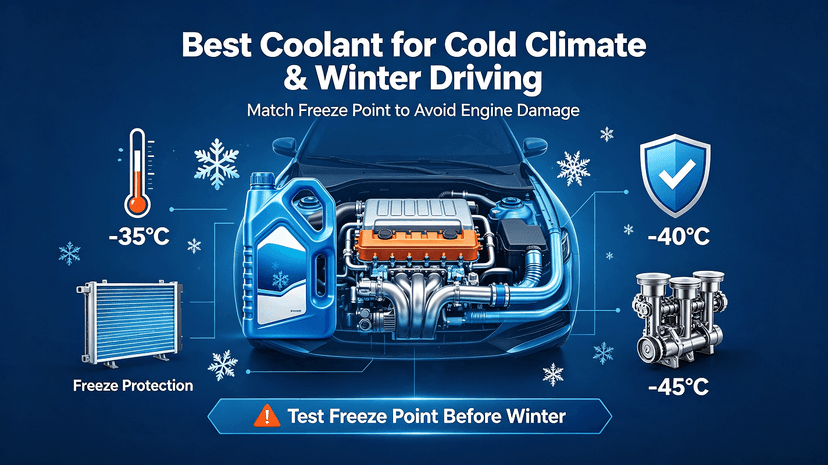
Most engine damage in winter is caused by incorrect coolant freeze point. Many vehicle owners and even small garages use standard-temperature coolant year-round, which works fine in summer but fails drastically in freezing weather. For regions with sub-zero winters, choosing the correct cold-resistant antifreeze is critical to protect radiators, engine blocks and cooling system components.
Why ordinary coolant fails in cold climates
Regular -25℃ coolant cannot withstand freezing temperatures in northern regions. When the ambient temperature drops below the coolant’s rated freeze point, the liquid begins to crystallize, expand and thicken. Frozen coolant blocks circulation, cracks radiator cores, bursts rubber hoses and even causes permanent engine block cracking — one of the costliest vehicle damages to repair.
How coolant freeze point works
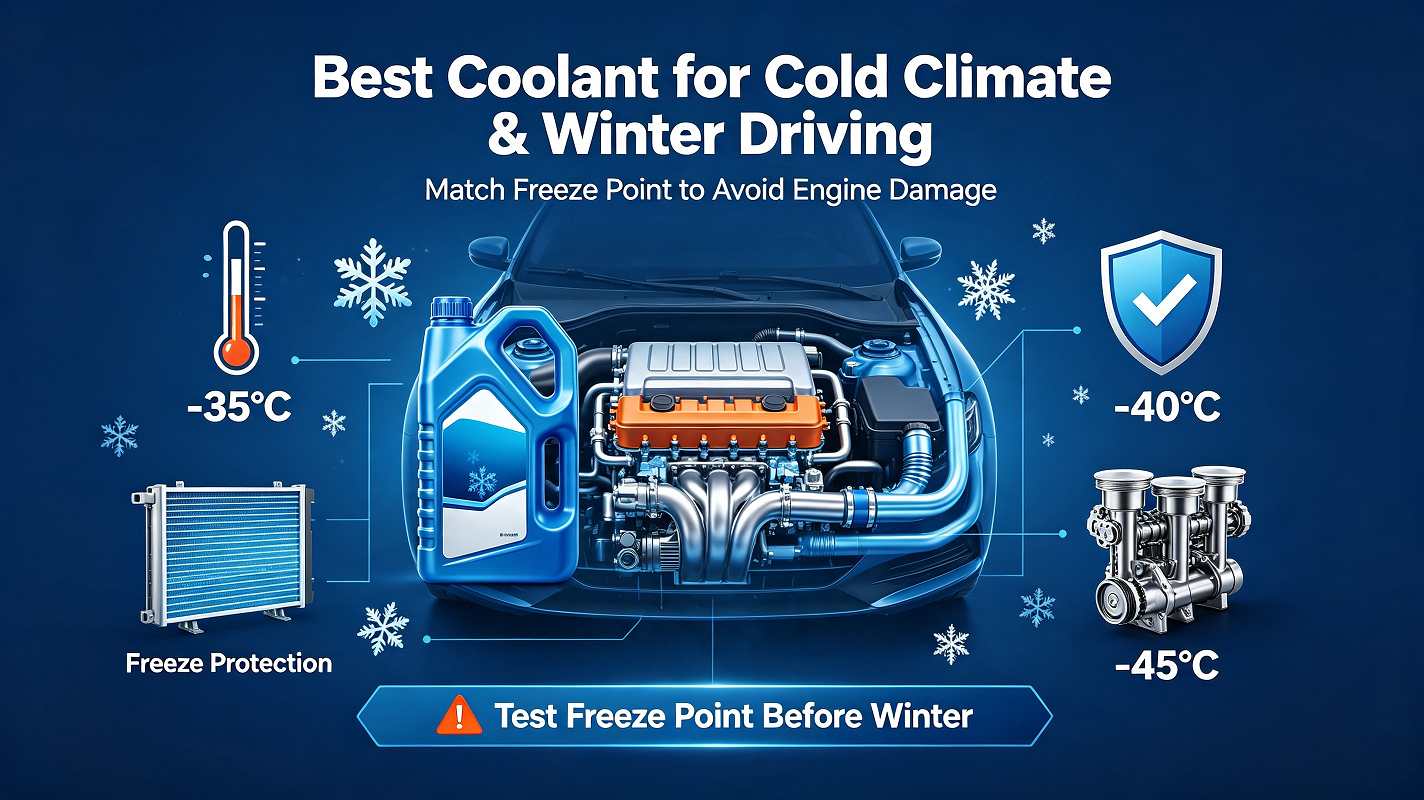
All glycol-based coolant follows the same concentration rule: Higher glycol ratio = lower freeze point & higher boiling point.
Standard market grades are categorized clearly:
· -25℃: Suitable for tropical and mild winter areas
· -35℃: Universal global grade for mild cold seasons
· -40℃ / -45℃: Essential for severe cold regions (Russia, Northern Europe, Canada, Northern China)
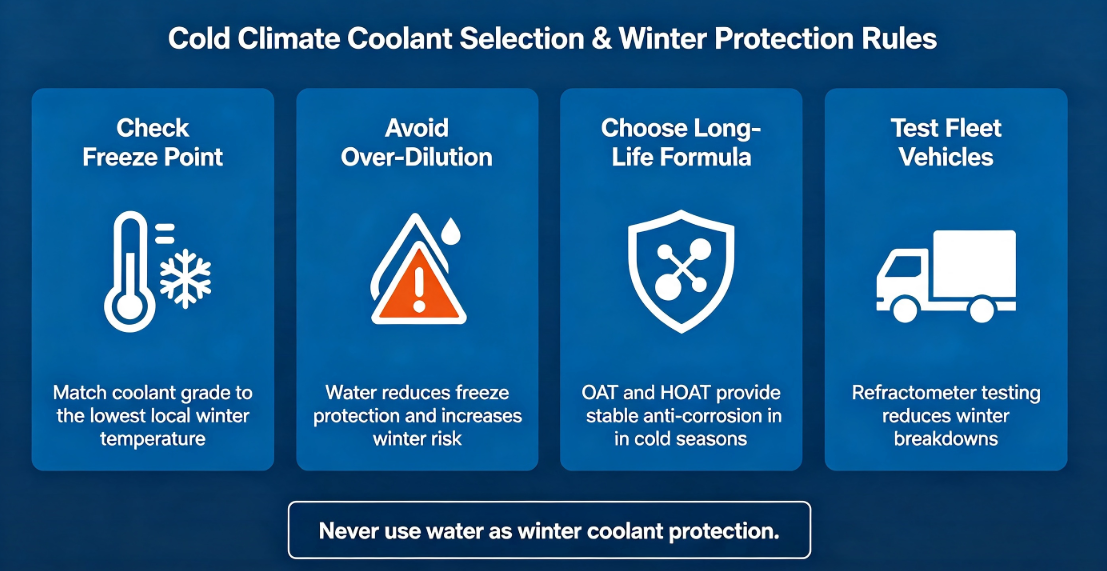
For professional fleet business, never rely on “universal coolant”. Always match the freeze point to the lowest local winter temperature.
The biggest winter coolant mistake: pure water or diluted coolant
Many drivers top up water in summer, which drastically raises the freeze point. For example: A fully diluted coolant may drop protection from -35℃ to only -10℃, making the vehicle extremely vulnerable during sudden cold snaps.
Before winter comes, fleet workshops must test every vehicle’s coolant freeze point with a refractometer.
Cold climate requires better anti-corrosion performance
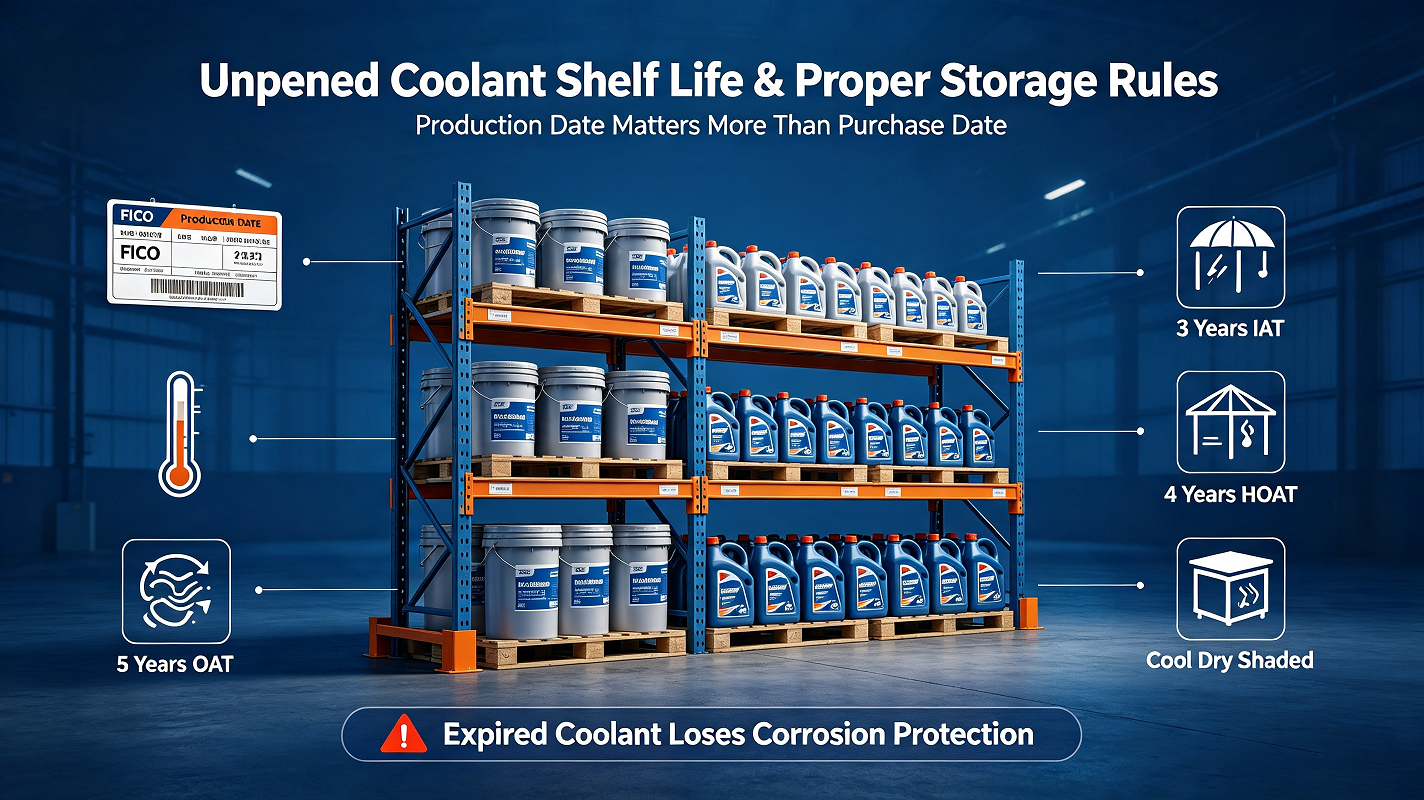
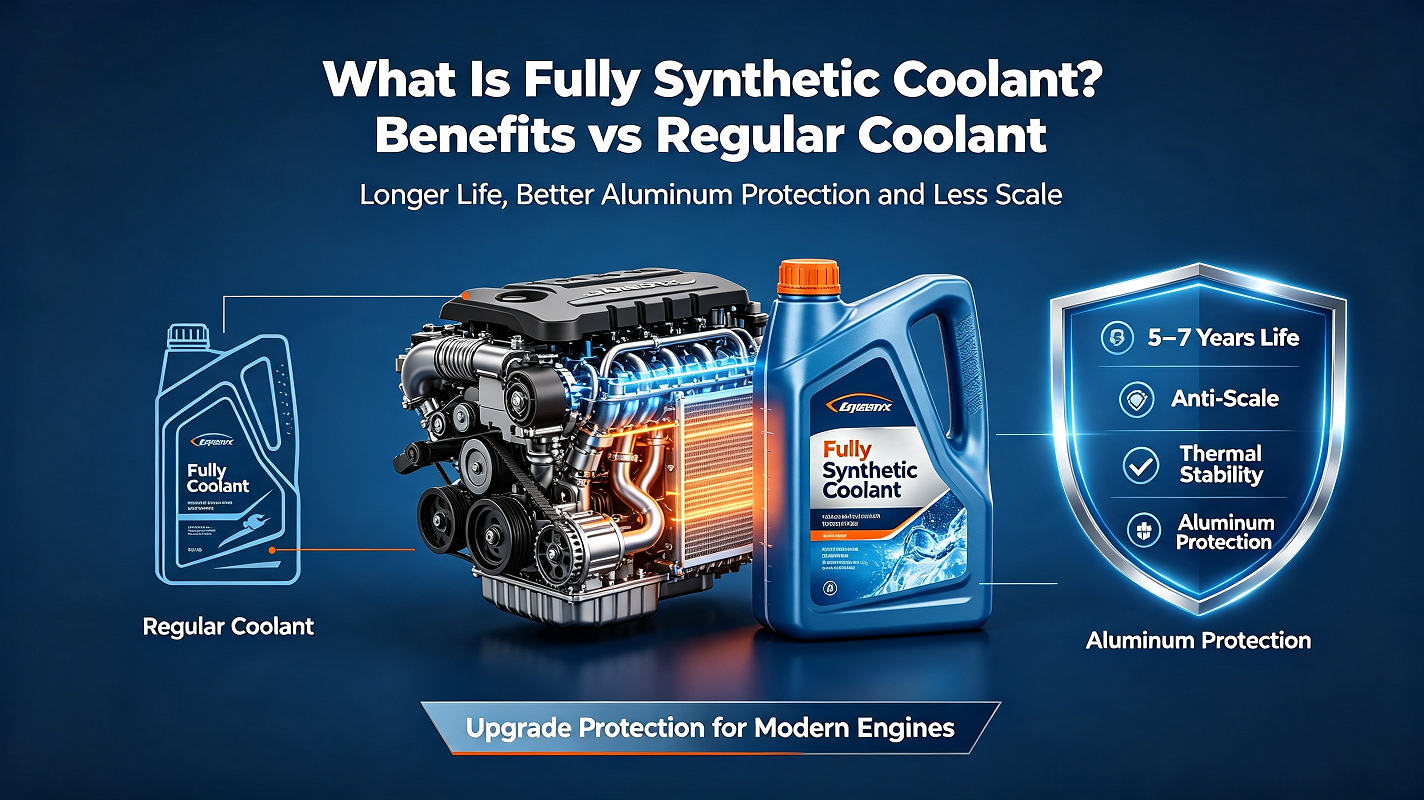
Cold weather brings temperature alternation: freezing at night, rapid heating during daytime operation. This thermal cycling accelerates metal fatigue and internal corrosion. Long-life OAT and HOAT coolant deliver stable anti-corrosion protection all winter, while old-fashioned IAT coolant needs more frequent inspection in cold seasons.
Why fleets need seasonal coolant inspection
Commercial trucks, logistics vehicles and construction machines work nonstop in winter. Weak coolant protection leads to:
· Morning startup failure
· Frozen cooling pipelines
· Radiator burst
· Engine overheating after thawing
Seasonal winter testing is the most cost-effective maintenance for fleet management.
B2B Buying Guide for Cold Climate Markets
If you are a wholesaler or garage owner targeting cold-region markets:
1. Stock -40℃ / -45℃ high-grade antifreeze as your main selling product
2. Provide long-life OAT formulas for new vehicle fleets
3. Prepare compatible IAT coolant for older local machinery
4. Remind customers to test freeze points before winter
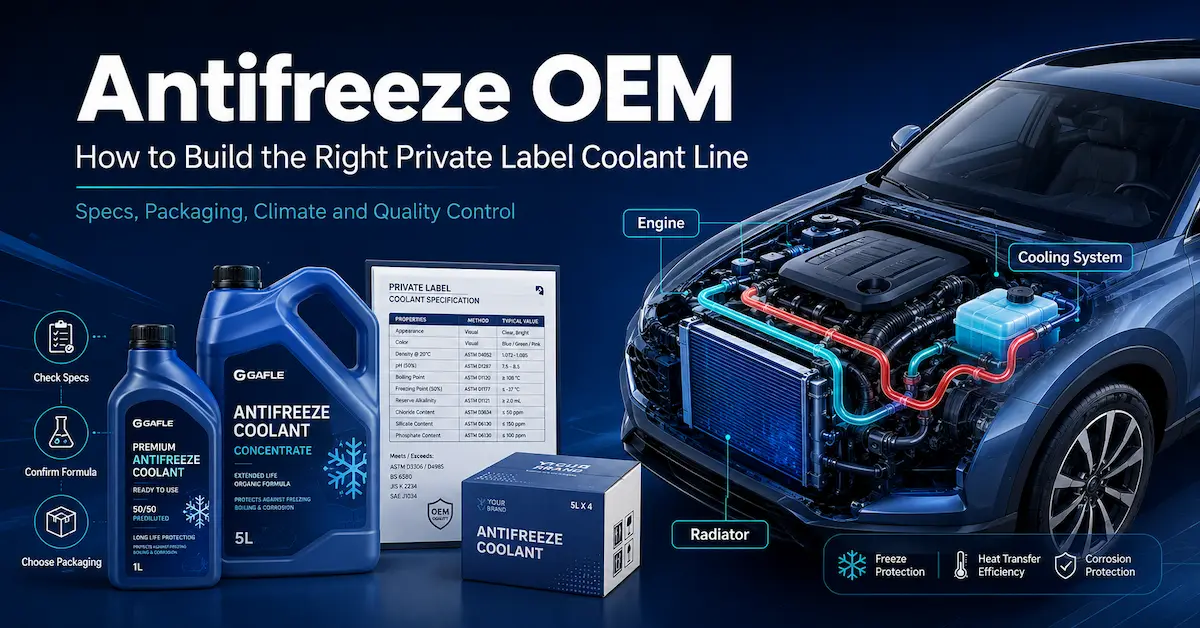
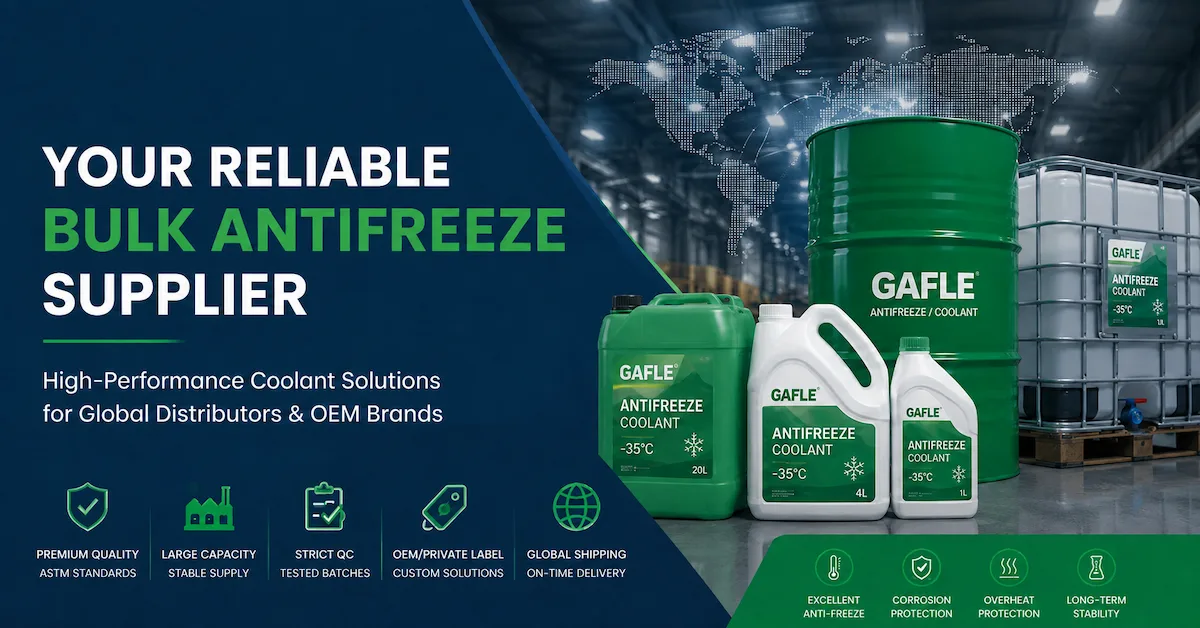
GAFLE provides full-range low-temperature coolant for global cold markets. All products have stable freeze-point performance, complete MSDS/TDS files and support bulk wholesale & private label customization.
Welcome to contact GAFLE for more information & cooperation!
peter
ZHEJIANG GAFLE AUTO CHEMICL CO.,LTD
Tel:86-579-8222 1665
Fax:86-579-8246 4690
Cel/Wechart:86-13335993986
E-mail:peter@gafle.net
Web:www.gafle.net