How Degraded Coolant Destroys Radiators & Water Pumps
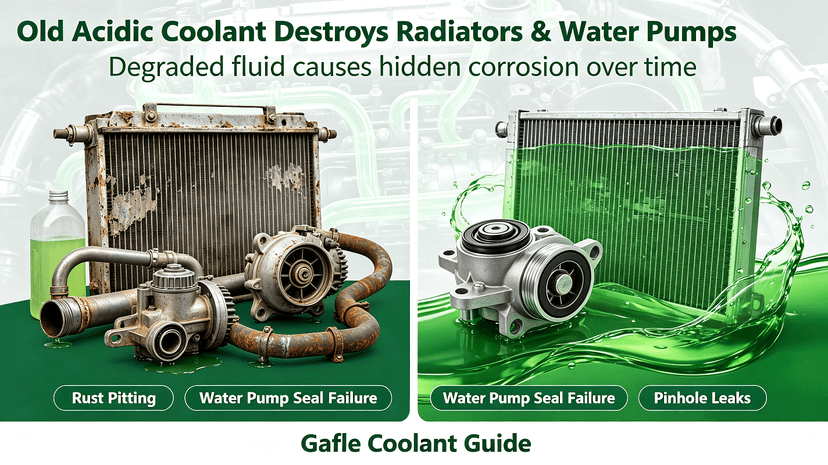
Most vehicle owners only replace coolant when they spot overheating or visible leaks, unaware that aged, expired coolant slowly turns acidic and eats away at every metal and rubber cooling system component over time. Radiators and water pumps take the worst hit from neglected fluid, and full replacement of these core cooling parts costs hundreds of dollars in labor and parts fees. This article breaks down the chemical corrosion process of degraded coolant, the permanent damage it creates, and how fresh quality coolant acts as a cheap protective barrier.
1. Why Old Coolant Becomes Corrosive Over Time
Factory-fresh coolant contains balanced anti-acid, anti-rust additive packages that neutralize chemical reactions inside the closed cooling loop. These protective additives wear out after months of heat cycles and moisture absorption:
- Once stabilizers deplete, glycol coolant reacts with oxygen and tiny water impurities to form acidic byproducts.
- This acidic fluid constantly contacts thin aluminum radiator fins, cast iron engine water channels and rubber water pump seals.
- Even low-mileage vehicles suffer this decay; time, not driving distance, is the main factor that makes coolant corrosive.
2. Two Most Damaged Components: Radiators & Water Pumps
Radiator Corrosion
Modern radiators use lightweight thin aluminum construction that offers almost no defense against acidic coolant.
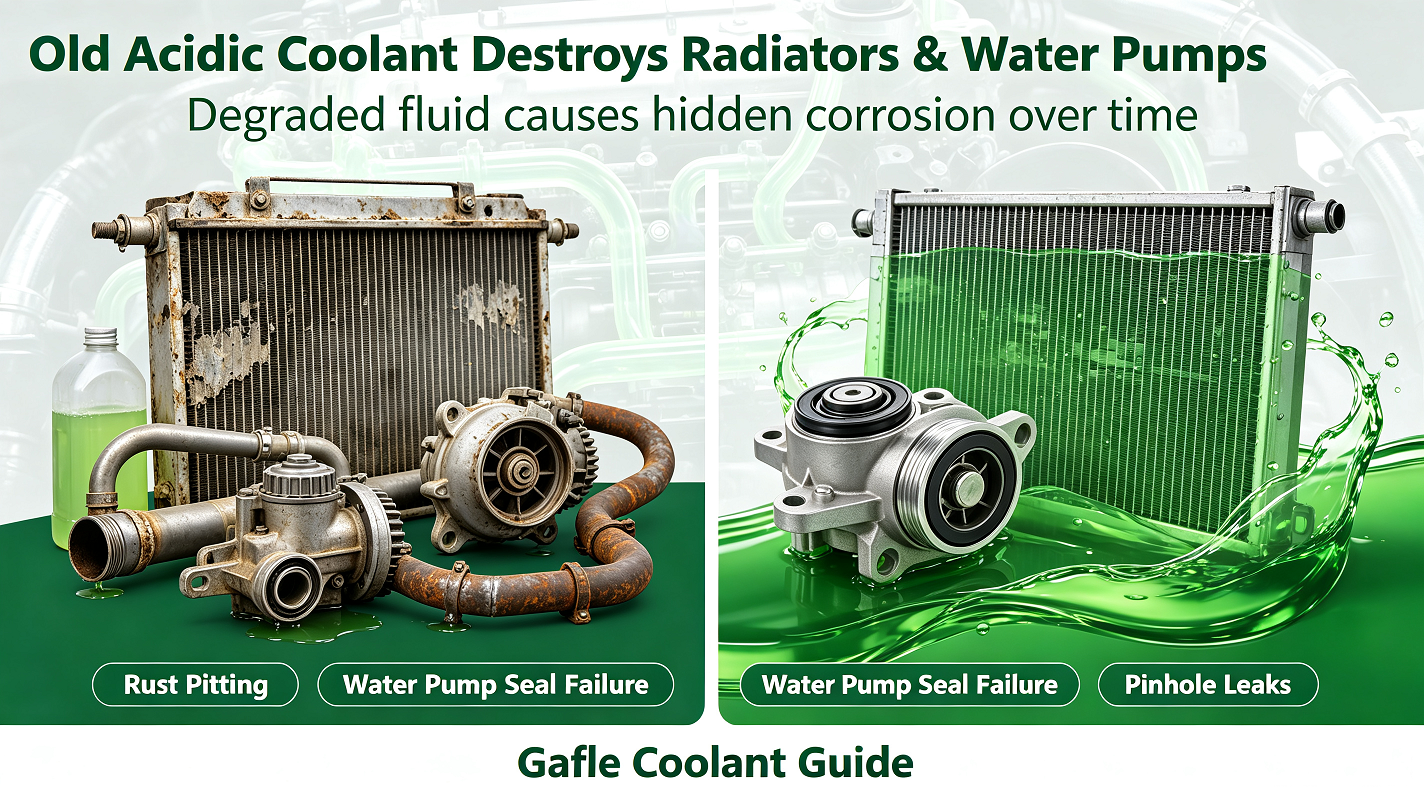
- Acid creates tiny rust pits inside radiator tubes, blocking heat transfer and forming mineral sludge.
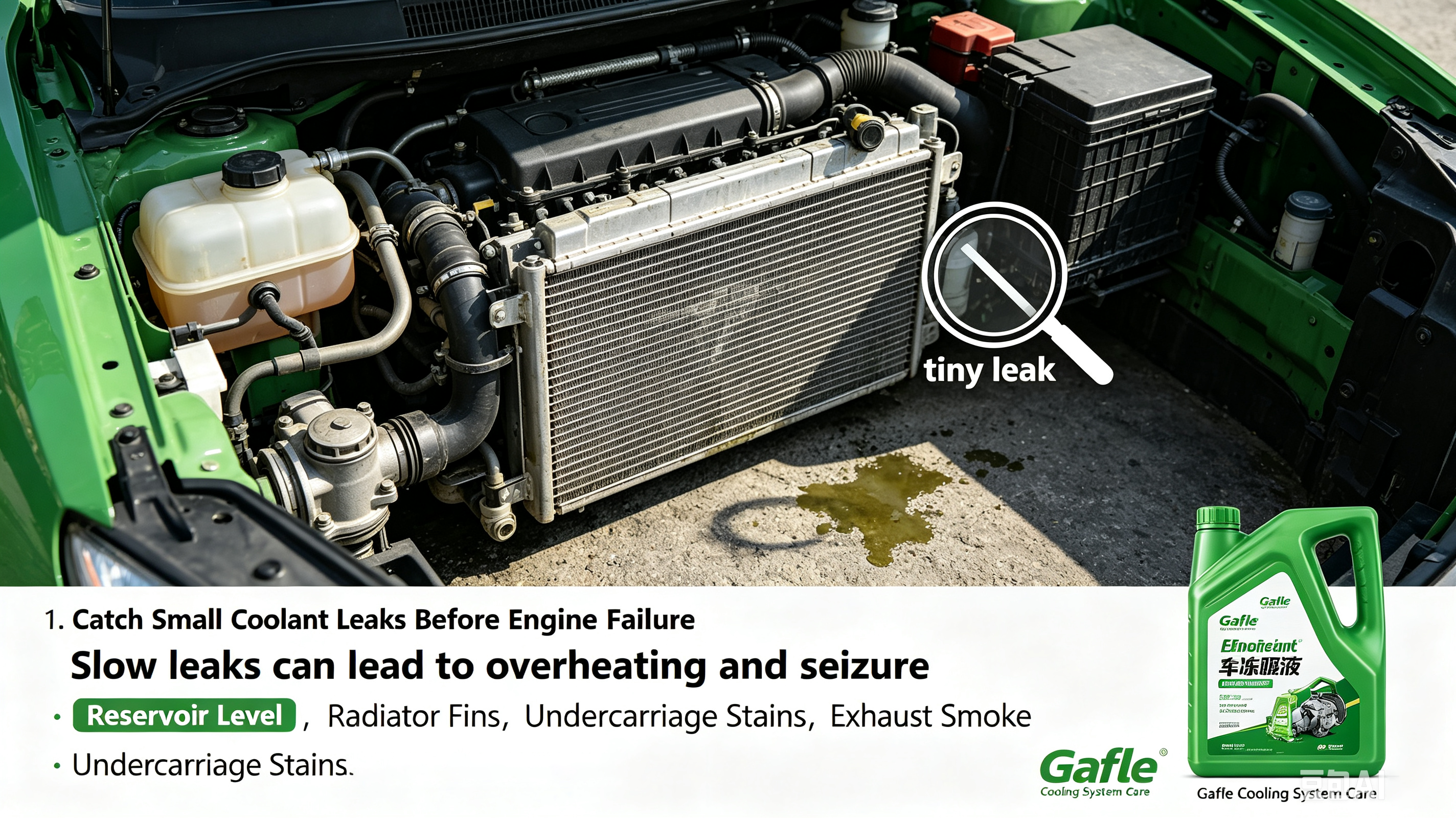
- Pitting weakens thin metal walls, leading to pinhole coolant leaks that worsen in hot weather.
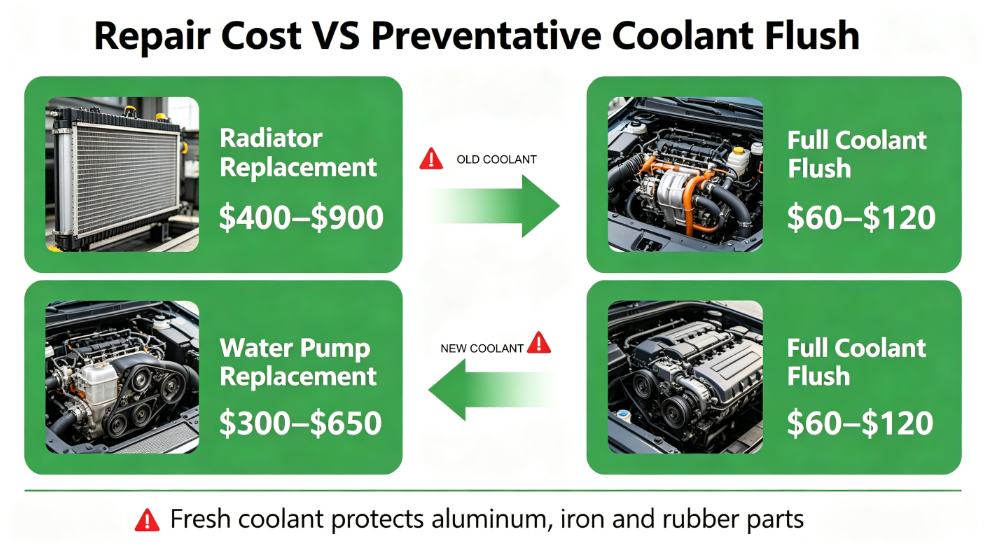
- A brand-new OEM radiator replacement plus labor can cost $400–$900, far more than a routine coolant flush every 2–5 years.
Water Pump Seal & Housing Failure
The water pump relies on soft rubber seals and metal impellers to circulate coolant:
- Acidic coolant hardens rubber seals, causing slow, unnoticeable fluid seepage behind the pump.
- Corrosion erodes metal impeller surfaces, reducing coolant flow and triggering persistent engine overheating.
- Seized or leaking water pumps risk complete engine overheating and cylinder head warping if ignored.
3. The Protective Power Of Fresh, Undegraded Coolant
New fully-formulated coolant delivers two critical layers of protection that expired fluid loses entirely:
- Neutralizing agents stop acid buildup, maintaining a balanced pH value safe for aluminum, iron and copper parts.
- Lubricating additives coat water pump rubber seals, keeping them flexible and leak-free for the full service interval.
A full cooling system flush completely drains all acidic contaminated fluid trapped deep inside radiators and pump housings, resetting your component protection clock.
4. Cost Comparison: Preventative Flush VS Emergency Repairs
- Full professional coolant flush (parts + labor): $60–$120 every 2–5 years
- Corroded radiator full replacement: $400–900
- Failed water pump replacement with new gaskets: $300–650
A small investment in scheduled coolant changes eliminates the risk of expensive cooling component overhauls caused by acidic degraded fluid.
Final Takeaway
Expired, acidic coolant silently corrodes radiators and water pumps long before obvious overheating symptoms appear. Regular complete coolant flushes are a low-cost preventative maintenance step that protects your most expensive cooling system parts and avoids costly emergency breakdown repairs.
Welcome to contact GAFLE for more information & cooperation!
peter
ZHEJIANG GAFLE AUTO CHEMICL CO.,LTD
Tel:86-579-8222 1665
Fax:86-579-8246 4690
Cel/Wechart:86-13335993986
E-mail:peter@gafle.net
Web:www.gafle.net
peter
ZHEJIANG GAFLE AUTO CHEMICL CO.,LTD
Tel:86-579-8222 1665
Fax:86-579-8246 4690
Cel/Wechart:86-13335993986
E-mail:peter@gafle.net
Web:www.gafle.net