Coolant Leak Hazards: How To Spot Tiny Radiator Leaks Early
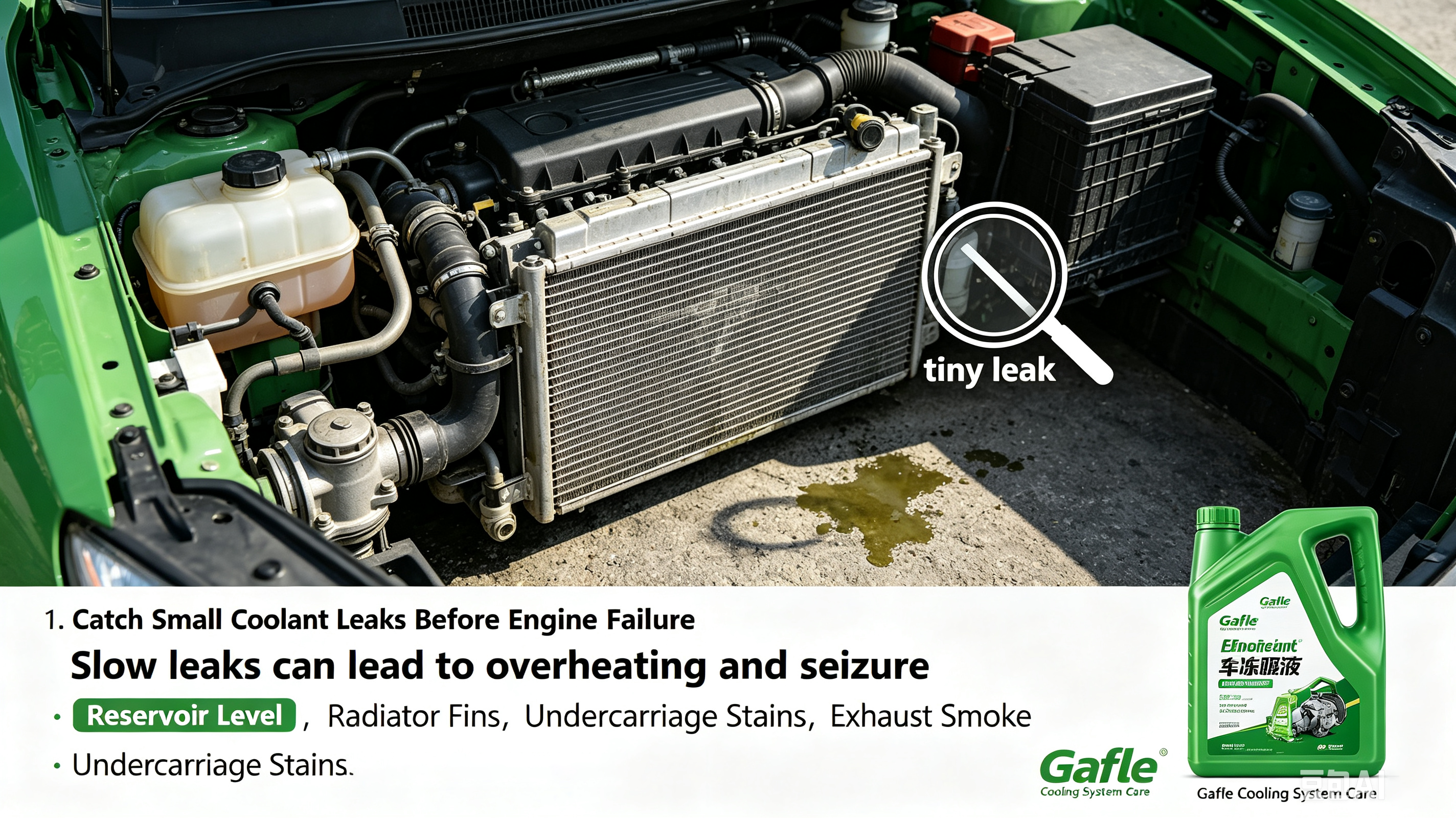
Many drivers only notice coolant leaks when their engine overheats on the highway, but slow, tiny pinhole leaks in radiators, hoses and gaskets lose fluid gradually over weeks. Low coolant levels reduce heat dissipation rapidly, creating a critical risk of engine overheating, warped cylinder heads and complete engine seizure—damage that often totals the vehicle. This article covers easy home inspection steps to catch micro-leaks early, plus professional shop prevention solutions to avoid catastrophic engine failure.
1. Hidden Slow Leaks Lead To Catastrophic Engine Damage
Even a barely visible micro-leak loses small amounts of coolant daily, with three severe long-term risks:
- Rising engine operating temperature: Low fluid cannot absorb enough combustion heat, triggering overheating during highway climbs or summer traffic.
- Cylinder head warping: Extreme uneven heat distorts aluminum cylinder heads, blowing head gaskets and mixing coolant with engine oil.
- Full engine seizure: In extreme cases, zero coolant flow causes metal engine parts to weld together, rendering the engine irreparable.
Repairing a seized or warped engine costs thousands of dollars, far more than fixing a minor radiator leak in its early stages.
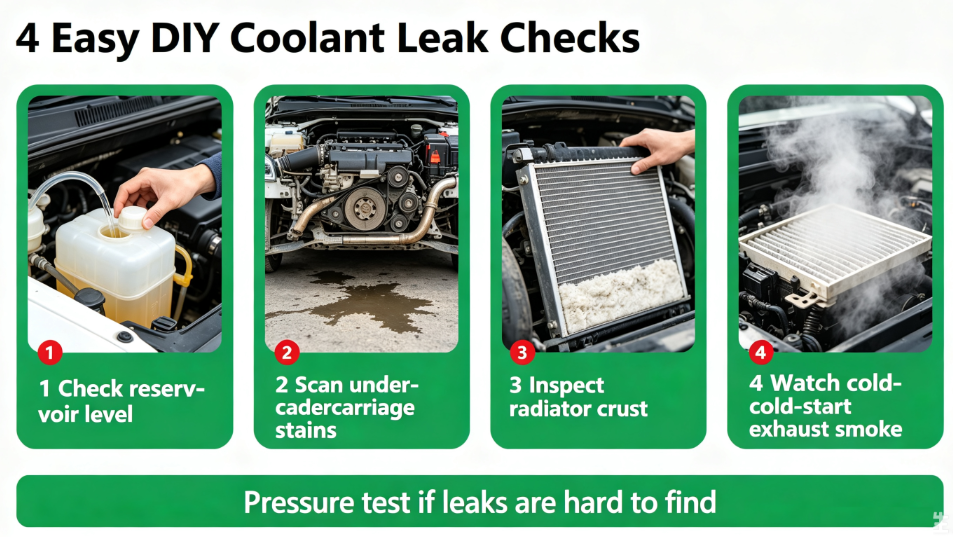
2. 4 Simple DIY Home Methods To Detect Tiny Coolant Leaks
No professional garage tools required to inspect your cooling system monthly:
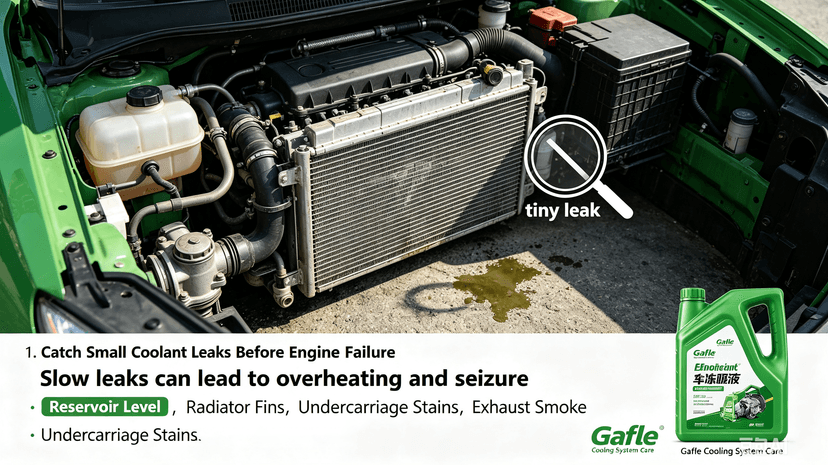
- Check the transparent overflow reservoir
If fluid level consistently drops between MIN and MAX without obvious puddles under the car, a slow internal leak exists somewhere in the circuit.
- Inspect undercarriage for colored fluid stains
Coolant carries distinct dye colors (green, red, yellow). Small sticky wet spots under the radiator, water pump or hose joints signal slow seepage.
- Visually scan radiator fins and plastic tanks
Look for white crusty mineral deposits on radiator edges—these form when coolant leaks, evaporates and leaves mineral residue behind.
- Test for sweet white exhaust smoke on cold startup
Internal head gasket leaks burn coolant inside combustion chambers, releasing sweet-smelling white vapor when you first turn on the engine.
3. Professional Repair Shop Leak Prevention Solutions
If DIY checks confirm a hidden leak risk, certified repair shops offer two preventative services:
- Cooling system pressure testing
Mechanics pressurize the closed coolant loop to expose micro-leaks invisible to the naked eye, pinpointing exact leak locations fast.
- Full system flush + sealant maintenance
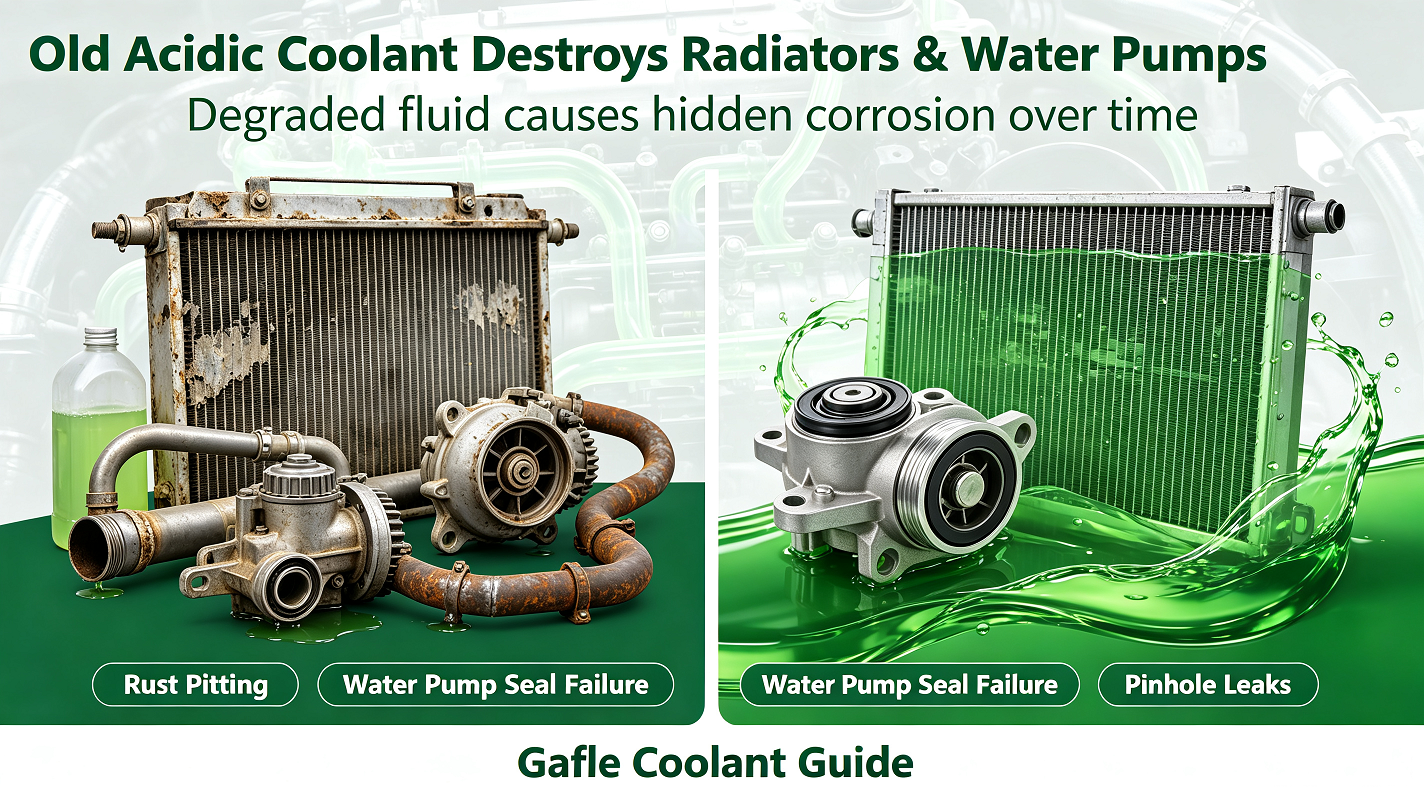
For minor small radiator pinholes, high-quality cooling system sealant mixed with fresh coolant temporarily seals tiny cracks; full radiator replacement is recommended for larger corrosion holes.
4. Critical Emergency Driving Rule
If you discover low coolant levels mid-trip, add only distilled water for temporary short-distance driving to a repair garage. Do not continue long highway trips with insufficient coolant, even if no overheating warning light has activated yet.
Final Takeaway
Tiny unseen coolant radiator leaks carry the hidden risk of total engine seizure and costly rebuilds. Use simple monthly DIY inspection steps to catch micro-leaks early, and schedule professional pressure testing at the first sign of dropping coolant levels. Early leak repairs are cheap insurance against permanent catastrophic engine damage.
Welcome to contact GAFLE for more information & cooperation!
peter
ZHEJIANG GAFLE AUTO CHEMICL CO.,LTD
Tel:86-579-8222 1665
Fax:86-579-8246 4690
Cel/Wechart:86-13335993986
E-mail:peter@gafle.net
Web:www.gafle.net
peter
ZHEJIANG GAFLE AUTO CHEMICL CO.,LTD
Tel:86-579-8222 1665
Fax:86-579-8246 4690
Cel/Wechart:86-13335993986
E-mail:peter@gafle.net
Web:www.gafle.net