Thermal management systems in industrial processing, chillers, and heavy-duty transport live and die by fluid dynamics. While water remains the undisputed champion of raw thermal transfer, it brings fatal liabilities below 0°C and above 100°C. For decades, the default response to freeze protection and temperature stabilization has been an engineered ethylene glycol coolant. Yet, sizing equipment around this fluid requires navigating subtle compromises between thermal efficiency, pumping energy, and environmental handling.
Specifying a closed-loop secondary refrigerant is rarely as simple as ordering a 50/50 drum. Plant engineers and system designers must weigh hydraulic penalties against thermal demands, especially when deciding whether an installation can tolerate the toxicity of ethylene glycol or must pivot toward alternative glycols.
Fundamental Chemical Features of Ethylene Glycol
At an elemental level, the chemical features of ethylene glycol (C2H6O2) define its utility: two hydroxyl (-OH) groups attached to an aliphatic carbon backbone. This diol structure allows it to form extensive hydrogen bonds with water molecules. When blended with water, it disrupts the crystalline lattice structure that ice requires to form, depressing the freezing point well below that of either pure component.
Pure ethylene glycol freezes at roughly -13°C (9°F), but mixed with 60% water by volume, the freezing point drops to approximately -51°C (-60°F). However, thermal engineers care far less about the freezing point than they do about two operational extremes: the freeze point (where initial ice crystals form) and the burst point (where the fluid freezes solid enough to rupture rigid pipework).
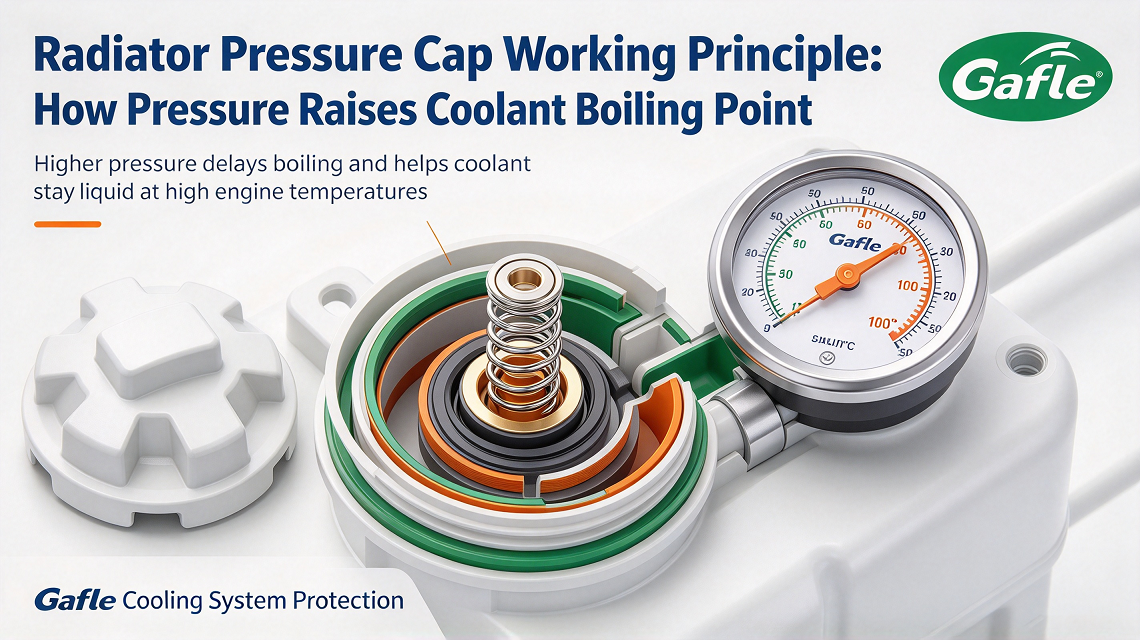
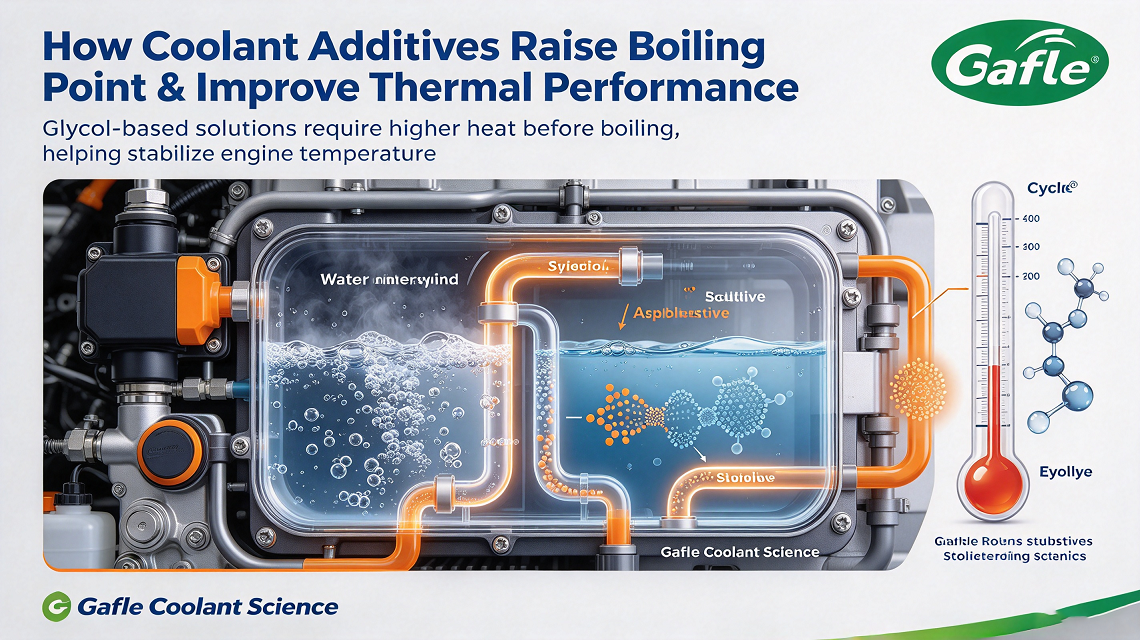
Beyond freezing point depression, ethylene glycol elevates the boiling point of the mixture. This broadens the single-phase operating window in pressurized loops, mitigating localized flash boiling across hot heat-exchanger surfaces where a standard water charge would cavitate or steam-lock.
Heat Transfer Performance vs. Pumping Hydraulics
Every percentage point of glycol added to a hydronic circuit exacts a toll on thermal efficiency. Compared to pure deionized water, an aqueous glycol mixture exhibits lower specific heat capacity, reduced thermal conductivity, and significantly higher dynamic viscosity.
The heat transfer performance of an ethylene glycol blend is consistently superior to that of alternative diols, but it still demands compensations in heat exchanger design:
- Specific Heat Reduction: A 40% ethylene glycol blend by volume holds roughly 88% of the heat capacity of pure water at room temperature. To move the same thermal load (kW or BTU/hr), the system must circulate higher volumetric flow rates.
- Laminar Boundary Layers: Lower thermal conductivity directly suppresses the overall heat transfer coefficient (U-value). Designers frequently have to enlarge coil surface areas or increase plate counts in plate-and-frame heat exchangers to hit specified delta-T targets.
- Viscosity and Pumping Energy: Kinematic viscosity climbs steeply as bulk fluid temperatures decline. In sub-zero chiller loops, the fluid transitions toward laminar flow regimes, lowering the Reynolds number and degrading convection efficiency inside pipe walls. Selecting pump impellers without accounting for cold-temperature viscosity leads to motor overloading and starved flow rates.
Ethylene Glycol vs Propylene Glycol: The Engineering Trade-Off
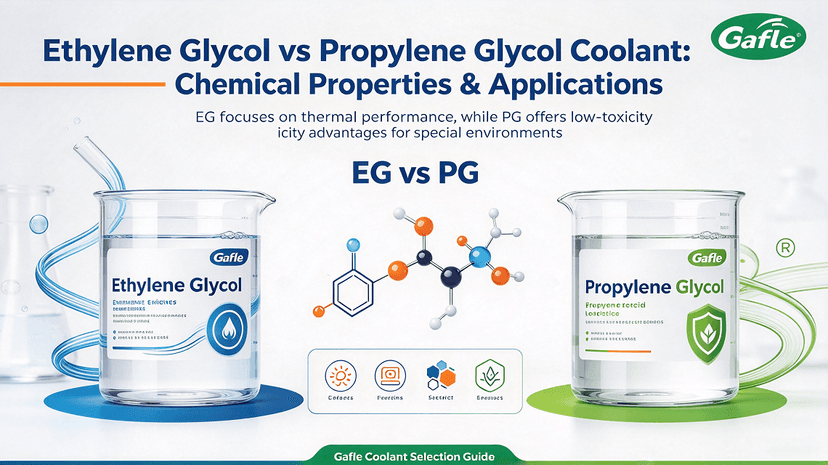
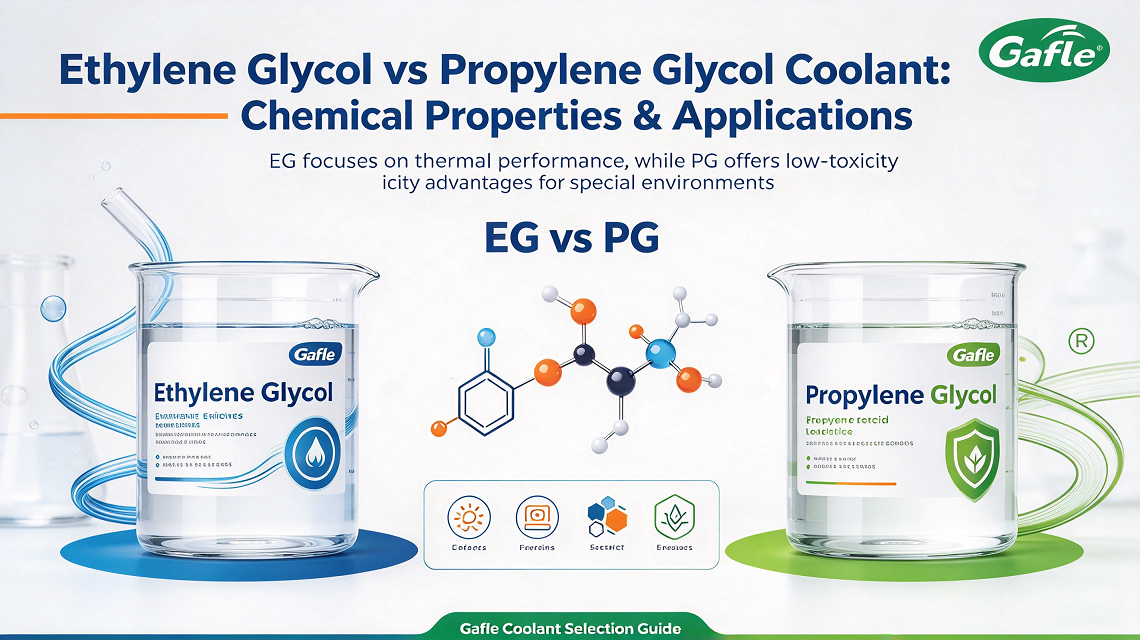
When selecting a secondary loop medium, the primary dilemma comes down to ethylene glycol vs propylene glycol. The decision hinges strictly on toxicity versus thermodynamic efficiency.
| Operating Metric | Ethylene Glycol (50/50 Mix) | Propylene Glycol (50/50 Mix) |
|---|---|---|
| Freeze Protection | Down to approx. -37°C (-34°F) | Down to approx. -33°C (-28°F) |
| Dynamic Viscosity (-10°C) | Moderate (~9 cP) | High (~20 cP) |
| Thermal Conductivity | Higher (Better heat flux) | Lower (~10–15% deficit) |
| Toxicity Profile | Toxic; strict disposal protocol | Generally recognized as safe (low toxicity) |
A propylene glycol coolant is mandatory in facilities where cross-contamination with food, potable water, or pharmaceutical processes is a risk, or where local municipal regulations prohibit ethylene compounds due to accidental discharge liabilities. However, propylene glycol imposes a severe viscosity penalty. In low-temperature refrigeration systems operating below -10°C, the pumping parasitic losses of propylene glycol increase substantially, requiring larger pipe diameters and heavier pump drives compared to an equivalent ethylene glycol loop.
Specifying and Maintaining Inhibited Formulations
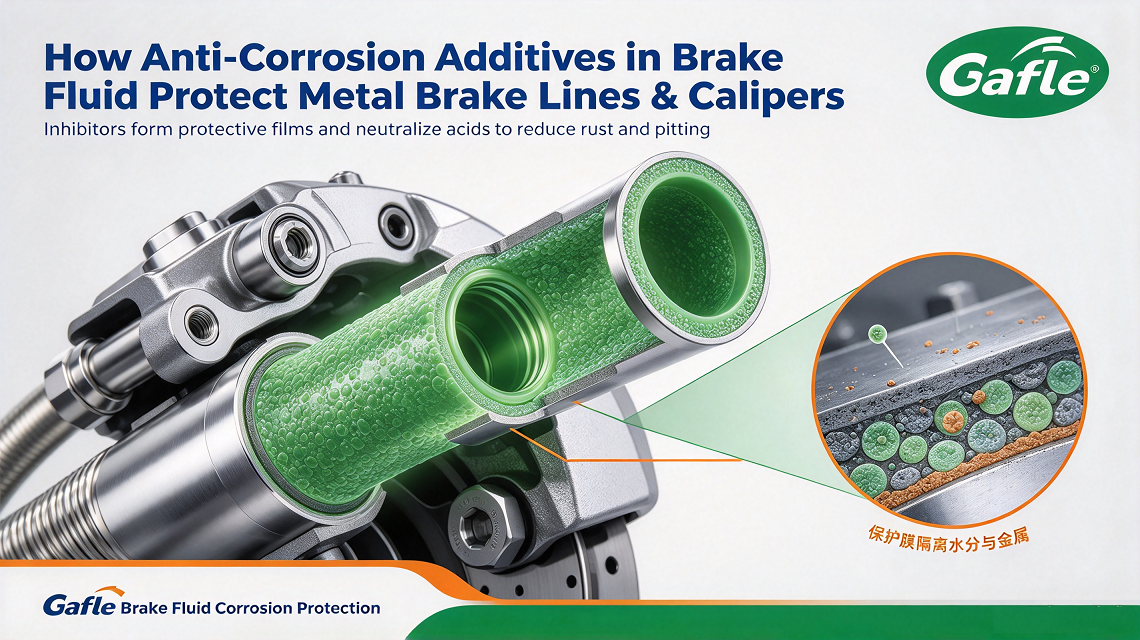
Uninhibited industrial glycol is corrosive to system metals. Glycol naturally oxidizes over time when exposed to oxygen and elevated temperatures, breaking down into organic acids (glycolic, formic, and oxalic acids). These byproducts drive down fluid pH and aggressively attack mild steel, copper, cast iron, and solder.
For this reason, industrial systems should never use uninhibited chemical-grade glycol. A fully formulated industrial antifreeze contains a buffer package—typically balanced silicates, phosphates, azoles, or organic acid technology (OAT)—designed to passivate internal metal surfaces. The inhibitors buffer the solution, maintaining an alkaline operating pH (usually between 8.5 and 10.0) throughout the life of the charge.
Automotive formulations should also be avoided in stationary HVAC and industrial process loops. Automotive coolants frequently feature silicate-heavy stabilization packages designed for high-flow aluminum engine blocks, which can drop out of suspension in low-shear industrial cooling towers and foul plate heat exchangers.
Field Maintenance and Common Selection Pitfalls
Failures in glycol loops rarely stem from the molecule itself; they stem from sloppy dilution and poor monitoring. Plant operators frequently fall into three traps:
First, using untreated city water for on-site dilution. Hard water contains calcium and magnesium ions that react with phosphate-based corrosion inhibitors, creating insoluble precipitates that coat sensor probes and plug narrow chiller tubes. Dilution should strictly utilize deionized or reverse-osmosis water with low chloride and sulfate counts.
Second, relying on hydrometers rather than an optical refractometer calibrated specifically for glycols. Hydrometer floats are skewed heavily by temperature shifts and cannot reliably differentiate between solutions when inhibitor salts alter the specific gravity.
Third, over-concentrating the loop. Specifying a 60% glycol charge when 35% satisfies local design temperatures needlessly cripples the convective efficiency of the plant, driving up continuous electrical costs at the pump house.
Frequently Asked Questions
Can I top off an ethylene glycol loop with propylene glycol?
No. While the two chemistries will physically mix without gelling, blending them makes field verification impossible. Standard refractometers cannot determine the true freeze protection of a hybrid solution, and their different additive packages may clash, leading to inhibitor drop-out.
What is the minimum concentration required to prevent biological growth?
Generally, a concentration of at least 20% to 25% by volume is required to inhibit bacterial proliferation. Running concentrations below 20% can actually serve as a nutrient source for certain microbiological flora, promoting microbially influenced corrosion (MIC).
How often should industrial heat transfer fluids be tested?
Operating loops should undergo laboratory analysis at least once a year. Core tests include reserve alkalinity, pH level, concentration, inhibitor levels, and dissolved metals analysis to identify active component corrosion before leaks manifest.
Next Steps for Your Facility
When engineering a new process cooling loop or retrofitting an aging system, audit your minimum ambient exposure alongside your parasitic pumping thresholds. If your facility does not handle consumer-ingestible goods, standardized ethylene formulations offer the best hydraulic return on investment. Review your baseline water quality, verify pump curves against cold-start fluid viscosities, and consult with your fluid formulator to ensure the inhibitor package matches the specific metallurgy of your piping network.
Welcome to contact GAFLE for more information & cooperation!
peter
ZHEJIANG GAFLE AUTO CHEMICL CO.,LTD
Tel:86-579-8222 1665
Fax:86-579-8246 4690
Cel/Wechart:86-13335993986
E-mail:peter@gafle.net
Web:www.gafle.net