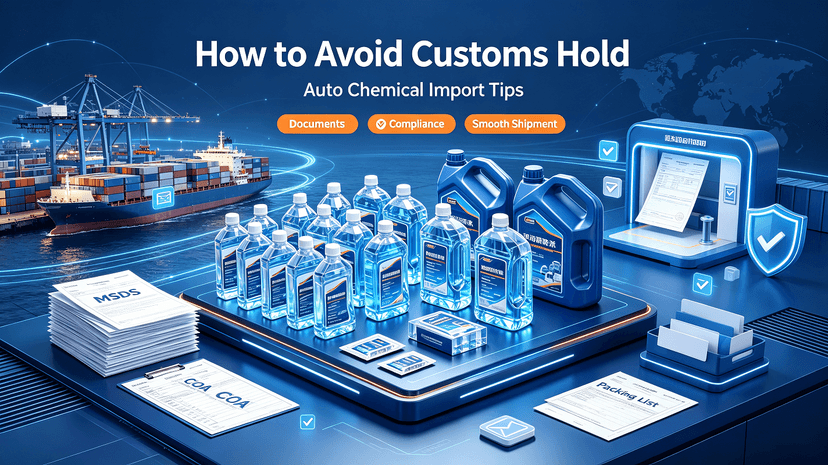
Auto Chemical Import Tips for Buyers Who Need Fewer Surprises at Customs and in the Plant
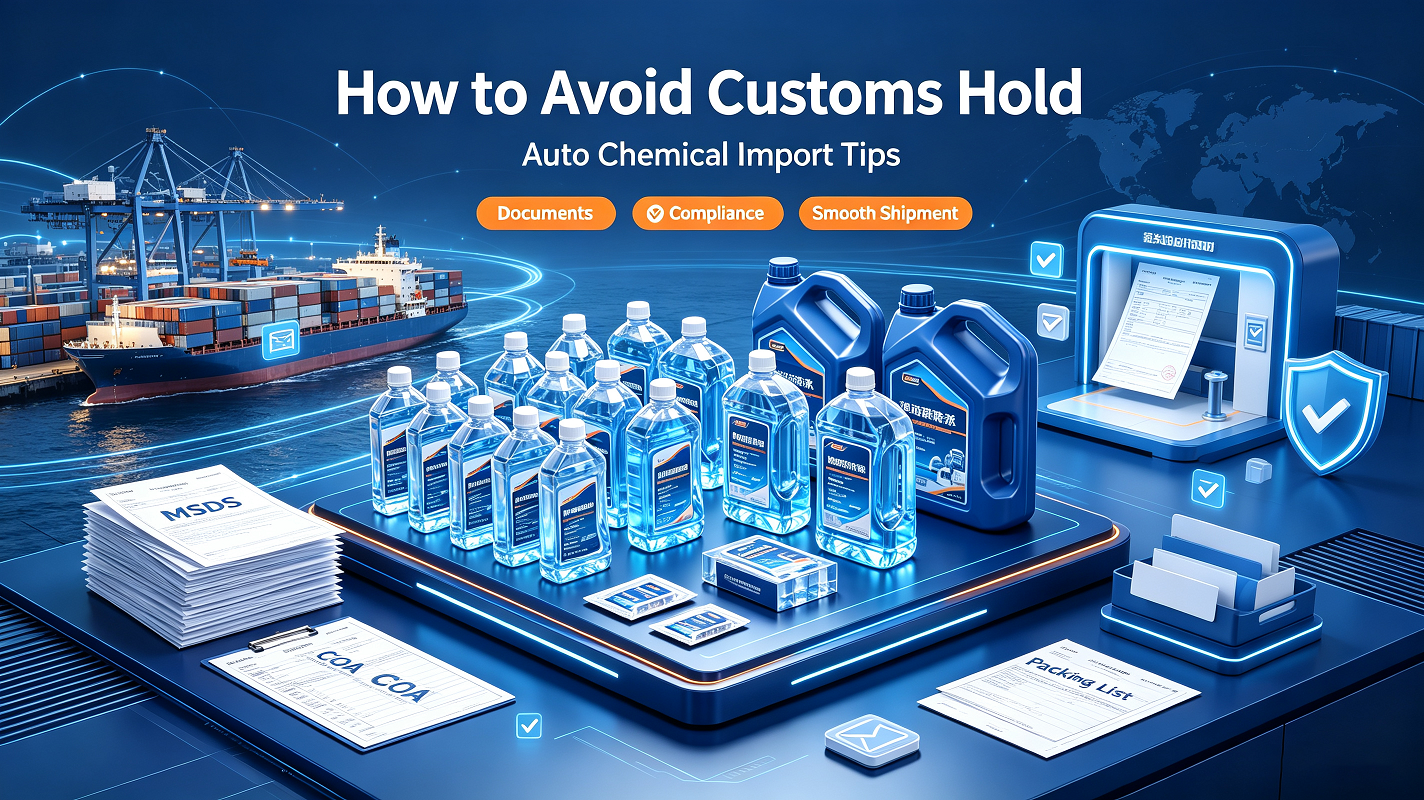
Anyone comparing auto chemical import tips is usually trying to avoid the same headache: a shipment that looks straightforward on paper but turns into a delay, a document dispute, or a warehouse problem once it lands. That risk is real because automotive chemicals are not just another commodity box to check. They can trigger product classification issues, hazmat handling questions, and documentation requirements that vary by destination market and by chemical type.
For sourcing managers and engineering teams, the decision is rarely just “which supplier has the best price.” It is more often “which supplier can ship legally, label correctly, and support the paperwork your forwarder and customs broker will actually ask for.” That is especially true when you are importing brake fluids, cleaners, additives, or related maintenance chemicals.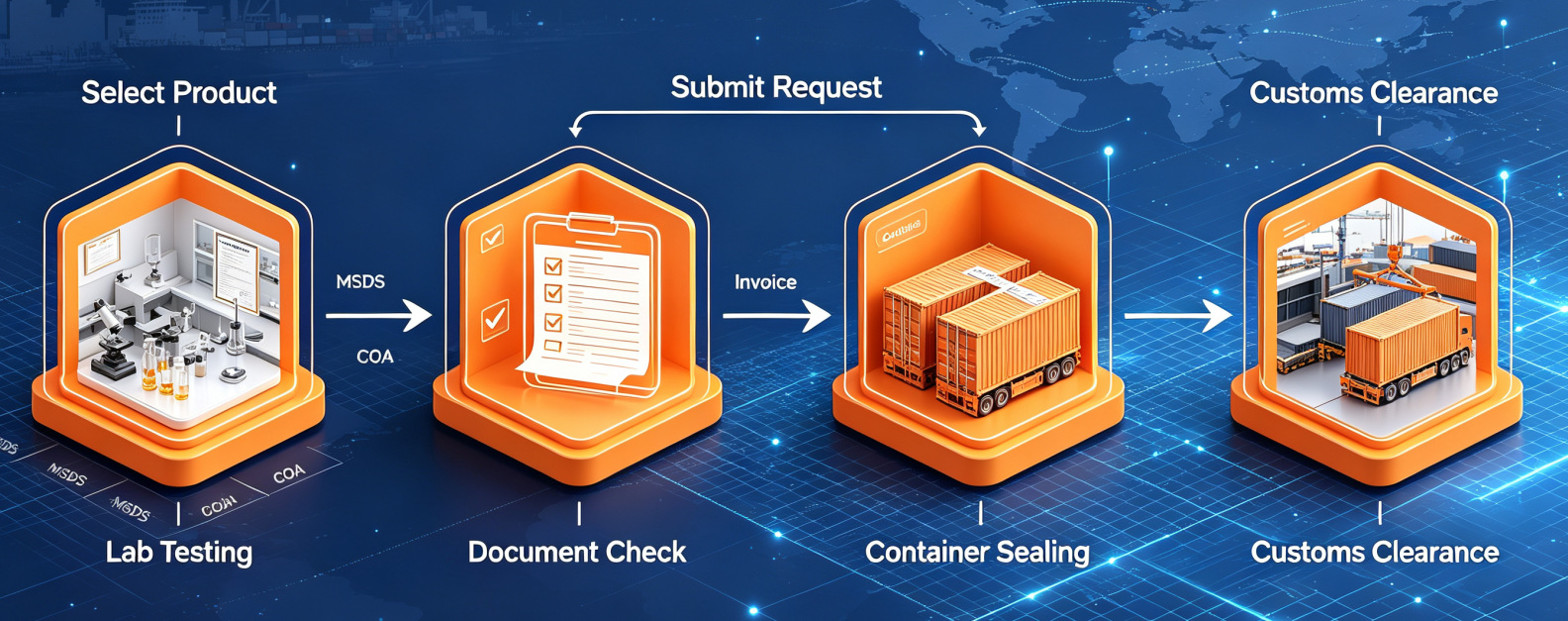
What Usually Causes Trouble in Auto Chemical Imports
The most common problems are not dramatic. They are small mismatches that snowball.
A product name on the commercial invoice may not match the safety document. A shipment may be packed for general cargo, even though the chemical needs special handling. Or the importer may assume a supplier’s standard paperwork is enough, only to discover the destination country wants more detail.
This is where document discipline matters. If your shipment includes hazardous or regulated materials, the paperwork needs to be consistent from end to end: product name, composition description, packaging details, and emergency contact information where required. Even a minor inconsistency can slow clearance.
Brake Fluid: A Useful Example of Why Details Matter
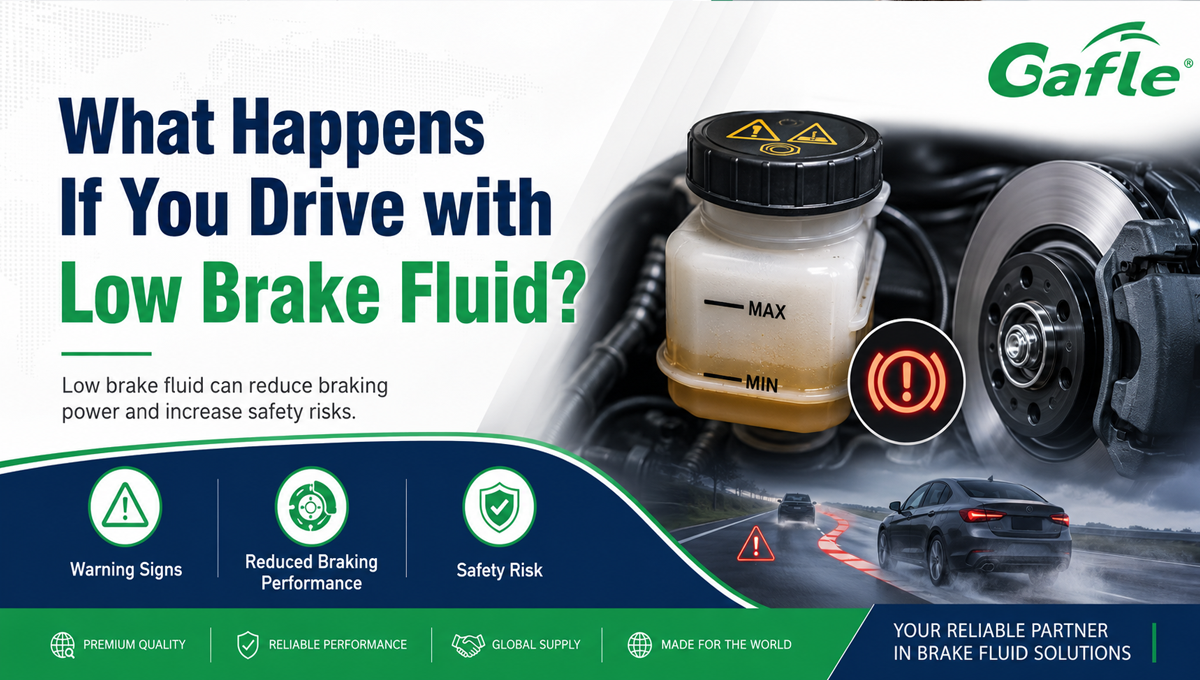
Brake fluid is a good example because buyers often treat it as a routine maintenance chemical, yet it can still raise compliance questions. When reviewing brake fluid import requirements, do not assume the same approach applies across all destinations. The rules may differ depending on formulation, packaging size, and how the product is classified under local import controls.
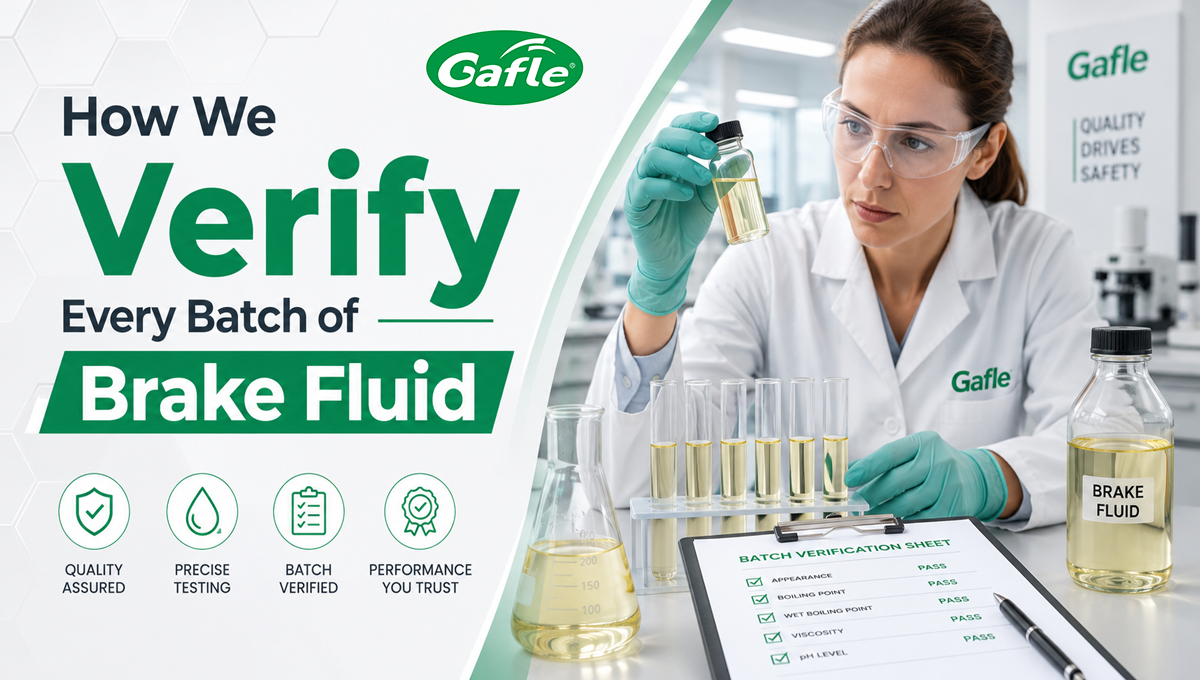
If you are requesting MSDS brake fluid from a supplier, check more than whether the document exists. Review whether it is current, clearly identifies the product, and aligns with the shipment description. In practice, customs brokers and warehouse teams care less about polished formatting and more about whether the document is usable when something needs to be verified quickly.
For broader chemical lines, the same logic applies to MSDS auto chemicals. A safety data sheet is not just a formality; it is part of the import file, the receiving process, and often the warehouse risk assessment.
Quick Buyer Checklist Before You Place an Order
A sensible import review usually starts with three questions:
Does the supplier provide complete product documentation, including the appropriate safety sheet for each SKU?
Does the product classification match how the goods will be declared to customs and transported by the freight forwarder?
Does the supplier understand the destination market, or are they simply exporting a domestic formulation with minimal adjustment?
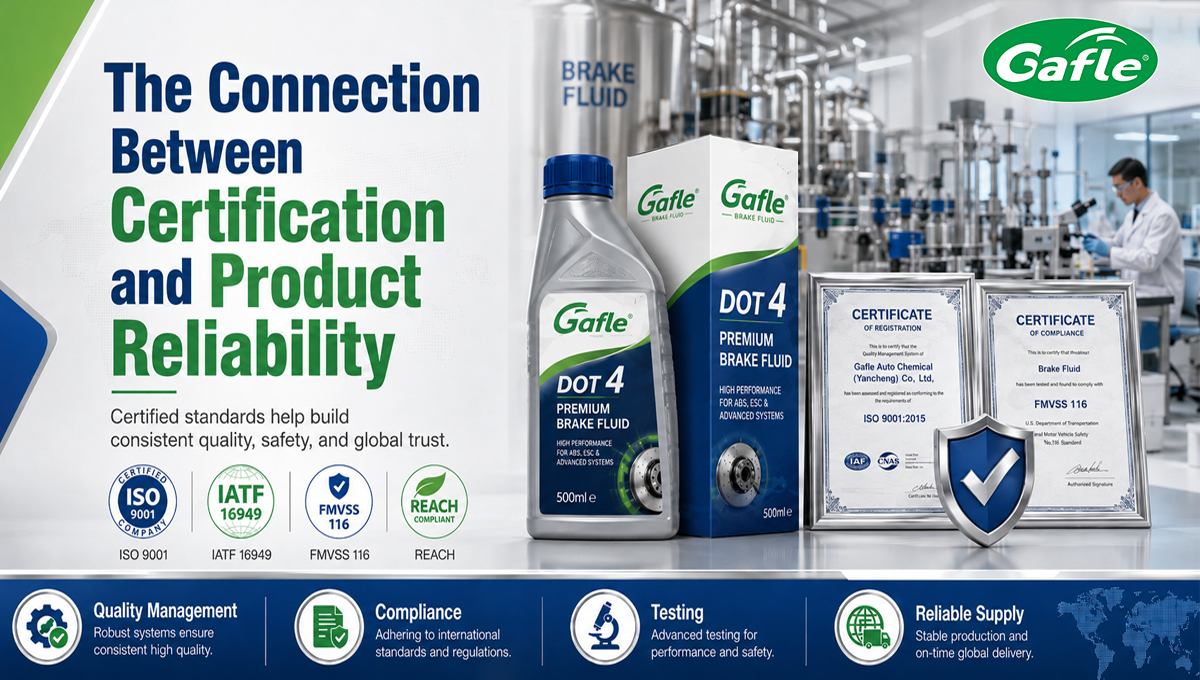
That last point is where many buyers get caught. A capable China auto chemical supplier may offer competitive pricing, but the real value is in whether they can support export documentation, packaging consistency, and communication with your logistics team. The same applies if you are working with a China brake fluid supplier; price alone will not protect a shipment from a paperwork mismatch.
Selection Criteria That Matter More Than Catalog Claims
Buyers often focus on formula and container type first, which is reasonable, but importability should sit alongside performance from the beginning. Look at whether the supplier can provide stable product identification, batch traceability, and packaging that suits long-haul freight. If the product is sensitive to temperature or leakage risk, that becomes a logistics issue as much as a chemistry issue.
You should also ask how the supplier handles relabeling, multilingual documentation, and export marking. A supplier with export experience will usually be more careful about these details. That does not guarantee a smooth process, but it lowers the odds of rework.
Common Mistakes Buyers Keep Making
One common mistake is assuming a sample approval means the production lot will clear the same way. Another is letting the purchase order go out before the documents are checked. A third is forgetting that a freight forwarder may have stricter requirements than the buyer’s internal team expected.
There is also a practical trap: teams sometimes focus only on inbound compliance and forget what happens after the goods arrive. If the product will be repacked, stored for a long time, or distributed across multiple sites, the warehouse team needs the safety data and handling instructions too.
Practical Advice for Smoother Imports
Build your document request list before you negotiate final pricing. Ask for the product name as it will appear on shipping documents, the safety sheet, packing details, and any handling notes your broker needs. If the supplier hesitates or cannot align the paperwork, treat that as a warning sign.
It also helps to keep one internal owner responsible for import documentation. When purchasing, quality, and logistics each assume someone else has checked the details, small errors survive all the way to port.
What a Good Supplier Should Be Able to Support
A reliable supplier should not only sell the chemical but help the buyer prepare for export documentation, safe packing, and consistent labeling. In automotive chemicals, that support is often the difference between a manageable import and a shipment that sits while everyone argues over the paperwork.
Next Step for Buyers
If you are planning an import program for brake fluids or other automotive chemicals, start with the documents, not the price sheet. Verify the safety data, confirm the shipment description, and pressure-test the supplier’s export readiness before you commit to volume. That small amount of discipline usually saves far more time than it costs.
Welcome to contact GAFLE for more information & cooperation!
peter
ZHEJIANG GAFLE AUTO CHEMICL CO.,LTD
Tel:86-579-8222 1665
Fax:86-579-8246 4690
Cel/Wechart:86-13335993986
E-mail:peter@gafle.net
Web:www.gafle.net