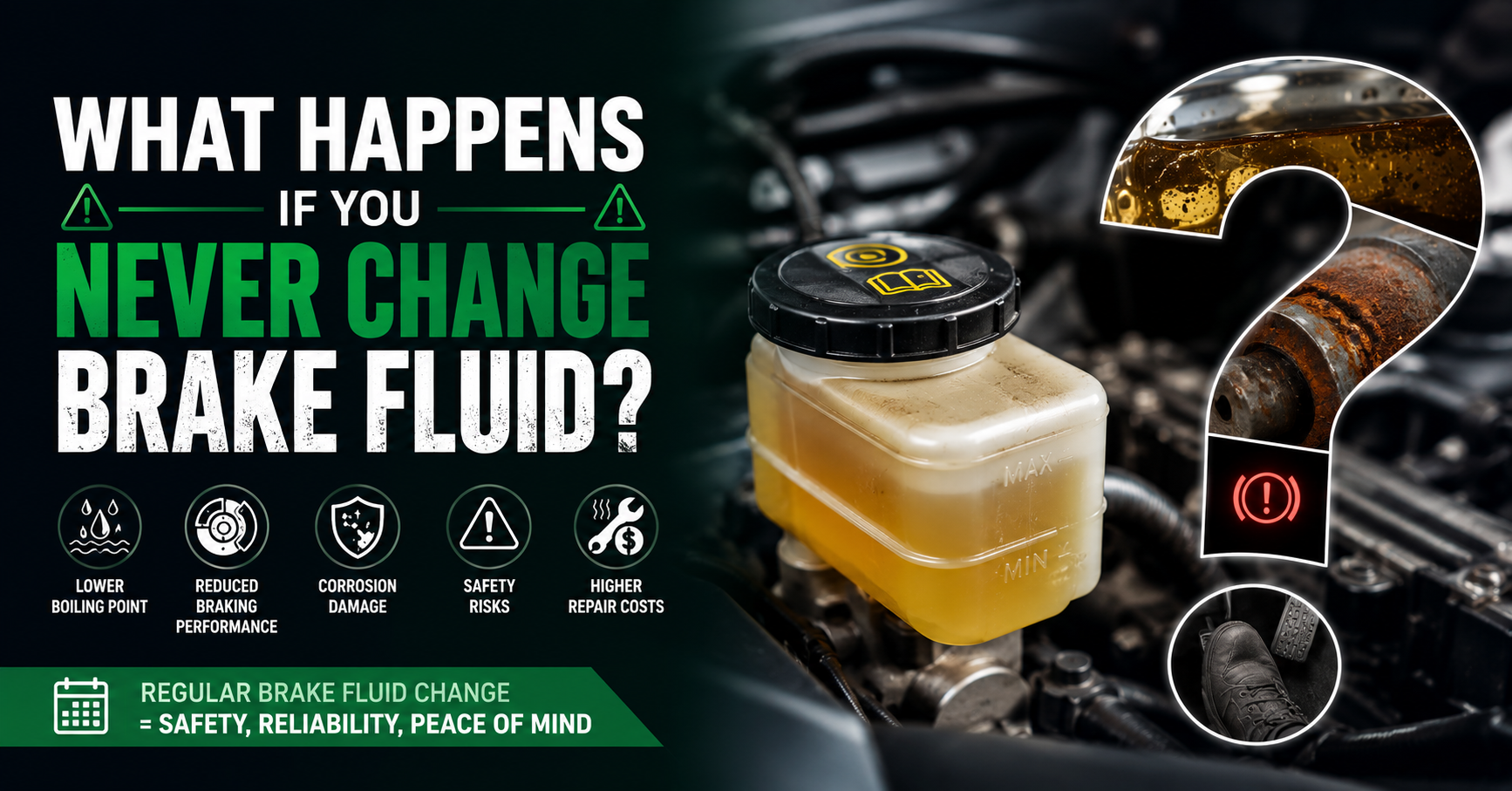
 What Happens If You Never Change Brake Fluid?
Brake fluid is one of the most overlooked maintenance items in a vehicle. Many drivers regularly replace engine oil and filters but forget that brake fluid also has a limited service life. Although it doesn't wear out in the same way as engine oil, brake fluid gradually absorbs moisture and loses performance over time.
Ignoring a Brake Fluid Change can reduce braking efficiency, accelerate corrosion inside the braking system, and increase maintenance costs. Whether you're a vehicle owner, workshop, distributor, or automotive parts supplier, understanding why brake fluid replacement matters is essential for safety and long-term vehicle reliability.
At Gafle, a professional Brake Fluid Manufacturer with more than 20 years of manufacturing experience, we are committed to providing high-quality brake fluid solutions for customers around the world. In this guide, we'll explain what happens if brake fluid is never changed and why regular maintenance is critical.
Why Does Brake Fluid Need to Be Replaced?
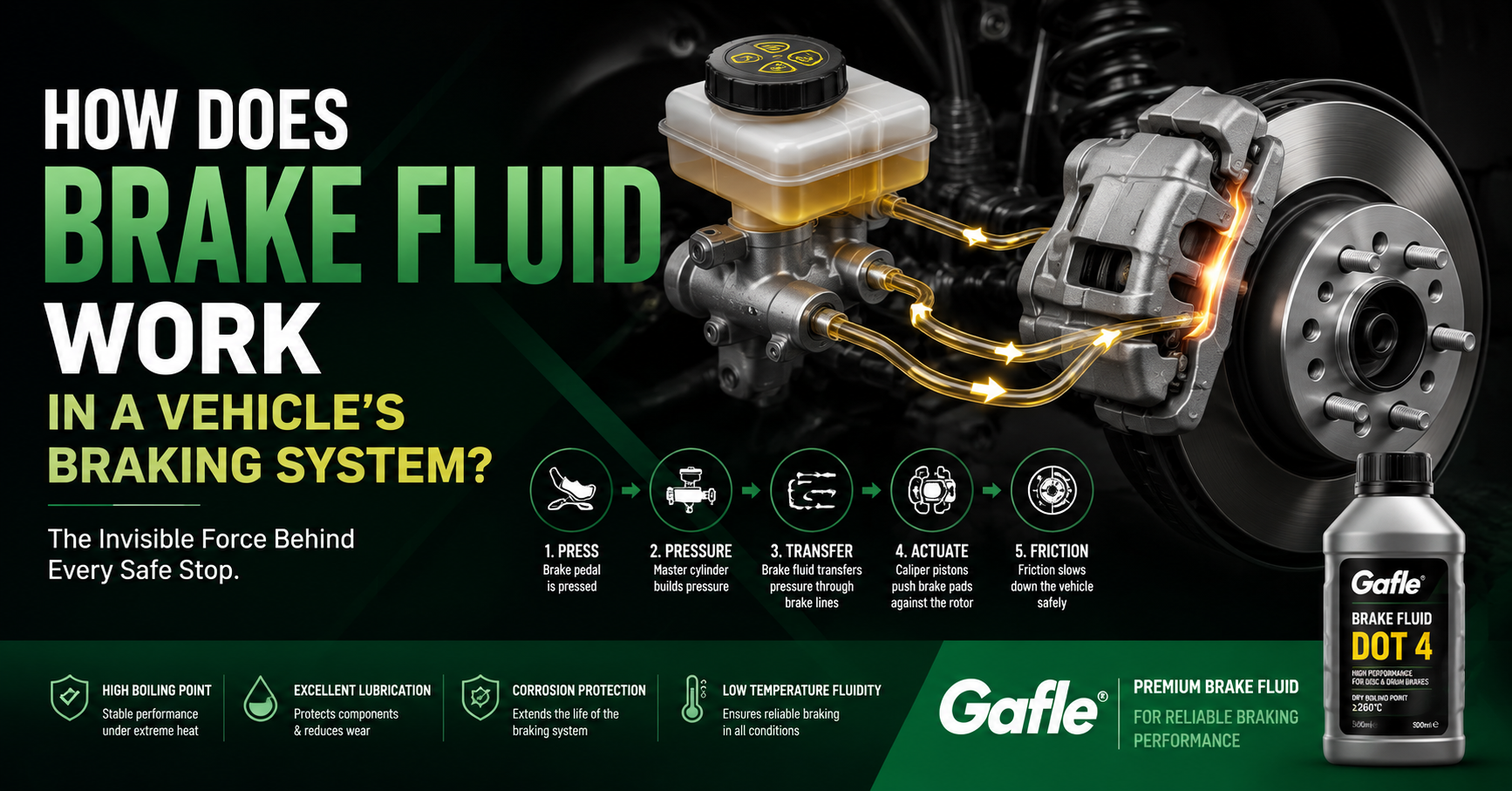
Unlike many automotive fluids, brake fluid is hygroscopic, meaning it naturally absorbs moisture from the air over time.
Even though the braking system is sealed, small amounts of moisture can gradually enter through hoses, seals, and the reservoir.
As moisture content increases, brake fluid begins to lose its original performance characteristics.
This can affect:
- Boiling point
- Hydraulic efficiency
- Corrosion protection
- Component durability
- Overall braking performance
This is why manufacturers recommend regular Brake Fluid Replacement, even if the vehicle appears to be operating normally.
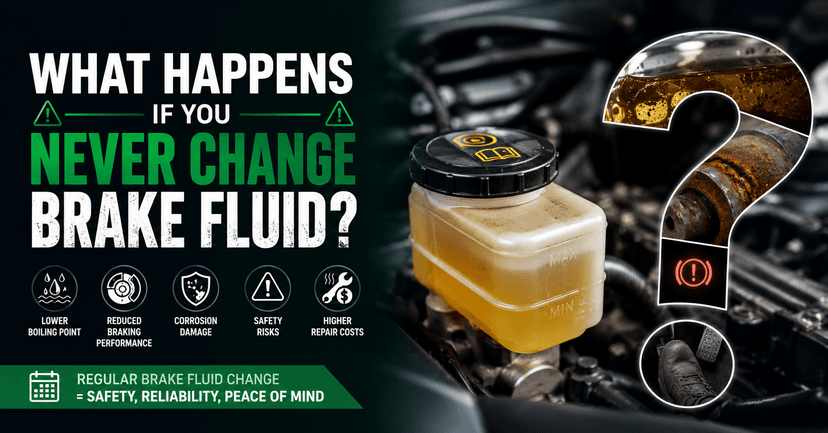
What Happens If You Never Change Brake Fluid?
Many drivers don't notice problems immediately, but neglected brake fluid can gradually affect the entire braking system.
1. Reduced Boiling Point
Fresh brake fluid is designed to perform under high braking temperatures.
As moisture accumulates, the fluid's boiling point decreases.
During heavy braking, especially on steep roads or in high-temperature conditions, brake fluid may be more likely to form vapor, reducing braking effectiveness.
2. Decreased Braking Performance
Brake fluid transfers hydraulic pressure from the brake pedal to the braking system.
As the fluid ages, braking response may become less consistent, making the vehicle feel less responsive during braking.
Reliable braking performance depends on maintaining brake fluid in good condition.
3. Internal Corrosion
Moisture inside the braking system can contribute to corrosion of internal metal components, including:
- Brake lines
- Master cylinder
- Brake calipers
- ABS hydraulic components
Over time, corrosion may increase maintenance requirements and shorten component service life.
4. Increased Maintenance Costs
Replacing brake fluid is relatively inexpensive compared with repairing damaged braking components.
Delaying maintenance may eventually lead to higher repair costs due to corrosion or component wear.
Preventive maintenance is generally more economical than major repairs.
5. Reduced Driving Confidence
Consistent braking performance is essential for safe driving.
Keeping brake fluid in good condition helps drivers maintain predictable braking response under different road conditions.
Common Symptoms of Old Brake Fluid
Many drivers wonder how to recognize aging brake fluid.
Some common Old Brake Fluid Symptoms include:
- Brake fluid appears dark or cloudy
- Reduced braking response
- Soft or spongy brake pedal
- Increased stopping distance
- Brake warning light (depending on the vehicle)
These symptoms may indicate that the braking system should be inspected by a qualified technician.
How Often Should Brake Fluid Be Changed?
One of the most common maintenance questions is How Often to Change Brake Fluid.
Although replacement intervals vary depending on vehicle manufacturers and operating conditions, a common recommendation is:
- Every 2 years, or
- Every 40,000 kilometers (25,000 miles)
Vehicles used in demanding environments—such as mountainous roads, heavy traffic, or commercial operations—may require more frequent inspections.
Always follow the maintenance schedule recommended by the vehicle manufacturer.
Why Choosing High-Quality Brake Fluid Matters
Not all brake fluids are manufactured to the same standards.
When selecting brake fluid, buyers should consider:
Product Quality
Choose products manufactured under strict quality management systems.
Stable Performance
Consistent manufacturing helps ensure reliable braking performance.
Professional Testing
Laboratory testing verifies product quality before shipment.
Manufacturer Experience
Experienced manufacturers generally have stronger production and quality control capabilities.
Choosing high-quality brake fluid helps protect both vehicles and customer confidence.
DOT 4 Brake Fluid: A Popular Choice for Modern Vehicles
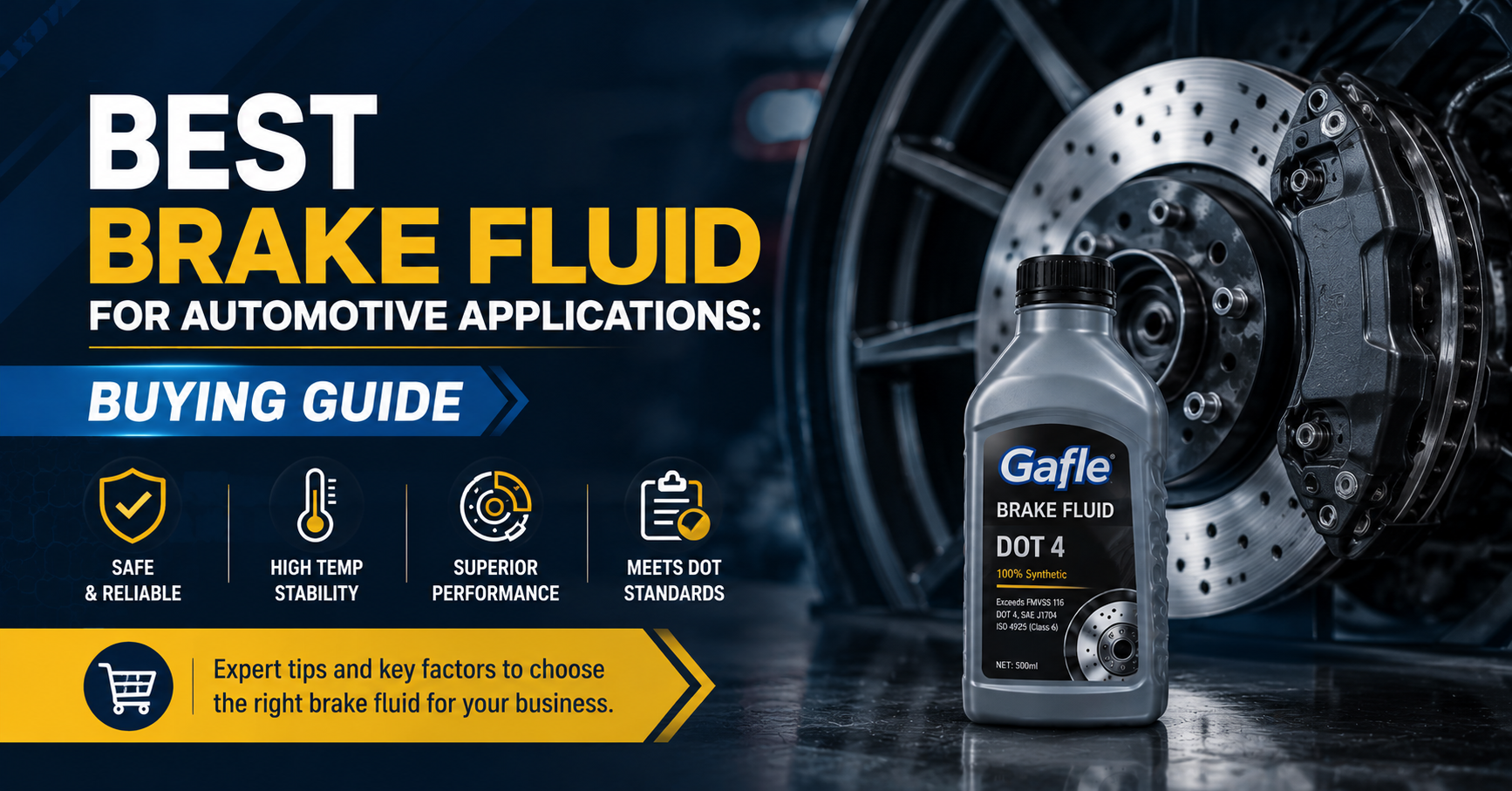
Among today's most widely used brake fluids, DOT 4 Brake Fluid is commonly specified for:
- Passenger cars
- SUVs
- Pickup trucks
- Commercial vehicles
Compared with DOT 3, DOT 4 generally provides higher boiling points, making it suitable for vehicles operating under more demanding braking conditions.
Always use the brake fluid grade specified by the vehicle manufacturer.
How to Choose the Best Brake Fluid Manufacturer in China
Many importers and distributors searching for the Best Brake Fluid Manufacturer in China focus on more than competitive pricing.
They also evaluate:
- Manufacturing experience
- Brake Fluid Quality Control
- Laboratory testing capability
- OEM manufacturing expertise
- Production consistency
- Export experience
- Product certifications
- Stable supply capacity
- Technical support
- Long-term partnership potential
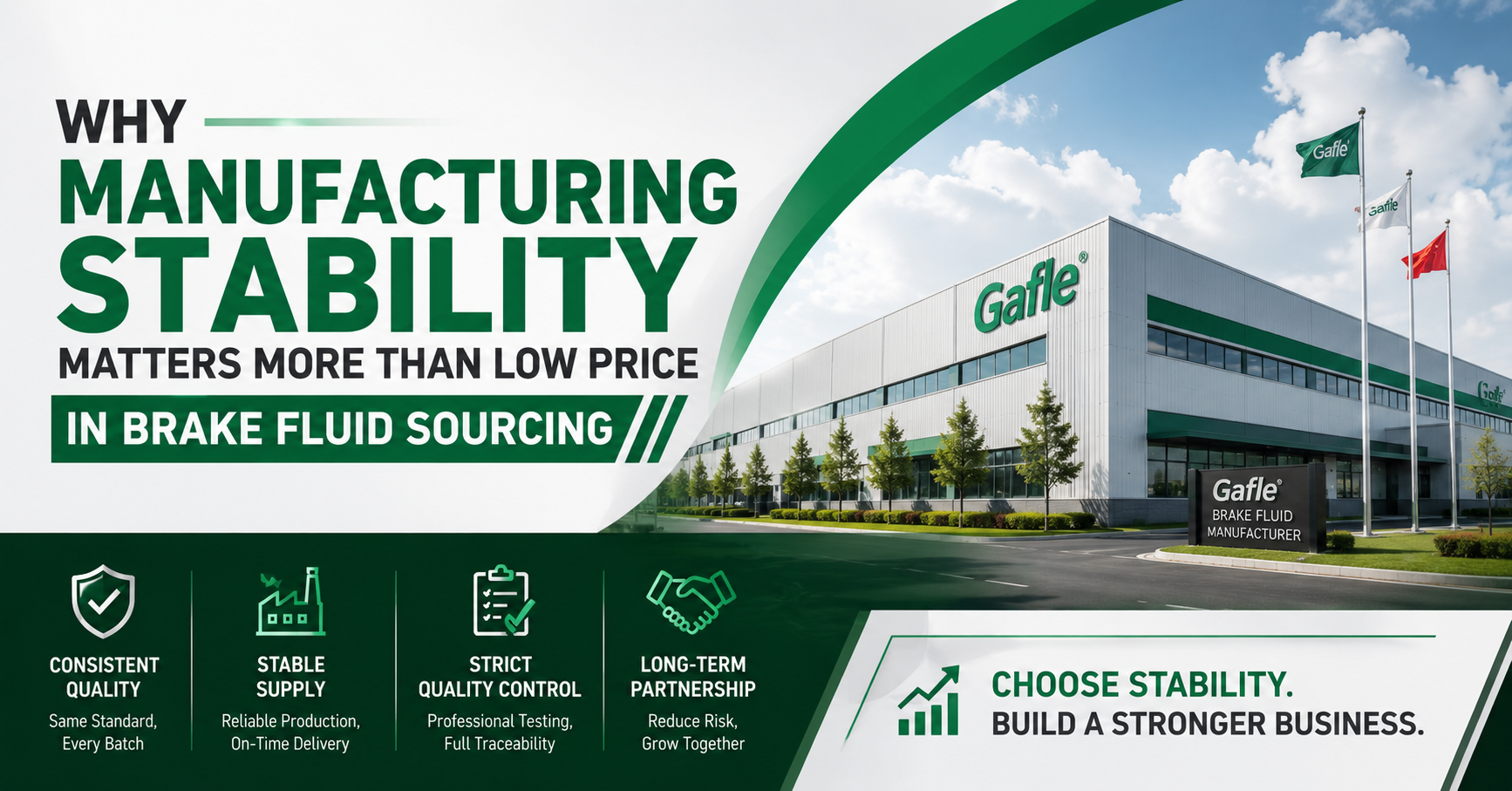
A reliable manufacturer helps reduce purchasing risks while supporting sustainable business growth.
Why Global Customers Choose Gafle
As a trusted Brake Fluid Manufacturer, Gafle supplies high-quality brake fluid to customers around the world.
Our advantages include:
- 20+ Years of Dedicated Brake Fluid Manufacturing Experience
- DOT 3 and DOT 4 Brake Fluid Production
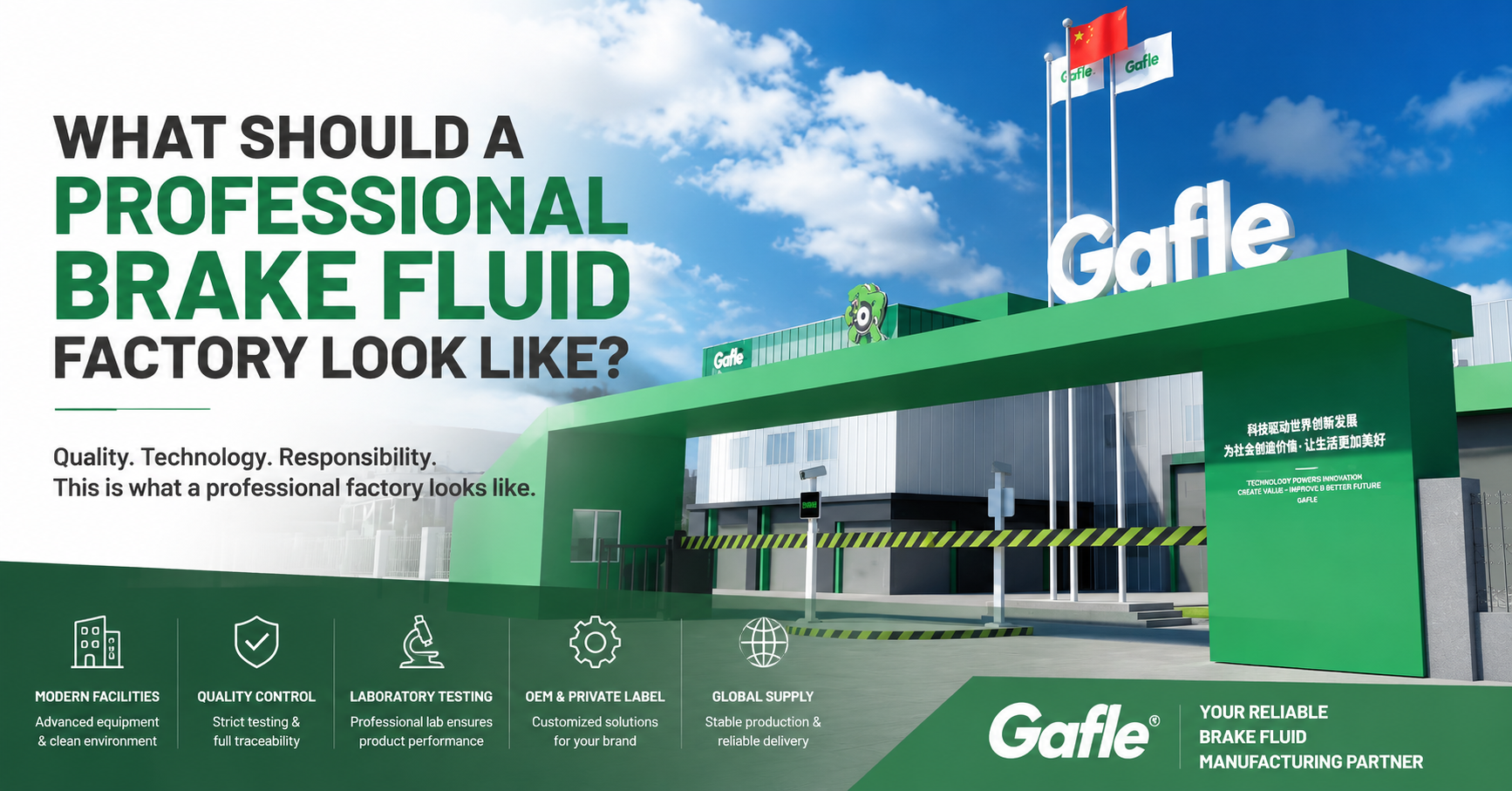
- Modern Manufacturing Facilities
- Professional Laboratory Testing
- Strict Quality Management
- IATF 16949 Quality Management System
- OEM Brake Fluid Manufacturing
- Private Label Solutions
- Customized Bottles, Labels, and Cartons
- Stable Production Capacity
- Global Export Experience
- Participation in Drafting China's National Brake Fluid Standards
Whether you're building your own brand or expanding your product portfolio, Gafle provides reliable manufacturing solutions designed for long-term success.
Frequently Asked Questions
What happens if brake fluid is never changed?
Old brake fluid can absorb moisture over time, which may reduce its boiling point, contribute to internal corrosion, and affect braking performance.
How often should brake fluid be changed?
Most manufacturers recommend replacing brake fluid approximately every 2 years or 40,000 kilometers (25,000 miles), although maintenance intervals vary by vehicle and driving conditions.
What are the symptoms of old brake fluid?
Common signs include dark or cloudy brake fluid, a soft brake pedal, reduced braking response, and longer stopping distances.
Is DOT 4 brake fluid better than DOT 3?
DOT 4 generally offers higher boiling points than DOT 3, making it suitable for many modern vehicles. However, always use the fluid specified by the vehicle manufacturer.
How should buyers choose the Best Brake Fluid Manufacturer in China?
Buyers should evaluate manufacturing experience, product consistency, laboratory testing, OEM capability, quality management systems, export experience, and long-term partnership value rather than focusing only on price.
Conclusion
Although brake fluid is often overlooked, it plays a vital role in vehicle safety and braking performance.
Ignoring a regular Brake Fluid Change may lead to reduced braking efficiency, moisture contamination, internal corrosion, and higher maintenance costs over time. Preventive maintenance not only helps protect the braking system but also contributes to a safer driving experience.
For businesses searching for the Best Brake Fluid Manufacturer in China, selecting a supplier with strong manufacturing experience, strict quality control, professional laboratory testing, and reliable OEM capabilities is just as important as choosing the right brake fluid itself.
With more than 20 years of dedicated manufacturing experience, Gafle continues to provide premium brake fluid products, customized OEM solutions, and dependable global supply for distributors, automotive brands, and importers worldwide.
At Gafle, we believe that regular brake fluid maintenance is a small investment that delivers long-term protection, reliable braking performance, and greater confidence on every journey.