Why a Certificate of Analysis matters before you release a shipment
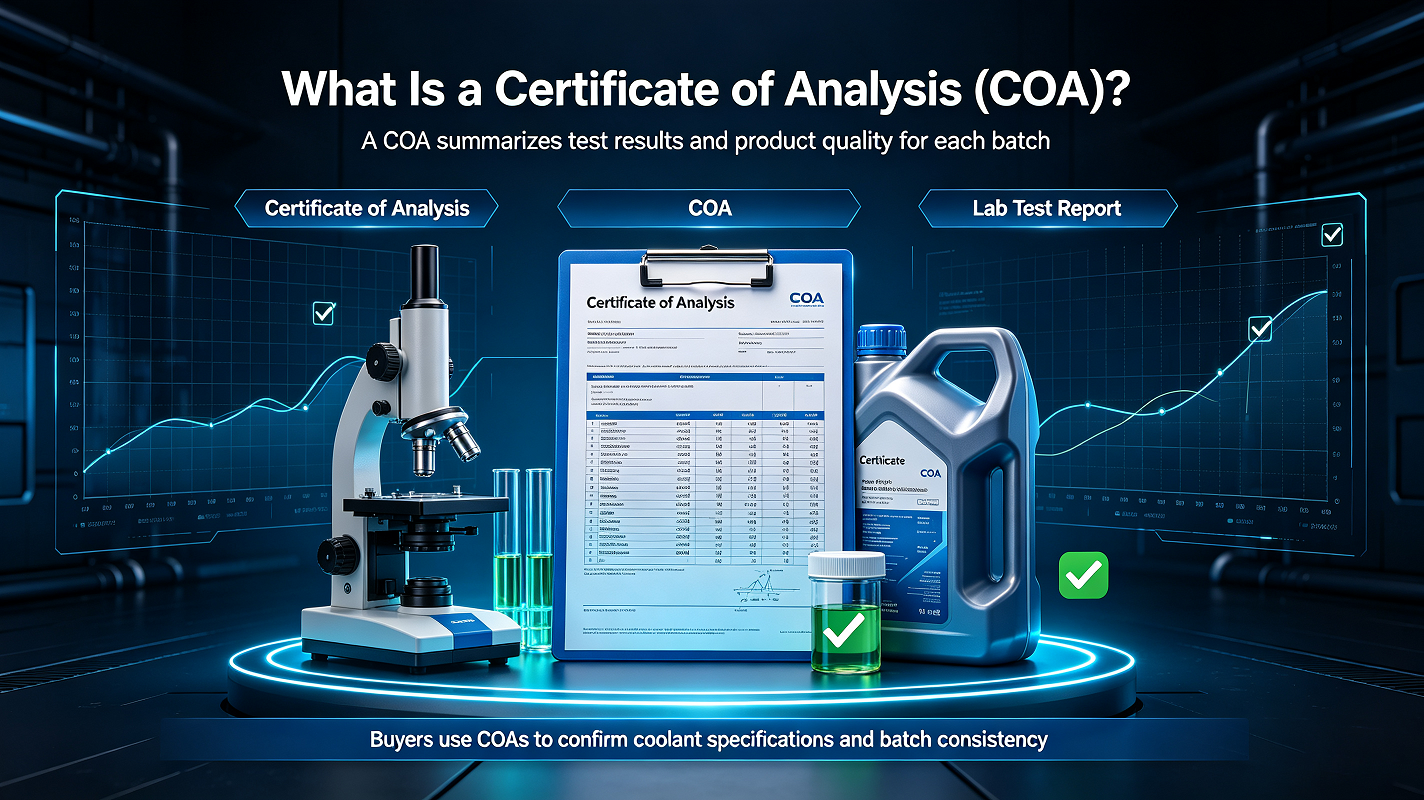
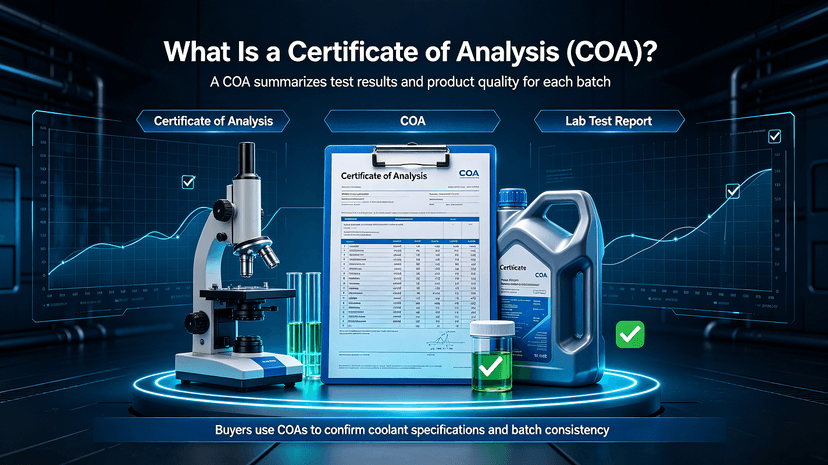
A Certificate of Analysis is one of those documents that can look routine until a batch problem lands on your desk. For engineers, sourcing managers, and product teams, it is often the quickest way to confirm that a material or finished part matches the stated specification before it moves into production, storage, or customer use. If you have ever asked what is a Certificate of Analysis in practical terms, the short answer is that it is a quality document that summarizes test results for a specific lot, batch, or production run.
That sounds simple, but the decision it supports is not. A buyer is usually trying to decide whether to accept material, whether to request clarification, or whether to stop a shipment from entering the line. A good Certificate of Analysis gives you evidence. A weak one creates risk, and in manufacturing, undocumented risk has a habit of becoming expensive later.
What a Certificate of Analysis typically shows
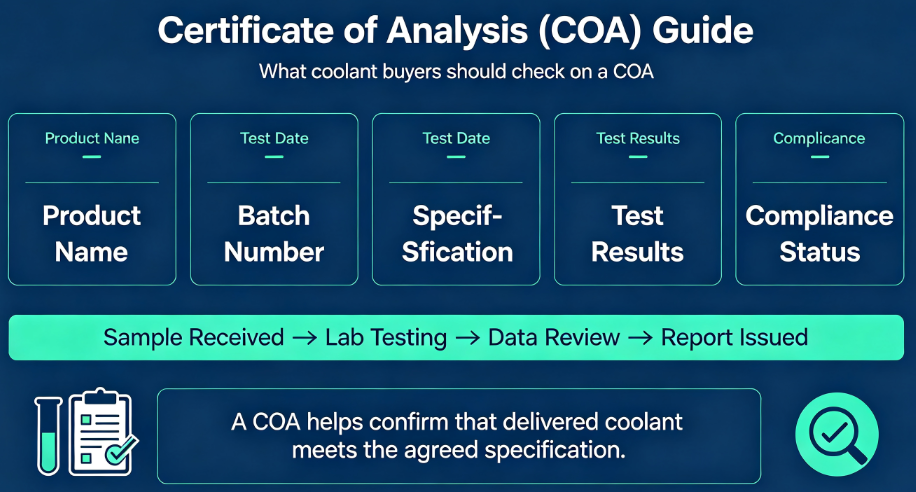
At its core, the document links a product or batch to measured results. It may list product identification, batch or lot number, test methods, test dates, acceptance criteria, and the actual values recorded during inspection or laboratory testing. In some industries it is called a lab test report, though the format and level of detail can vary by material, regulation, or customer requirement.
The important point is not the title on the page. It is whether the data on the page can be traced back to the material you received. If the lot number does not match the packaging, or the test method is vague, the document may be more decorative than useful.
Quick reference: what buyers usually check first
Most experienced buyers and quality teams scan for a few essentials before they read the fine print:
Lot or batch identification that matches the shipment
Clear product name or grade
Test results with units shown
Specification limits or pass/fail criteria
Date of issue and, where relevant, test date
Issuer identity and traceability to the source of the results
That may seem basic, but these are the lines that separate a usable product COA from a document that only looks official.
Why this document matters in manufacturing
Manufacturing teams depend on consistency. One off-spec incoming batch can create rework, downtime, scrap, or customer complaints that cost far more than the material itself. A Certificate of Analysis helps reduce that uncertainty by showing whether the supplier actually measured the properties that matter.
For raw materials, the document may support incoming inspection. For finished goods, it may help a distributor verify conformance before resale. In regulated supply chains, it may also serve as part of the record that proves due diligence. Even when regulations are not driving the process, a well-prepared certificate makes supplier comparison easier because it lets you compare like with like rather than rely on sales language.
That said, a COA is not magic. It does not replace your own specifications, incoming checks, or risk review. It is one input, not the whole quality system. Buyers sometimes overtrust the document because it looks formal. That is a mistake. The right habit is to treat it as evidence that still needs to be checked against your own requirements.
How to read a lab test report without missing the important parts
When you receive a lab test report, start by verifying identity. Does the product description match the purchase order, spec sheet, or approved sample? Then look at the test methods. A result is only meaningful if you know how it was measured. Different methods can produce different numbers, even for the same material.
Next, look at the limits. A value by itself is not enough. “Hardness 72” means very little unless you know the target range and the test standard behind it. The same applies to purity, tensile values, moisture, contamination levels, or any other reported parameter. If a supplier reports only passing marks with no actual numbers, that may be acceptable in some cases, but it leaves less room for independent review.
Finally, check the date and scope. Some documents test a representative sample, not every unit. That is normal, but it should be understood clearly. A buyer should know whether the report covers the specific lot in hand or a broader production run.
Common problems buyers run into
One frequent issue is mismatch between paperwork and packaging. The box says one lot, the certificate shows another. Another is vague language such as “meets standards” without naming the standard or showing actual data. There is also the problem of outdated documents reused across multiple shipments, which can happen when suppliers are under pressure to move product quickly.
Some buyers also assume every product COA means the same thing. It does not. The depth of testing can vary widely depending on the product category, supplier maturity, and customer requirements. Two certificates may both be valid while still being very different in usefulness. That is why sourcing teams should define document expectations early rather than trying to fix the issue after the shipment is on the dock.
Practical buying advice for sourcing and quality teams
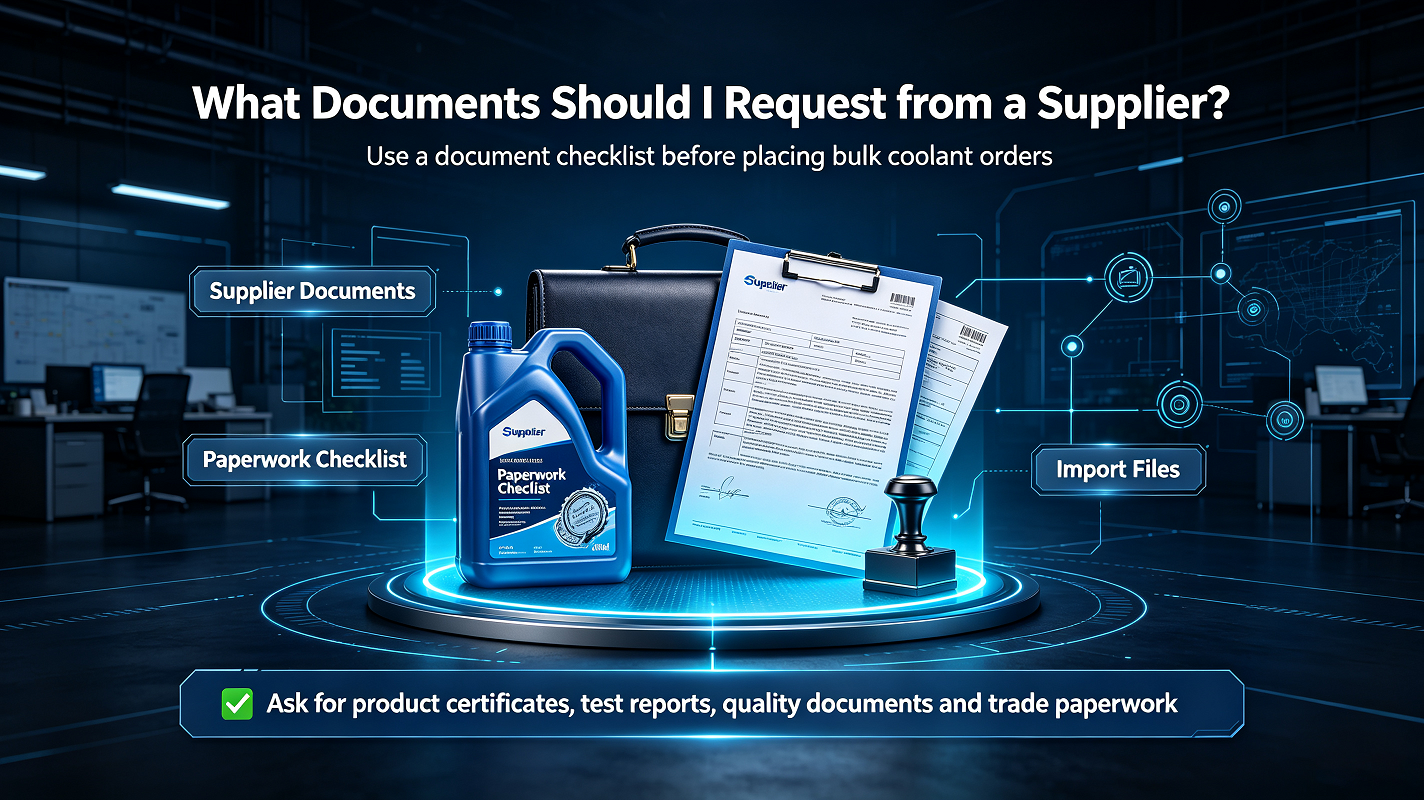
If the document is important to your approval process, ask for a sample before the first order closes. Review whether the supplier can consistently provide the same format, same lot traceability, and same test detail every time. If they cannot, you may still be able to work with them, but you will need tighter receiving controls.
It also helps to specify the exact data you want on the COA in the purchase order or quality agreement. Do not assume a supplier knows your internal requirements. If a parameter matters to performance, spell it out. If a test method matters, name it. If you need the document tied to shipment date rather than production date, say so. Small ambiguities become big arguments later.
And one practical caution: do not let a polished document distract from basic incoming inspection. A certificate can support acceptance, but it should not be the only gate where failure is costly.
FAQ: short answers buyers usually need
What is a Certificate of Analysis used for?
It is used to show test results for a specific batch or lot so a buyer can confirm conformance to stated requirements.
Is a lab test report the same thing?
Often, yes in practical terms, though the exact format and content can differ. The key is traceable results tied to the shipment.
Should every shipment have one?
Not always, but if the material is critical, regulated, or performance-sensitive, requesting a COA is usually a sensible buyer control.
Can a COA replace incoming inspection?
No. It supports inspection and acceptance decisions, but it should not replace your own checks when the risk is meaningful.
What to do next
If you are qualifying a supplier or tightening your receiving process, make the Certificate of Analysis part of the discussion before the first shipment leaves the dock. Ask what is measured, how it is measured, and how the batch traceability works. Then compare the document against your own product specification, not against sales language. That simple discipline saves time, and more importantly, it keeps questionable material from becoming a line problem.
Welcome to contact GAFLE for more information & cooperation!
peter
ZHEJIANG GAFLE AUTO CHEMICL CO.,LTD
Tel:86-579-8222 1665
Fax:86-579-8246 4690
Cel/Wechart:86-13335993986
E-mail:peter@gafle.net
Web:www.gafle.net