Why supplier required documents matter before the first PO
When a buying team talks about supplier required documents, it is usually trying to prevent a problem that has already shown up somewhere else: a shipment held at customs, a quality issue traced to a missing batch record, or a production line waiting because the buyer never asked for the right paperwork up front. The documents themselves are not glamorous, but they are often the only way to verify what was ordered, what was shipped, and whether the material can be used safely and legally.
For engineers, sourcing managers, and product teams, this is not just an admin exercise. It is a control point. Good documentation reduces ambiguity, supports incoming inspection, and gives procurement something concrete to compare from one supplier to another. In regulated or performance-sensitive categories, including automotive chemical supplies, the paperwork can be as important as the product data sheet.
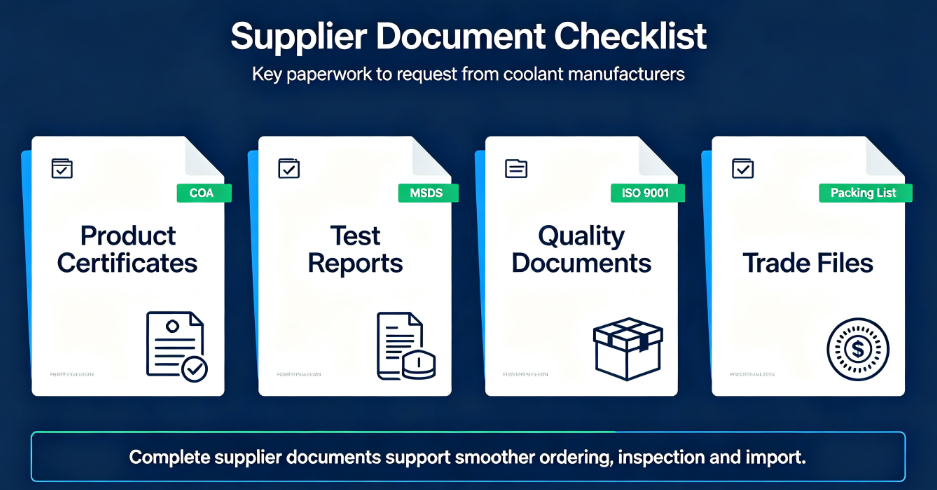
What a practical document set usually includes
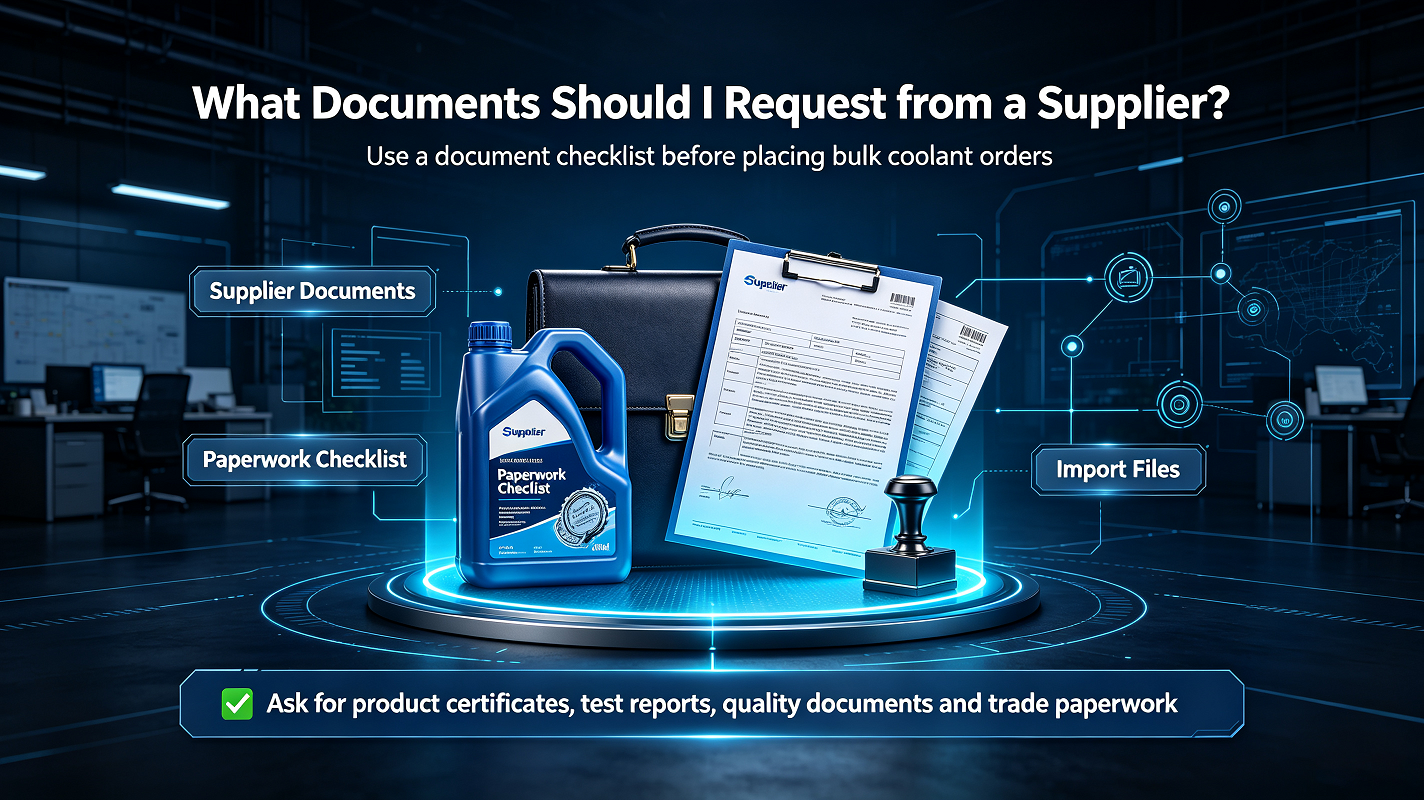
The exact list depends on the product, the region, and the customer’s internal rules, but most vendor paperwork falls into a few familiar buckets. Some documents confirm identity, some prove quality, and some keep the shipment moving through logistics and customs.
Commercial and logistics documents
These are the basic shipment records: commercial invoice, packing list, bill of lading or airway bill, and any import documentation needed by the destination country. If any one of these is wrong, the shipment can slow down quickly. A minor description mismatch on the invoice can create a surprisingly large customs headache, especially when the goods are chemical or otherwise controlled.
Quality and traceability documents
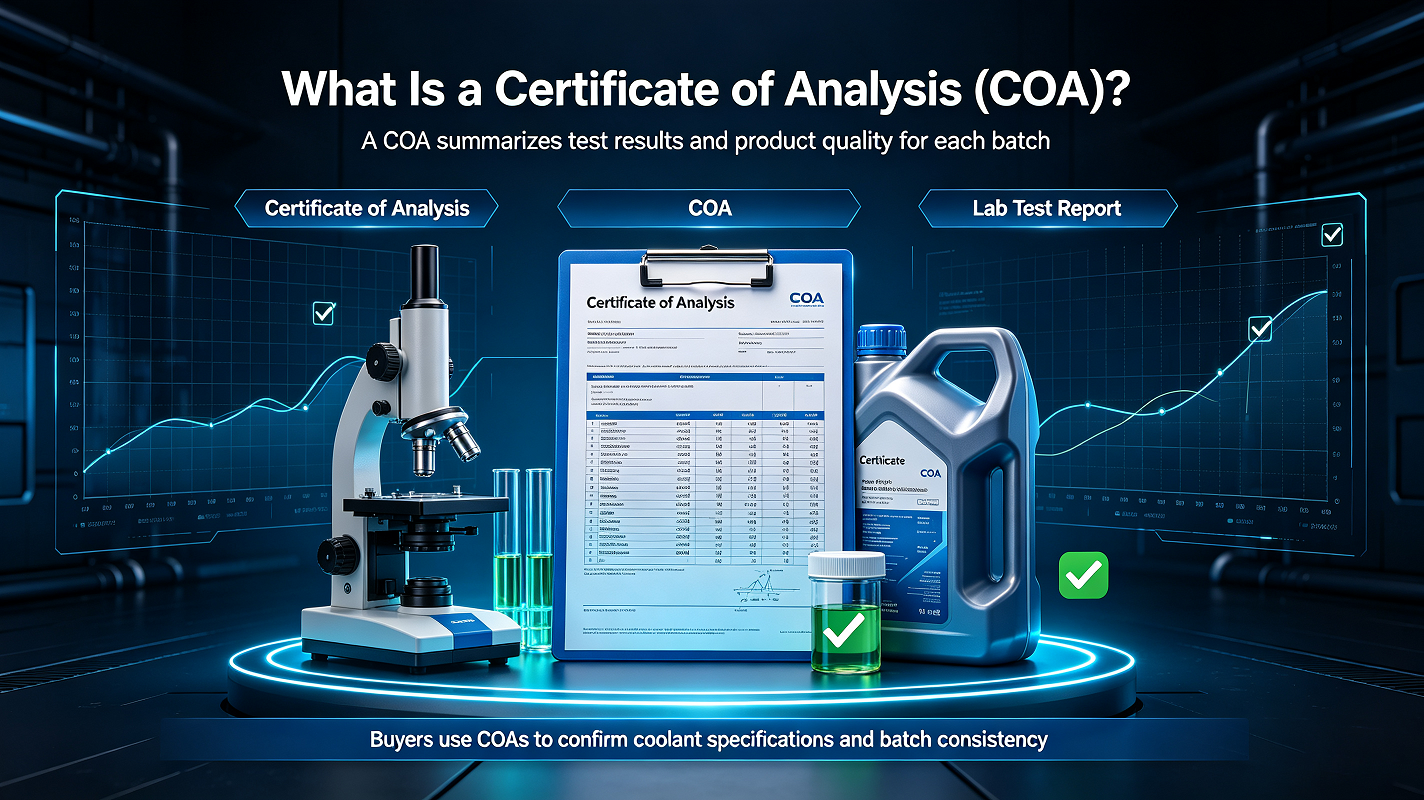
Buyers often ask for a certificate of analysis, lot or batch identification, test reports, and a specification sheet that matches the ordered grade. For automotive chemical suppliers, this part matters because a small formulation change can affect downstream performance, shelf life, or compatibility with other materials. A clean checklist of documents for automotive chemical suppliers typically starts with product identification and ends with traceability back to the manufacturing lot.
Compliance and safety documents
Depending on the material, you may need safety data sheets, transport classification details, origin statements, or declarations that support local compliance requirements. If the product is hazardous, flammable, corrosive, or otherwise regulated, the absence of correct safety paperwork is not a paperwork issue; it is a shipment risk and a workplace risk.
A quick buyer-side checklist
Before onboarding a new supplier, many teams build a simple checklist. It does not need to be elaborate. In fact, a short list that people actually use is better than a long form that sits in a folder.
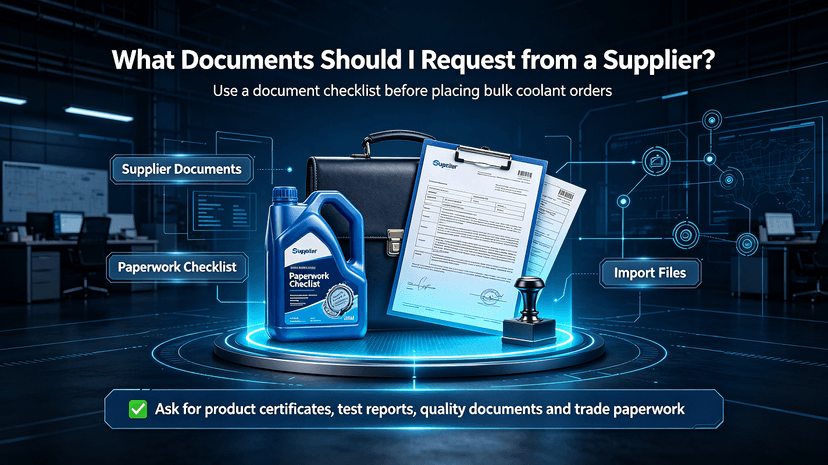
At minimum, many buyers will ask for:
Product specification or technical data sheet
Certificate of analysis or equivalent batch report
Safety data sheet, when applicable
Commercial invoice and packing list
Bill of lading, airway bill, or other transport record
Country-of-origin or import documentation if required
Any customer-specific declaration or signed compliance statement
That list will not fit every category. Still, it gives procurement and quality teams a starting point when defining supplier required documents for new programs or new geographies.
Common mistakes buyers make
The most common mistake is asking for documents too late. If the supplier has already begun production, the buyer has less leverage to correct gaps or request a revised format. Another common error is accepting a document that looks formal but does not actually match the lot number, product code, or shipment date.
There is also a tendency to rely on one department’s version of the truth. Purchasing may be satisfied if the pricing is right; quality may want test records; logistics may need import documentation. If those groups do not align early, the document set becomes fragmented and the plant ends up chasing missing files after the goods arrive.
A smaller but real problem is over-collecting. Not every supplier needs a ten-page questionnaire. Excessive vendor paperwork can slow sourcing and irritate good suppliers. The better approach is to separate mandatory documents from “nice to have” documents and apply that standard consistently.
How to compare suppliers using documents, not promises
Strong suppliers tend to make documentation easy to review. Their files are organized, their naming is consistent, and the product description on each paper matches the commercial order. That does not guarantee perfect quality, of course, but it usually signals a mature process.
When comparing offers, ask a few practical questions:
Do the documents match the product exactly, including grade or formulation?
Is the traceability information complete enough to isolate a batch if there is a problem?
Can the supplier provide import documentation or customs-supporting records without delay?
Are the safety and technical documents current, legible, and tied to the same product code?
These questions matter because the best price on paper can become the most expensive option if the paperwork fails at receiving, quality release, or border clearance.
Special note for automotive chemical suppliers
Automotive programs are often less forgiving than general industrial buying. Chemical inputs may need a tighter document trail because they sit inside a larger manufacturing system, where compatibility and repeatability matter. Buyers in this space usually want a clear checklist of documents for automotive chemical suppliers before approving trial shipments, not after the first batch is already in a tank or on a line.
One practical caution: if the supplier changes packaging, sub-supplier, or manufacturing site, document updates should follow immediately. A file that was acceptable last quarter may be out of date today, and in automotive supply chains, that gap can be enough to trigger a stop.
What procurement teams should ask for in writing
The easiest way to reduce document disputes is to define the requirements in the purchase order, supplier manual, or quality agreement. Keep the wording clear. State which documents are mandatory, which are conditional, and what format you expect them in. If a scanned copy is acceptable, say so. If originals are required for customs or internal release, say that too.
It also helps to name the owner for each step. Procurement can request the files, quality can review them, and logistics can confirm the shipping records. Without that split, supplier required documents often become nobody’s job until something goes wrong.
FAQ: common document questions from buyers
Do all suppliers need the same documents?
No. The document set should reflect the product risk, regulatory burden, and shipping route. A fastener supplier and a chemical supplier will rarely need the same folder.
Should documents be requested before sample approval?
Usually yes, at least the core technical and safety documents. Early review saves time and avoids evaluating a material that cannot be supported at scale.
What if the supplier’s paperwork is incomplete?
Pause and correct it before release if the missing item affects compliance, safety, or traceability. It is easier to delay one shipment than to explain a preventable issue later.
Next step for buyers and engineers
If you are building or updating a supplier approval process, start with a short document matrix: product, required paper, owner, and review timing. Keep it simple enough that the team will actually use it. Then apply it consistently across sourcing events, especially where import documentation or chemical handling is involved. A disciplined document request is not bureaucracy for its own sake; it is one of the cheapest ways to reduce supply risk before the first shipment leaves the supplier’s dock.
Welcome to contact GAFLE for more information & cooperation!
peter
ZHEJIANG GAFLE AUTO CHEMICL CO.,LTD
Tel:86-579-8222 1665
Fax:86-579-8246 4690
Cel/Wechart:86-13335993986
E-mail:peter@gafle.net
Web:www.gafle.net