logo

Why Does Engine Coolant Come in Different Colors?

logo

Published

Aug 10 2026

  • Antifreeze / Coolant

Follow us

why-does-engine-coolant-come-in-different-colors
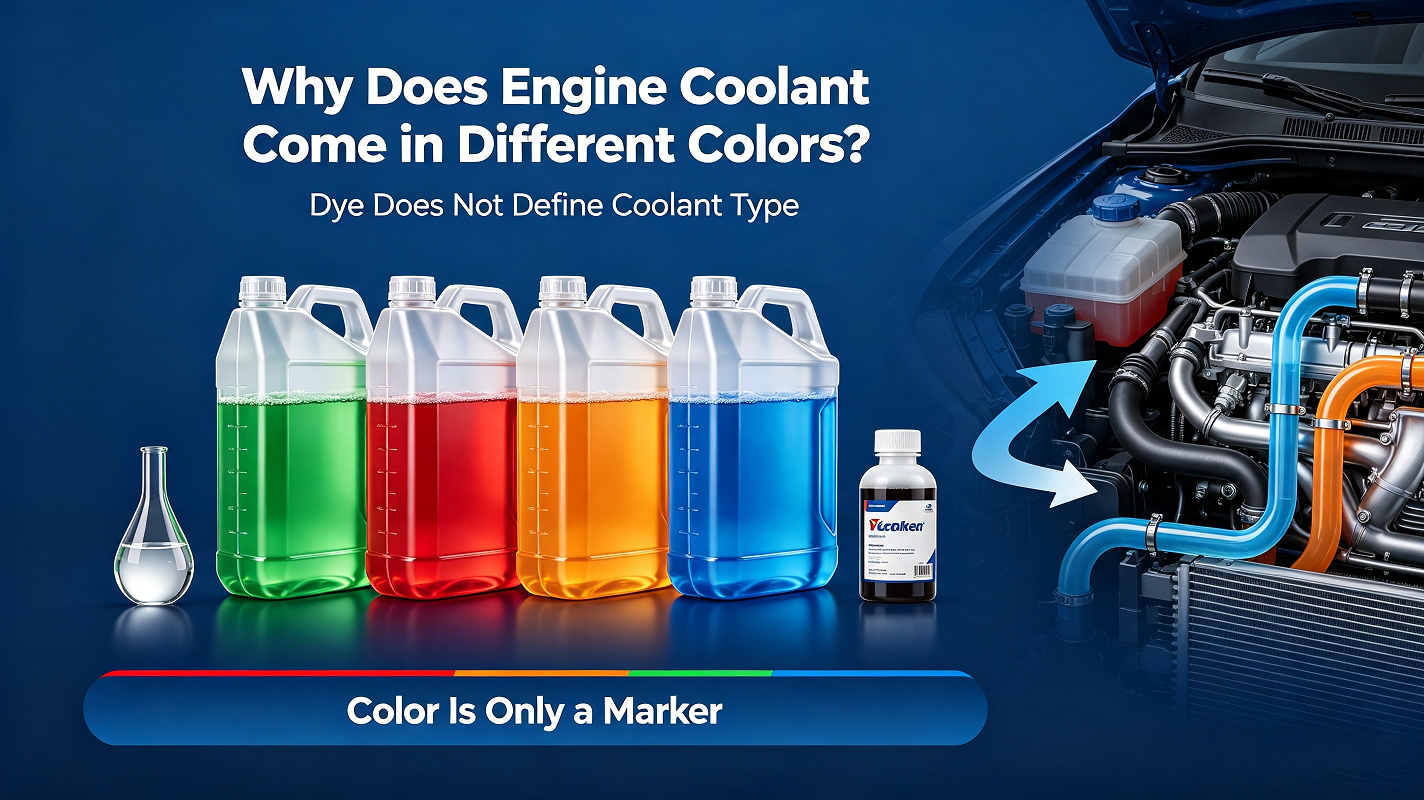
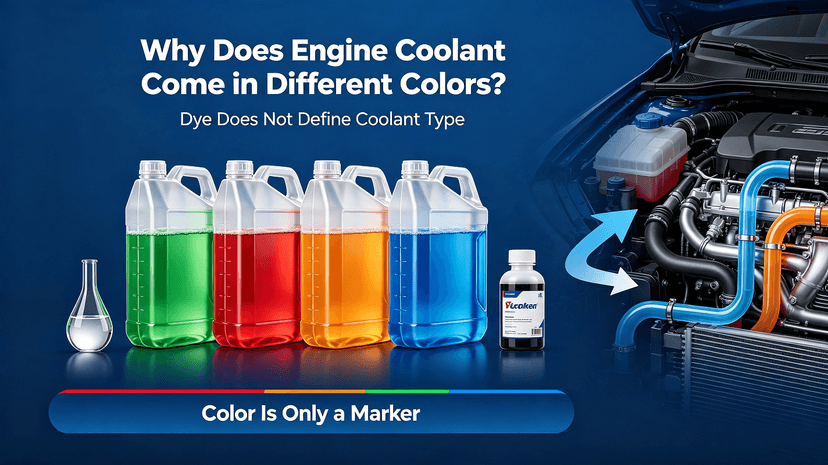
Many vehicle owners link coolant color to its performance or formula. Green for old‑style coolant, red for long‑life fluid — this common misconception causes plenty of maintenance mistakes. In fact, the colorful look of antifreeze comes from artificial dye, not its core chemical formula. This blog explains where coolant colors come from and their real functions.
coolant color
Coolant base fluid itself is naturally clear and colorless. Both ethylene‑glycol and propylene‑glycol raw liquids are transparent. Manufacturers add small amounts of colored dye during production. Dye does not change anti‑freeze, anti‑boil or anti‑corrosion properties of the coolant itself. The base functional additives decide real product quality, not pigment.
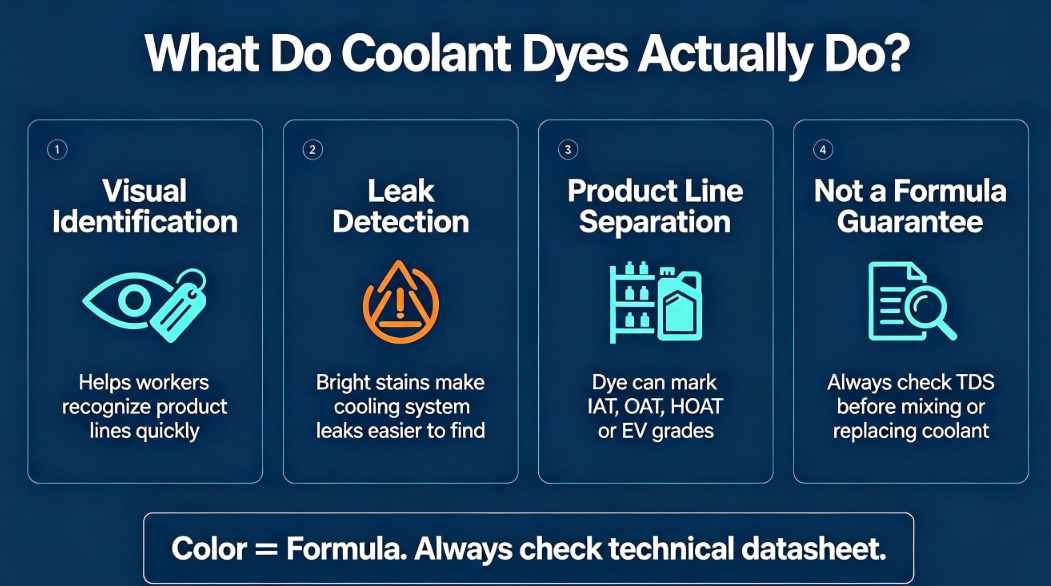
The primary function of coolant dye is visual identification. Colored fluid makes leaks easy to spot. When cooling‑system cracks or hose leaks happen, bright‑colored stains stand out on engine bays or ground, helping mechanics quickly locate fault points. Without dye, transparent leaked glycol can be easily overlooked and lead to gradual engine overheating.
Dye helps technicians distinguish product lines within one manufacturer. Factories use different colors to tell IAT, OAT and HOAT products apart on‑site during production, warehousing and filling. However, there is no unified global industry standard mapping color to formula. One brand’s red may be OAT, while another brand’s red could be IAT inorganic coolant.
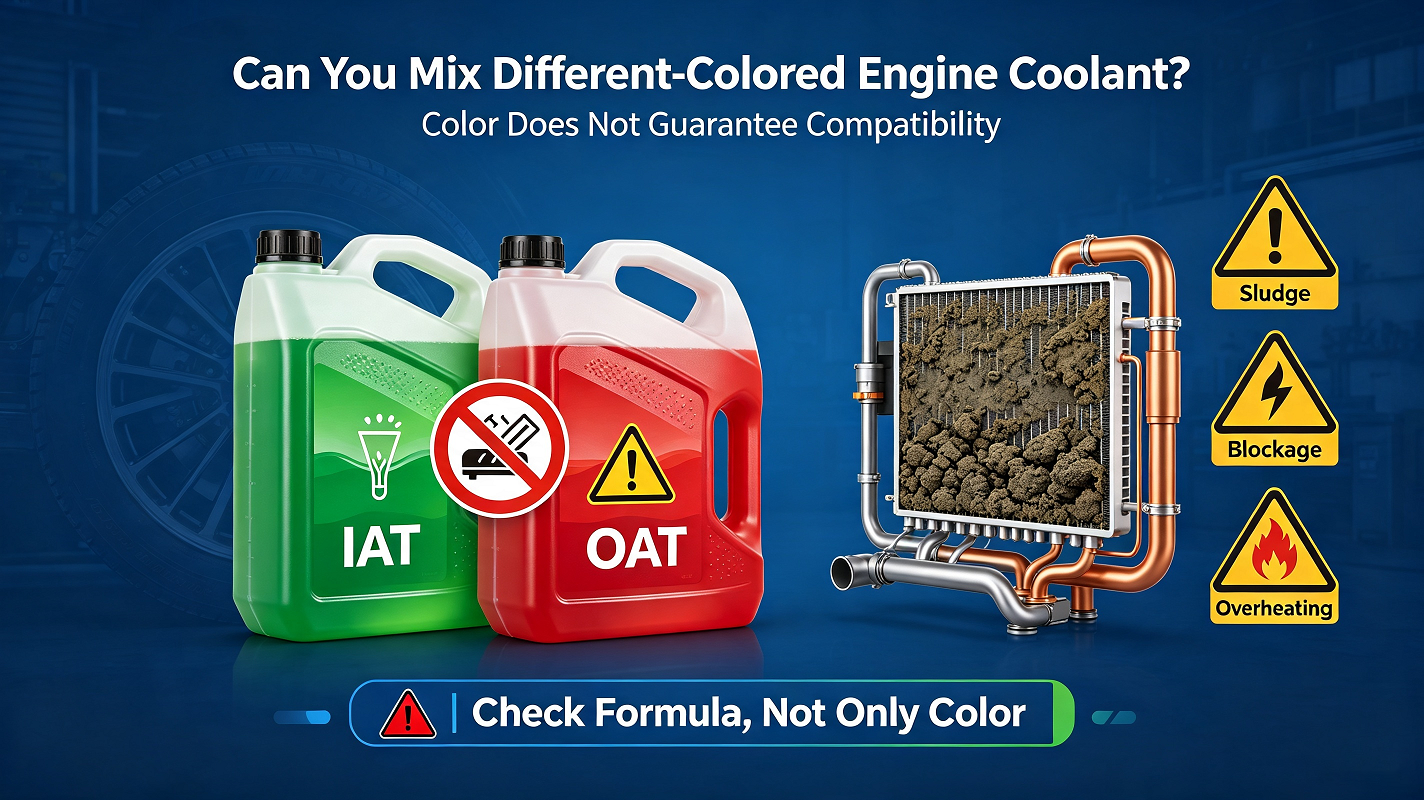
Different‑colored coolants are not guaranteed to be incompatible, but you still should not mix blindly. Color is just a marker. Two red coolants from separate suppliers may use totally different additive systems and cause sediment once mixed. Compatibility depends on chemical technology (IAT / OAT / HOAT), not bottle liquid appearance. Always refer to TDS datasheets instead of relying on visual cues.
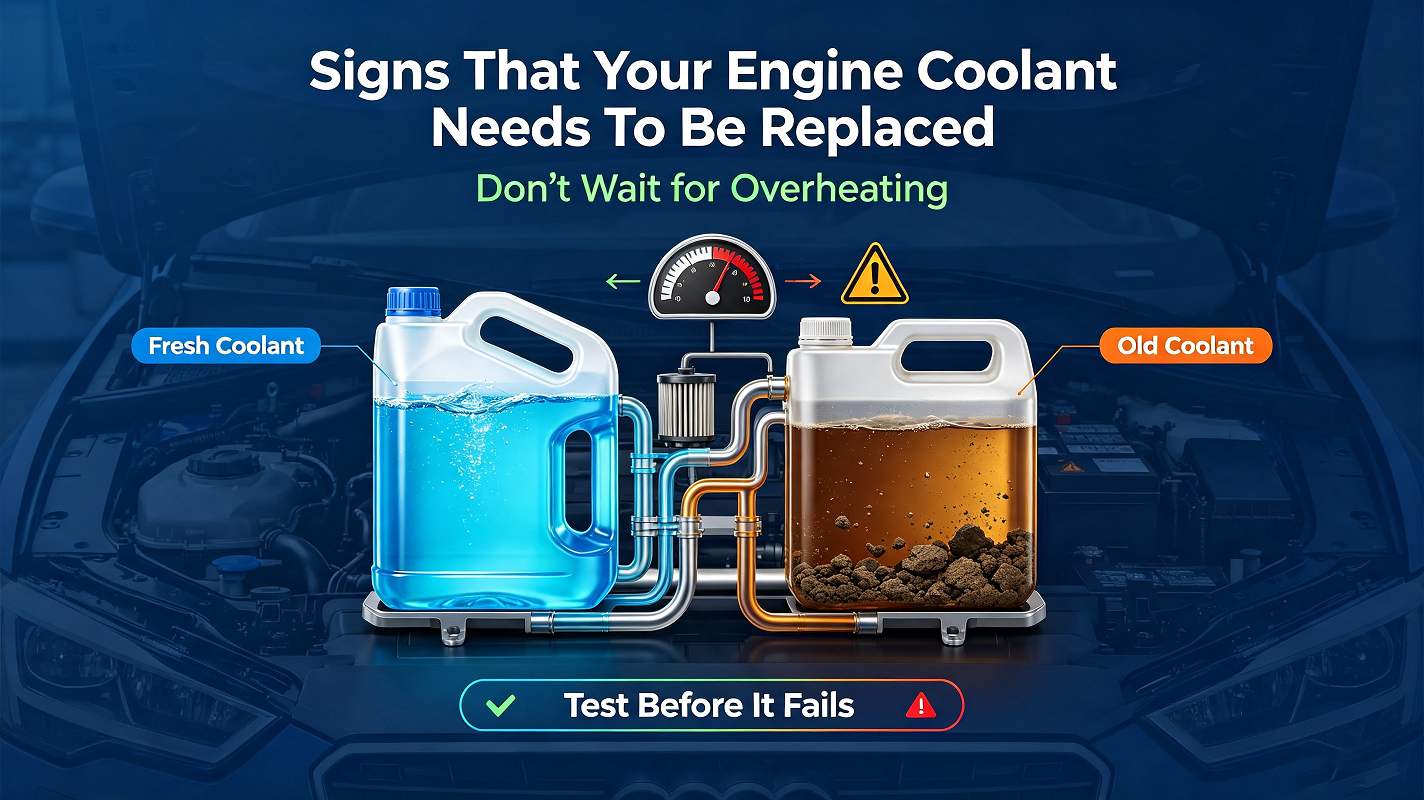
Dye fades over time as coolant ages. After long‑term service, heat and oxidation break down the pigment. Old coolant may turn pale, muddy or brown. Faded color serves as one simple warning sign: your antifreeze may be reaching its service end. Yet fading color alone is not enough to confirm replacement; test fluid status for full confirmation.
For B2B buyers and OEM partners, custom coolant color is available upon request. Some wholesalers want unique bottle colors for private‑label branding. GAFLE can adjust dye colours for OEM orders while keeping the core coolant formula unchanged. Contact us if you need custom‑colored antifreeze for your local market.
If you source antifreeze for resale or fleet maintenance, always confirm formula specifications from technical datasheets. Do not trust color as your main reference. GAFLE provides complete TDS and MSDS documents for all coolant products.
Welcome to contact GAFLE for more information & cooperation!
peter
ZHEJIANG GAFLE AUTO CHEMICL CO.,LTD
Tel:86-579-8222 1665
Fax:86-579-8246 4690
Cel/Wechart:86-13335993986
E-mail:peter@gafle.net
Web:www.gafle.net
Featured Blogs

Tag:

  • Engine Coolant
Share On
Featured Blogs
Signs That Your Engine Coolant Needs To Be Replaced

Signs That Your Engine Coolant Needs To Be Replaced

1. Discolored or murky coolant is one obvious warning signal. 2. Repeated engine overheating points to degraded coolant. 3. Visible coolant leaks or sweet odor from engine bay deserve your attention. 4. Coolant test results show failing protection performance. 5. You have passed the vehicle‑specified service interval.

Can You Mix Different‑Colored Engine Coolant?

Can You Mix Different‑Colored Engine Coolant?

1. Mixing coolants mainly risks chemical incompatibility instead of color conflict. 2. Even identical‑colored coolant from different brands may not be compatible. 3. Minor top‑up under emergency conditions brings limited short‑term risk. 4. Never mix ethylene‑glycol coolant with propylene‑glycol coolant. 5. Practical guidelines for garages and B2B coolant distributors. 6. What to do if you have already mixed incompatible coolant.

Why Does Engine Coolant Come in Different Colors?

Why Does Engine Coolant Come in Different Colors?

1. The primary function of coolant dye is visual identification. 2. Dye helps technicians distinguish product lines within one manufacturer. 3. Different‑colored coolants are not guaranteed to be incompatible, but you still should not mix blindly. 4. Dye fades over time as coolant ages. 5. For B2B buyers and OEM partners, custom coolant color is available upon request.

How to Choose the Right Engine Coolant?

How to Choose the Right Engine Coolant?

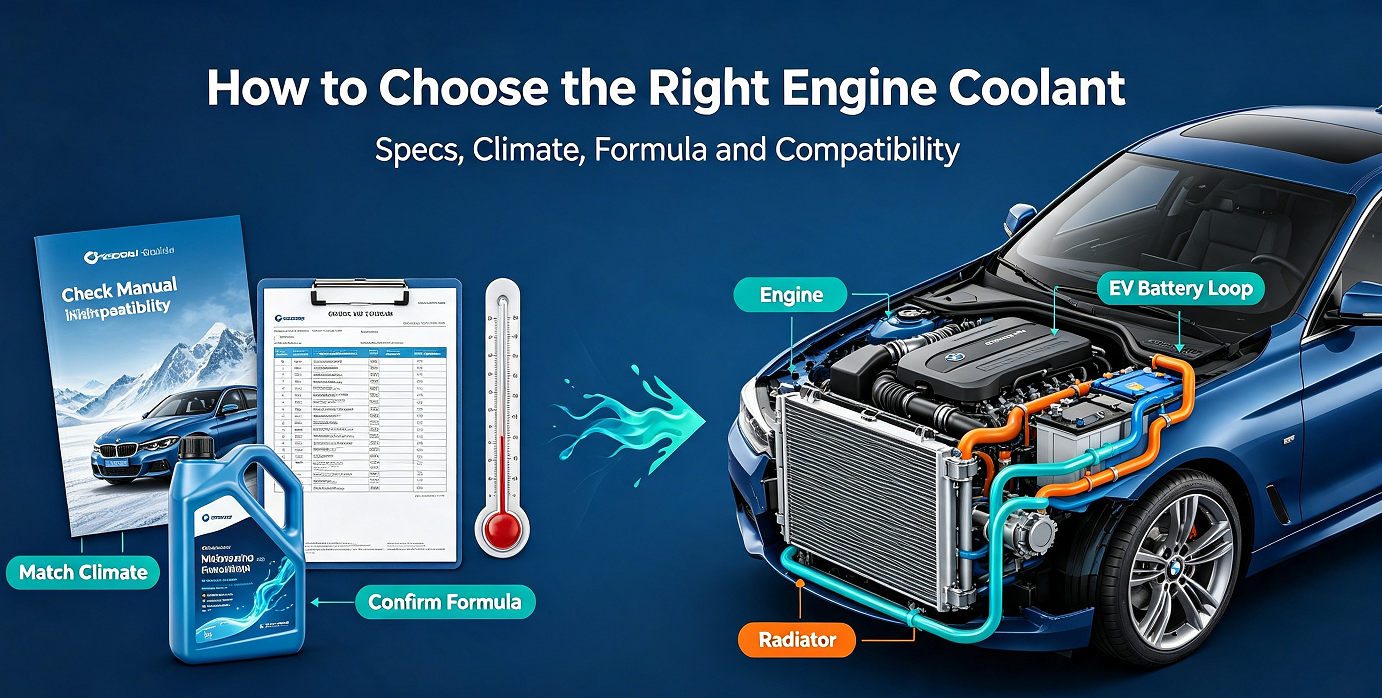
1. Check the vehicle manufacturer’s official manual first. 2. Match coolant formula to your operating conditions. 3. Select proper freezing point based on local climate. 4. Do not judge coolant performance by its color alone. 5. Confirm base solvent type for special‑use scenarios. 6. Think over supplier qualification when placing bulk or OEM orders.

What Are the Different Types of Engine Coolant?

What Are the Different Types of Engine Coolant?

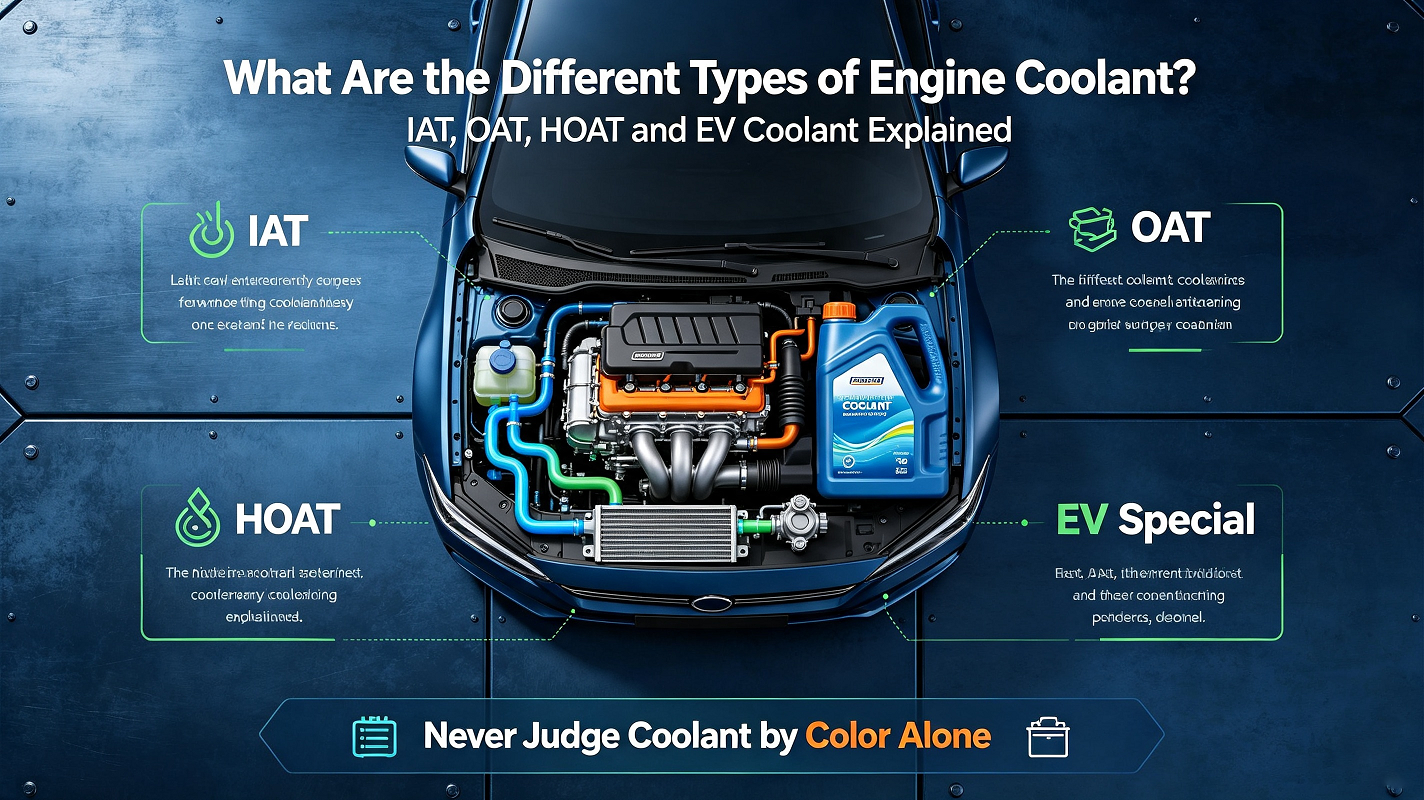
1. IAT (Inorganic Additive Technology) is the traditional inorganic‑based coolant 2. OAT (Organic Acid Technology) relies on organic‑acid corrosion protection without silicates 3. HOAT (Hybrid Organic Acid Technology) combines advantages of IAT and OAT formulas 4. Coolant can also be grouped by its base solvent: ethylene glycol versus propylene glycol

China Antifreeze Manufacturer: Complete Guide for Global Coolant Buyers

China Antifreeze Manufacturer: Complete Guide for Global Coolant Buyers

China Antifreeze Manufacturer provides professional coolant solutions for global distributors, importers, wholesalers, and private label brands. This guide explains how to choose a reliable antifreeze factory in China, including product capabilities, OEM services, quality control, packaging options, production processes, and key factors for long-term cooperation.