Low-priced brake fluid may save a small amount of money at purchase time, but it can destroy your whole brake system and bring huge safety risks.
Auto parts buyers, repair shop owners and fleet operators constantly balance operating costs with vehicle safety. When shopping for consumables such as brake fluid, the price tag often becomes a major deciding factor. Some buyers opt for ultra-low-cost brake fluid to cut inventory and service expenses. Brake fluid is a safety-critical hydraulic medium. Cutting corners on its formulation and manufacturing creates cascading damage to the brake hydraulic system, which can lead to catastrophic brake failure.
Substandard cheap brake fluid reduces production costs by using inferior raw base materials and removing expensive high-performance additive packages. Many budget products skip strict batch testing procedures. Some low-cost brake fluids print DOT standard labels on packaging, but their actual performance indicators do not meet the published specifications. The hidden defects will not appear immediately after filling the system. Problems usually emerge after weeks or months of vehicle operation.
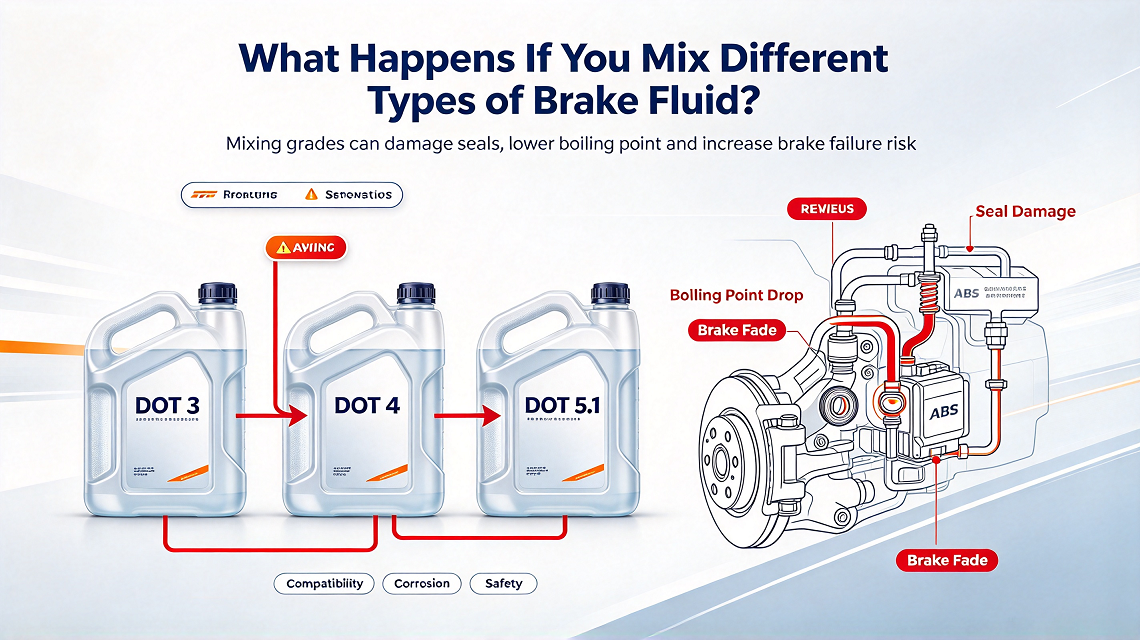
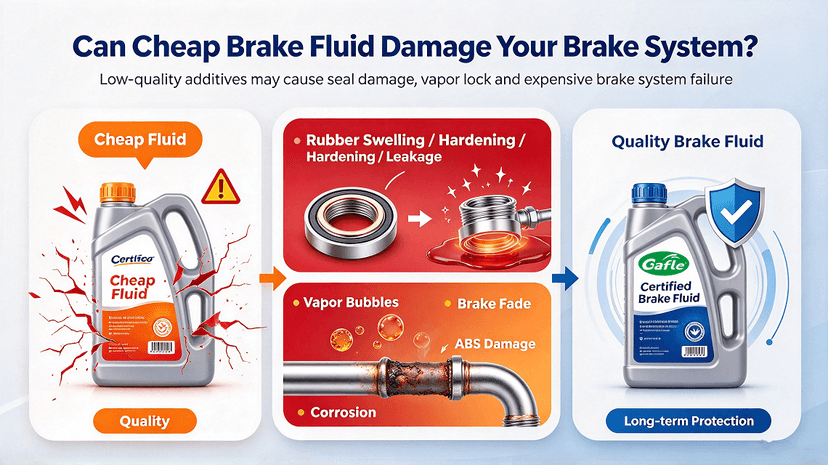
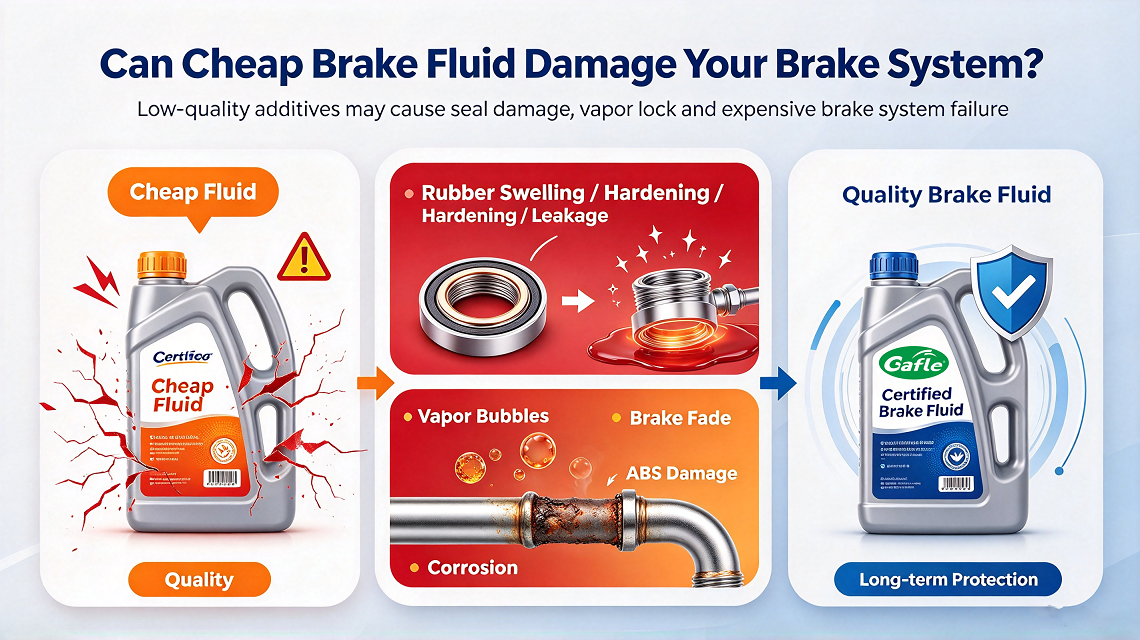
Poor additives in cheap brake fluid lead to rubber seal swelling, hardening and leakage.
High-quality certified brake fluid uses carefully balanced additive systems designed to maintain rubber components in a stable condition over years of service. Gaskets, caliper seals, brake hoses and O-rings are engineered to resist swelling, shrinkage and cracking when exposed to qualified brake fluid.
Cheap brake fluid lacks this balanced additive formula. In some cases, the fluid causes rubber parts to absorb liquid and swell. Swollen seals jam caliper pistons, resulting in dragging brakes, overheating and accelerated brake pad wear. In other low-quality formulations, the fluid strips protective compounds out of rubber. The rubber dries, hardens and develops fine cracks. These cracks slowly leak brake fluid. As fluid leaks out, hydraulic pressure drops, and braking power fades. In severe cases, every rubber component across the full brake circuit becomes damaged, requiring a complete overhaul of calipers, hoses and seals. The repair bill is many times higher than any savings gained from buying cheap brake fluid.
Cheap brake fluid fails under high temperature and easily vaporizes during heavy braking.
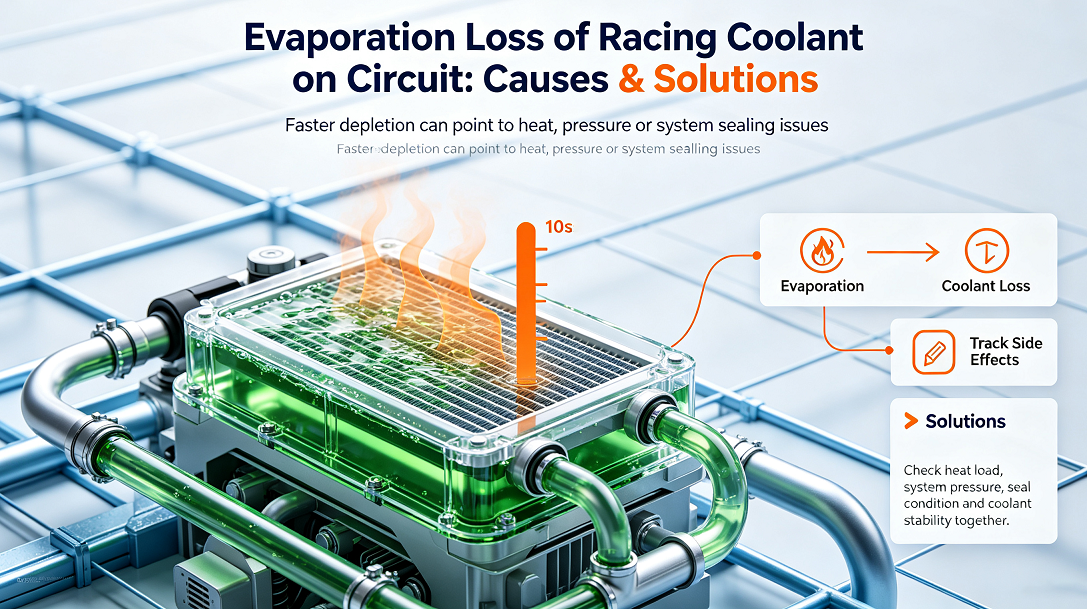
The most important performance metric for brake fluid is boiling point. Both dry boiling point and wet boiling point determine how well the fluid performs under thermal stress. Low-quality brake fluid often fails to maintain the required boiling point values. Under normal city driving, the system may seem to work fine. But when brakes heat up during mountain descents, towing heavy loads or aggressive driving, the fluid temperature rises rapidly.
When the boiling point threshold is reached, vapor bubbles form inside the brake lines. Gas bubbles compress when force is applied to the brake pedal. The pedal becomes soft and spongy, stopping distance increases sharply, and braking power can suddenly disappear. This hazard puts drivers, passengers and other road users in grave danger.
Low-quality brake fluid lacks anti-corrosion protection for metal brake lines and ABS parts.
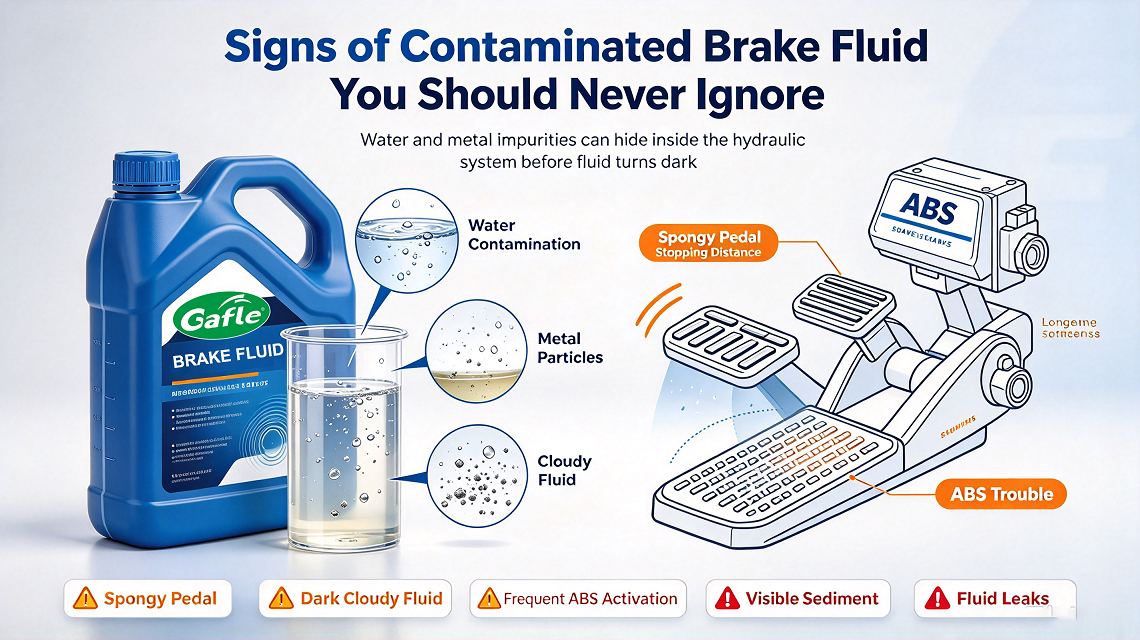
Premium brake fluid contains anti-corrosion inhibitors that protect steel brake lines, master cylinder surfaces and precision ABS hydraulic blocks. Cheap brake fluid omits these protective additives. Once filled into the brake system, it accelerates rust and electrochemical corrosion on all metal surfaces inside the hydraulic circuit.
Rust flakes and metal corrosion debris circulate through the brake fluid. The abrasive particles scratch internal piston surfaces and clog the tiny passages and control valves inside ABS units. Repairing or replacing an ABS hydraulic block is one of the most expensive brake system repairs. For repair shops and parts resellers, failures caused by low-cost brake fluid can lead to customer disputes, warranty claims and permanent damage to business credibility.
How to choose reliable brake fluid for your business or vehicle?
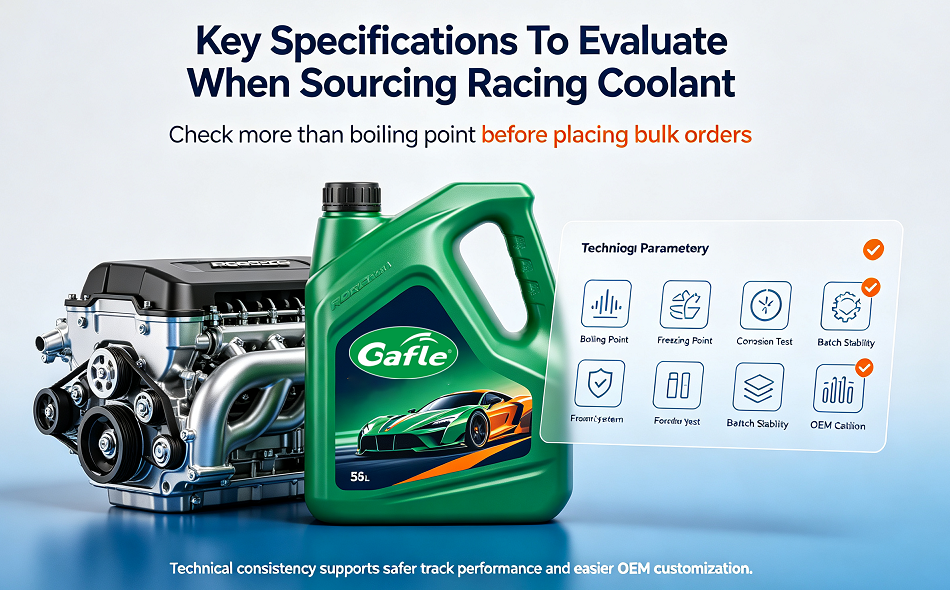
When sourcing brake fluid, avoid judging quality by price or packaging alone. Always verify product certifications, technical data sheets and MSDS documents. Review the official dry and wet boiling point test data instead of trusting printed claims on product labels. Partner with established manufacturers that maintain consistent production standards and batch quality control.
Gafle is a professional brake fluid manufacturer, with stable quality for global B2B buyers.
Zhejiang Gafle Environmental Technology is a professional automotive brake fluid manufacturer and participant in national brake fluid standard formulation. All Gafle brake fluid products are ISO certified and undergo strict laboratory testing for boiling point, rubber compatibility and anti-corrosion performance.
We serve auto parts importers, wholesalers and repair businesses worldwide. Gafle can provide OEM packaging services, complete technical documents and batch test reports for every shipment. Our stable product quality reduces after-sales complaints and safety liability risks for our B2B partners.
Final Takeaway
Brake system safety cannot be compromised for low price. Cheap substandard brake fluid creates expensive repair bills and serious driving hazards. Choose certified brake fluid from trusted manufacturers like Gafle for your vehicle maintenance and parts supply business.
Welcome to contact GAFLE for more information & cooperation!
peter
ZHEJIANG GAFLE AUTO CHEMICL CO.,LTD
Tel:86-579-8222 1665
Fax:86-579-8246 4690
Cel/Wechart:86-13335993986
E-mail:peter@gafle.net
Web:www.gafle.net
peter
ZHEJIANG GAFLE AUTO CHEMICL CO.,LTD
Tel:86-579-8222 1665
Fax:86-579-8246 4690
Cel/Wechart:86-13335993986
E-mail:peter@gafle.net
Web:www.gafle.net