What Is Clutch Fluid, and Can Brake Fluid Be Used Instead?
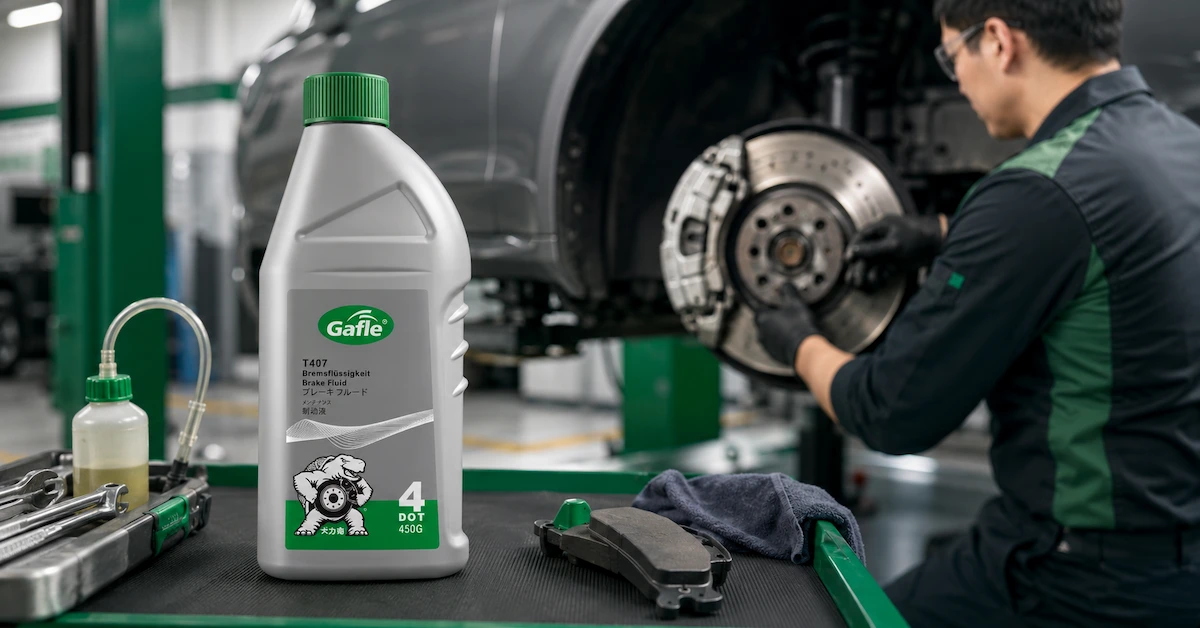
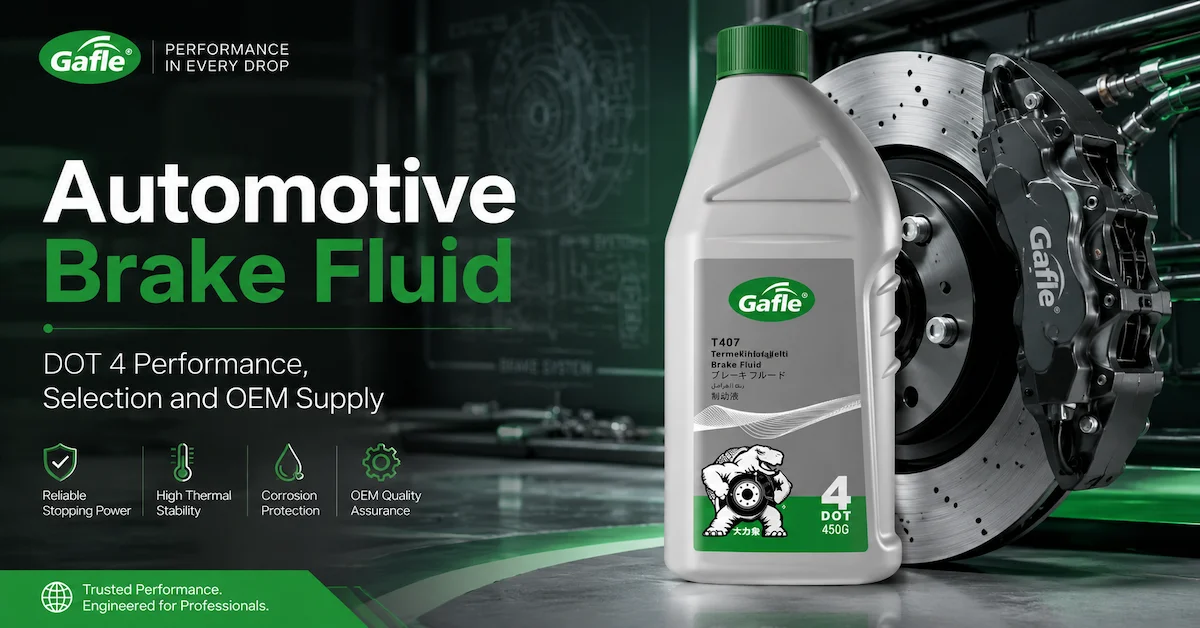
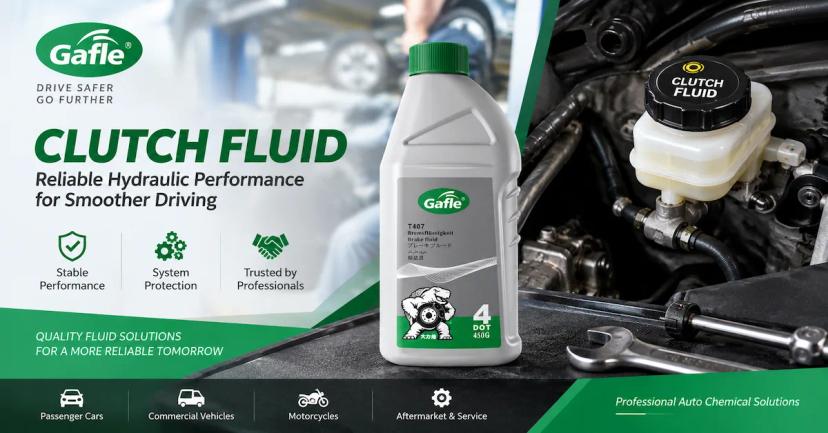
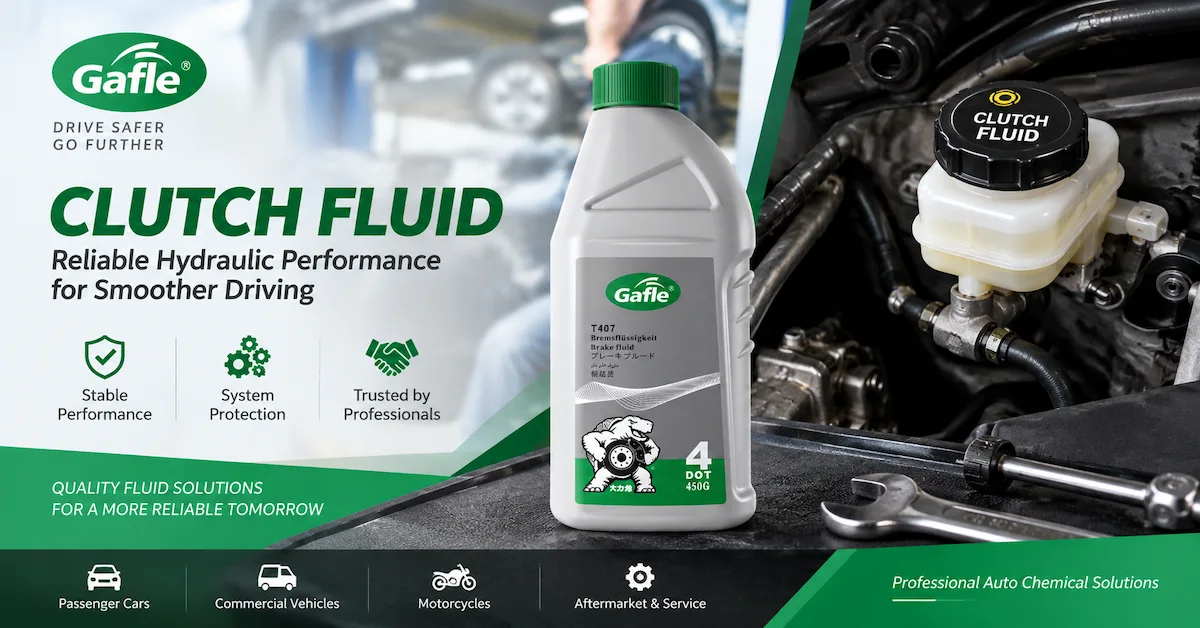
Clutch fluid is the liquid used to transmit pressure through a hydraulic clutch actuation system. Many such systems use a specified brake fluid, but that does not make every brake fluid suitable for every clutch. The correct product must match the vehicle or component manufacturer’s requirements, including the fluid type and any additional specification. GAFLE’s DOT407 brake fluid, for example, is described as a DOT 4 product for hydraulic braking and clutch systems. That makes it a relevant product to evaluate for a DOT 4 application—not a universal replacement for every fluid sold under the name “clutch fluid.”
Why B2B Buyers Should Start with Application Compatibility
For an automotive importer, parts distributor, or workshop purchasing manager, the first task is to define which applications the product will serve. A broad catalogue description such as “for manual vehicles” leaves too many questions unanswered. Identify the vehicle model, relevant transmission or clutch-system variant, required fluid specification, and source of the application information. For aftermarket hydraulic components, also review the component supplier’s instructions rather than assuming the original application information covers a modified system. Build the proposed product range around verified requirements, with unsupported applications kept off the approved list. This creates a clearer basis for purchasing, workshop recommendations, and private-label claims than selecting one product and then trying to describe it as suitable for every customer.
Separate Hydraulic Actuation from Transmission Lubrication
This guide concerns hydraulic clutch actuation, not the lubricant inside a transmission or a wet-clutch assembly. Treat inquiries for dual-clutch transmission fluid, gearbox oil, and hydraulic clutch service fluid as separate requests until the exact specification is known. Likewise, do not assign a hydraulic-fluid product to a cable-operated clutch simply because the vehicle has a manual transmission. Where the system documentation specifies a mineral hydraulic fluid or another special fluid, source that requirement rather than substituting a DOT product. The same specification-first distinction applies in GAFLE’s hydraulic-fluid sourcing guidance: a shared word such as “hydraulic” does not establish interchangeability.
Build Different Purchasing Plans for Different Customers
For a distributor, a useful starting point is an application register connecting each verified vehicle or system requirement to the proposed product code and package. A workshop chain can use the same register to standardize approved stock while retaining clearly identified exceptions. A supplier of clutch master cylinders, slave cylinders, or repair kits should confirm the required service fluid before offering a bundled package; compatibility needs to be checked, not inferred from the fact that the products are sold together. A private-label brand should go one step further by connecting every published application claim to a technical review. These are recommended purchasing controls, not a claim that one product must be created for every vehicle. Several applications may share a product once their requirements have been checked.
DOT 3, DOT 4, and DOT 5.1: Compare the Requirements Correctly
Where the clutch system specifies a DOT-classified brake fluid, the grade provides an important performance baseline. The figures below are FMVSS No. 116 reference limits, also discussed in GAFLE’s automotive brake-fluid comparison. They are not measured values for a particular GAFLE formulation, maximum system operating temperatures, or recommended replacement intervals. Product selection still requires the applicable vehicle specification and supporting data for the exact item being ordered.
| Fluid class | Minimum dry boiling point | Minimum wet boiling point | Maximum kinematic viscosity at −40°C |
|---|---|---|---|
| DOT 3 | 205°C | 140°C | 1,500 mm²/s |
| DOT 4 | 230°C | 155°C | 1,800 mm²/s |
| DOT 5.1, non-silicone | 260°C | 180°C | 900 mm²/s |
A higher DOT number is not automatic authorization for substitution. The table also shows why boiling performance and low-temperature viscosity must be reviewed separately: DOT 4 has higher minimum boiling requirements than DOT 3, but its permitted viscosity maximum at −40°C is also higher. Individual formulations can perform differently within those limits. Keep DOT 5.1 separate from silicone-based DOT 5 in specifications, labels, and sales materials; they are not interchangeable names for the same fluid. GAFLE’s fluid-grade sourcing guide explains that distinction.
Which Technical Properties Matter in a Clutch Circuit?
Material Compatibility Comes Before Performance Claims
The fluid must be appropriate for the seals, hoses, cylinders, and other materials in the specified system. A high boiling-point result does not, by itself, establish that compatibility. Request the relevant material and corrosion test evidence for the proposed formulation, and distinguish general laboratory results from application-specific approval. GAFLE’s quality-control overview identifies corrosion resistance and material compatibility among its testing areas. For purchasing, the next step is to establish which evidence applies to the quoted product. Avoid turning a general statement about compatibility with common system materials into a claim covering every clutch component.
Review Moisture Behavior and Boiling Data Together
Common glycol-based brake fluids can absorb moisture, which affects their boiling performance. A fluid used in an approved clutch application still needs appropriate storage and handling; changing the application name on the label does not remove this characteristic. Compare both dry and wet boiling data, identifying the test method, sample, units, and whether each figure is a specification limit or a typical result. Wet testing uses defined conditioning—it should not be presented as a prediction of performance after a fixed number of months in every vehicle. GAFLE’s explanation of moisture absorption and fluid performance provides additional background.
Connect Viscosity and Stability to the Actual Requirement
For cold-climate distribution or applications with additional viscosity requirements, request results at the specified test temperature rather than accepting “excellent fluidity” as a complete answer. Review stability and compatibility alongside viscosity, not as optional extras. GAFLE’s formulation-consistency discussion describes fluid performance as a combination of controlled formulation characteristics. For a clutch fluid project, translate that into an agreed specification with defined acceptance limits. Do not infer seal life, pedal effort, or a maintenance interval from a viscosity value alone.
Which GAFLE Products Can Be Evaluated for a Clutch Program?
The GAFLE brake-fluid range includes DOT 3, DOT 4, DOT 5.1, and OEM categories. DOT407 provides a specific product reference with a published hydraulic-clutch application description. The comparison below separates that identifiable model from broader catalogue categories; it is not a ranking based on independently verified test results. Current technical data and application suitability should be confirmed before approving any item.
| Product reference or category | Published information | Suitable next step for a buyer |
|---|---|---|
| GAFLE DOT407 | Identifiable DOT 4 product described for hydraulic braking and clutch systems | Evaluate against the target system’s DOT 4 and additional requirements; request current product data |
| GAFLE DOT 3 category | DOT 3 range within the brake-fluid portfolio | Ask for the exact model and documentation for a clutch application specifying or permitting DOT 3 |
| GAFLE DOT 5.1 category | DOT 5.1 range within the brake-fluid portfolio | Confirm the required non-silicone specification and obtain model-specific evidence |
An OEM category is a cooperation route, not another fluid grade. A request for a “clutch fluid” label should therefore begin with selection of an appropriate formulation, rather than an assumption that a new label creates a new technical product.
Approve the Technical Product Before Approving the Sample Bottle
Create one approval record connecting the supplier’s product code, the buyer’s item number, specification revision, technical documents, and packaging version. Request a technical data sheet for the product characteristics, a safety data sheet for handling information, and relevant test reports identifying the product evaluated. Agree separately on any certificate of analysis or other batch documents required with deliveries. Record unresolved items instead of treating sample receipt as technical acceptance. For a clutch-component bundle, include the application review in the same file. This keeps a visually approved bottle from becoming the accidental basis for broader claims about fluid chemistry, vehicle coverage, or compatibility.
What Manufacturing Controls Protect Repeat Orders?
GAFLE’s published manufacturing quality controls describe incoming-material verification, formulation preparation, controlled mixing, filling checks, packaging inspection, and batch identification. During supplier qualification, ask how those controls apply to the selected formulation. Useful questions concern approved raw materials, recipe revisions, contamination prevention, closure inspection, and the records linking finished containers to a production batch. Agree which formulation or packaging changes require notification and which require renewed approval. The purchasing objective is not simply to receive one acceptable sample, but to define how subsequent orders remain connected to that approved product.
Separate Product Testing, Batch Release, and Company Certificates
Request a written distinction between formulation-qualification tests and routine batch-release checks. A report covering a broad test programme should not be assumed to describe tests repeated on every shipment. Similarly, review management-system certificates separately from product evidence: check the company, facility, scope, and current validity, then identify the reports supporting the quoted fluid. GAFLE’s company information provides a starting point for that review, but current project documents should govern approval. Neither a certificate logo nor an attractive report cover should replace examination of the actual scope and results.
Choose Packaging Around Workshop Use and Distribution
For glycol-based clutch fluid, package selection should account for storage, opening frequency, dispensing arrangements, and stock turnover—not only the lowest cost per litre. Consider whether customers can use the selected size within the manufacturer’s handling recommendations, and specify the bottle, closure, seal, batch-code position, label, and carton as part of the approved configuration. GAFLE’s storage and transportation guide distinguishes unopened storage from handling after opening and advises following product-specific instructions. Do not publish one universal shelf life for every formulation or assume that a tightly reclosed, previously opened container has the same status as an unopened package. Include leakage and identification checks in incoming inspection.
Private Label and OEM: Keep the Claim Within the Evidence
GAFLE’s private-label packaging guide describes bottle, label, cap, and carton customization, with capacity examples including 250 mL, 500 mL, 800 mL, and 1 L. Availability should be confirmed for the selected product and order. Its published cooperation sequence covers consultation, product selection, packaging design, sample approval, mass production, and inspection and delivery. Within that process, agree who approves technical wording, translations, application statements, and artwork revisions. “Brake and clutch fluid” may be an appropriate description for a supported product, but “for all clutches” is a different claim. Where formulation development is requested, define the development and validation work separately from routine branding changes.
Compare Cost, MOQ, and Lead Time on an Equal Basis
Send suppliers the same specification, packaging configuration, document requirements, quantity, and delivery basis. Compare price per litre and price per saleable unit, separating any sample, tooling, printing, testing, and freight charges. Ask for the MOQ by formulation and packaging design rather than assuming one minimum covers every variant. For timing, distinguish sample preparation, artwork approval, packaging availability, production, inspection, and dispatch. Request confirmation of production availability for the proposed order; an annual forecast is not a reserved manufacturing slot. This comparison gives a distributor a clearer view of cash tied up in each product, while helping a private-label brand identify which approvals must be completed before a launch schedule can be confirmed.
Reduce Workshop Complaints Without Promising a Fluid Fix
Set a clear boundary between supplying the correct fluid and diagnosing a vehicle fault. Do not market a fluid change as a guaranteed remedy for clutch slip, difficult gear selection, or an inconsistent pedal. For a complaint, record the vehicle and system variant, installed components, specified fluid, product and batch code, service history, and observed symptoms before drawing a conclusion. Route the technical assessment through qualified service personnel using the relevant instructions. Workshop networks can also review GAFLE’s training support when planning product education, while confirming the actual training scope separately. Application guidance should help technicians select and handle the product correctly, not encourage them to replace diagnosis with a bottle recommendation.
What Should a Clutch Fluid Inquiry Include?
A useful inquiry identifies the destination market, customer channel, target vehicles or clutch components, required fluid specification, and any additional performance requirement. Add the preferred package, label languages, branding, initial quantity, anticipated repeat volume, required documents, and target delivery period. When replacing an existing product, provide its approved technical requirements rather than only a packaging photograph. For a repair-kit programme, include the relevant component specifications and proposed application list. Ask the supplier to respond with the exact product code, supporting documents, packaging proposal, commercial terms, and unresolved technical questions. This creates a reviewable offer rather than a price attached to an ambiguous product name.
Frequently Asked Questions About Clutch Fluid
Is Clutch Fluid Always the Same as Brake Fluid?
No universal equivalence should be assumed. A brake fluid can serve a hydraulic clutch application when it meets the system’s specified requirements. GAFLE’s DOT407 description identifies one product intended for both hydraulic braking and clutch systems, subject to application verification.
Can One Product Serve Both Brake and Clutch Customers?
Potentially, where the product meets both sets of requirements. Before consolidating stock, review the intended applications and retain clear exceptions. A shared product can simplify purchasing only when the application information supports that decision.
Should DOT 4 Automatically Replace DOT 3 in a Clutch System?
No. Check the vehicle or component manufacturer’s requirements rather than treating the higher number as approval. GAFLE’s DOT 3 sourcing guide explains why grade selection should remain tied to the application.
Is DOT 5.1 Another Name for DOT 5?
No. DOT 5.1 identifies a non-silicone fluid, while DOT 5 is silicone-based. Keep the distinction clear in purchasing documents and artwork, as explained in GAFLE’s brake-fluid grade comparison.
What Evidence Should Support an Application Claim?
Keep the relevant vehicle or component requirement together with the selected product’s technical specification and supporting test information. A statement such as “recommended for hydraulic clutches” should not be expanded into an unverified vehicle list.
What Should Be Approved Before Ordering Printed Labels?
Approve the product identity, specification, technical claims, application wording, warnings and handling information, language, package configuration, and artwork revision. Confirm responsibility for market-specific review before releasing the file to print.
What Should Be Agreed for Repeat Deliveries?
Define routine release checks, document requirements, batch identification, packaging inspection, and changes requiring notification or reapproval. Record how complaints will be investigated and how affected stock will be identified.
Which Package Size Is Best for Workshop Customers?
Select it around actual service demand, dispensing practices, and the product’s storage instructions. Compare expected usage and handling before choosing a larger pack solely for its lower quoted price per litre.
Can GAFLE Discuss a Private-Label Brake-and-Clutch Product?
GAFLE offers private-label manufacturing and packaging services. Begin with a formulation appropriate for the intended clutch applications, then confirm branding, packaging, documentation, quantities, and approval milestones through its OEM packaging programme.
How Often Should Clutch Fluid Be Replaced?
Use the applicable vehicle or component manufacturer’s maintenance instructions. Do not assign a universal replacement interval from the DOT grade or a supplier’s boiling-point result. For a fleet programme, record maintenance requirements by application rather than printing one interval across the entire range.
Conclusion
A sound clutch fluid purchasing decision begins with the actuation system and its specified fluid—not with a generic label, a higher DOT number, or the lowest quotation. Distributors, workshop chains, component suppliers, and private-label brands should connect application requirements to an identifiable product, review the supporting evidence, approve packaging and claims, and establish repeat-order controls. GAFLE’s brake-fluid portfolio and OEM services provide starting points for evaluating supported brake-and-clutch applications. To discuss a project, contact GAFLE with your target vehicles or components, required specification, packaging, branding, quantities, and documentation needs so the proposed product and supply conditions can be confirmed before production.