 Why Does Brake Fluid Change Color Over Time?
Brake fluid plays a vital role in every vehicle's braking system by transferring hydraulic pressure from the brake pedal to the brakes. Fresh brake fluid is typically clear to light amber in color, but many vehicle owners notice that it gradually becomes darker over time. This often raises an important question: Does darker brake fluid mean it needs to be replaced?
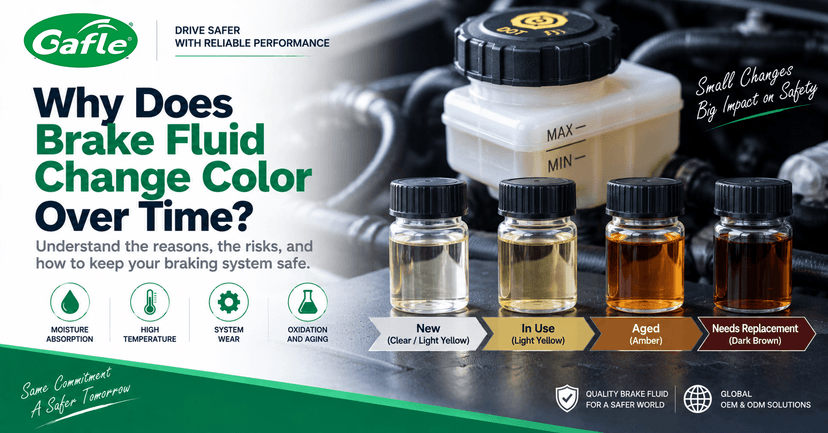
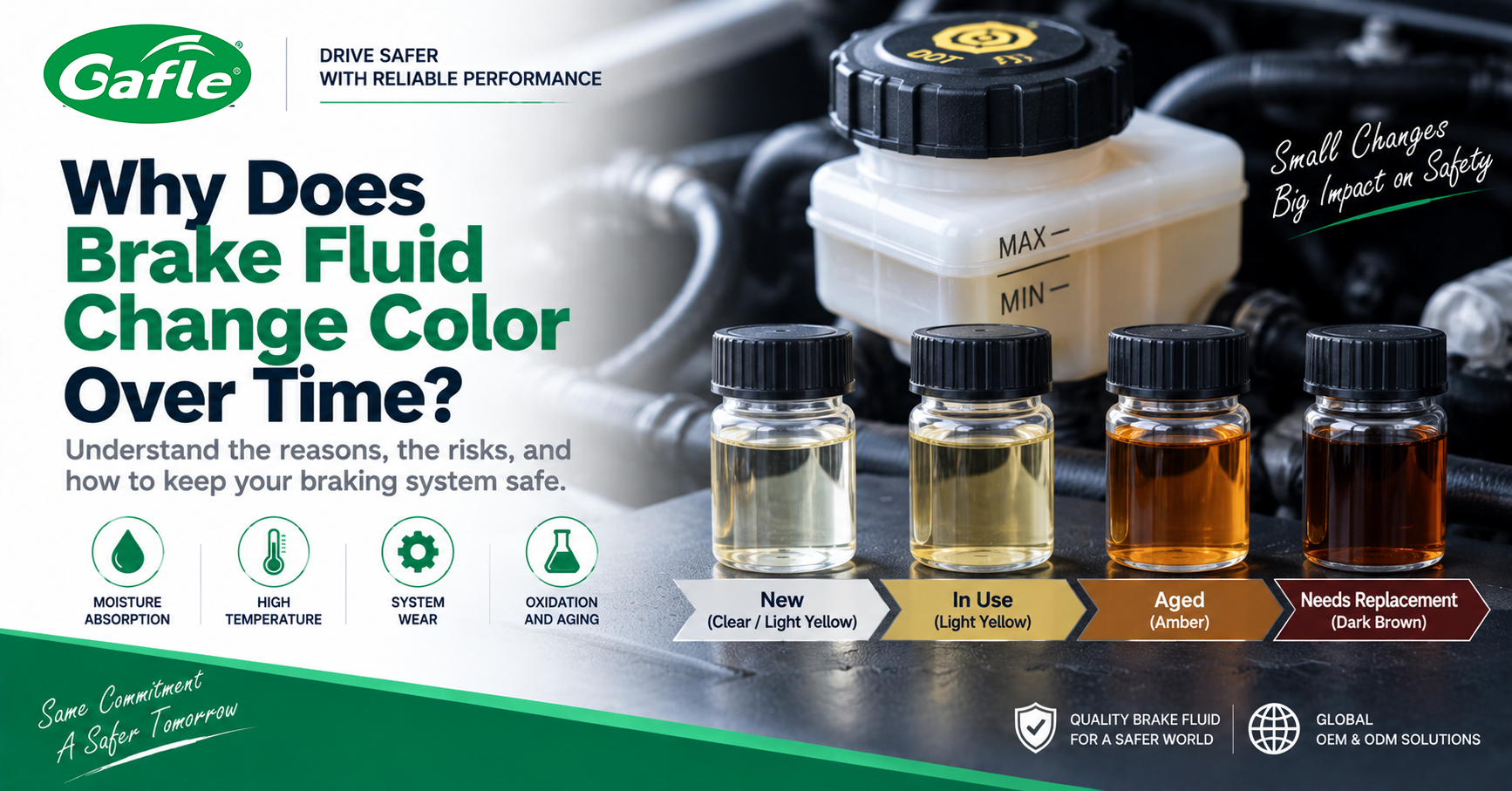
The answer is that Brake Fluid Color can provide useful information about the condition of the fluid, but color alone is not enough to determine its performance. Changes in color are usually caused by moisture absorption, heat, oxidation, and normal wear within the braking system. Professional testing is always the most reliable way to evaluate brake fluid quality.
As a professional Brake Fluid Manufacturer with more than 20 years of manufacturing experience, Gafle combines advanced laboratory testing, strict quality control, and continuous research to produce high-quality brake fluid for OEM customers, distributors, and automotive brands worldwide.
What Color Should Fresh Brake Fluid Be?
Fresh brake fluid is normally:
- Clear
- Light yellow
- Light amber
- Transparent
The exact color may vary slightly depending on the formulation and manufacturer, but high-quality brake fluid should always appear clean and free from visible contamination.
At Gafle, every production batch undergoes appearance inspection to ensure consistent color and clarity before leaving the factory.
Why Does Brake Fluid Change Color Over Time?
Many people ask, "Why Does Brake Fluid Change Color?"
Color changes are a normal part of brake fluid aging and are usually caused by several factors working together.
Moisture Absorption
Brake fluid is hygroscopic, meaning it naturally absorbs moisture from the air.
As moisture content increases, the chemical properties of the brake fluid gradually change, which may contribute to color darkening over time.
Moisture absorption can also reduce the fluid's wet boiling point, making regular maintenance important.
Heat and Oxidation
Every time the brakes are applied, friction generates heat.
Repeated exposure to high temperatures gradually accelerates oxidation inside the brake fluid.
Over time, oxidation may darken the fluid while also contributing to chemical aging.
Metal Wear Particles
Although modern braking systems are designed for durability, microscopic metal particles can naturally accumulate during long-term operation.
These tiny particles may enter the brake fluid and gradually affect its appearance.
Rubber Seal Aging
Brake systems contain numerous rubber seals and hoses.
As these components age, microscopic rubber particles may enter the brake fluid, causing gradual color changes without necessarily indicating immediate failure.
Contamination
If the braking system is opened during maintenance or brake fluid is stored improperly, dust, dirt, or other contaminants may enter the system.
Contamination can accelerate brake fluid deterioration and affect both color and performance.
Does Dark Brake Fluid Mean It Needs Replacement?
A darker color does not always mean brake fluid has reached the end of its service life.
However, significant color changes should never be ignored.
Instead of relying only on appearance, professional technicians evaluate several factors, including:
- Moisture content
- Dry boiling point
- Wet boiling point
- Contamination level
- Service interval
- Vehicle manufacturer's maintenance recommendations
Professional testing provides a far more accurate assessment of Brake Fluid Quality than color alone.
How Brake Fluid Quality Is Tested
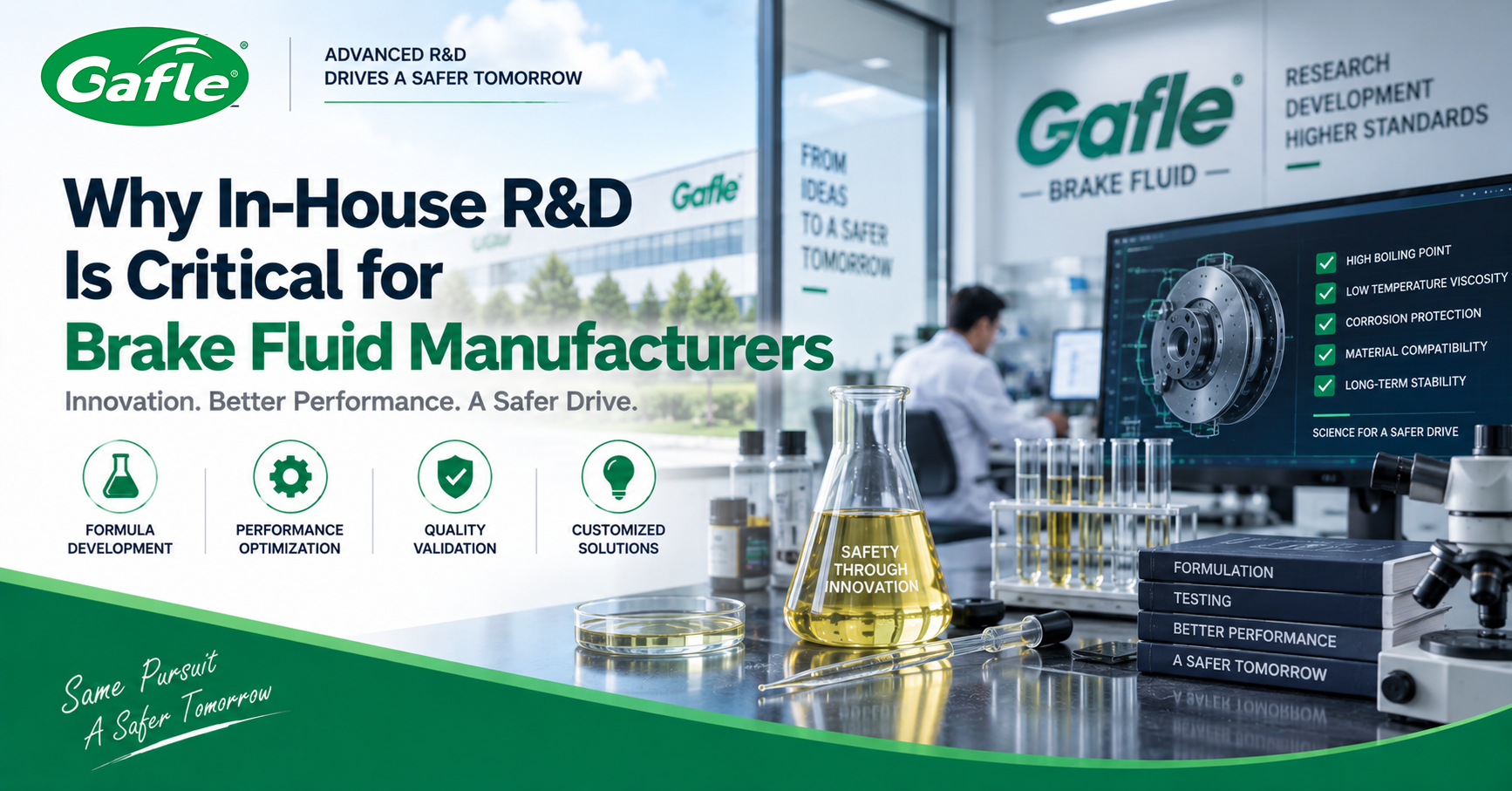
Professional Brake Fluid Testing helps determine whether brake fluid continues to meet performance requirements.
At Gafle, our laboratory performs comprehensive testing on every production batch.
Testing includes:
Dry Boiling Point
Measures the maximum temperature resistance of fresh brake fluid.
Wet Boiling Point
Evaluates brake fluid performance after controlled moisture absorption to simulate real-world operating conditions.
Moisture Content Analysis
Determines the amount of water absorbed by the brake fluid.
Higher moisture levels may reduce braking performance under extreme temperatures.
Low-Temperature Viscosity
Ensures proper hydraulic performance during cold-weather operation.
Corrosion Resistance
Verifies that brake fluid continues protecting internal brake system components.
Appearance Inspection
Every batch is evaluated for:
- Color consistency
- Transparency
- Cleanliness
- Absence of visible contamination
Only products that meet all quality standards proceed to shipment.
How Gafle Ensures Brake Fluid Quality
At Gafle, maintaining excellent Brake Fluid Quality begins long before production starts.
Premium Raw Materials
Only carefully selected raw materials are approved for manufacturing after strict inspection.
Advanced Laboratory
Our professional laboratory supports:
- Formula development
- Performance verification
- Product optimization
- Batch consistency
- Continuous quality improvement
Clean Manufacturing Environment
Brake fluid is produced in a controlled manufacturing environment that minimizes contamination throughout production.
Comprehensive Quality Control
Every production batch undergoes rigorous laboratory testing before shipment to ensure stable performance and consistent quality.
Why Quality Control Matters for OEM Customers
OEM customers expect every production batch to deliver identical performance.
Stable quality provides several important advantages:
Stronger Brand Reputation
Consistent products help build customer confidence.
Reduced Warranty Risk
Reliable manufacturing minimizes quality variation between production batches.
Greater Market Competitiveness
Stable product performance strengthens long-term customer relationships.
Better Long-Term Cooperation
Professional manufacturers support customers with continuous technical improvement and dependable product quality.
How to Choose the Best Brake Fluid Manufacturer in China
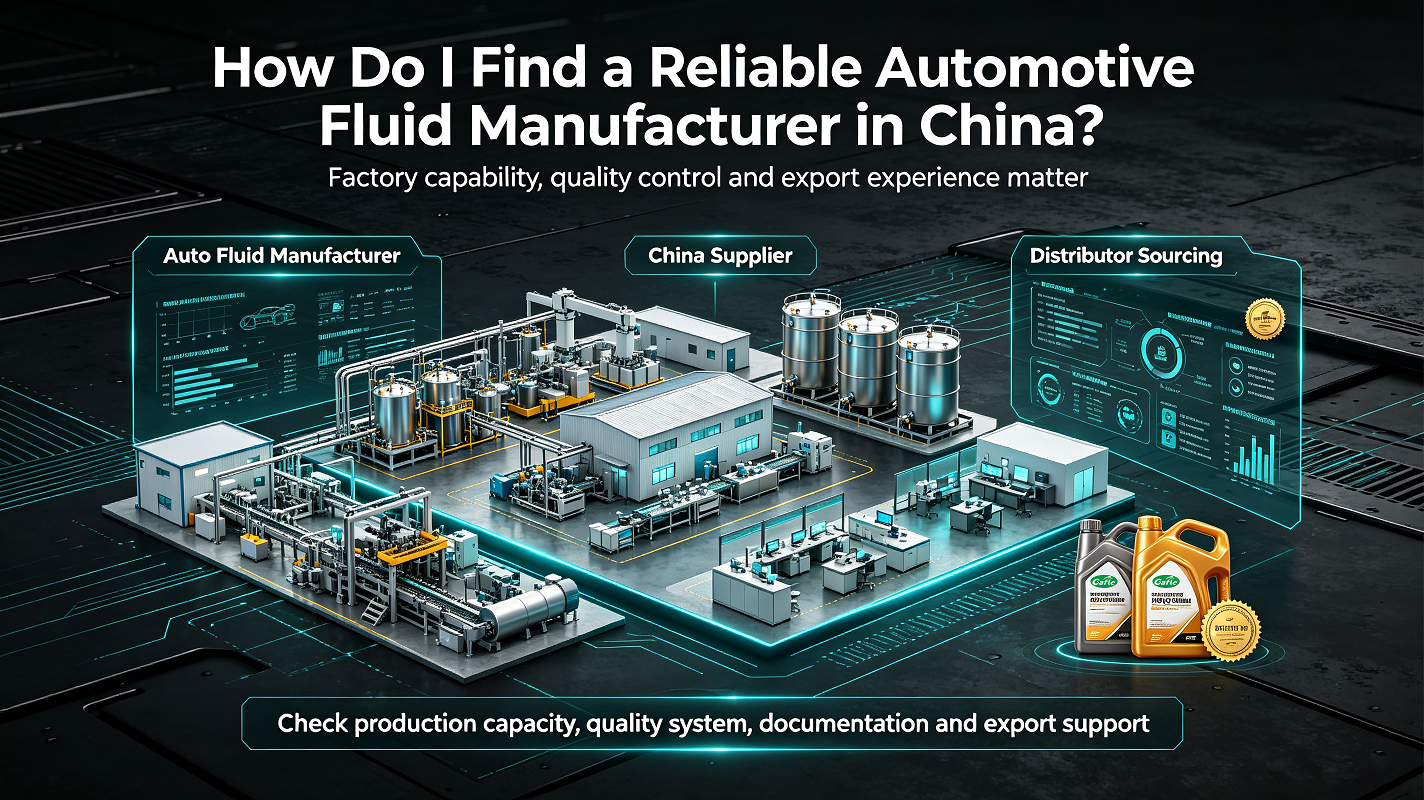
Many international buyers searching for the Best Brake Fluid Manufacturer in China understand that laboratory capability and quality management are just as important as production capacity.
When selecting a manufacturer, consider:
- Professional laboratory facilities
- Comprehensive Brake Fluid Testing
- Strict Brake Fluid Quality management
- Standardized production processes
- Batch consistency
- OEM manufacturing capability
- Global export experience
- Technical support
- Continuous research and development
A manufacturer with strong technical capabilities provides greater confidence for long-term cooperation.
Why Global Customers Choose Gafle
As a trusted Brake Fluid Manufacturer, Gafle combines scientific research, advanced manufacturing, and strict quality management to produce reliable brake fluid for customers around the world.
Our strengths include:
- 20+ Years of Dedicated Brake Fluid Manufacturing Experience
- Professional Brake Fluid Laboratory
- Advanced Brake Fluid Testing Equipment
- Strict Brake Fluid Quality Control
- Modern Manufacturing Facilities
- Clean Production Environment
- IATF 16949 Quality Management System
- OEM & Private Label Manufacturing
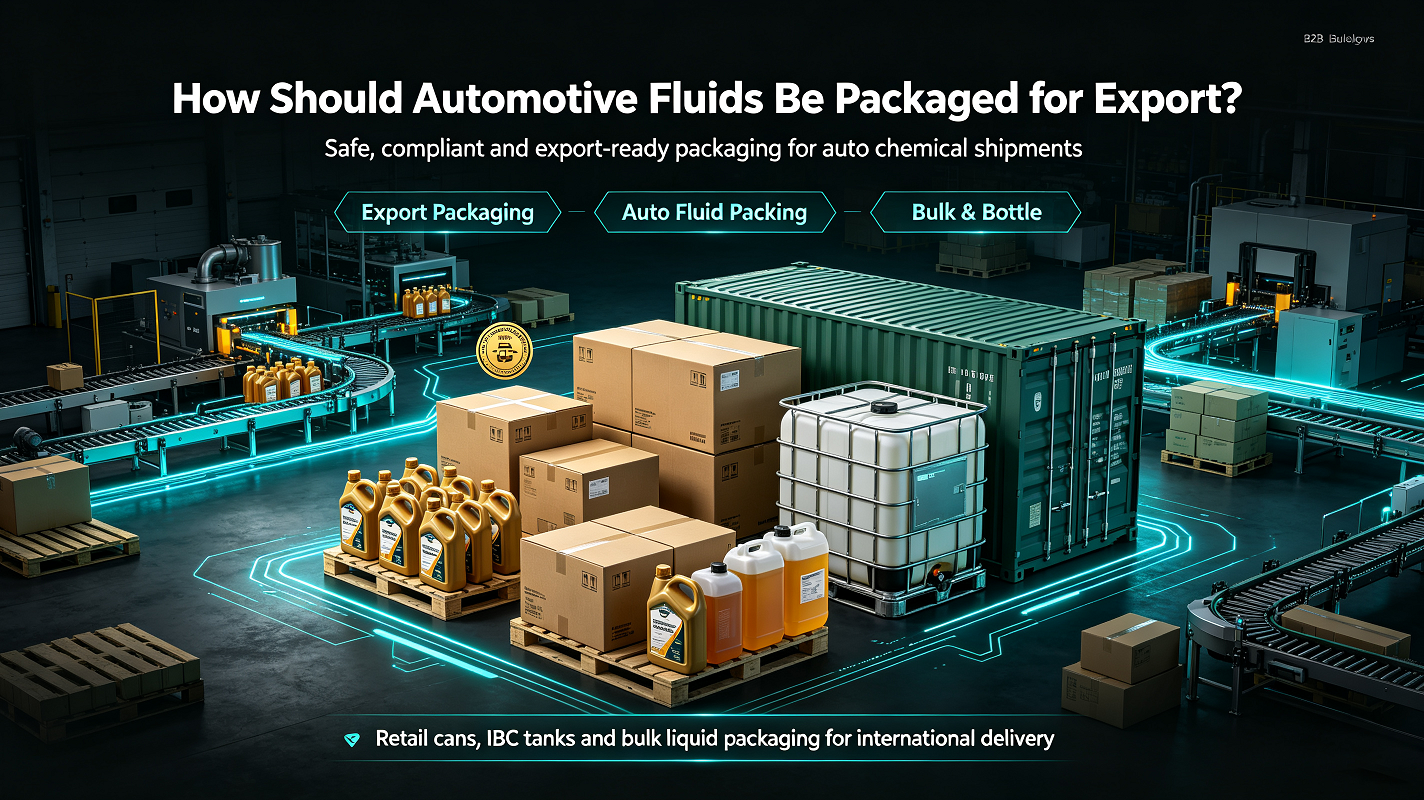
- Customized Packaging Solutions
- Stable Large-Scale Production
- Global Export Experience
- Participant in Drafting China's National Brake Fluid Standards
These capabilities allow Gafle to provide distributors, importers, and automotive brands with dependable brake fluid products and long-term manufacturing partnerships.
Frequently Asked Questions
Why does brake fluid change color over time?
Brake fluid changes color because of moisture absorption, heat, oxidation, microscopic wear particles, rubber seal aging, and normal system contamination during long-term use.
What color should fresh brake fluid be?
Fresh brake fluid is generally clear, light yellow, or light amber, depending on the formulation and manufacturer.
Does dark brake fluid mean it should be replaced?
Not necessarily. Darker color is a useful indicator, but professional testing—including moisture content and boiling point—is the most reliable way to determine whether replacement is necessary.
How is brake fluid quality tested?
Professional laboratories evaluate dry boiling point, wet boiling point, moisture content, viscosity, corrosion resistance, material compatibility, and appearance before approving products for use.
How should buyers choose the Best Brake Fluid Manufacturer in China?
Buyers should evaluate laboratory capability, quality management systems, manufacturing consistency, OEM experience, export capability, and technical support rather than focusing only on price.
Conclusion
Understanding Brake Fluid Color helps vehicle owners and maintenance professionals better monitor the condition of their braking system. While brake fluid naturally becomes darker over time due to moisture absorption, oxidation, heat, and normal wear, color alone should never be used as the only indicator of fluid condition. Comprehensive laboratory testing remains the most reliable method for evaluating brake fluid performance and determining when replacement is necessary.
For distributors, importers, and automotive brands, choosing a manufacturer with strong quality management and testing capabilities is just as important as selecting a high-performance product.
With more than 20 years of manufacturing experience, Gafle continues to invest in advanced laboratory equipment, scientific research, and rigorous quality control to deliver premium brake fluid solutions to customers worldwide.
For businesses searching for the Best Brake Fluid Manufacturer in China, Gafle offers consistent product quality, comprehensive OEM services, and dependable long-term partnerships built on innovation, precision, and trust.
At Gafle, every bottle of brake fluid is carefully developed, rigorously tested, and manufactured to deliver reliable braking performance—because true quality is proven by science, not just by appearance.