 Antifreeze vs Coolant: What's the Difference?
When shopping for automotive fluids, you've probably noticed the terms "antifreeze" and "coolant" used almost interchangeably. Many drivers assume they are exactly the same product, while others believe they serve completely different purposes.
So, what's the real difference between antifreeze and coolant?
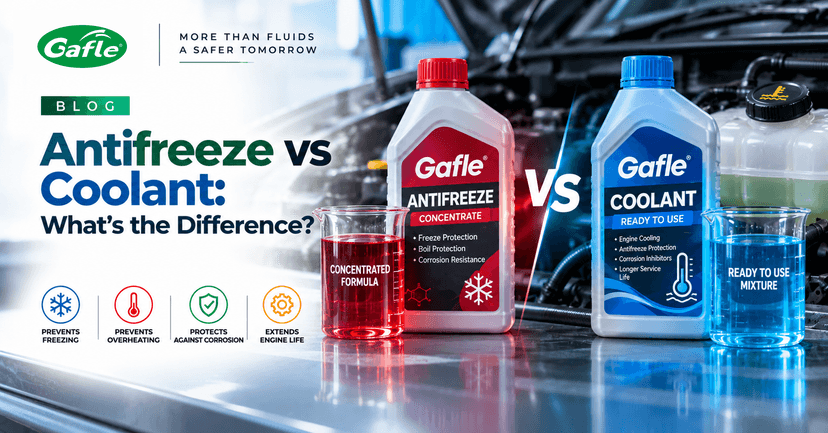
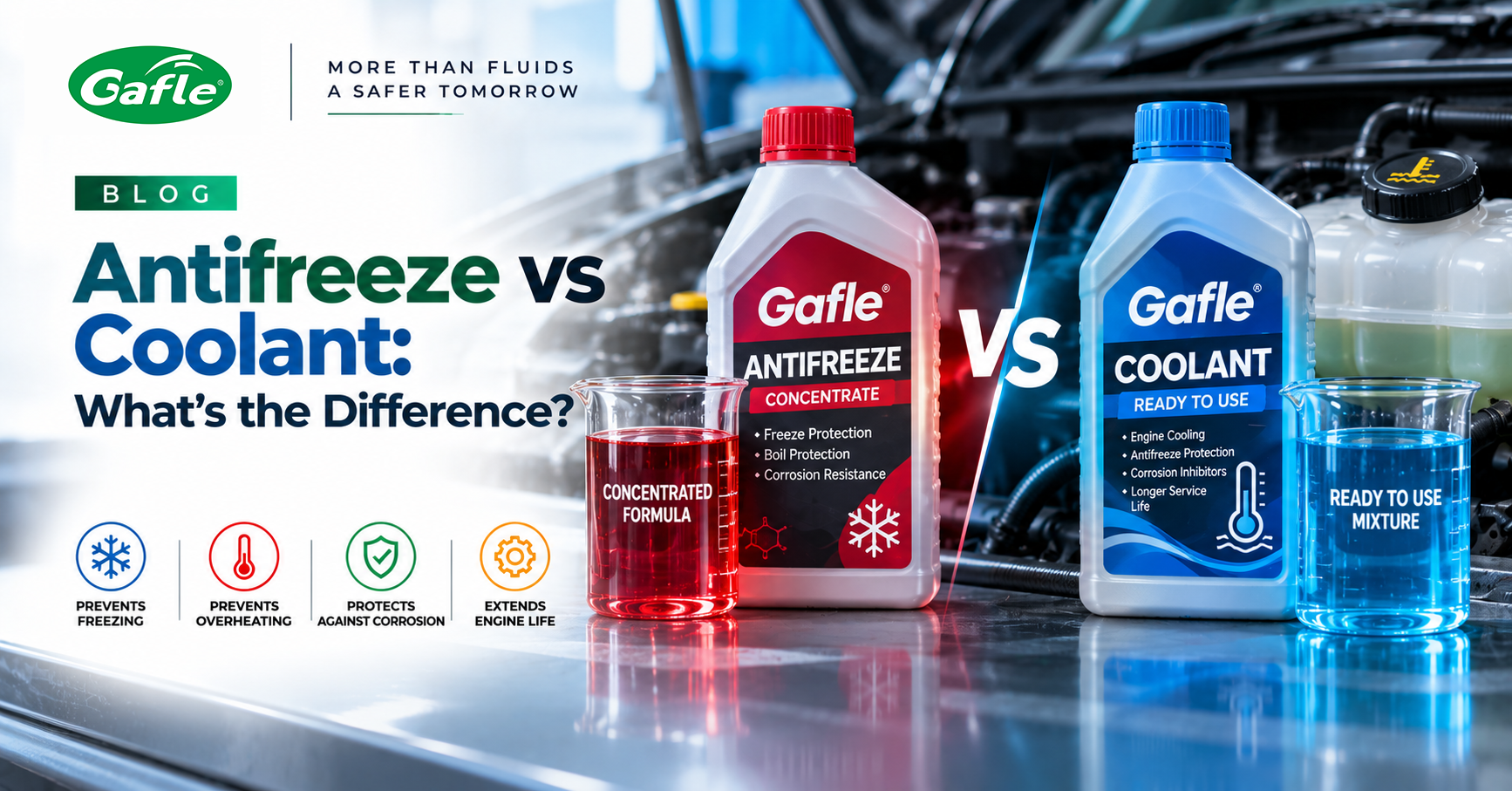
The answer is simple: antifreeze is the concentrated chemical formulation, while coolant is typically the ready-to-use mixture of antifreeze and water that circulates through your engine's cooling system. Although the two terms are often used interchangeably in everyday conversation, understanding the difference helps ensure proper maintenance and maximum engine protection. Valvoline
As a professional automotive fluid manufacturer with more than 20 years of manufacturing experience, Gafle develops premium engine coolants and brake fluids for OEM customers, distributors, and automotive brands worldwide. In this guide, we'll explain the differences between antifreeze and coolant, how they work, and how to choose the right product for your vehicle.
What Is Antifreeze?
Antifreeze is a concentrated liquid formulated primarily with ethylene glycol or propylene glycol, together with corrosion inhibitors and performance additives.
By itself, antifreeze is not normally intended to be poured directly into the cooling system. Instead, it is designed to be mixed with distilled or deionized water according to the recommended ratio before use. Valvoline
Its main functions include:
- Lowering the freezing point
- Raising the boiling point
- Preventing corrosion
- Protecting aluminum and other metal components
- Lubricating the water pump
- Extending cooling system life
What Is Engine Coolant?
Engine Coolant is the working fluid that circulates through the engine and radiator.
In most cases, coolant is:
- Antifreeze
- Mixed with distilled water
- Ready for immediate use
Many pre-mixed coolants are supplied in approximately a 50:50 ratio, providing balanced freeze protection, heat transfer, corrosion resistance, and boil-over protection for a wide range of climates. Valvoline
Antifreeze vs Coolant: The Key Differences
Although the two terms are often used interchangeably, they describe different forms of the same protection system.
| Feature | Antifreeze | Coolant |
|---|---|---|
| Form | Concentrated liquid | Ready-to-use mixture |
| Contains Water | No | Yes (typically mixed with distilled water) |
| Ready to Use | Usually No | Yes |
| Main Purpose | Provides freeze, boil, and corrosion protection | Transfers heat while protecting the cooling system |
| Typical Mixing | Requires dilution | Usually pre-mixed |
In simple terms:
Antifreeze is an ingredient. Coolant is the finished product used inside the engine. Valvoline
Why Does the Difference Matter?
Understanding the distinction helps prevent common maintenance mistakes.
Using Concentrate Without Water
If concentrated antifreeze is used without proper dilution, cooling performance can be reduced because water is the primary medium responsible for carrying heat away from the engine. Most concentrates are designed to be mixed before use. AAA
Choosing the Correct Product
Before filling the cooling system, always check whether the product is:
- Concentrated antifreeze
- Ready-to-use coolant
Following the product instructions helps ensure proper performance.
Following Manufacturer Recommendations
Always use the coolant specification recommended by the vehicle manufacturer rather than relying only on color or product name.
Different coolant technologies are designed for different engine materials and service requirements. Valvoline
What Does Engine Coolant Do?
A high-quality Engine Coolant performs several important functions simultaneously.
It helps:
- Prevent engine overheating
- Protect against freezing
- Increase boiling protection
- Prevent rust and corrosion
- Reduce scale formation
- Lubricate the water pump
- Protect aluminum engine components
- Improve long-term cooling system reliability
Without properly maintained coolant, engine temperatures may become unstable, increasing wear and reducing cooling system efficiency. AAA
How Gafle Ensures Coolant Quality
At Gafle, quality begins with research and continues through every stage of manufacturing.
Advanced Formula Development
Our R&D team develops coolant formulations designed to provide:
- Excellent freeze protection
- Reliable boil-over protection
- Long-lasting corrosion resistance
- Stable thermal performance
- Excellent material compatibility
Premium Raw Materials
Every raw material is carefully inspected before production to ensure consistent product quality.
Professional Laboratory Testing
Every production batch undergoes comprehensive testing, including:
- Freeze protection
- Boiling protection
- pH stability
- Corrosion resistance
- Material compatibility
- Appearance inspection
Only products that meet our quality standards proceed to packaging.
Strict Quality Control
Our quality management system covers:
- Raw material inspection
- Formula verification
- Production monitoring
- Laboratory testing
- Packaging inspection
- Batch traceability
- Final product approval
This systematic approach helps ensure stable performance from batch to batch.
OEM & Private Label Manufacturing
Gafle provides complete OEM services, including:
- Customized coolant formulations
- Private label manufacturing
- Bottle customization
- Label design
- Carton packaging
- Technical documentation
- Export support
Why Global Customers Choose Gafle
As a trusted automotive fluid manufacturer, Gafle supplies premium engine coolants and brake fluids to customers around the world.
Our strengths include:
- 20+ Years of Automotive Fluid Manufacturing Experience
- Professional Research & Development Team
- Advanced Laboratory Testing
- Modern Manufacturing Facilities
- Strict Quality Control
- IATF 16949 Quality Management System
- OEM & Private Label Manufacturing
- Customized Packaging Solutions
- Stable Large-Scale Production
- Global Export Experience
- Participant in Drafting China's National Brake Fluid Standards
These capabilities enable Gafle to deliver reliable automotive fluid solutions for distributors, importers, wholesalers, and automotive brands worldwide.
How to Choose the Best Brake Fluid Manufacturer in China
Many international buyers searching for the Best Brake Fluid Manufacturer in China also prefer manufacturers capable of producing premium engine coolants.
When selecting a supplier, consider:
- Manufacturing experience
- R&D capability
- Professional laboratory facilities
- Strict quality management
- Stable production capacity
- OEM & ODM capability
- International certifications
- Batch consistency
- Export experience
- Long-term technical support
A manufacturer with these strengths can provide reliable products and long-term business value.
Frequently Asked Questions
Is antifreeze the same as coolant?
Not exactly. Antifreeze is the concentrated chemical formulation, while coolant is generally the ready-to-use mixture of antifreeze and water that circulates through the engine. Valvoline
Can I use antifreeze without water?
Most concentrated antifreeze products are intended to be mixed with distilled or deionized water before use. Always follow the product instructions. Valvoline
What does engine coolant do?
Engine coolant helps regulate engine temperature, prevents freezing and overheating, protects against corrosion, and lubricates the water pump. AAA
Should I buy concentrate or pre-mixed coolant?
Concentrated antifreeze offers flexibility in mixing, while pre-mixed coolant is convenient and ready to use. The best choice depends on your maintenance needs and the product recommended for your vehicle. Valvoline
How should buyers choose the Best Brake Fluid Manufacturer in China?
Buyers should evaluate manufacturing experience, laboratory capability, quality management systems, OEM expertise, production consistency, export experience, and technical support rather than focusing only on price.
Conclusion
Although the terms antifreeze and coolant are often used interchangeably, they are not exactly the same. Antifreeze is the concentrated chemical formulation, while coolant is typically the ready-to-use mixture of antifreeze and water that protects the engine from freezing, overheating, corrosion, and premature wear. Understanding this distinction helps ensure the correct product is selected and used according to the vehicle manufacturer's recommendations. Valvoline
With more than 20 years of manufacturing experience, Gafle continues to develop premium engine coolants and brake fluids through advanced laboratory testing, modern production facilities, and strict quality control.
For businesses searching for the Best Brake Fluid Manufacturer in China, Gafle offers reliable automotive fluid products, flexible OEM and private label solutions, and long-term partnerships built on quality, consistency, and innovation.