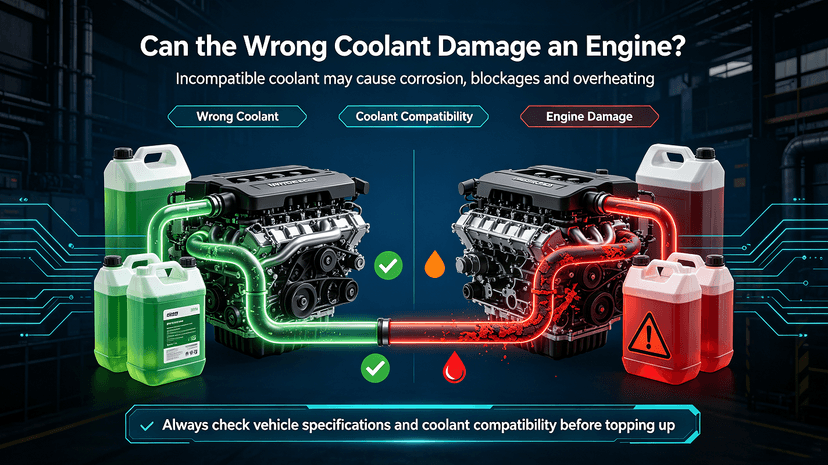
Why the wrong coolant is a bigger deal than many shops first assume
The phrase wrong coolant risk sounds minor until a vehicle comes in with overheating, sludge in the reservoir, or corrosion that has already started eating into the system. For engineers, fleet managers, and purchasing teams, the real issue is not just whether a coolant “fits” a vehicle on paper. It is whether the fluid chemistry matches the metals, elastomers, temperature range, and service interval the cooling system was built around.
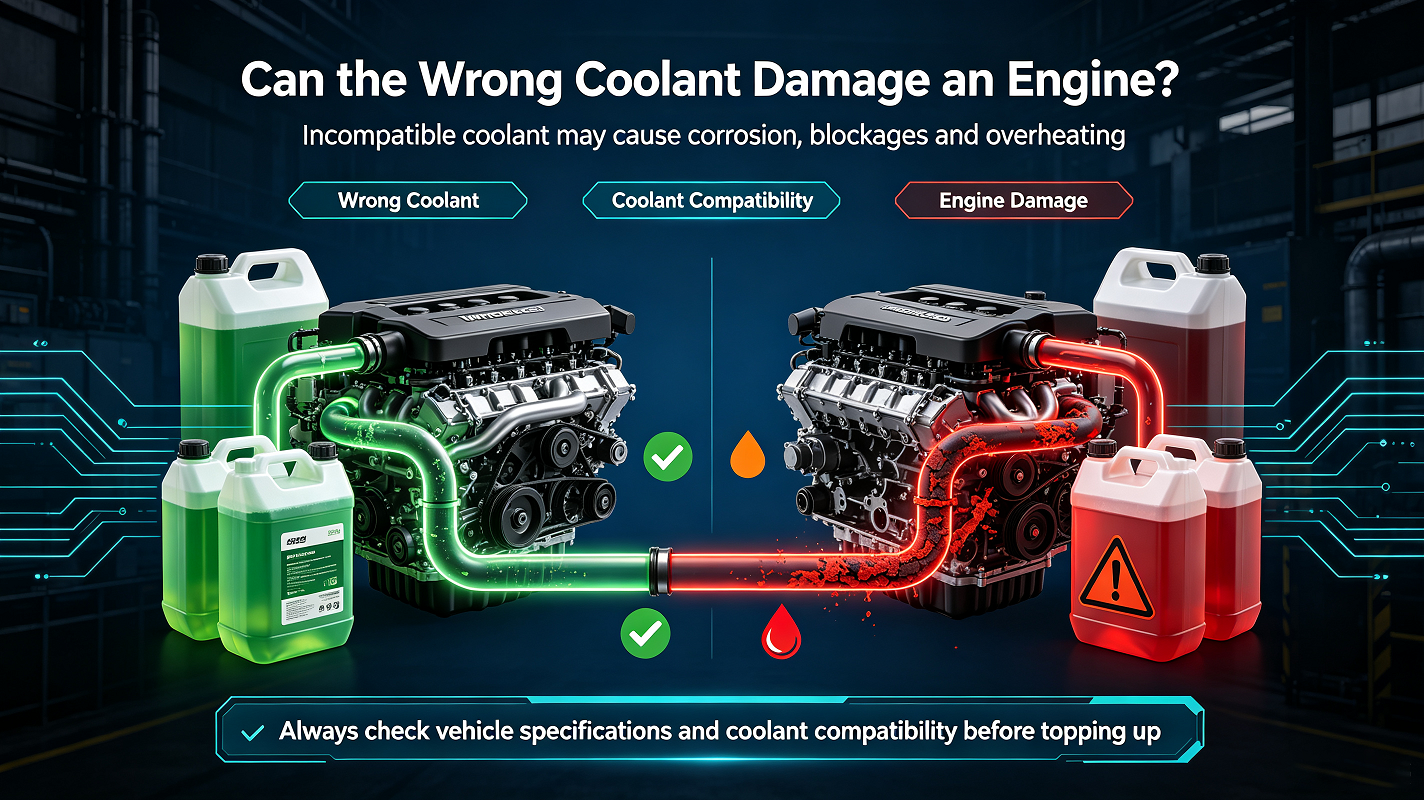
That is why the question can the wrong coolant damage an engine comes up so often. The short answer is yes, it can, but the path to damage is usually indirect. Coolant mismatch may not cause instant failure. More often, it creates a slow chain of problems: reduced heat transfer, deposits, seal swelling or shrinkage, water pump wear, radiator clogging, and corrosion at sensitive surfaces. By the time the driver notices a temperature gauge climbing, the damage may already be underway.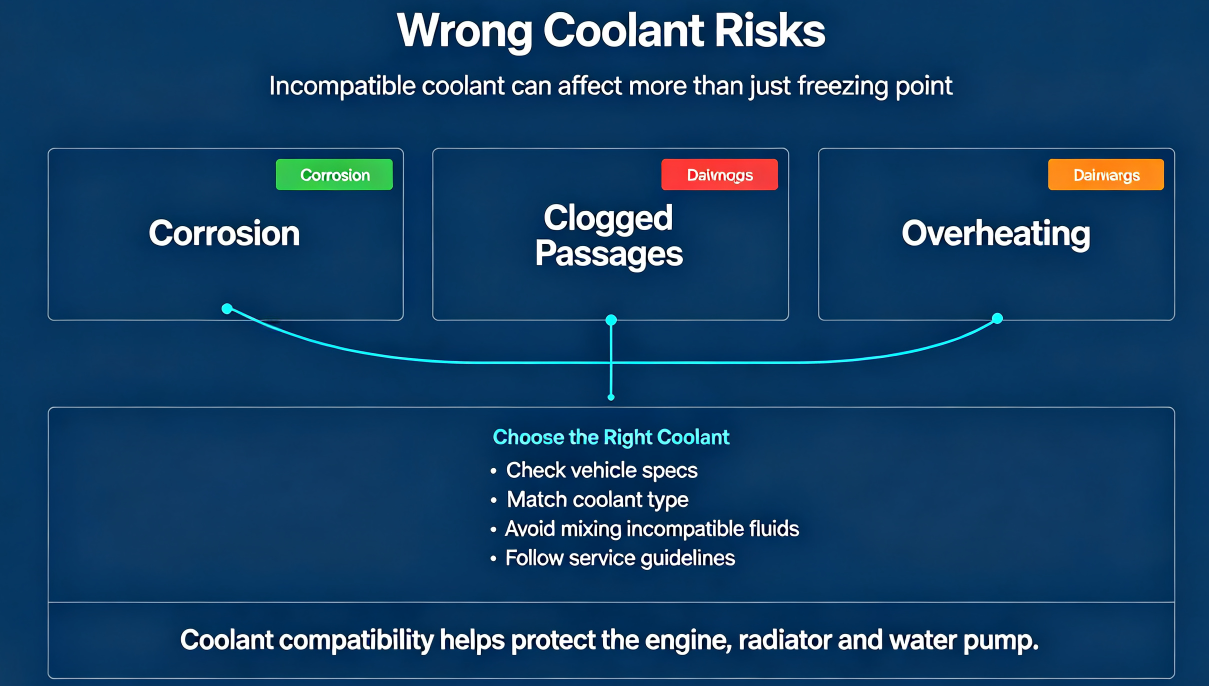
What goes wrong when coolant chemistry is mismatched
Modern cooling systems are not simple water loops. They rely on a specific blend of corrosion inhibitors, antifreeze, and additives to protect aluminum, cast iron, copper alloys, solder joints, plastics, and rubber components. When the wrong formulation is poured in, several failure modes can show up at once.
One common problem is chemical incompatibility. Different antifreeze technologies can react poorly when mixed, especially if a system is topped up with a different type during maintenance. Instead of stable protection, the mixture can form gel-like deposits or abrasive sludge. That material does not stay put. It moves through narrow passages, heater cores, and radiator tubes where flow restriction quickly becomes a service issue.
Corrosion is another concern. If inhibitor packages do not match the system’s needs, metal surfaces lose protection. Aluminum parts are especially vulnerable in a cooling circuit that sees repeated heat cycles and oxygen exposure. Over time, pitting can develop, and that is not the sort of defect a technician can simply flush away once it has advanced.
Signs technicians and buyers should not ignore
A cooling system with the wrong fluid often gives warning signs before the failure becomes dramatic:
- Unexpected temperature swings under load
- Brown, rusty, or cloudy coolant
- Sludge in the expansion tank or radiator neck
- Heater performance that drops off
- Pump noise or seal leakage
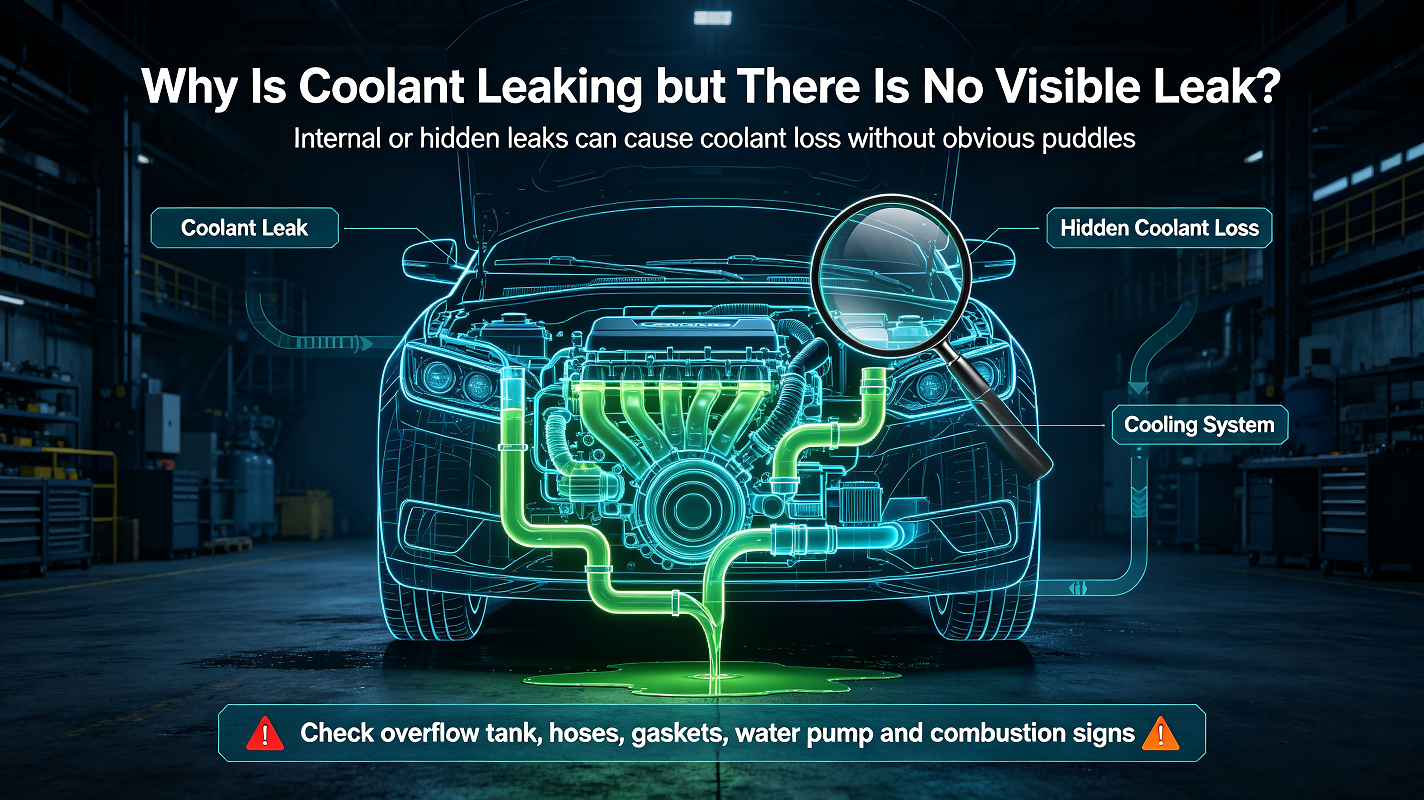
- Repeated need for top-off without an obvious external leak
None of these symptoms proves a coolant mismatch by itself, but together they deserve attention. A quick visual check is not enough if the issue is chemical compatibility.
Why the choice of antifreeze matters in procurement and maintenance
For sourcing managers and maintenance teams, coolant selection is not just a service-room detail. It affects uptime, parts life, and warranty exposure. In mixed fleets or multi-site operations, the risk increases because different vehicle platforms may call for different coolant families. That makes storage discipline important. If containers are unlabeled, partially transferred, or mixed after opening, the chance of a costly mistake rises.
There is also a practical supply-chain angle. A cheaper coolant that looks broadly compatible may not be a good bargain if it shortens component life or increases flush frequency. Buyers should compare not only price, but also the service chemistry required by the equipment in use. In some cases, a single approved fluid across a narrower set of assets is easier to control. In others, separate bins and stricter labeling are the safer route.
How to reduce wrong coolant risk in the real world
The best prevention is procedural, not heroic. Verify the OEM specification before refill. Keep coolant containers clearly segregated by type and color only if color is backed by specification; color alone is not a reliable identification method. That point is worth stressing because many buyers still assume all green, pink, or orange products behave the same. They do not.
A controlled drain-and-fill process is better than “top it off and hope.” If a system history is unknown, a full flush with the correct fluid is often the cleaner option, though the method should follow the vehicle maker’s guidance. Mixed residues left behind can undermine even a correct refill.
Common buyer mistakes that lead to engine damage
The most frequent mistake is treating coolant as a commodity rather than a specification item. The second is relying on appearance. The third is assuming a universal antifreeze will solve compatibility problems without checking the system design.
A more subtle mistake is ignoring small contamination events. A little wrong coolant added during a roadside repair may seem harmless, but repeated partial mixes can create cumulative problems. That is where engine damage becomes less a sudden event and more a maintenance pattern no one documented properly.
Practical takeaways for engineers and sourcing teams
If the cooling system has already been exposed to the wrong fluid, do not assume a quick drain is enough. Inspect for deposits, check hoses and seals, and review whether the system needs a full flush. If the exposure was minor and caught early, cleanup may be straightforward. If the vehicle has been running hot or showing contamination, the issue deserves a deeper look.
For new procurement decisions, standardize where possible, label clearly, and train technicians to verify the exact coolant requirement before service. That is the simplest way to cut wrong coolant risk without adding unnecessary complexity.
FAQ: the questions maintenance teams ask most
Can the wrong coolant damage an engine immediately?
Usually not immediately. The damage often starts with reduced protection or poor flow and builds over time. But in severe mismatch cases, overheating can happen quickly.
Is mixing coolant types always dangerous?
Not every mix causes a visible problem right away, but mixing incompatible chemistries is risky and should not be treated as acceptable practice.
Does antifreeze color tell me what I have?
Not reliably. Color can help with identification, but it is not a substitute for the product specification.
Next step for buyers and maintenance teams
If you are reviewing a fleet maintenance program or setting purchasing rules for coolant and antifreeze, the safest move is to align procurement with OEM specifications and service procedures, not assumptions from color or habit. A small control gap here can turn into engine damage, downtime, and avoidable cleanup work later.
Welcome to contact GAFLE for more information & cooperation!
peter
ZHEJIANG GAFLE AUTO CHEMICL CO.,LTD
Tel:86-579-8222 1665
Fax:86-579-8246 4690
Cel/Wechart:86-13335993986
E-mail:peter@gafle.net
Web:www.gafle.net