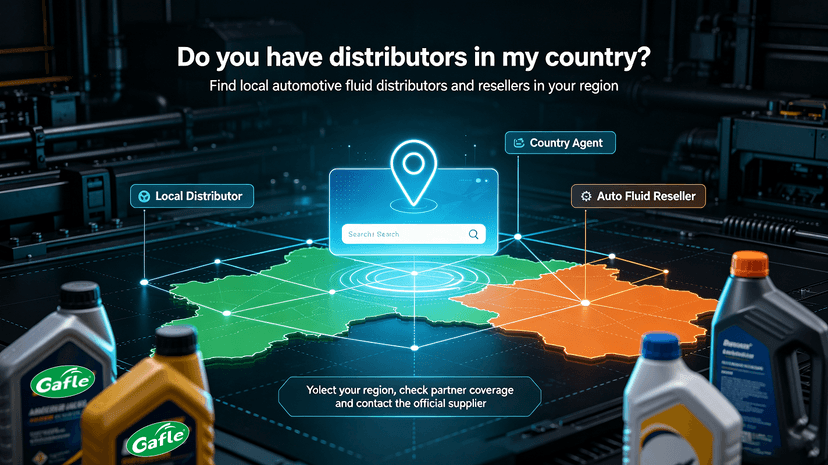
Why the Right Local Auto Parts Distributor Matters
Choosing a local auto parts distributor is rarely just a procurement line item. For workshops, fleet operators, retailers, and service chains, it affects how quickly vehicles return to the road, how reliably stock moves through the warehouse, and how much time gets lost chasing missing items. The wrong supplier can create a steady drip of problems: delayed deliveries, mismatched product assortments, poor documentation, and emergency buying at unfavorable prices.
That is especially true when the product mix includes automotive chemical lines such as Brake fluid and Coolant. These are not simple shelf items. They sit in the middle of vehicle safety, maintenance schedules, and compatibility concerns. A distributor that understands the category can help a buyer avoid expensive mistakes, while a weak one tends to treat everything like a generic box-and-pallet transaction.
What Buyers Usually Need to Decide
Most sourcing teams are trying to answer a practical question: should we buy from a broad national supplier, a regional warehouse, or a local auto parts distributor with faster access and more hands-on support? The answer depends on urgency, product breadth, and how much technical certainty the buyer needs.
A local distributor is often the better choice when:
- replenishment speed matters more than the absolute lowest unit price
- you need a narrower but more dependable assortment
- the buyer wants easier communication and faster issue resolution
- the product category includes consumables with storage or handling concerns
The trade-off is simple. Local availability can reduce downtime, but only if the distributor actually maintains inventory and manages the range well. A nearby warehouse is not automatically a strong supply chain.
Quick Reference: What to Compare Before You Place an Order
Assortment depth
A good distributor should cover the fast-moving parts your operation touches every week, not just a catalog full of broad claims. If your demand includes service items, filters, fluids, and routine maintenance materials, ask how much of that range is stocked versus drop-shipped.
Documentation and product consistency
This matters more than some buyers expect. For automotive chemical products, ask whether product labels, storage guidance, and batch traceability are handled consistently. Even when the product itself is ordinary, documentation gaps create avoidable friction at receiving and on the shop floor.
Responsiveness
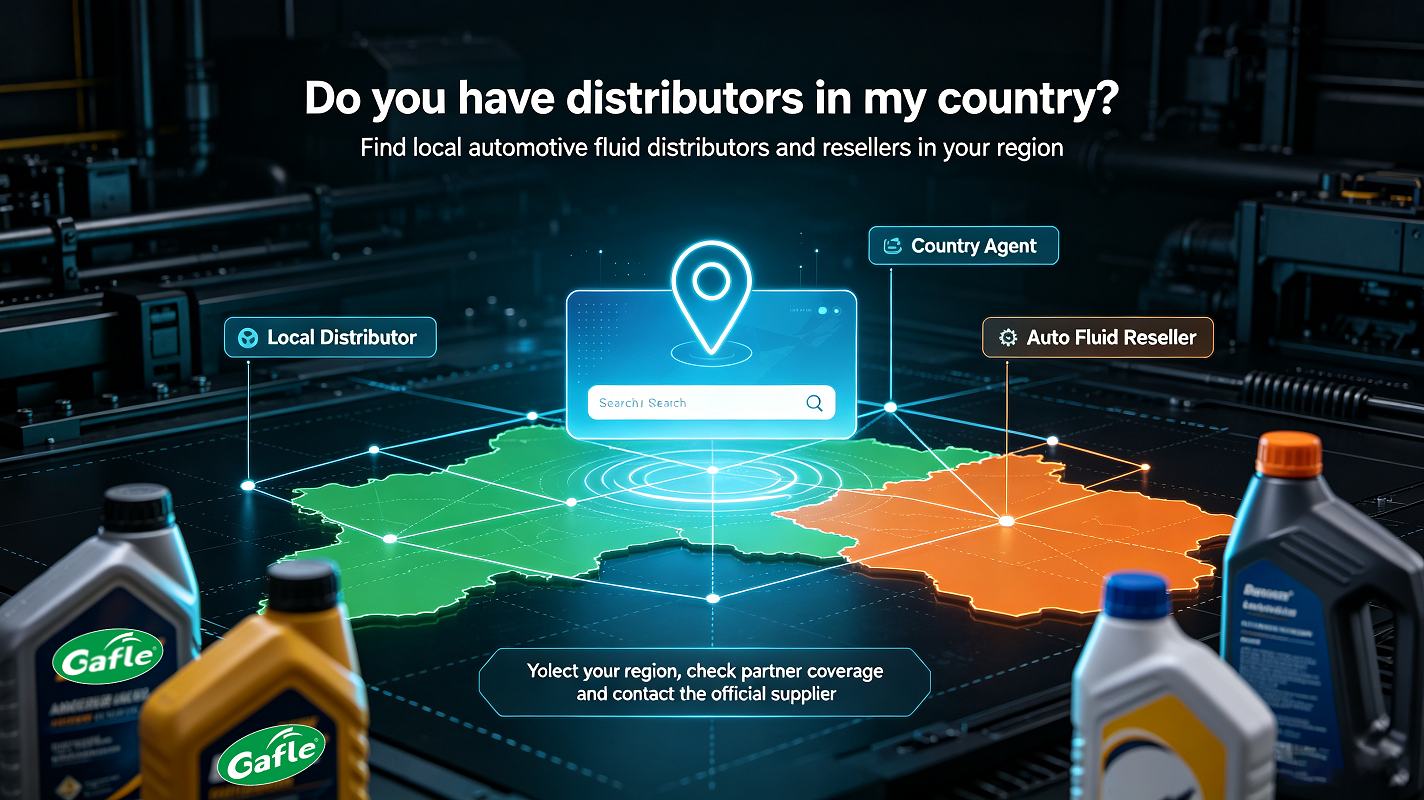
When people ask, “do you have distributors in my country,” they are usually trying to solve a lead-time or service problem as much as a sourcing problem. Geography matters, but responsiveness matters more. A distributor in-country with poor communication can be less useful than a cross-border supplier that answers fast and ships predictably.
Why Chemical Product Knowledge Changes the Buyer’s Risk
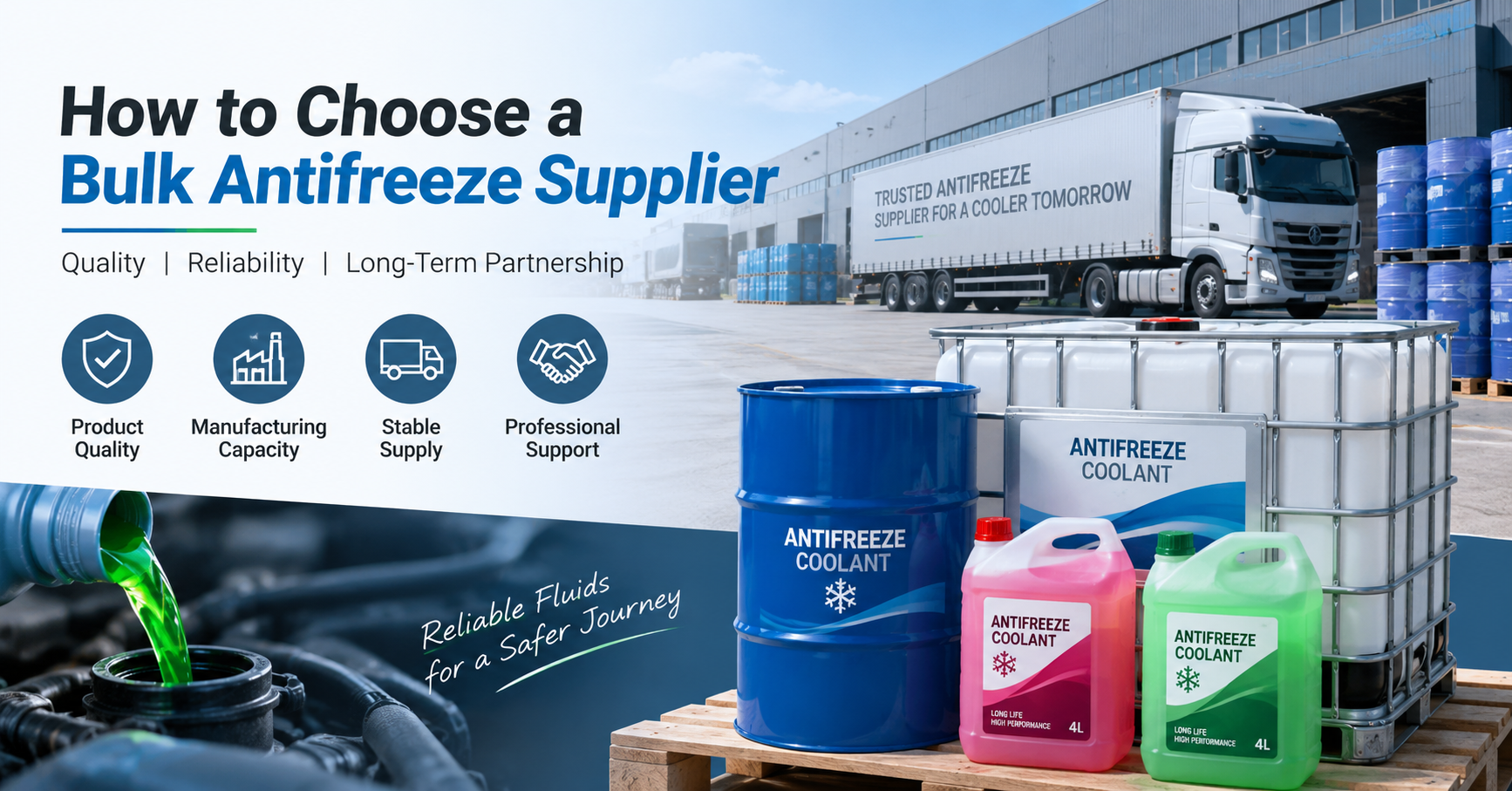
Brake fluid and Coolant deserve special attention because they are operationally sensitive. They are bought often, but they are not interchangeable commodities. Vehicle platforms, climate conditions, packaging format, and storage duration all affect suitability.
A buyer does not need the distributor to be a laboratory. But the distributor should know enough to prevent obvious mismatches and should be able to explain the product family clearly. If a supplier cannot distinguish between common automotive chemical categories, that is a warning sign. It usually means the sales process is broader than the technical support behind it.
Small details matter here: shelf labeling, storage conditions, and order accuracy. A warehouse that handles these products casually may still ship on time, but not necessarily with the consistency a fleet customer expects.
Signs You Are Talking to a Serious Distributor
The strongest suppliers tend to behave in predictable ways. They ask how the parts will be used. They separate fast movers from slower stock. They do not overpromise on everything. That last point is worth keeping in mind; a distributor that claims universal availability often turns out to be weak on specialty items.
Look for these practical signals:
- clear product grouping by application or vehicle system
- realistic statements about stock versus sourcing from partners
- familiarity with common maintenance categories
- willingness to discuss returns, substitutions, and order accuracy before problems happen
If the distributor serves multiple markets, ask whether the offering changes by country. Supply chains are often local in ways that are not obvious from a website. Packaging, labeling language, and product naming can vary more than buyers expect.
Common Mistakes Buyers Make
The first mistake is buying on catalog size alone. A large list can hide weak fulfillment.
The second is ignoring product handling for automotive chemical lines. Brake fluid and Coolant can be routine purchases, but routine does not mean unmanaged.
The third is assuming that “local” automatically means better support. Sometimes it does. Sometimes it only means the supplier is easier to reach when there is a problem.
A fourth mistake, and this one is common in sourcing teams under pressure, is failing to clarify whether the distributor serves your country directly or through a partner network. That is where confusion starts, especially when buyers are comparing quoted prices without understanding the actual fulfillment path.
Buyer-Facing Questions Worth Asking
Before approving a supplier, ask a few plain questions:
- What product categories are stocked locally?
- Which items are usually available immediately?
- How do you handle automotive chemical products?
- Can you support recurring orders by region or country?
- If an item is not in stock, what is the normal replacement or sourcing process?
These are not aggressive questions. They are basic checks that separate a functional distributor from a decorative one.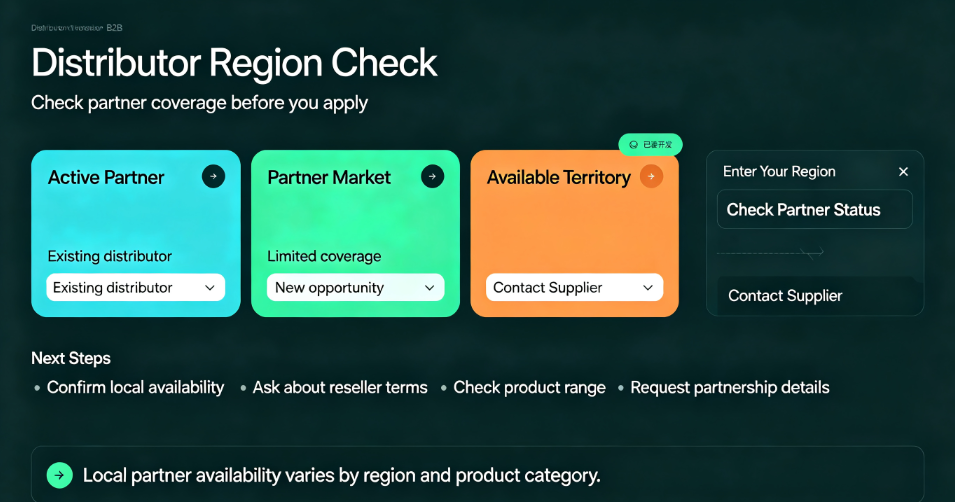
Choosing a Supplier That Fits the Job
A local auto parts distributor is most valuable when speed, assortment control, and practical support all matter at once. For maintenance-heavy buyers, that usually means a supplier who can handle repeat demand without constant supervision. For engineering and sourcing teams, it means fewer surprises in the receiving area and less time spent reconciling orders.
If your program includes automotive chemical items, the bar should be a bit higher. You want a distributor that treats those products as operational inputs, not just cartons on a shelf.
If you are evaluating distributors in a new market, start with the product categories you cannot afford to miss, then compare how each supplier handles availability, communication, and order clarity. That is usually the fastest path to a supplier relationship that holds up after the first rush order.
Welcome to contact GAFLE for more information & cooperation!
peter
ZHEJIANG GAFLE AUTO CHEMICL CO.,LTD
Tel:86-579-8222 1665
Fax:86-579-8246 4690
Cel/Wechart:86-13335993986
E-mail:peter@gafle.net
Web:www.gafle.net