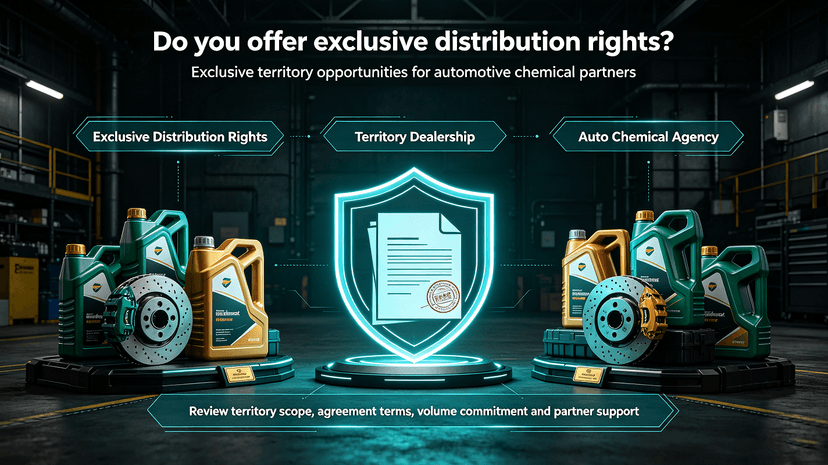
What exclusive distribution rights really mean in automotive chemicals
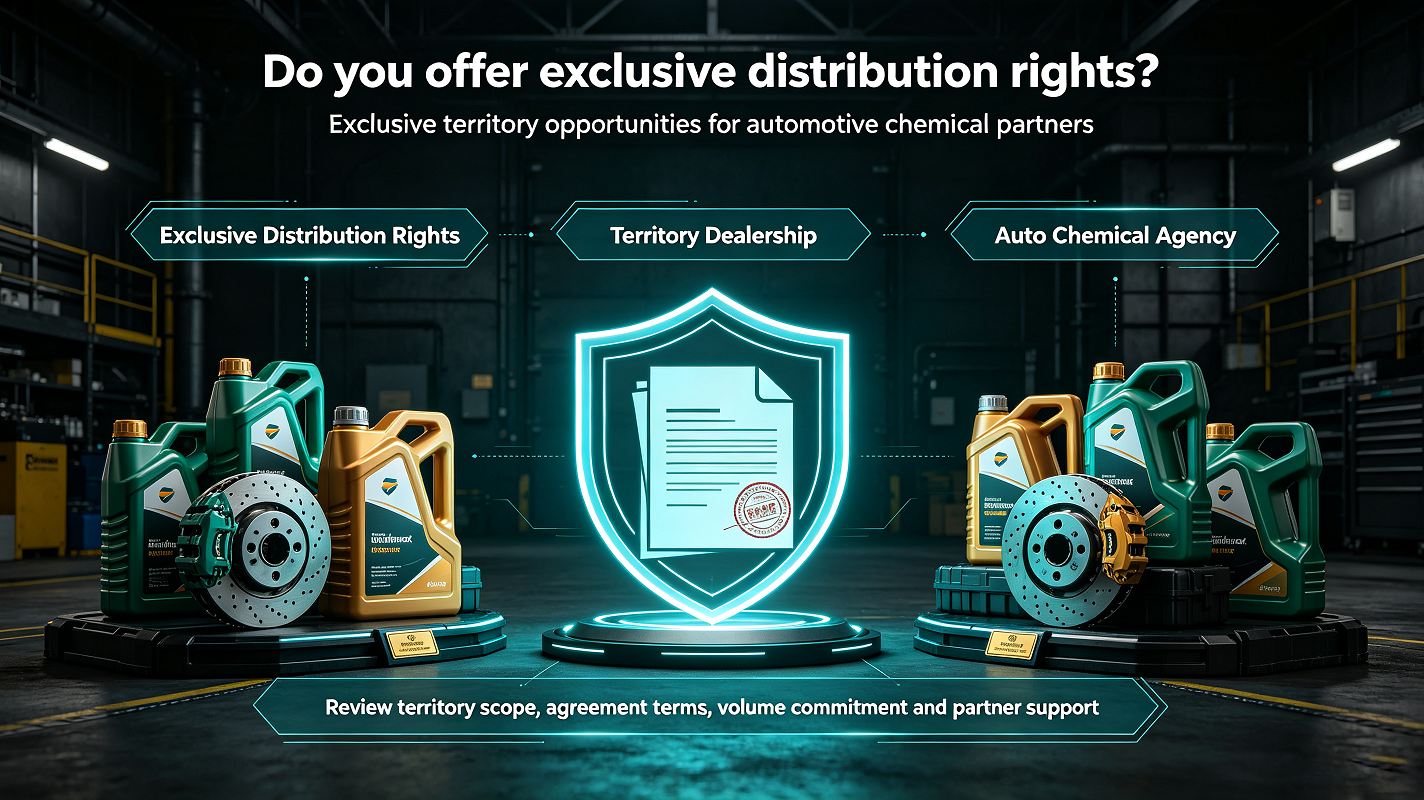
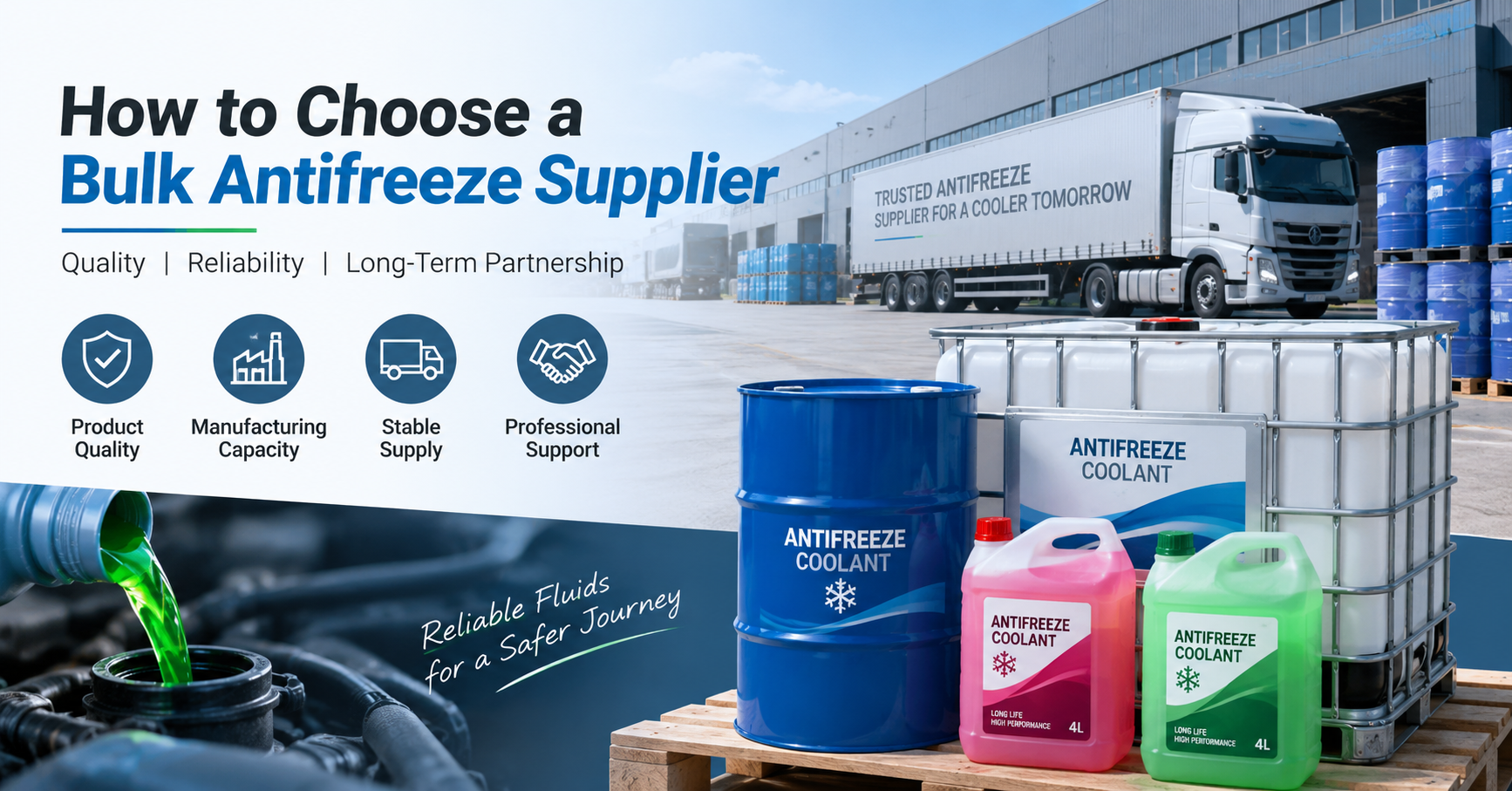
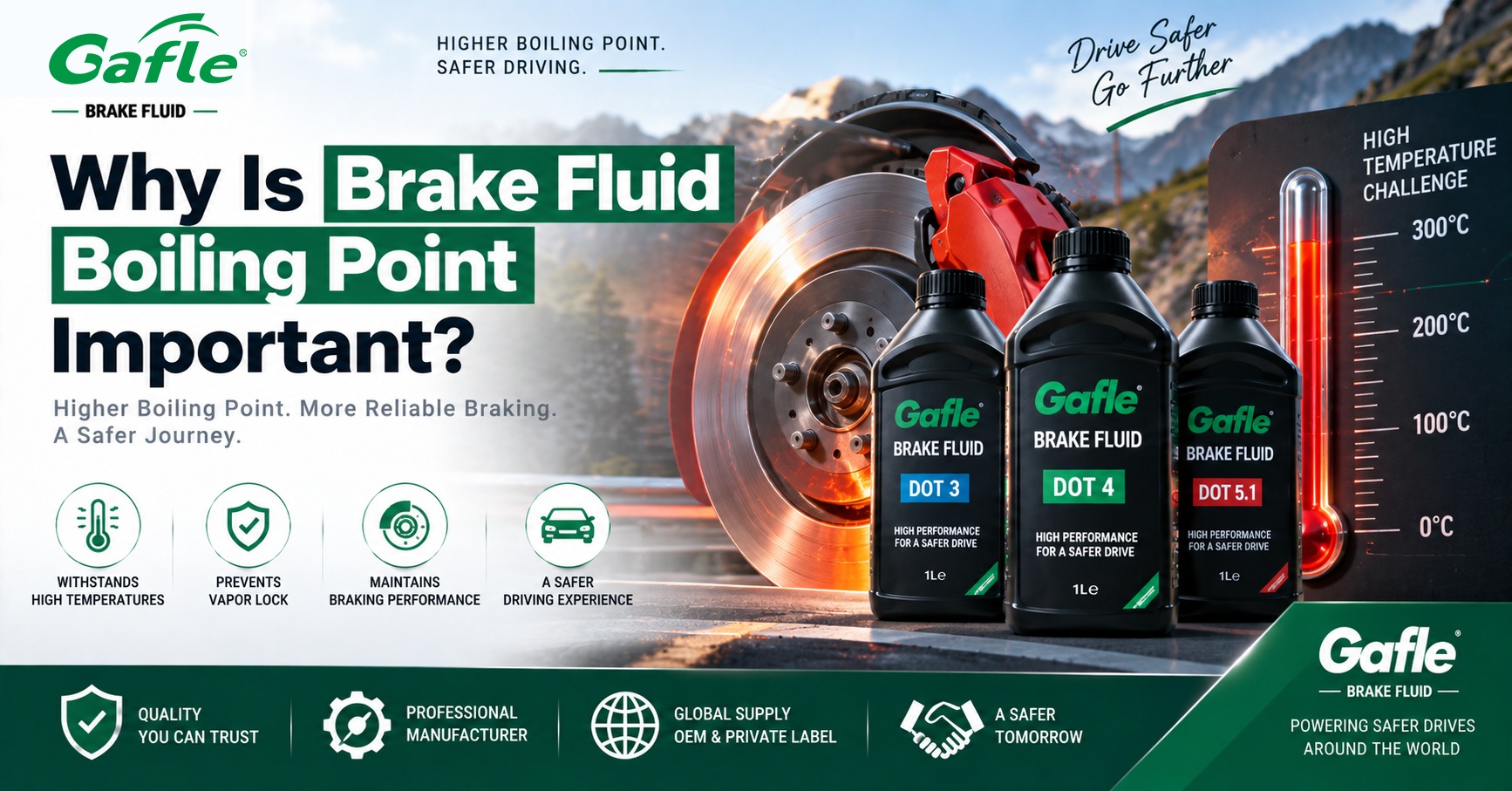
In the automotive aftermarket, exclusive distribution rights can look like a simple commercial agreement on paper, but in practice they shape pricing control, market coverage, brand positioning, and how quickly a product gets into workshops and retail channels. That matters especially in categories such as Brake fluid and Coolant, where buyers want steady supply, consistent labeling, and fewer surprises when they place repeat orders.
For sourcing managers and product teams, the question is rarely whether exclusivity sounds attractive. The real issue is whether the arrangement fits the product, the territory, and the distributor’s ability to move volume without damaging the brand. A weak partner can sit on inventory. An aggressive one can push too hard on price. Either way, the agreement has consequences well beyond sales.
Why manufacturers consider exclusivity in the first place
The strongest argument is focus. When one partner holds rights in a defined market, the manufacturer avoids channel conflict and gives that partner a clearer reason to invest in sales coverage, technical support, and local promotion. In automotive fluids and adjacent consumables, that can be a real advantage because buyers often rely on local relationships and recurring replenishment rather than one-off purchases.
The benefits of exclusive distribution agreement are usually strongest when the brand is still building recognition or entering a new region. A committed distributor may be more willing to stock multiple pack sizes, support training, and introduce the line to repair chains, wholesalers, and fleet accounts. That said, exclusivity is not a shortcut. If the distributor lacks reach, the brand can become invisible fast.
Where this model fits best
In practice, exclusivity tends to work best for products that need explanation, trust, or regular replenishment. Brake fluid is a good example because buyers care about application fit and product consistency. Coolant is another, especially where climate, vehicle mix, and service intervals shape buying decisions. For these products, the channel partner is not just a box mover; it becomes part of the market education process.
An auto chemical agency operating under exclusive terms may also be able to coordinate local compliance paperwork, warehouse planning, and after-sales support more effectively than a fragmented reseller network. That can reduce confusion for importers and end customers alike. Still, exclusivity only helps if the agency actually performs like a professional channel operator.
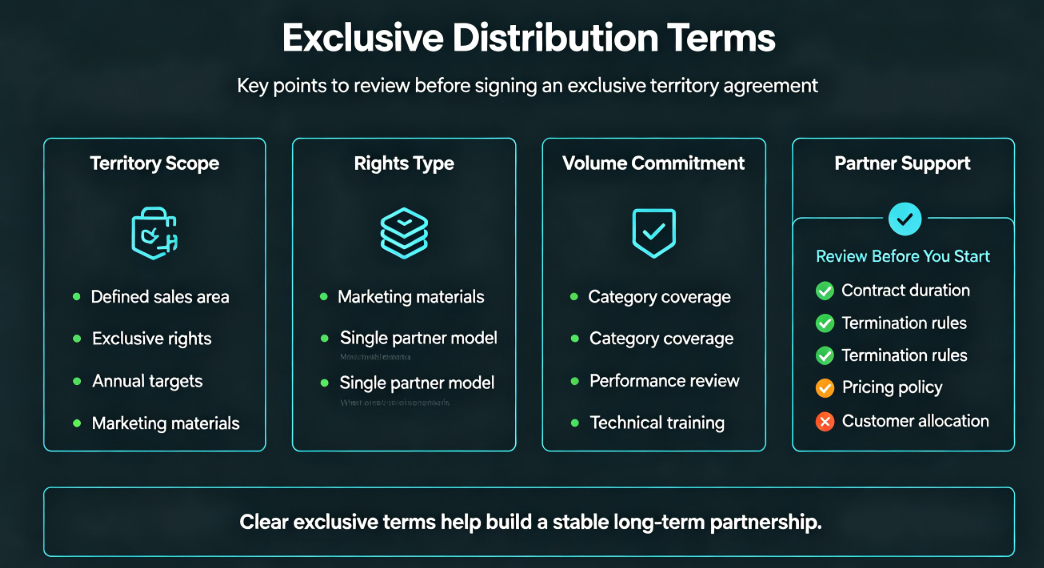
Key points to check before signing
Territory definition
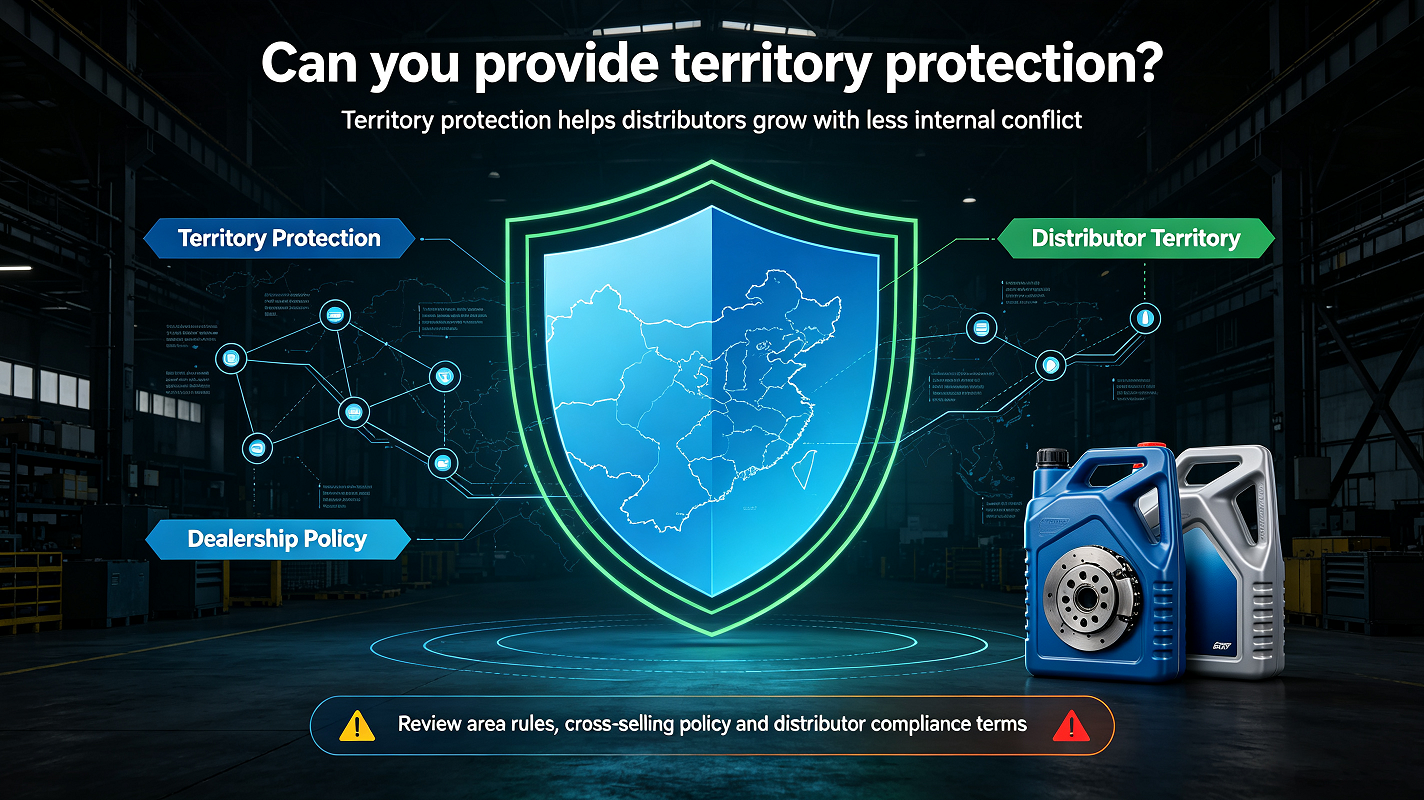
Define the market narrowly enough to avoid dispute. Country, region, industry segment, and online channel rights should all be spelled out. Otherwise, “exclusive” can become a source of friction rather than leverage.
Performance expectations
Most manufacturers should tie rights to measurable activity. That may include minimum order levels, sales coverage, or marketing commitments. Without a performance clause, a distributor can hold rights without building the brand.
Product scope
Be specific about which SKUs are covered. Some agreements fail because one side assumes the contract includes all future variants, while the other assumes only current items. That gap becomes painful when a new Brake fluid grade or a revised Coolant formula is launched.
Termination and renewal
Even a good partner needs periodic review. Renewal should depend on market development, payment discipline, and brand presentation, not just tenure. This is one place where buyers often over-trust the first year and under-review the third.
Common mistakes buyers and brands make
The biggest mistake is treating exclusivity as a guarantee of commitment. It is not. It is a structure. Results still depend on execution.
Another common error is signing with a partner because they already have warehouse space and a sales list, without checking whether those customers are relevant to the product. A distributor can be busy and still be the wrong fit. For chemical products, distribution discipline matters more than surface-level reach.
Brands also sometimes overlook how much support the market will need after launch. Product data sheets, claim discipline, labeling consistency, and basic technical training often matter as much as the contract itself.
Practical buyer advice for sourcing teams
If you are evaluating exclusive distribution rights as part of a sourcing or channel strategy, ask a few plain questions. Who owns the customer relationship? How will stock be rotated? What happens if demand is weaker than forecast? Can the partner support both wholesale and workshop sales without undercutting the brand?
For automotive chemical programs, a good agreement should protect both sides: the manufacturer gets market focus, and the distributor gets a defensible commercial position. That balance is the real value. Without it, exclusivity can become a polite way of locking both parties into a bad fit.
What to do next
If you are comparing distributors or shaping a new market entry plan, start with territory, SKU scope, and performance rules. Then test the partner’s operational discipline, not just their sales pitch. In this category, the right exclusive model can create cleaner channel control and stronger brand presence. The wrong one can stall an otherwise good product before it gets traction.