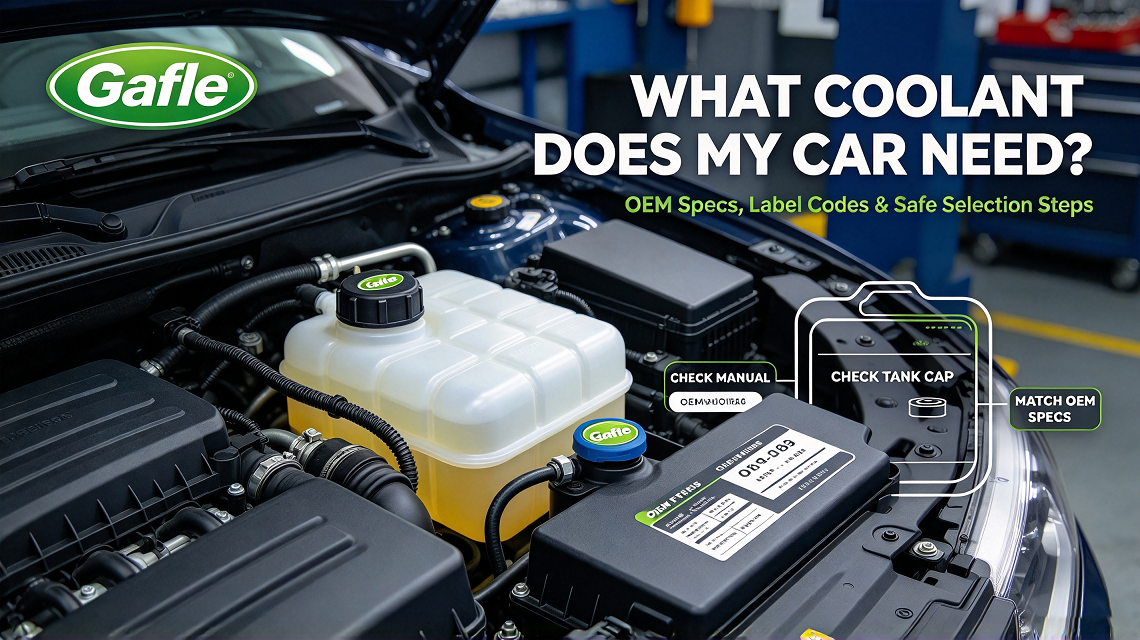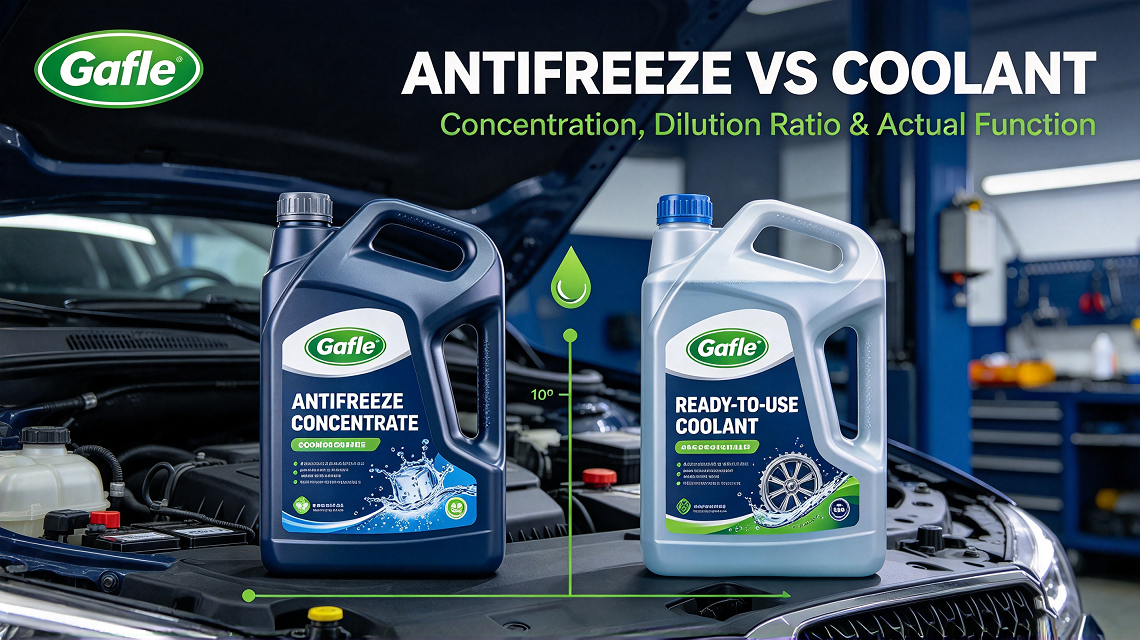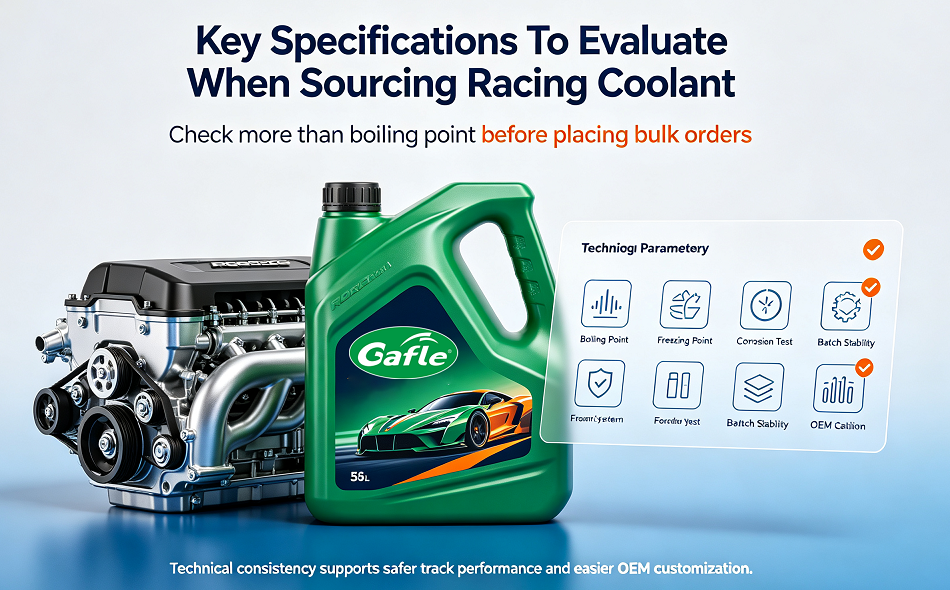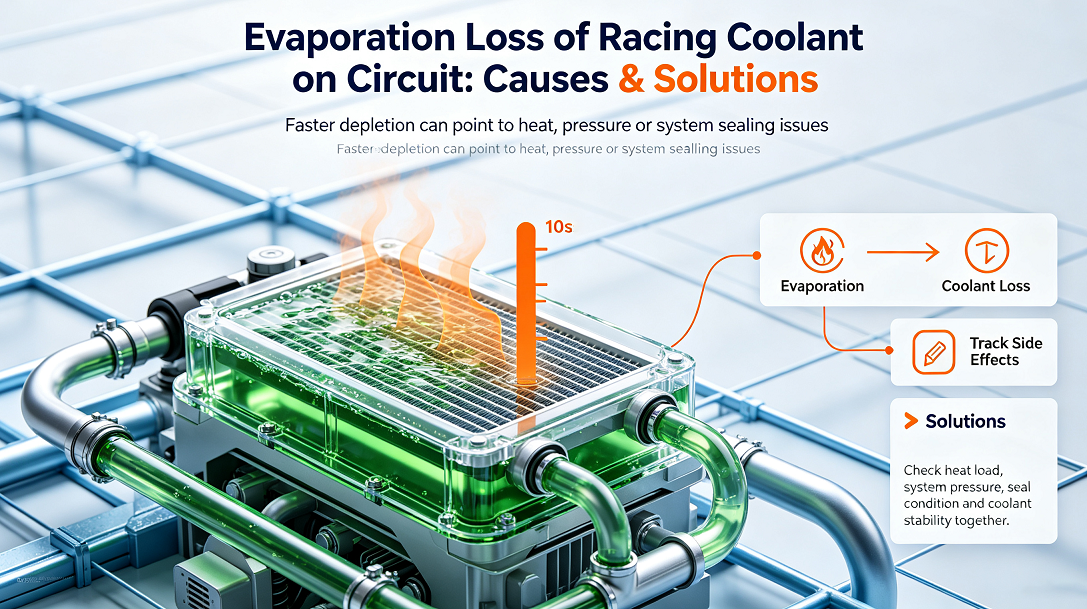
There is no single “universal best coolant” for all cars. The best coolant for any vehicle is the one that matches the OEM factory specification, and this should always be your first selection rule.
Many buyers chase “premium long-life coolant” blindly. A high-performance OAT coolant will not deliver benefits and may even trigger compatibility problems if poured into an older engine designed for traditional IAT coolant. Vehicle manufacturers test cooling fluid together with gaskets, seals, radiators and cylinder materials. Following the OEM requirement is the safest baseline.
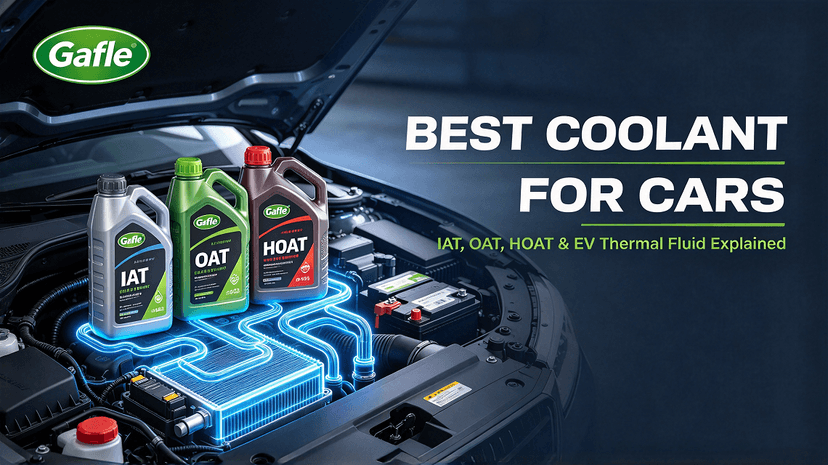
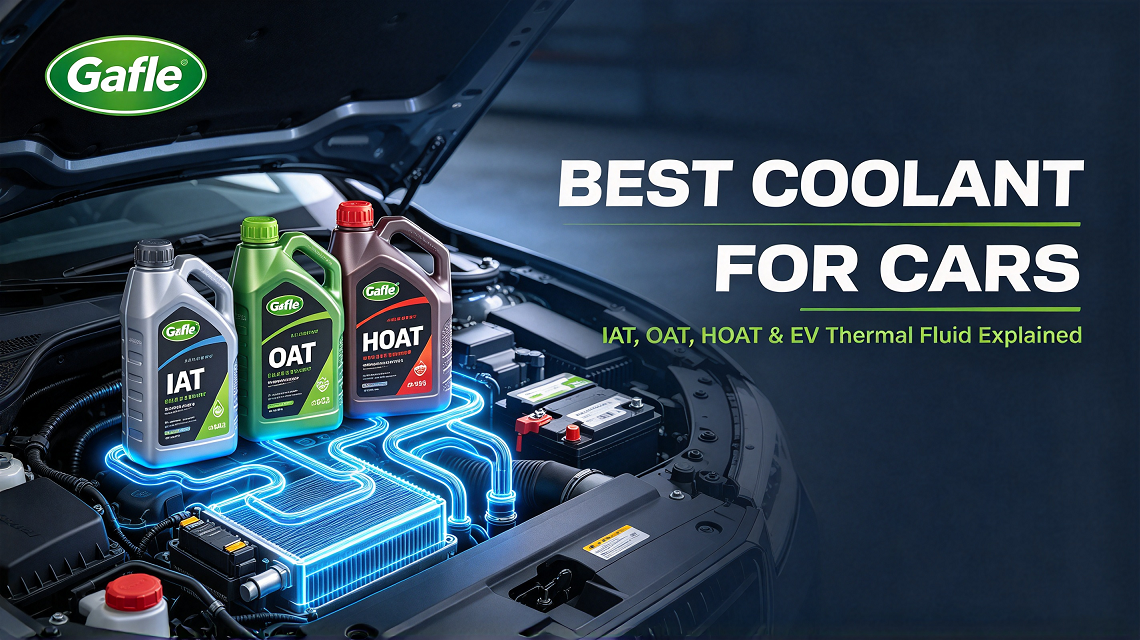
Three mainstream coolant technologies dominate the aftermarket: conventional IAT, long-life OAT, and hybrid HOAT, built for different generations of passenger cars.
IAT (Inorganic Additive Technology): usually green colored, short service life of 2 years / 40,000km, mainly for classic old gasoline cars with cast iron engines. OAT (Organic Acid Technology): the modern long-life coolant, orange, pink or red, 5 years / 240,000km service interval, widely used on most new Asian and American passenger cars. HOAT (Hybrid Organic Acid Technology): combines silicate and organic acid, typical yellow or purple, favored by many European car brands, balances long life and aluminum protection.
EV and hybrid vehicles form a separate category. They require special low-conductivity coolant for battery thermal management, instead of ordinary combustion-engine antifreeze.
Lithium battery packs need stable temperature control. Standard engine coolant has higher electrical conductivity and creates safety hazards when used in EV cooling loops. Gafle develops dedicated thermal management fluid for new energy vehicles with ultra-low conductivity formula, designed to maintain insulation while transferring heat. This is a fast-growing high-demand segment for auto parts distributors.
Key buying mistakes you need to avoid: never match coolant only by color, never mix different chemistry families casually, and always verify OEM compatibility approvals on product labels.
Color is just dye added for identification; two pink coolants can belong to totally incompatible additive systems. Mixing IAT and pure OAT coolant may form sludge or gel inside the radiator, blocking narrow cooling passages and causing overheating. Always check the label statement for compatible vehicle brands and specifications before recommendation.
For auto parts wholesalers, organize your inventory by coolant chemistry and vehicle application. Gafle’s coolant lineup covers conventional gasoline cars, hybrid models and new energy electric vehicles.
When your shop customers ask for the best coolant, guide them to check the owner’s manual first. Build your stock portfolio with IAT, universal OAT, HOAT and EV thermal fluid to serve mixed fleets. Clear application charts will help your sales team and technician clients choose correctly every time.
Welcome to contact GAFLE for more information & cooperation!
peter
ZHEJIANG GAFLE AUTO CHEMICL CO.,LTD
Tel:86-579-8222 1665
Fax:86-579-8246 4690
Cel/Wechart:86-13335993986
E-mail:peter@gafle.net
Web:www.gafle.net