Wholesale pricing in manufacturing: what buyers actually need to compare
When engineers, sourcing managers, and product teams talk about wholesale, they are usually not chasing the lowest number on a spreadsheet. They are trying to understand the full buying mechanism behind that number: how pricing changes by volume, how distributors are positioned, and whether the supply chain will still work when demand shifts. That is especially true in industrial categories where a simple line item can hide a lot of cost logic. A buyer looking at a distributor price list, for example, needs to know whether the quote reflects stock availability, packaging format, freight assumptions, or a temporary promotion that will disappear next month.
This matters because wholesale pricing is rarely just a discount off retail. In manufacturing, it is often a structure built around order size, service level, product family, and channel strategy. If you are comparing suppliers, the real decision is not “who is cheapest,” but “which pricing structure matches our usage pattern without creating supply risk.”
Why wholesale pricing is more complicated than it looks
A clean price sheet can be misleading. Two suppliers may both sell to distributors, yet one may bundle technical support, while another offers a lower line price but charges more for split shipments or small lots. In regulated or performance-sensitive categories, buyers also need to watch for formulation differences, packaging changes, and product line exclusions.
Take automotive and industrial fluids as a simple example. Brake fluid pricing and coolant price comparisons can look straightforward until you notice that some offers refer to bulk containers, others to packaged goods, and still others to mixed-case shipments. A lower sticker price may not survive once freight, pallet quantities, and handling are added. That is why experienced buyers tend to look at landed cost and replenishment reliability together.
Quick reference: what to compare in a wholesale quote
The fastest way to sort a quote is to check the commercial terms before you spend time debating unit price.
1. Pricing structure
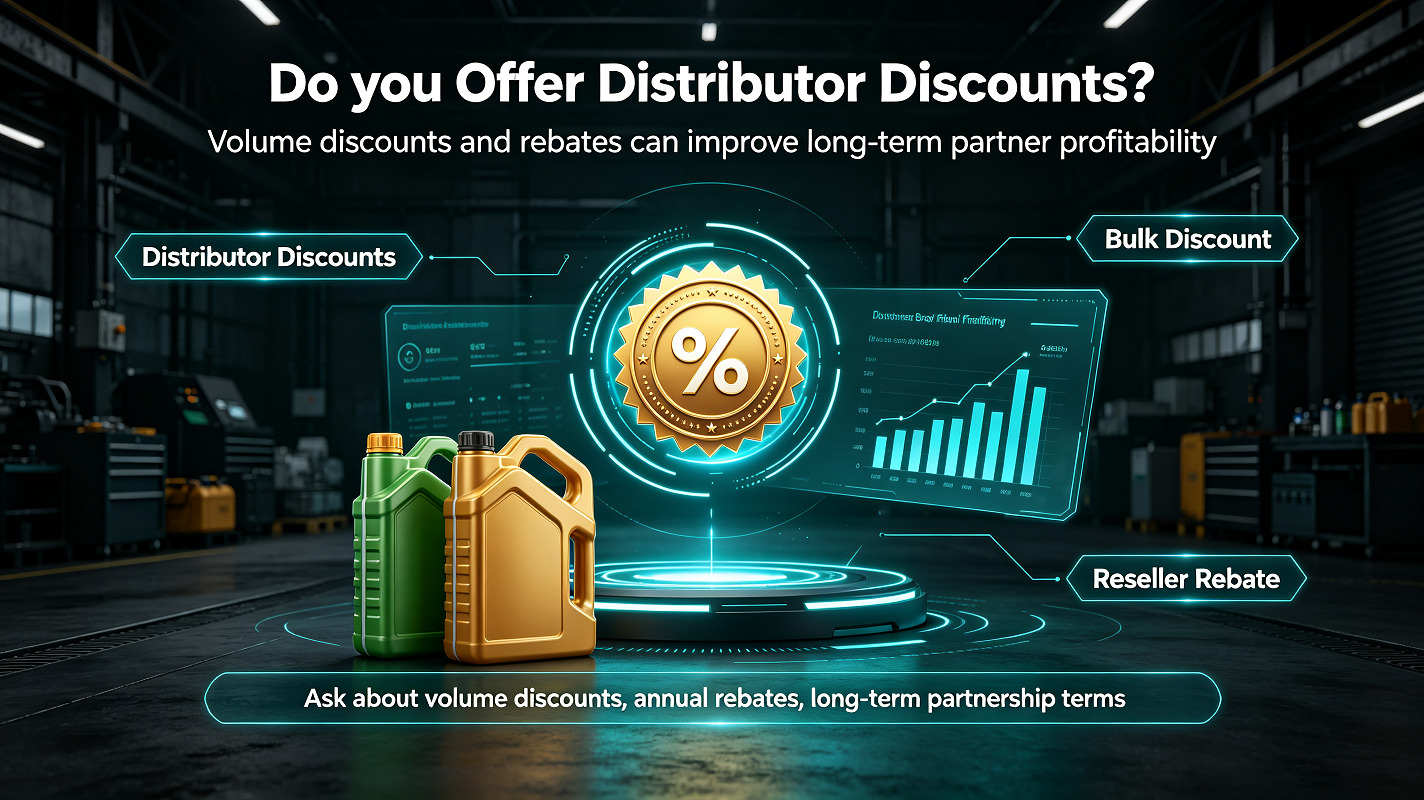
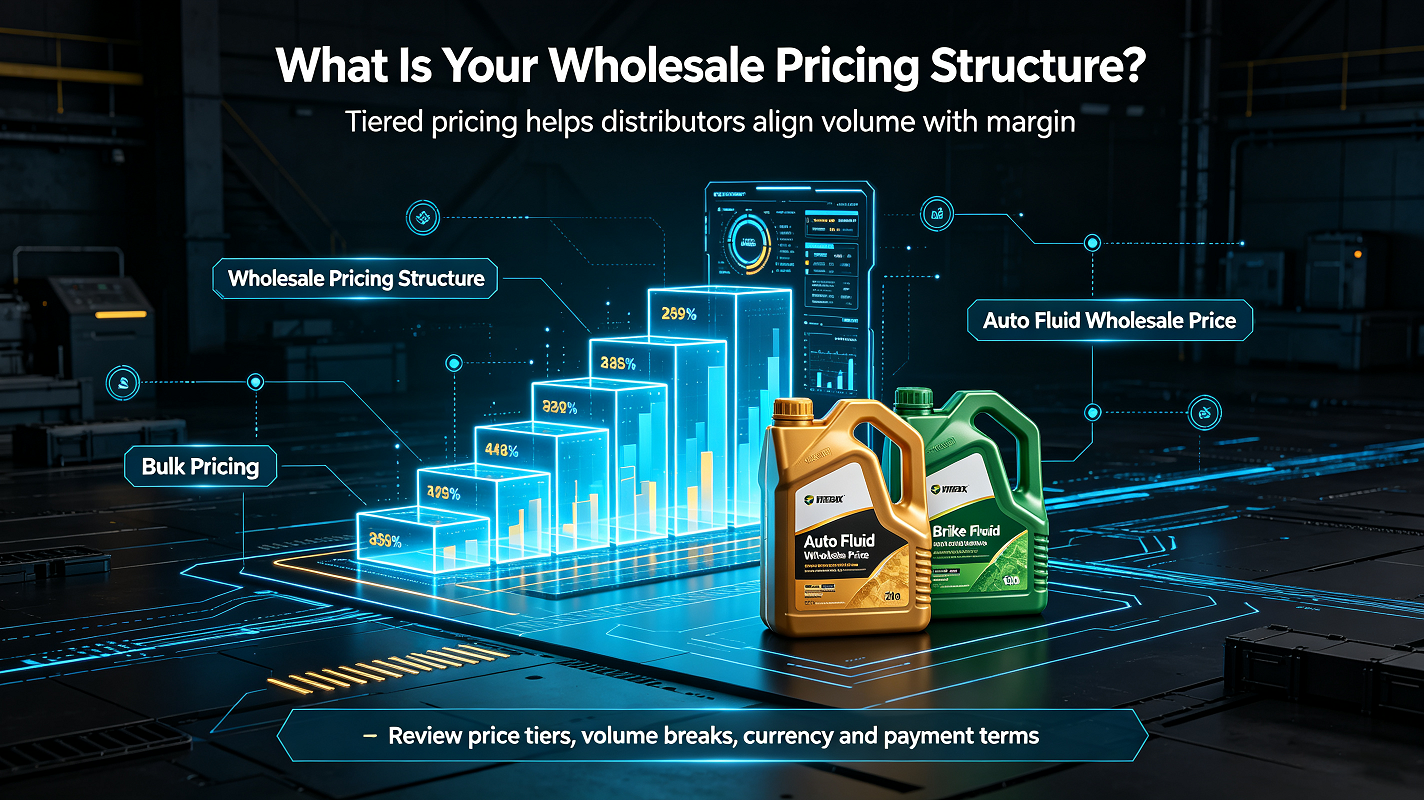
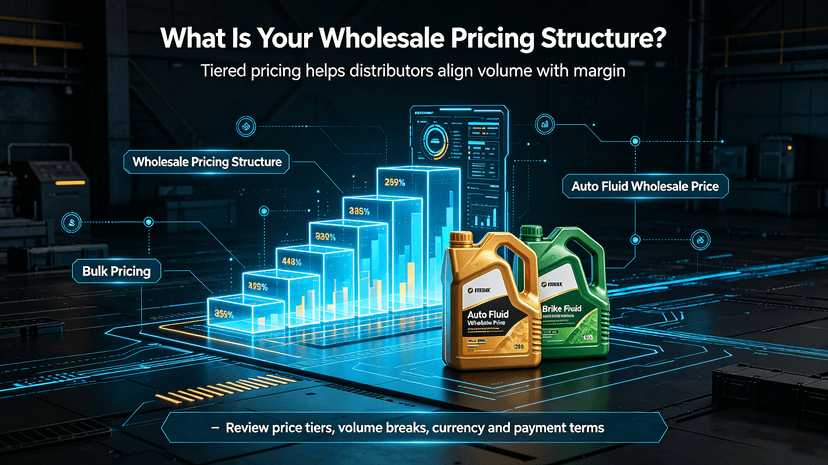
Ask how the price changes with order volume. A true tiered wholesale pricing for distributors model should be understandable without a separate phone call every time quantities change. If the structure is opaque, planning gets messy fast.
2. Channel position
Determine whether the seller is a manufacturer, master distributor, regional distributor, or reseller. Each role can affect margin room, stock depth, and how stable the distributor price list really is.
3. Product format
Compare the same pack size, same grade, same container, and same delivery term. This sounds basic, but it is where many purchasing mistakes start. The cheapest quote is often just a different unit of measure.
4. Service scope
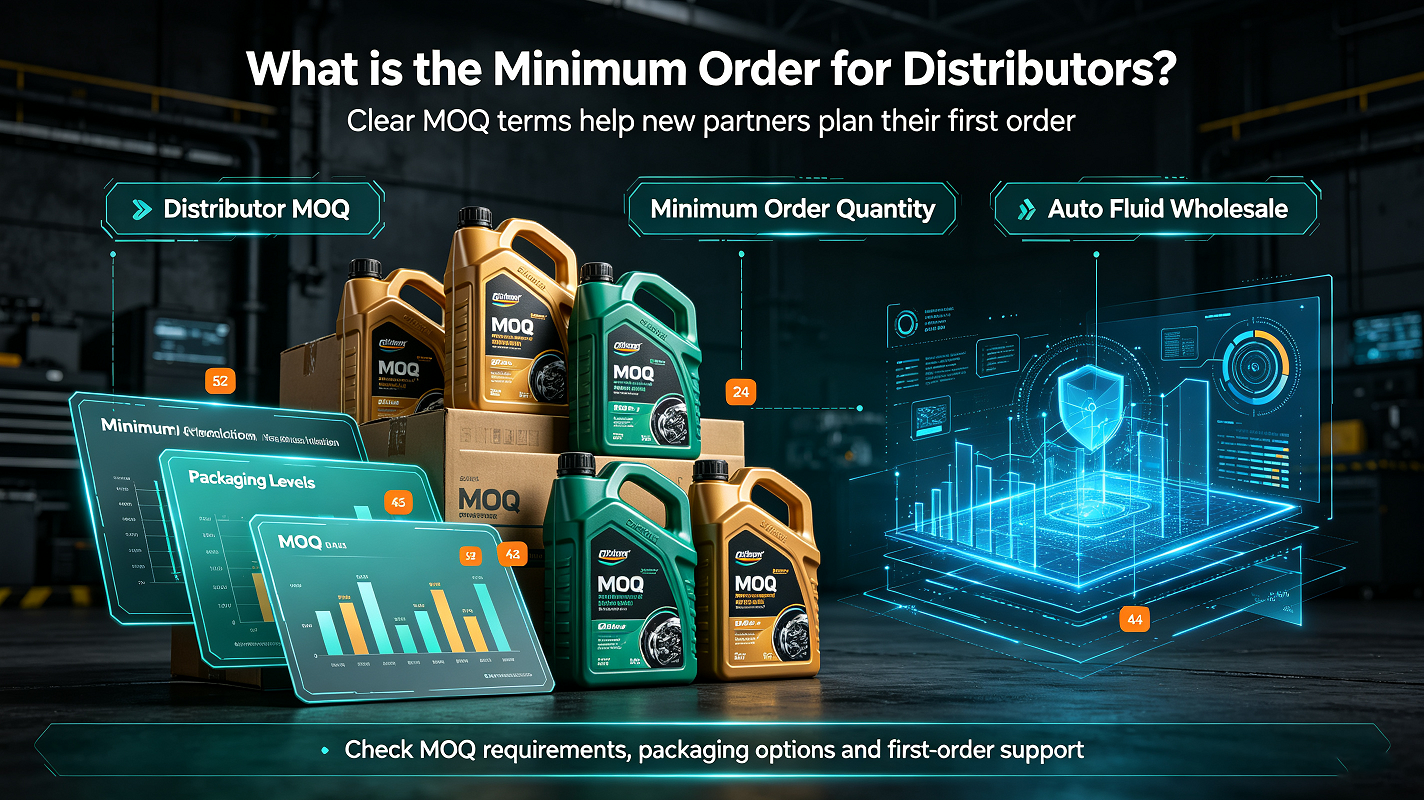
Technical support, documentation, storage requirements, and minimum order quantities all influence the real cost of buying at wholesale.
How distributors and buyers use tiered pricing
Tiered pricing exists for one reason: to reward predictability. The supplier wants stable volume and lower selling costs per unit. The buyer wants better margin or a lower acquisition cost as commitment increases. In practice, this can work well if the tiers are logical and the rules are not changed too often.
A buyer should read the pricing ladder carefully. If the first tier is easy to reach but the next tier requires a much larger jump, the structure may be less about partnership and more about pushing inventory. That is not always a bad thing, but it should be recognized for what it is.
There is also a common trap here. Some teams focus on the headline discount and ignore how often they can realistically hit the next volume band. A pricing structure that looks generous on paper can become useless if demand is seasonal or forecast accuracy is uneven.
Practical buyer advice before signing off on wholesale supply
If you are building a sourcing decision, start with use case, not price. Ask whether the product will be stocked for regular replenishment, used in production, or resold through a channel. Then check whether the wholesale terms support that model.
A few practical cautions help:
- Compare like with like, especially for packaged fluids and other specification-sensitive goods.
- Confirm whether the distributor price list is current or simply a reference sheet.
- Watch for tier breakpoints that encourage oversizing orders.
- Treat unusually low Brake fluid pricing or coolant price offers with caution if technical data, packaging details, or supply continuity are vague.
- If the supply chain is tight, a slightly higher price from a reliable channel can be the cheaper choice overall.
Common mistakes buyers still make
One of the most common errors is assuming all wholesale offers are equally negotiable. They are not. Some categories have firm channel controls, while others allow more room for volume-based concessions. Another mistake is negotiating unit price while ignoring order frequency. If you need weekly replenishment, the supplier’s ability to hold stock may matter more than a small discount.
Teams also sometimes copy a competitor’s buying pattern without checking whether their own consumption profile matches. That creates inventory drift, unnecessary carrying cost, and, occasionally, waste.
What a good wholesale decision looks like
A sound wholesale decision should answer three questions clearly: Can we buy it in the quantities we need, at a price structure we understand, with supply that fits our operating rhythm? If the answer is yes, the deal is probably workable. If one of those answers is vague, the quote needs another round of scrutiny.
For sourcing teams, the goal is not just to secure a lower line item. It is to build a buying pattern that survives real production schedules, real customer demand, and the occasional disruption that every plant eventually sees.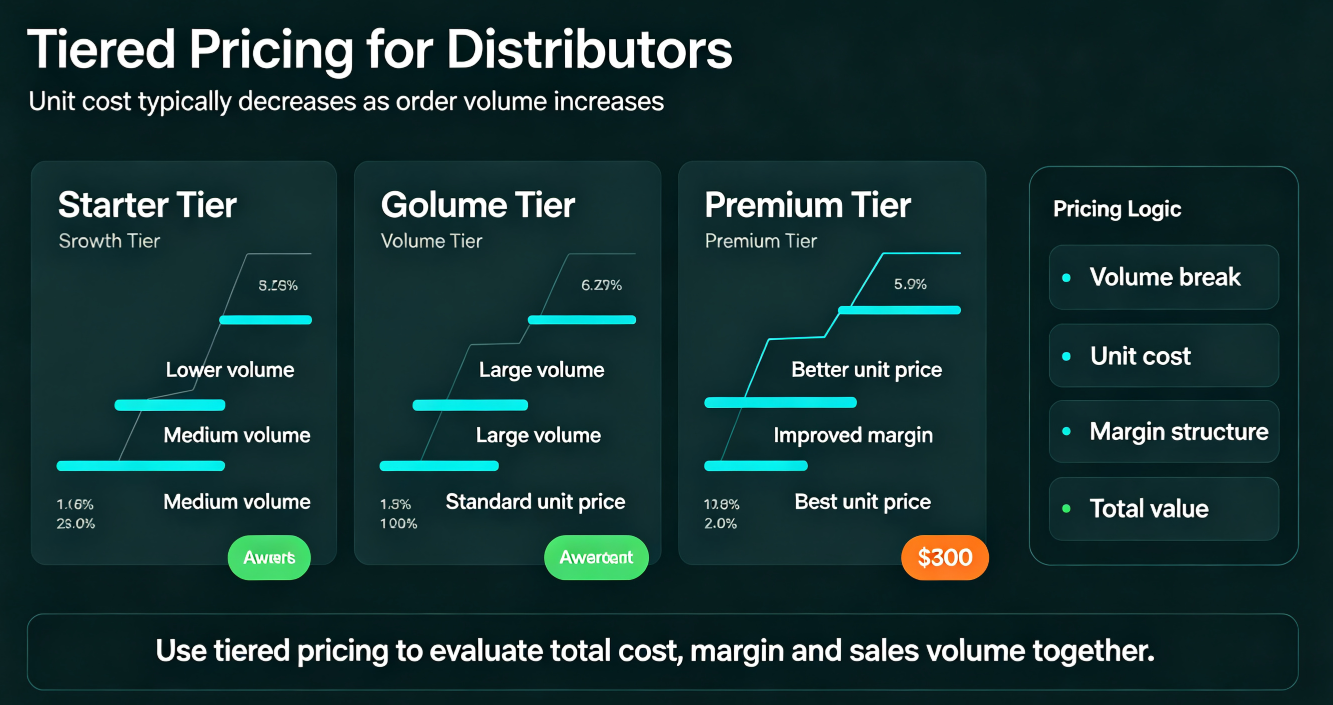
Next step for buyers
Before approving your next wholesale order, compare the distributor price list against the actual pack size, shipping terms, and expected replenishment cycle. If the pricing structure still looks attractive after that check, you are probably looking at a supplier worth serious consideration. If not, keep moving. A clean quote is useful only when it fits the way your operation really buys.
Welcome to contact GAFLE for more information & cooperation!
peter
ZHEJIANG GAFLE AUTO CHEMICL CO.,LTD
Tel:86-579-8222 1665
Fax:86-579-8246 4690
Cel/Wechart:86-13335993986
E-mail:peter@gafle.net
Web:www.gafle.net