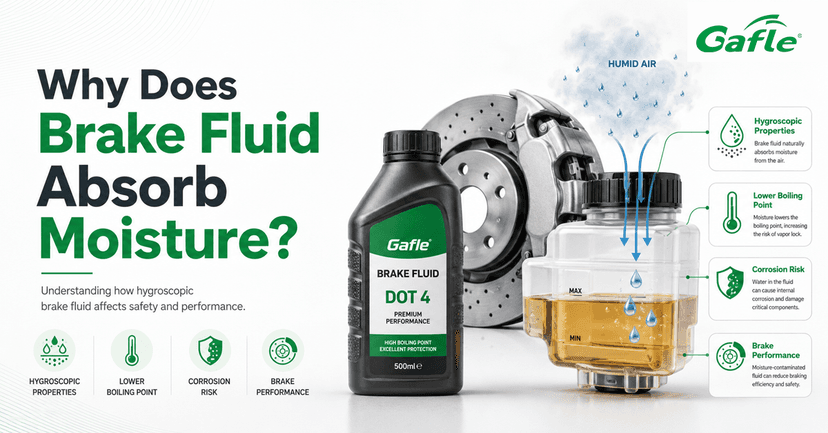
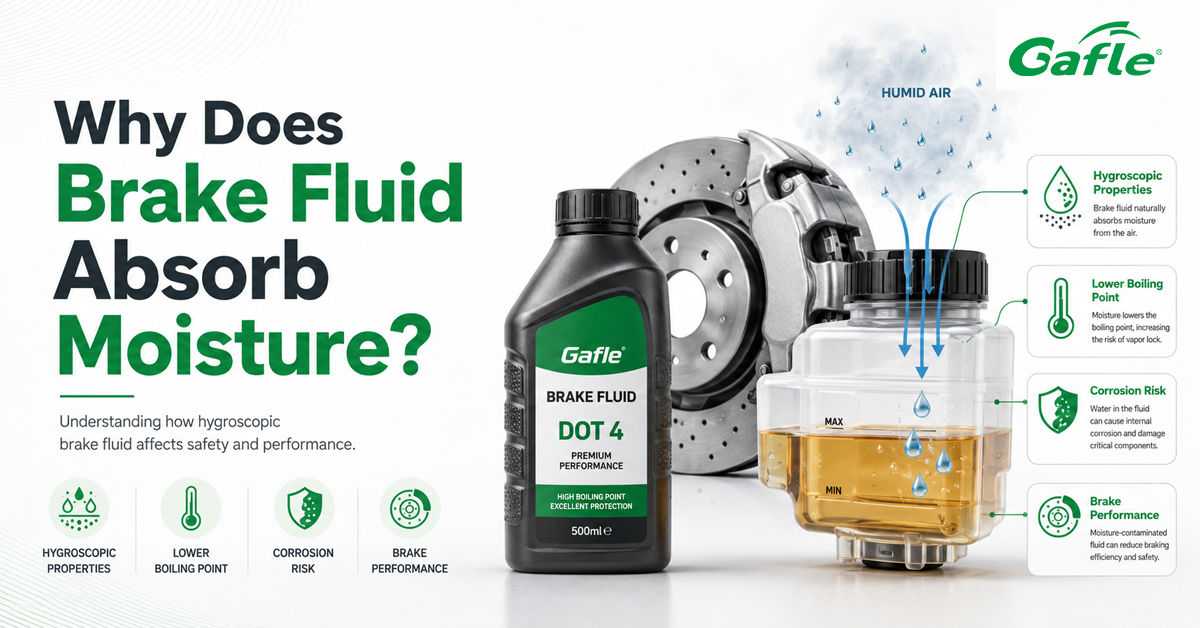
 Why Does Brake Fluid Absorb Moisture?
Brake fluid is one of the most important safety fluids in a vehicle. It transfers hydraulic pressure from the brake pedal to the braking components, helping the vehicle slow down and stop effectively.
However, many drivers and even some distributors overlook one important characteristic: most commonly used brake fluids absorb moisture over time.
This is why terms such as Hygroscopic Brake Fluid, Moisture in Brake Fluid, and Brake Fluid Water Contamination are closely connected to brake maintenance and braking safety.
As a professional Brake Fluid Manufacturer, Gafle understands how moisture affects brake fluid performance. In this article, we explain why brake fluid absorbs water, how moisture enters the braking system, what happens to the Brake Fluid Boiling Point, and how vehicle owners and automotive businesses can reduce the risks.
What Does Hygroscopic Brake Fluid Mean?
A Hygroscopic Brake Fluid is a fluid that naturally attracts and absorbs moisture from the surrounding environment.
Most conventional DOT 3, DOT 4, and DOT 5.1 brake fluids are glycol-based and hygroscopic. Even though the braking system is designed to be closed, it is not completely isolated from the atmosphere.
Over time, small amounts of moisture may enter through:
- The brake fluid reservoir cap
- Rubber hoses and seals
- Microscopic openings in the hydraulic system
- Maintenance and repair procedures
- Improperly sealed product containers
The absorbed moisture gradually mixes with the brake fluid instead of remaining completely separated.
Why Is Brake Fluid Designed to Absorb Moisture?
At first, it may seem like moisture absorption is entirely negative. However, the hygroscopic nature of glycol-based brake fluid also serves an important purpose.
If small amounts of water remained as separate droplets inside the brake system, the water could collect in low areas and cause localized problems.
These problems may include:
- Freezing in extremely cold conditions
- Localized corrosion
- Sudden boiling near hot brake components
- Unstable hydraulic performance
By absorbing moisture and distributing it more evenly, brake fluid helps reduce the formation of concentrated water pockets.
However, once the total moisture content becomes too high, the disadvantages begin to outweigh this benefit.
How Does Moisture Get into Brake Fluid?
Through the Brake Fluid Reservoir
The reservoir is not completely airtight. Moisture can enter through the cap or venting system during normal use.
Through Rubber Components
Brake hoses and seals may allow very small amounts of moisture to pass through over long periods.
During Brake System Maintenance
Opening the reservoir or hydraulic system exposes the fluid to humid air. Dirty or wet tools can also introduce contamination.
Through Improper Storage
An opened brake fluid bottle can absorb moisture directly from the atmosphere.
This is why brake fluid containers should be closed tightly and stored in a clean, dry environment.
Through Damaged Seals
Aging or damaged seals may allow more moisture and contaminants to enter the braking system.
What Happens When There Is Moisture in Brake Fluid?
The presence of Moisture in Brake Fluid can affect several important performance characteristics.
1. The Boiling Point Decreases
The most important consequence is a reduction in the Brake Fluid Boiling Point.
During repeated or heavy braking, calipers and other brake components generate significant heat. Brake fluid must remain liquid under these conditions.
When moisture content increases, the fluid can begin to boil at a lower temperature.
If vapor forms, it can be compressed more easily than liquid. This may cause:
- A soft or spongy brake pedal
- Delayed braking response
- Brake fade
- Reduced hydraulic pressure
- Longer stopping distance
This is one reason why brake fluid is evaluated by both dry and wet boiling points.
Dry Boiling Point vs Wet Boiling Point
Dry Boiling Point
The dry boiling point refers to the boiling performance of fresh brake fluid with very little moisture contamination.
It represents the fluid’s initial high-temperature capability.
Wet Boiling Point
The wet boiling point represents brake fluid performance after it has absorbed a defined amount of moisture.
This value is important because brake fluid normally absorbs water during service.
A reliable brake fluid should maintain adequate performance even after moisture exposure.
2. Internal Corrosion May Develop
Brake Fluid Water Contamination may increase the risk of corrosion inside the braking system.
Potentially affected components include:
- Master cylinders
- Steel brake lines
- Brake calipers
- Wheel cylinders
- ABS hydraulic units
- Internal valves and pistons
Corrosion may damage sealing surfaces, restrict fluid passages, and shorten the life of expensive braking components.
High-quality brake fluid contains corrosion inhibitors, but these additives may become less effective as the fluid ages and contamination increases.
3. Braking Response May Become Less Consistent
Brake fluid must transmit pressure quickly and reliably.
As moisture content rises and the fluid degrades, drivers may notice:
- Increased pedal travel
- Inconsistent pedal feel
- Reduced responsiveness
- Poorer performance during heavy braking
These symptoms may also be caused by other brake-system issues, so professional inspection is recommended.
4. Low-Temperature Performance Can Be Affected
Brake fluid must remain fluid in cold environments.
Excessive contamination or degradation may affect viscosity and reduce hydraulic response, particularly in vehicles equipped with ABS and electronic stability systems.
Modern hydraulic control systems contain small valves and channels that require stable fluid performance at different temperatures.
Signs of Moisture in Brake Fluid
Common warning signs include:
- Dark or cloudy brake fluid
- A soft or spongy pedal
- Reduced braking performance
- Longer stopping distance
- Brake or ABS warning light
- Visible sediment in the reservoir
- Poor results from a brake fluid moisture test
Color alone cannot confirm moisture content, but major changes in appearance are a reason to inspect the fluid.
How Is Brake Fluid Moisture Tested?
A Brake Fluid Moisture Test can help determine whether the fluid requires replacement.
Electronic Moisture Testers
These tools estimate water content based on the electrical properties of the fluid.
They are convenient for workshop inspections, but results should be interpreted carefully because different formulations may produce different readings.
Boiling Point Testers
A boiling point tester evaluates the fluid’s actual boiling performance.
This can provide a more direct indication of whether moisture and degradation have reduced high-temperature safety.
Laboratory Testing
Professional laboratories may evaluate:
- Water content
- Dry boiling point
- Wet boiling point
- Low-temperature viscosity
- pH value
- Corrosion resistance
- Chemical stability
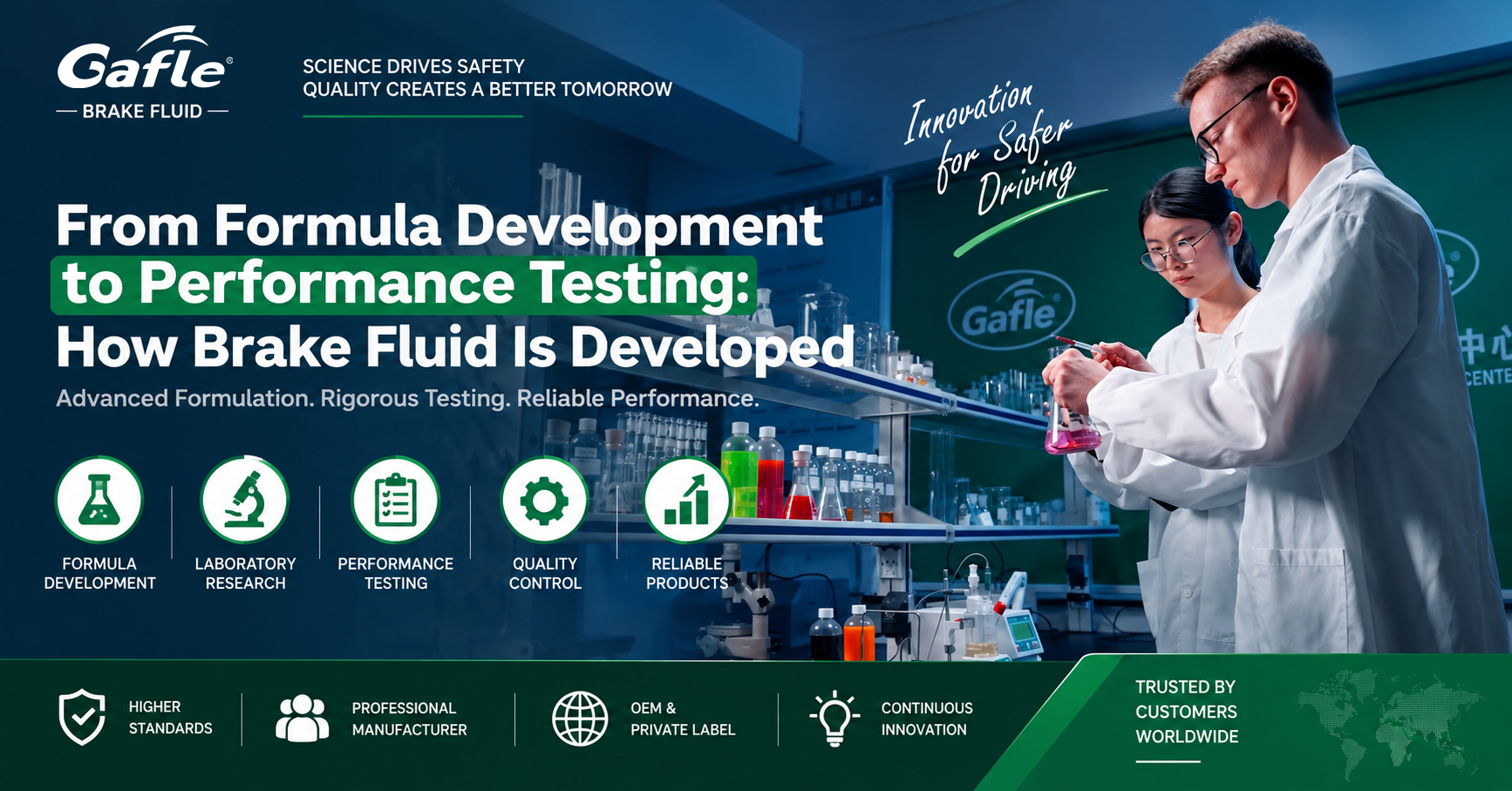
For a Brake Fluid Manufacturer, laboratory testing is essential for confirming batch quality and compliance with product specifications.
How Often Should Brake Fluid Be Replaced?
There is no single replacement interval that applies to every vehicle.
The correct interval depends on:
- Vehicle manufacturer recommendations
- Climate and humidity
- Driving conditions
- Vehicle usage
- Brake-system design
- Fluid condition
- Test results
Many manufacturers use time-based replacement recommendations, but the vehicle owner’s manual should always be checked.
Vehicles used in humid climates, heavy traffic, mountainous areas, towing, or commercial service may require more frequent inspection.
Why Topping Up Is Not the Same as Replacing Brake Fluid
Adding fresh brake fluid does not remove moisture already present in the system.
Topping up may correct the fluid level, but it does not eliminate:
- Water contamination
- Oxidized fluid
- Dirt and particles
- Corrosion products
- Degraded additives
If the fluid has deteriorated, the system may require complete replacement or flushing.
A low reservoir level should also be investigated, because it may indicate brake-pad wear or leakage.
How to Reduce Brake Fluid Water Contamination
Keep Containers Sealed
Brake fluid begins absorbing moisture once the container is opened.
Always close the cap tightly after use.
Avoid Long-Term Storage of Opened Fluid
An opened container should not be stored indefinitely, especially in humid conditions.
Use Clean and Dry Tools
Funnels, filling equipment, and service tools must be free from water, oil, dust, and other contaminants.
Follow the Correct Service Procedure
The reservoir should remain open for the shortest possible time during maintenance.
Use the Correct Brake Fluid Specification
Always follow the vehicle manufacturer’s required DOT specification.
Inspect the Braking System Regularly
Damaged seals, hoses, or reservoir caps should be repaired promptly.
Why Brake Fluid Quality Matters
Not all brake fluids offer the same level of performance.
A high-quality product should provide:
- A stable dry boiling point
- A reliable wet boiling point
- Good low-temperature fluidity
- Strong corrosion protection
- Chemical stability
- Compatibility with seals and rubber components
- Consistent batch quality
These properties help maintain dependable braking performance throughout the service life of the fluid.
What Importers Should Ask a Brake Fluid Manufacturer
For importers, distributors, and private-label brands, choosing a qualified Brake Fluid Manufacturer is essential.
Important questions include:
- Which brake fluid specifications does the factory produce?
- Does the factory test dry and wet boiling points?
- How are raw materials controlled?
- Is every production batch tested?
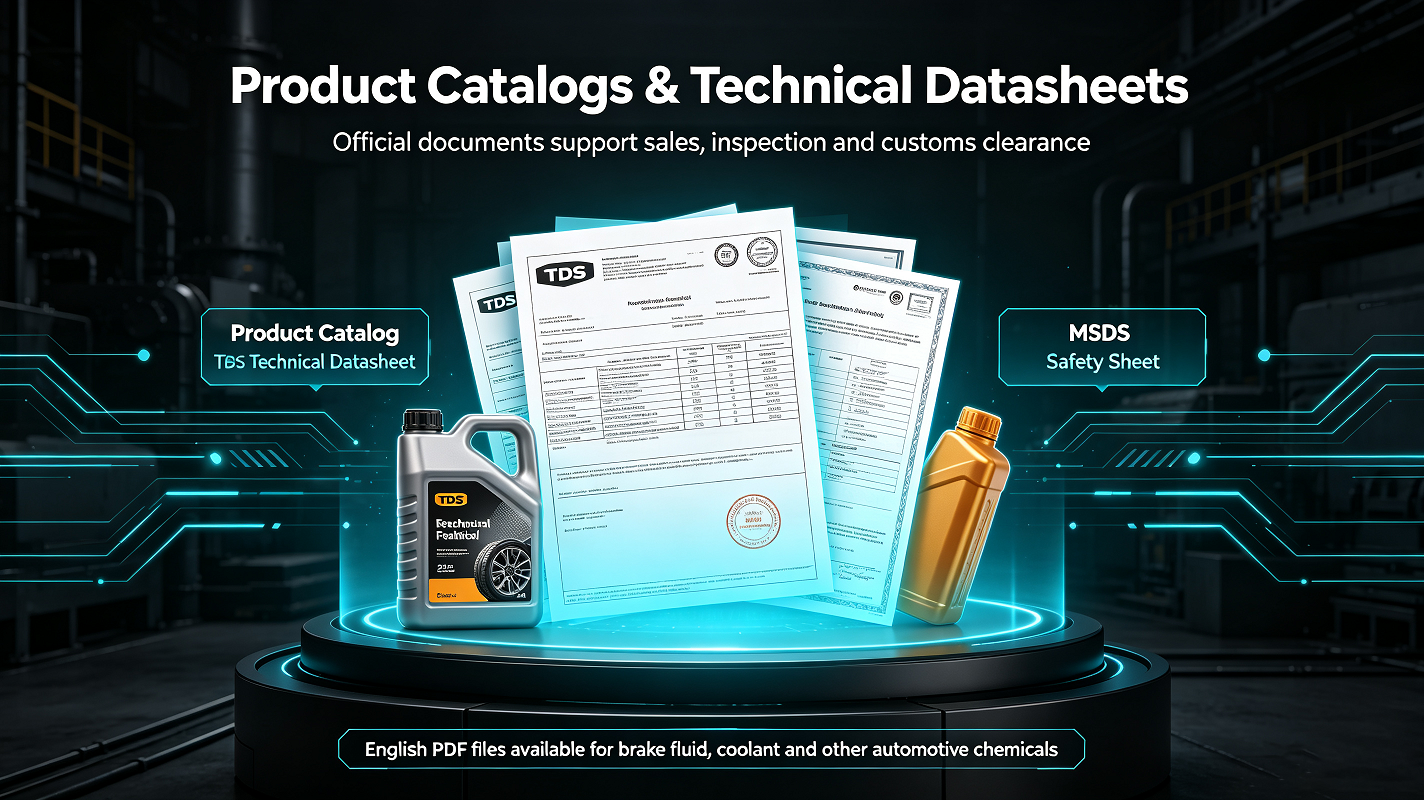
- Can the manufacturer provide a Certificate of Analysis?
- How is moisture controlled during blending and filling?
- Are finished products stored in sealed packaging?
- Does the factory offer OEM and private-label services?
The answers can help buyers evaluate technical capability and quality reliability.
Moisture Control During Brake Fluid Manufacturing
Moisture control should begin before the brake fluid reaches the vehicle.
A professional manufacturing process may include:
- Controlled raw-material storage
- Sealed transfer systems
- Clean blending equipment
- Humidity-conscious production procedures
- Accurate laboratory testing
- Tight container sealing
- Packaging inspection
- Batch traceability
Poor moisture control during manufacturing or filling can affect product performance before it reaches the customer.
At Gafle Brake Fluid Factory, moisture control is integrated into raw-material management, production, testing, filling, and packaging.
Gafle Brake Fluid Factory
Gafle has focused on brake fluid manufacturing for more than 20 years.
Our capabilities include:
- DOT 3, DOT 4, and DOT 5.1 brake fluid
- In-house laboratory testing
- Dry and wet boiling point evaluation
- Low-temperature viscosity testing
- Corrosion and chemical stability testing
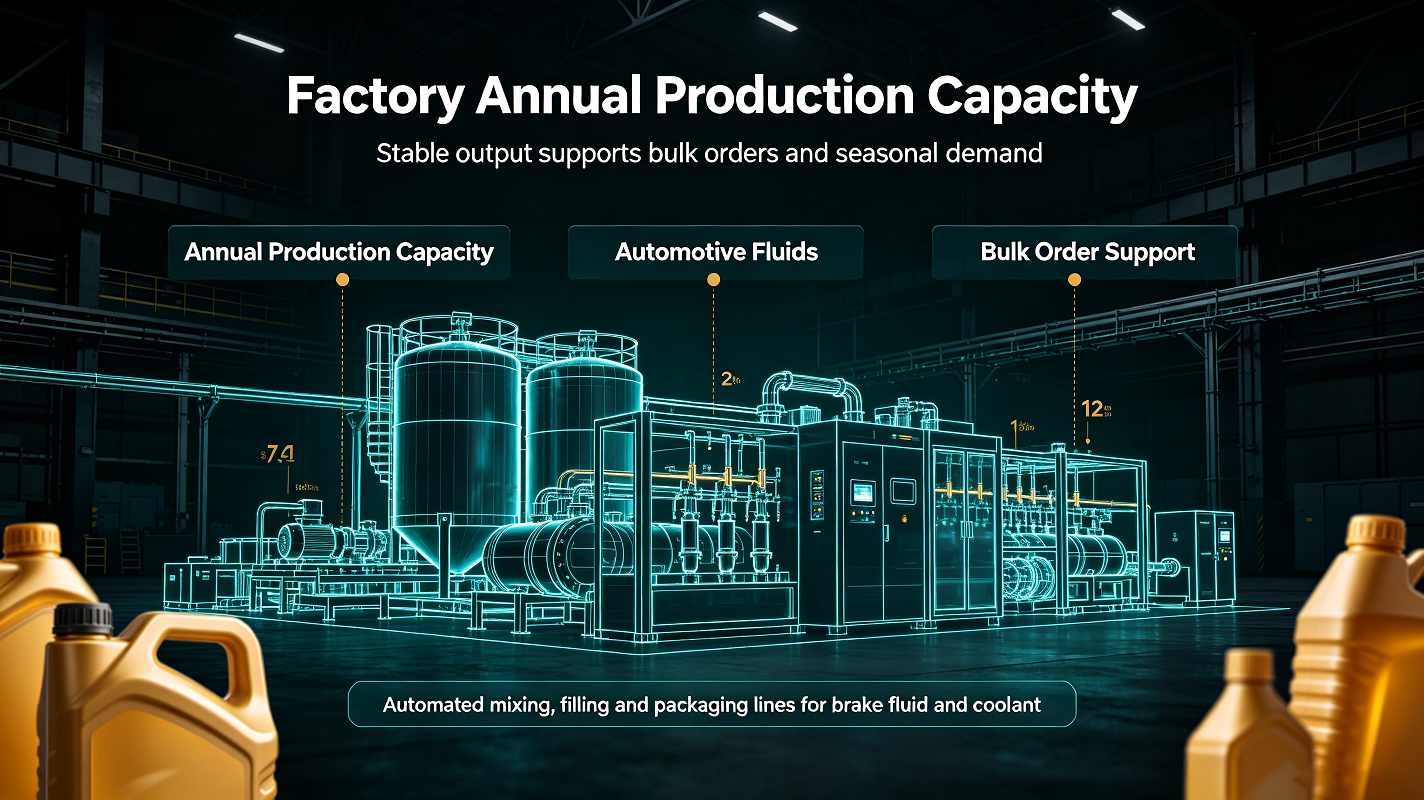
- Controlled production and filling
- Batch traceability
- OEM and ODM services
- Private-label packaging
- International export support
As a specialized Brake Fluid Manufacturer, Gafle supports importers, distributors, and automotive brands with stable quality and reliable production.
OEM and Private-Label Brake Fluid Solutions
For customers building their own brands, Gafle provides flexible OEM and private-label services.
Support may include:
- Product specification selection
- Customized bottle sizes
- Label and carton customization
- Brand packaging development
- Batch testing
- Certificates of Analysis
- Export documentation
- Long-term production planning
A reliable manufacturing partner can help importers reduce quality risks while creating a competitive brake fluid product line.
Frequently Asked Questions
Does all brake fluid absorb moisture?
Most glycol-based DOT 3, DOT 4, and DOT 5.1 brake fluids are hygroscopic. Silicone-based DOT 5 behaves differently.
Is moisture in brake fluid always dangerous?
Small amounts accumulate gradually, but excessive moisture can lower the boiling point and increase corrosion risk.
Can brake fluid absorb water through a sealed system?
Yes. Moisture may enter slowly through seals, hoses, the reservoir cap, and during servicing.
Can I test brake fluid only by looking at the color?
No. Visual inspection is useful, but moisture or boiling-point testing provides more meaningful information.
Does fresh brake fluid remove moisture from old fluid?
No. Adding fresh fluid does not remove contaminated fluid already inside the braking system.
Can DOT 3 and DOT 4 absorb moisture?
Yes. Both are generally glycol-based and hygroscopic.
Conclusion
So, Why Does Brake Fluid Absorb Moisture?
Most conventional brake fluids are intentionally hygroscopic. They absorb and distribute small amounts of water instead of allowing separate water pockets to form inside the braking system.
However, as Moisture in Brake Fluid increases, the Brake Fluid Boiling Point decreases, corrosion risk rises, and braking performance may become less reliable.
Regular inspection, a professional Brake Fluid Moisture Test, proper storage, and timely replacement can help reduce the effects of Brake Fluid Water Contamination.
For importers and automotive brands, choosing a dependable Brake Fluid Manufacturer is equally important. Through controlled production, laboratory testing, moisture management, and batch traceability, Gafle Brake Fluid Factory provides reliable OEM and private-label brake fluid solutions for global customers.