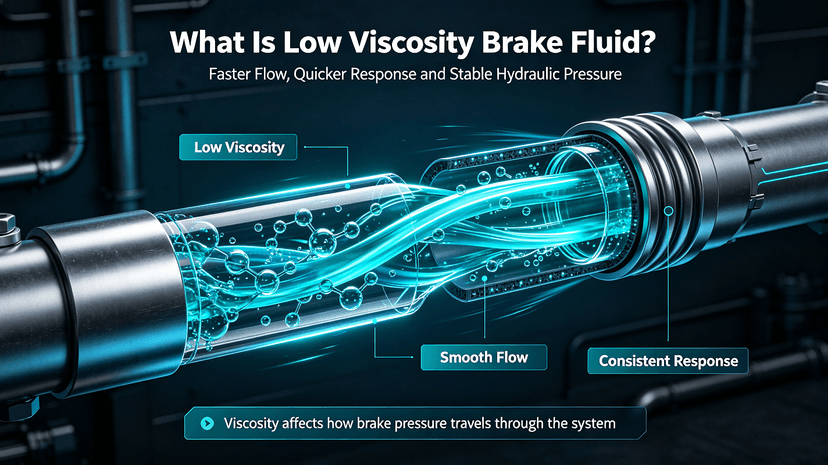
Why low viscosity brake fluid matters in modern braking systems
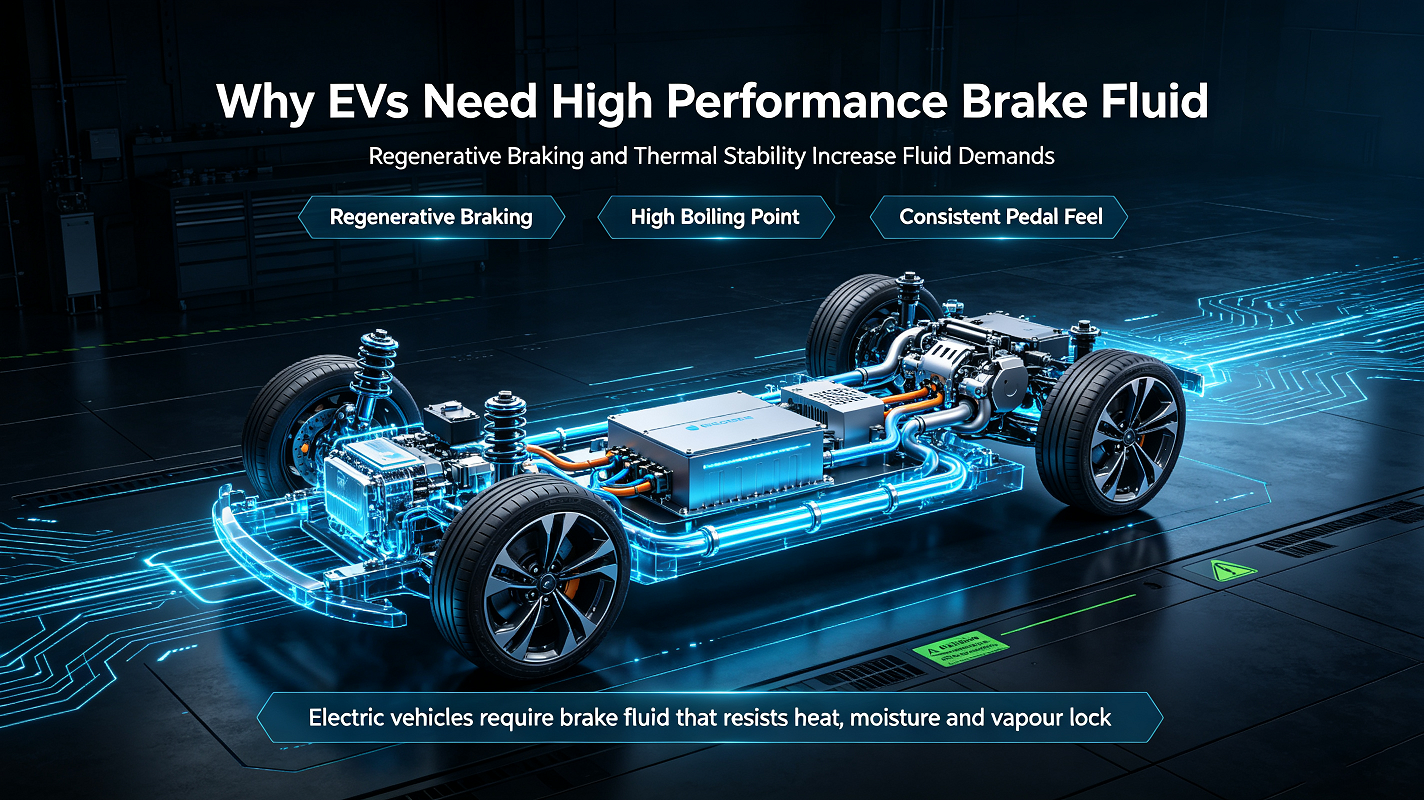
Low viscosity brake fluid has become a practical design choice as braking systems get more complex, especially in vehicles that depend on fast-acting ABS, ESC, and other electronic control functions. For engineers and sourcing teams, the question is not simply whether a fluid meets a specification; it is whether that fluid can move quickly enough through fine passages, valves, and modulators when temperatures drop and response time matters. That is where low viscosity brake fluid earns its place.
The topic sounds narrow, but it affects a broad set of decisions: winter braking performance, pedal feel, system response, compatibility with seal materials, and long-term service behavior. Buyers who treat brake fluid as a commodity often miss the real issue. A fluid that looks acceptable on paper may still create sluggish hydraulic response in cold conditions. In a modern braking circuit, that is not a small detail.
Quick reference: what buyers are really comparing
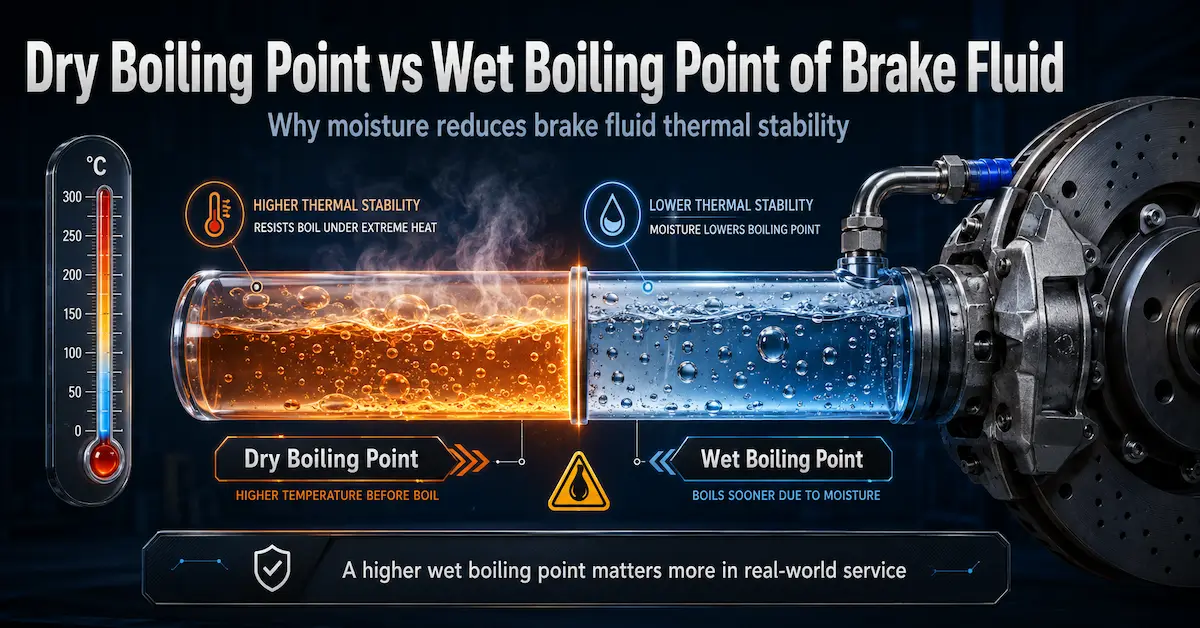
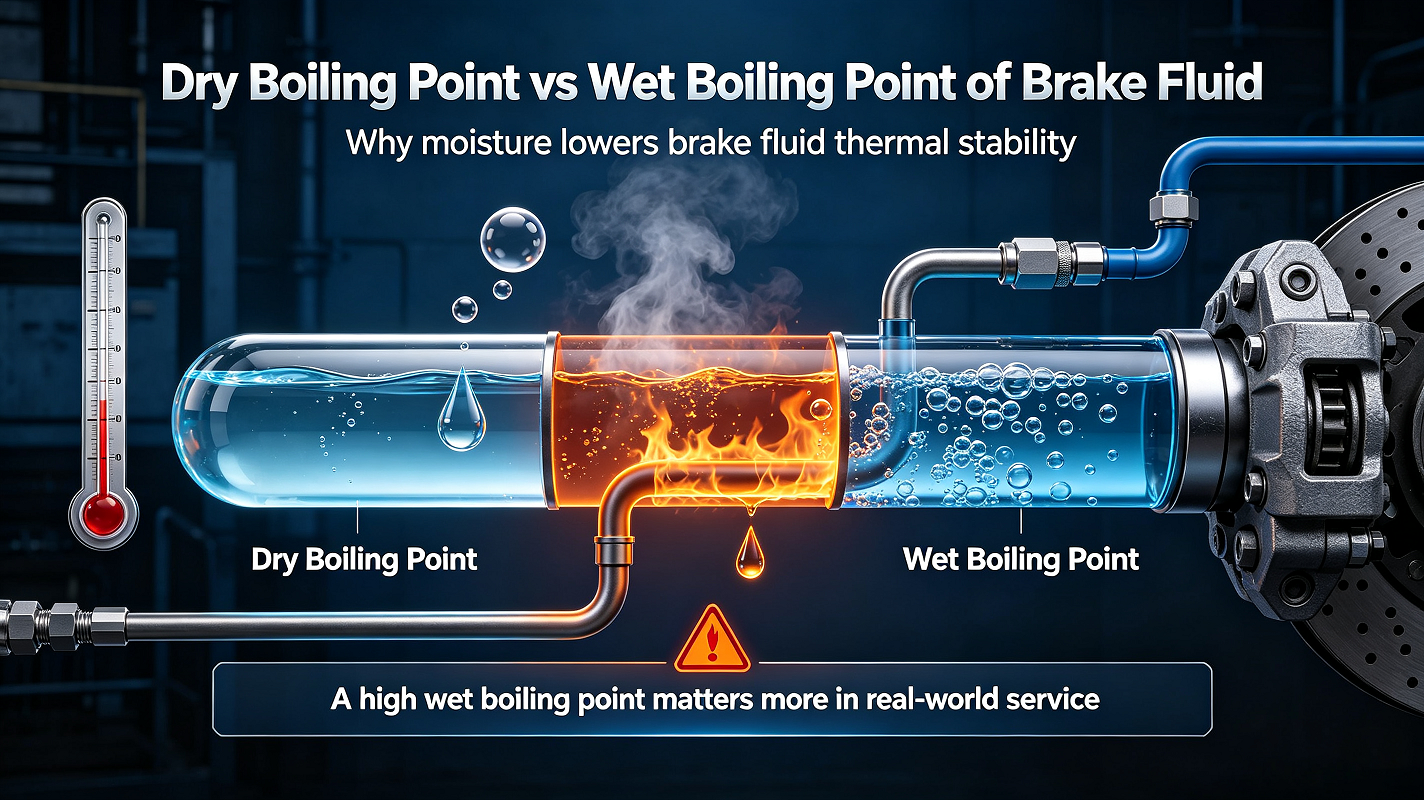
When teams evaluate brake fluids, they are usually weighing three practical concerns: viscosity at low temperature, boiling performance, and compatibility with the system design. Low-temperature flow is especially important in vehicles with narrow channels and precise control modules. If a fluid thickens too much in winter, it can slow pressure transfer and reduce the effectiveness of electronic safety systems.
The advantages of low viscosity brake fluid are most visible in cold climates and in systems designed around quick hydraulic modulation. The tradeoff is that buyers must be more careful about matching the fluid to the required brake fluid specification. A low-viscosity product is not automatically the right product for every vehicle or platform.
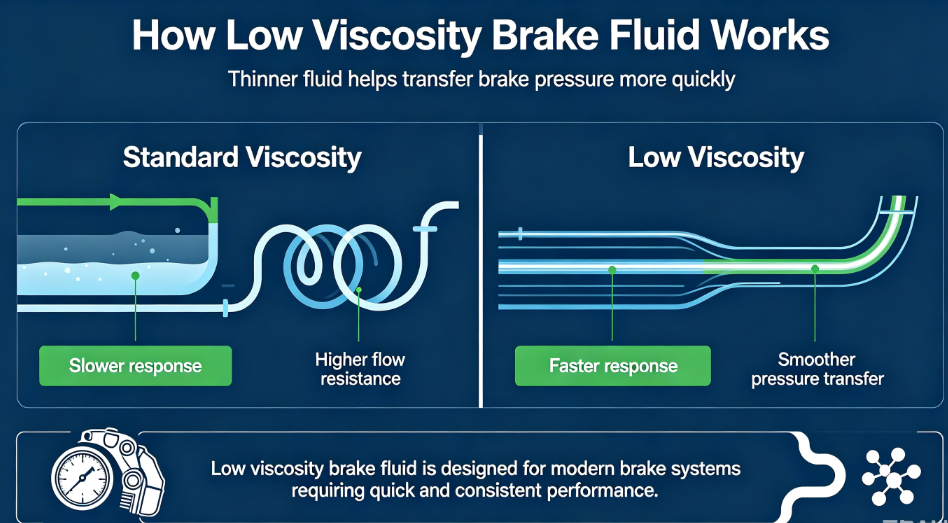
Low viscosity brake fluid working principle
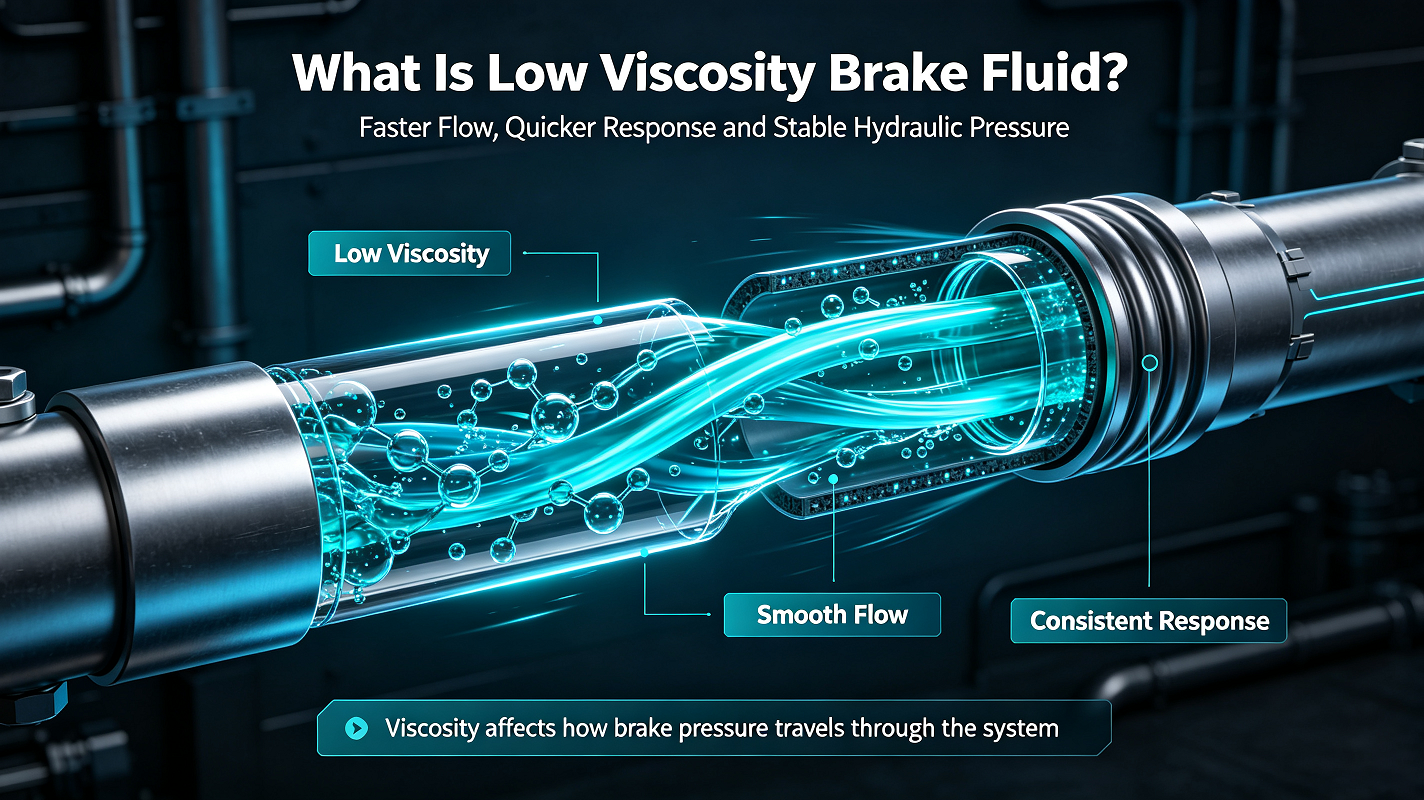
The low viscosity brake fluid working principle is straightforward: by resisting thickening at low temperatures, the fluid can travel through small passages with less hydraulic drag. In practical terms, that helps pressure build and release more quickly inside ABS and stability-control components. The system does not have to “push” as hard to move the fluid, which supports faster actuation.
This becomes more important as braking architectures rely on compact valves, pumps, and electronic controls. Older systems with simpler hydraulics were generally more forgiving. Newer systems are less forgiving, which is why fluid choice increasingly belongs in the design conversation rather than being left until final sourcing.
Benefits that matter on the factory floor and in the field
The main low viscosity brake fluid benefits are operational rather than theoretical. Faster hydraulic response in cold conditions is the headline advantage, but there are other practical gains. Drivers may experience more consistent pedal behavior after a cold start. Control systems can react more predictably. And from a vehicle performance standpoint, the braking system has a better chance of behaving the way the platform engineers intended across a wider temperature range.
There is also a maintenance angle. Service teams working in colder regions know that not every brake complaint is a mechanical fault. Sometimes the issue is fluid behavior. A more suitable fluid can reduce cold-weather variability, although it is not a cure-all for worn components, contaminated fluid, or poor maintenance practices. That caveat matters.
Selection criteria that buyers should not skip
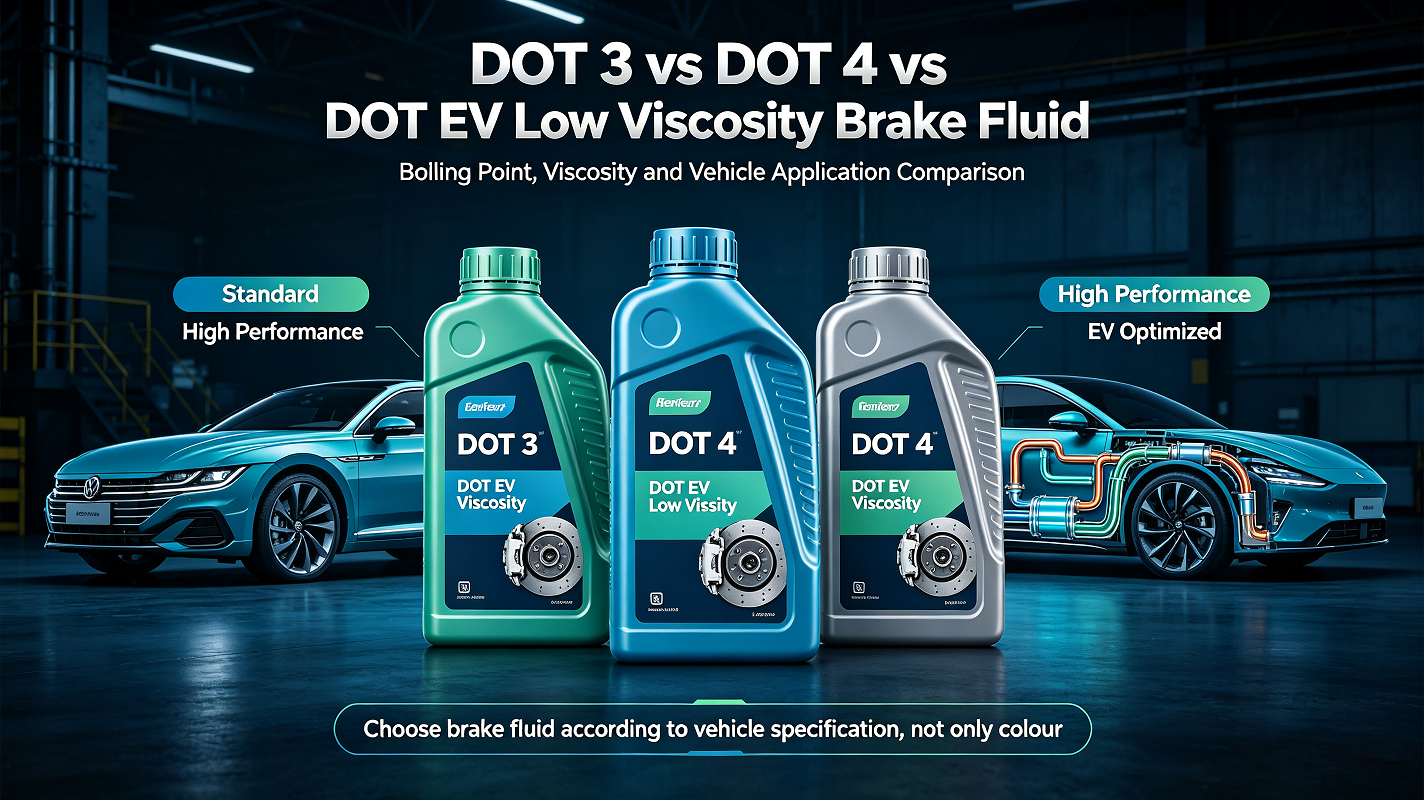
Choosing brake fluid should start with the vehicle or system specification, not with marketing language on the container. Check the required performance class, the vehicle application, and the compatibility requirements for seals and other hydraulic components. For procurement teams, supplier consistency matters as much as technical performance. A fluid that performs well in testing but is difficult to source reliably can become a production headache.
It is also wise to look at the actual operating environment. A fleet running in mild climates may not need the same low-temperature performance profile as one used in northern regions. This sounds obvious, but in purchasing practice it is often overlooked. The best fluid is the one that matches the duty cycle, not just the datasheet.
Common mistakes when sourcing low viscosity brake fluid
One common mistake is assuming all “high performance” brake fluids are interchangeable. They are not. Another is mixing up low viscosity with high boiling point and treating them as the same thing. They are related, but they solve different problems. A third mistake is failing to consider how the fluid behaves after service intervals, contamination, or storage. Packaging and handling matter more than some buyers expect.
It is also easy to under-specify for cold-weather use. If a vehicle platform includes advanced electronic braking features, the fluid’s low-temperature behavior should be part of the evaluation from the start. Waiting until winter field complaints appear is an expensive way to learn that lesson.
Practical advice for engineering and sourcing teams
Engineering teams should align the brake fluid choice with system design targets, especially where fine hydraulic control is critical. Sourcing teams should verify that the supplier can provide stable product quality, documentation, and packaging that supports clean handling. If the supply chain includes multiple regions, confirm that the same fluid specification is acceptable across all intended markets. Small naming differences can hide real formulation differences, and those differences matter.
If you are comparing options, ask for the exact specification basis, intended application, and handling guidance. Avoid vague claims. A useful supplier can explain not only what the fluid is, but why it fits a given braking system.
FAQ: a few points buyers ask repeatedly
Is low viscosity brake fluid always better?
No. It is better for certain systems and conditions, especially where low-temperature response is important. It must still match the vehicle specification.
Does low viscosity mean lower quality?
Not at all. It means the fluid is engineered for easier flow in cold conditions. Quality depends on whether it meets the required performance standard.
Should I replace standard fluid with a low-viscosity type?
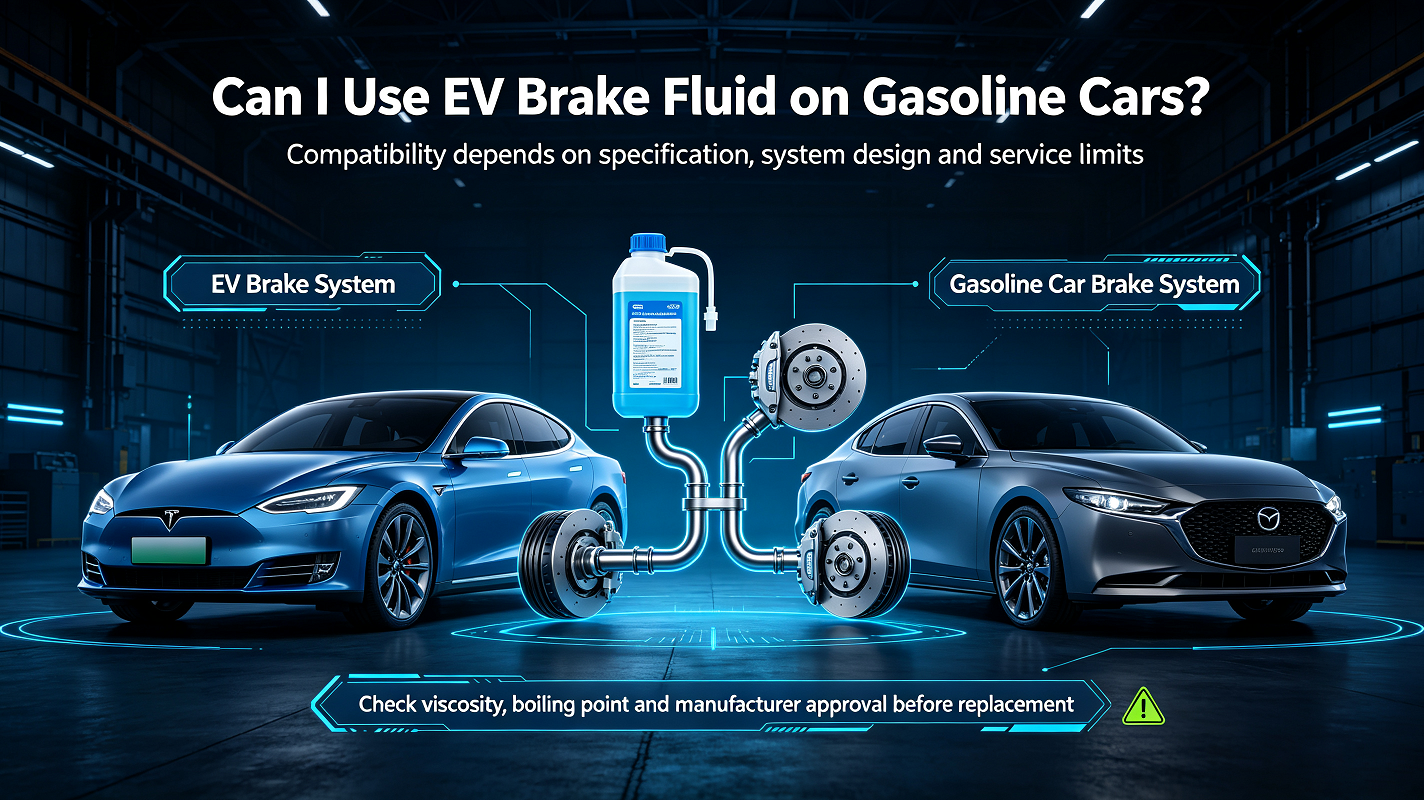
Only if the vehicle or system specification allows it. Brake fluid is not a place for guesswork.
What to do next
If you are evaluating low viscosity brake fluid for a new platform, a winter-service fleet, or an aftermarket sourcing program, start with the system specification and the operating environment. Then compare low-temperature behavior, compatibility, and supplier consistency side by side. That approach keeps the decision grounded in engineering reality instead of sales language, which is usually where the better purchasing outcomes begin.