logo

Common Misconceptions About Brake Fluid Color Change

logo

Published

Oct 12 2026

  • Buying Guide

Follow us

common-misconceptions-about-brake-fluid-color-change
what does dark brake fluid mean
A lot of mechanics and vehicle owners rely only on brake fluid color to judge its working condition.
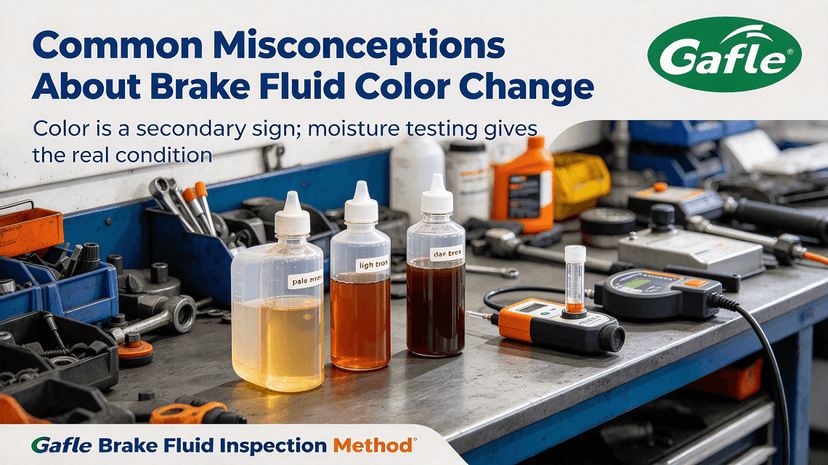
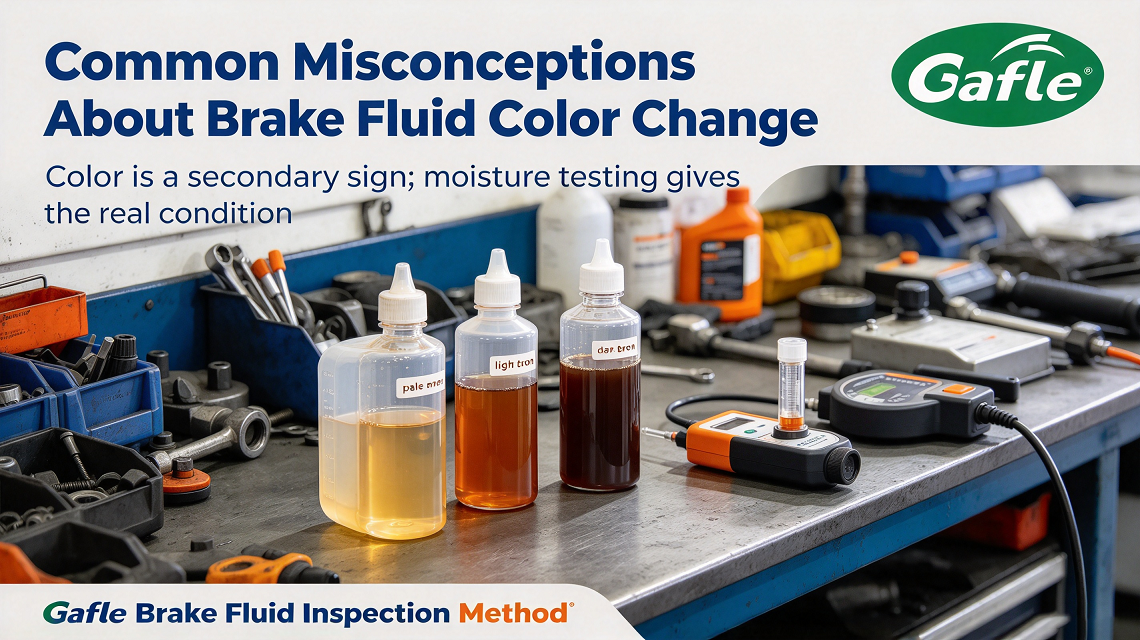
Fresh brake fluid is typically clear or pale amber. After months or years of service, fluid gradually turns yellow, brown or dark brown. Many people follow a simple rule: dark brake fluid must be replaced, while transparent fluid remains safe to use. This visual check is convenient, but it is not a reliable quality assessment method. It is only a rough reference and cannot replace professional testing tools. Over-reliance on visual inspection can lead to wrong decisions about brake fluid replacement.
Brake fluid darkening mainly comes from suspended fine particles.
Tiny rubber debris worn off brake seals and fine metal dust eroded from brake components mix into fluid over time. These solid particles create the darker appearance. However, brake fluid can absorb large amounts of moisture and still keep a light, clear color. Water is the biggest threat to brake fluid performance, yet it does not change the fluid’s appearance at all. A reservoir full of transparent brake fluid may already contain over 3% moisture, which drastically reduces boiling point and creates vapor lock risk. This is the most dangerous pitfall of judging brake fluid only by sight.
Measuring moisture content is the reliable method for brake fluid inspection.
Brake fluid boiling point testers or moisture meters give objective data to evaluate fluid health. Color serves only as a secondary reference indicator. If fluid turns black with heavy sediment at the bottom of the reservoir, it definitely signals serious contamination and requires full flushing immediately. Even for light-colored fluid, technicians still need regular moisture testing following maintenance schedules. Combining visual check and digital testing delivers accurate assessment results.
Gafle reminds repair specialists to combine multiple inspection methods.
Do not depend on visual check alone when servicing brake systems. For wholesale customers, we educate partners on professional brake fluid testing procedures and supply technical guides for workshop training. Accurate brake fluid assessment helps your team give trustworthy advice to end customers. It also helps avoid unnecessary fluid replacement work and prevents dangerous delayed maintenance. When your workshop adopts standardized brake fluid inspection processes, customers will recognize your professional capability and prefer to cooperate with your business.
Welcome to contact GAFLE for more information & cooperation!
peter
ZHEJIANG GAFLE AUTO CHEMICL CO.,LTD
Tel:86-579-8222 1665
Fax:86-579-8246 4690
Cel/Wechart:86-13335993986
E-mail:peter@gafle.net
Web:www.gafle.net
Featured Blogs
Common Misconceptions About Brake Fluid Color Change

Common Misconceptions About Brake Fluid Color Change

1. A lot of mechanics and vehicle owners rely only on brake fluid color to judge its working condition. 2. Brake fluid darkening mainly comes from suspended fine particles. 3. Measuring moisture content is the reliable method for brake fluid inspection. 4. Gafle reminds repair specialists to combine multiple inspection methods.

Brake Fluid Flush Interval for Light Commercial Vehicles

Brake Fluid Flush Interval for Light Commercial Vehicles

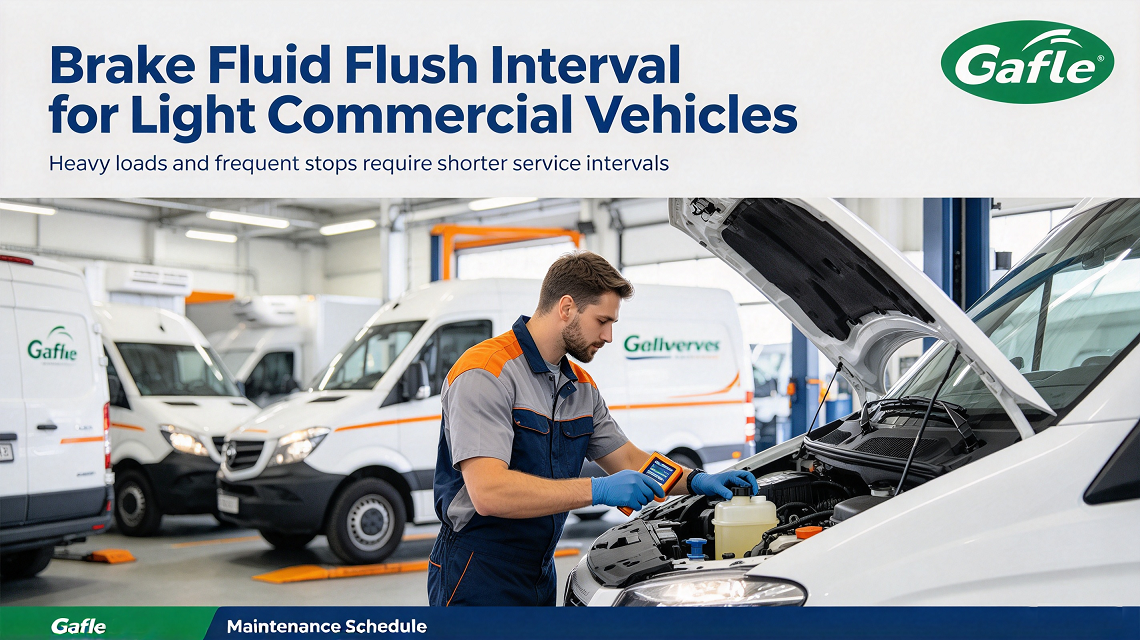
1. Light commercial vehicles experience heavier brake load than ordinary passenger cars. 2. Most light commercial vehicle manufacturers suggest brake fluid flush every 2 years. 3. Fleet maintenance teams can test brake fluid moisture content easily with brake fluid tester. 4. Gafle supplies bulk brake fluid tailored for light commercial fleets.

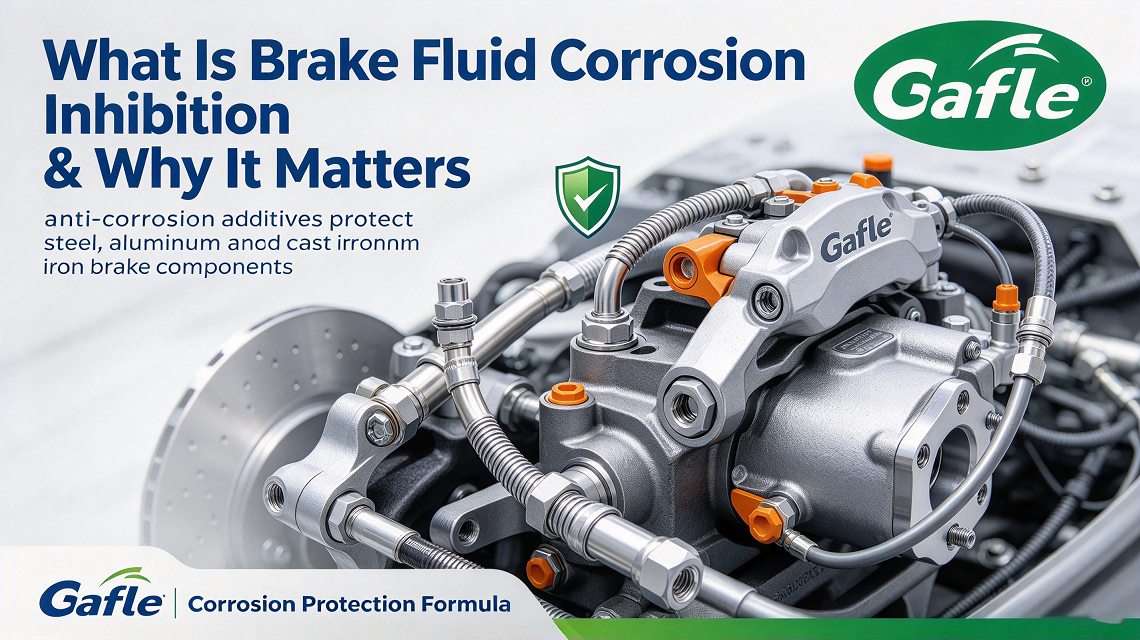
What Is Brake Fluid Corrosion Inhibition & Why It Matters

What Is Brake Fluid Corrosion Inhibition & Why It Matters

1. Brake fluid does more than transfer hydraulic pressure; it also protects metal brake parts from corrosion. 2. When brake fluid absorbs water, its anti-corrosion capacity weakens. 3. High-performance brake fluid like Gafle Racing325 and DOT4 EV608 contains enhanced corrosion inhibitor packages. 4. Repair shops and fleet managers should evaluate brake fluid by corrosion protection performance.

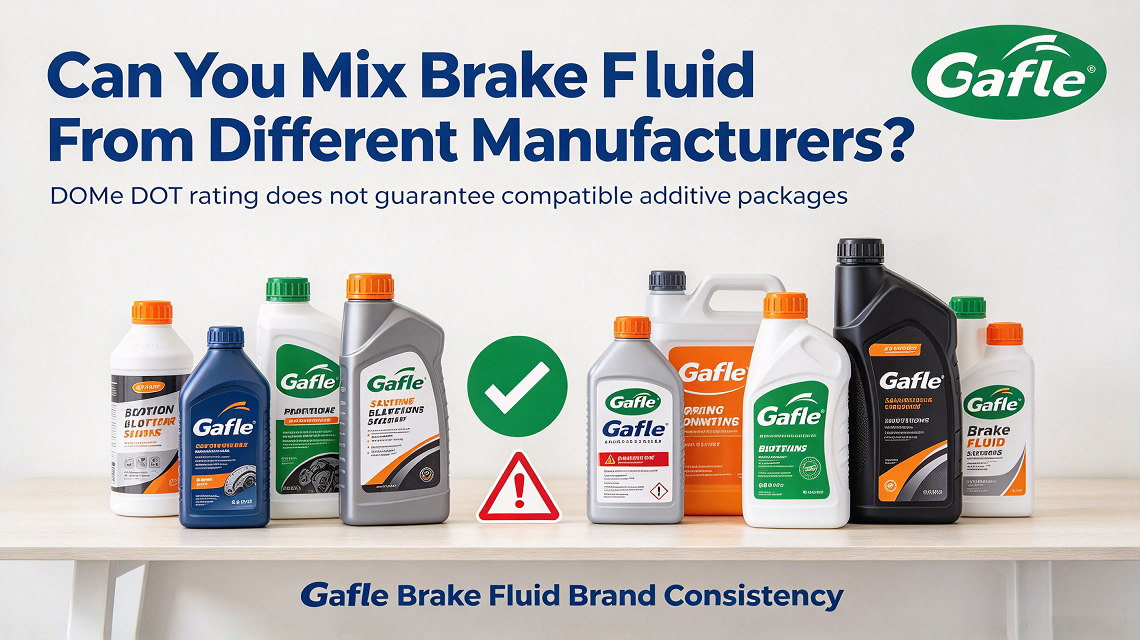
Can You Mix Brake Fluid From Different Manufacturers?

Can You Mix Brake Fluid From Different Manufacturers?

1. Even if two brake fluids carry the same DOT rating, mixing products from different manufacturers carries potential risks. 2. Chemical incompatibility between additives may create sediment or sludge inside brake lines. 3. Top automotive safety recommendations advise against mixing brake fluid brands. 4. For fleet operators and auto repair businesses, standardizing one brake fluid brand simplifies maintenance.

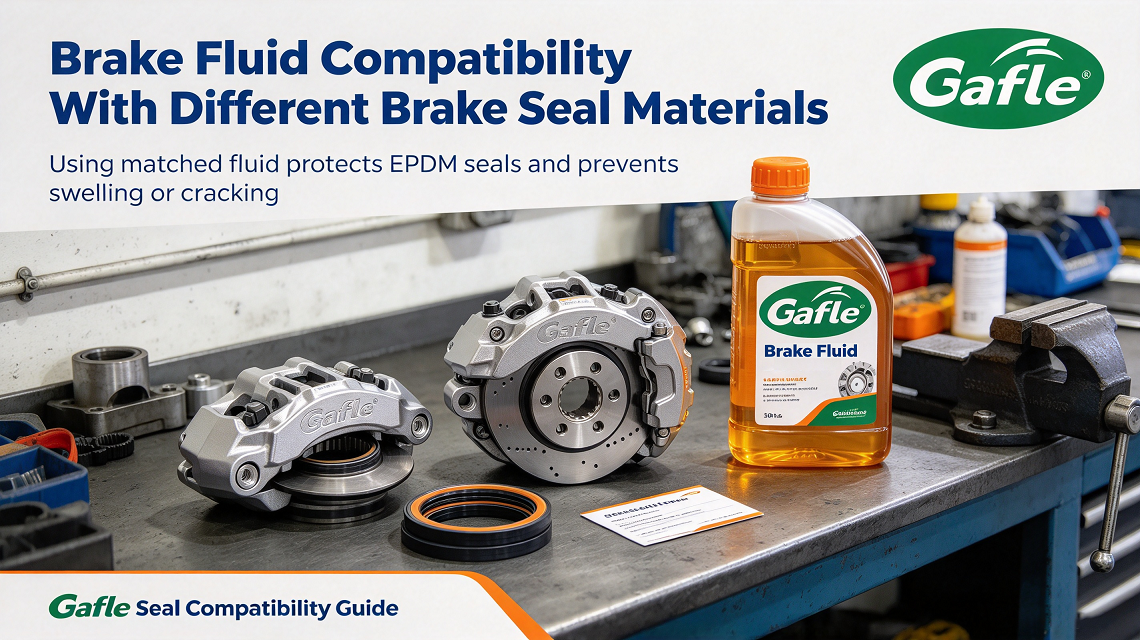
Brake Fluid Compatibility With Different Brake Seal Materials

Brake Fluid Compatibility With Different Brake Seal Materials

1. Not all brake fluids work well with every type of rubber seal in braking systems. 2. Incompatible brake fluid can lead to seal swelling, cracking or hardening. 3. Glycol-based DOT brake fluids, including Gafle DOT3, DOT4 and Racing325, are formulated for EPDM seals. 4. For wholesale buyers, seal compatibility knowledge reduces after-sales trouble.

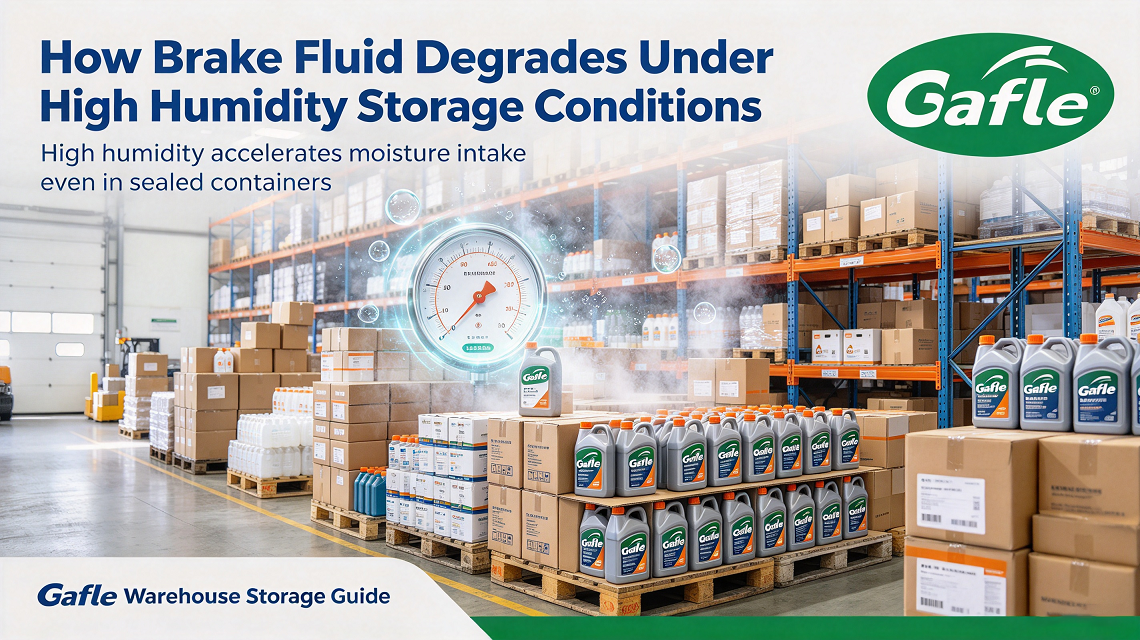
How Brake Fluid Degrades Under High Humidity Storage Conditions

How Brake Fluid Degrades Under High Humidity Storage Conditions

1. Brake fluid’s hygroscopic nature does not only work after installation in vehicles. 2. Moisture entering brake fluid lowers its boiling point gradually. 3. There are clear standards for brake fluid storage environment. 4. Gafle brake fluid is manufactured with stable raw materials and quality packaging.