Navigating Engine Thermal Management: The Reality of Modern Coolant Chemistries
For fleet operators, plant maintenance engineers, and OEM design teams, coolant selection often gets relegated to a secondary maintenance checklist item. That mindset is dangerous. As internal combustion engines and hybrid power units push operating temperatures higher while simultaneously shedding weight through aluminum-intensive designs, thermal fluid chemistry directly dictates component lifespan. Specifying the wrong fluid or mixing incompatible additives triggers precipitation, water pump seal erosion, and localized boiling. At the center of modern thermal management discussions is OAT coolant, a formulation engineered to address the strict limits of older inorganic chemistries while extending service intervals substantially.
What is OAT Coolant and How Does the Chemistry Work?
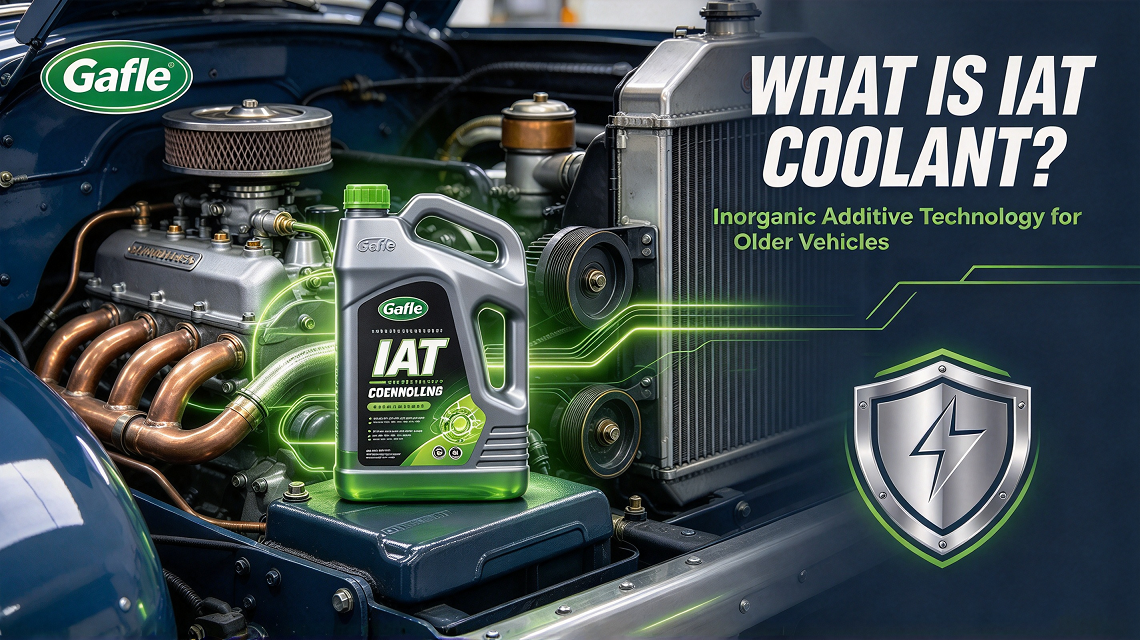
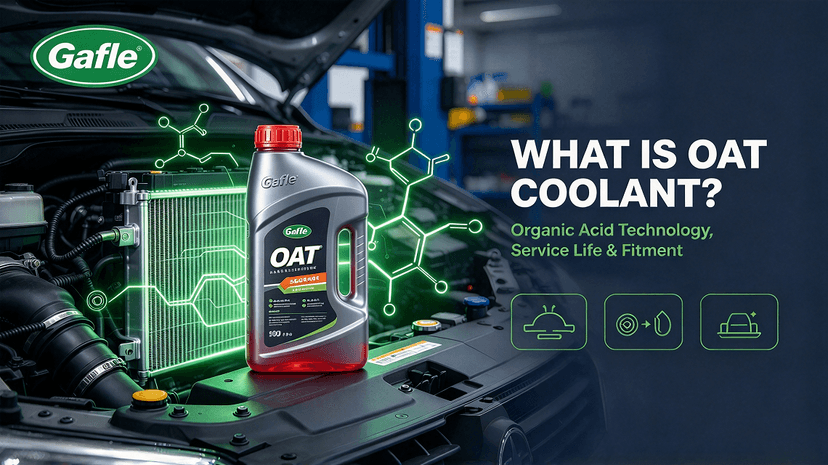
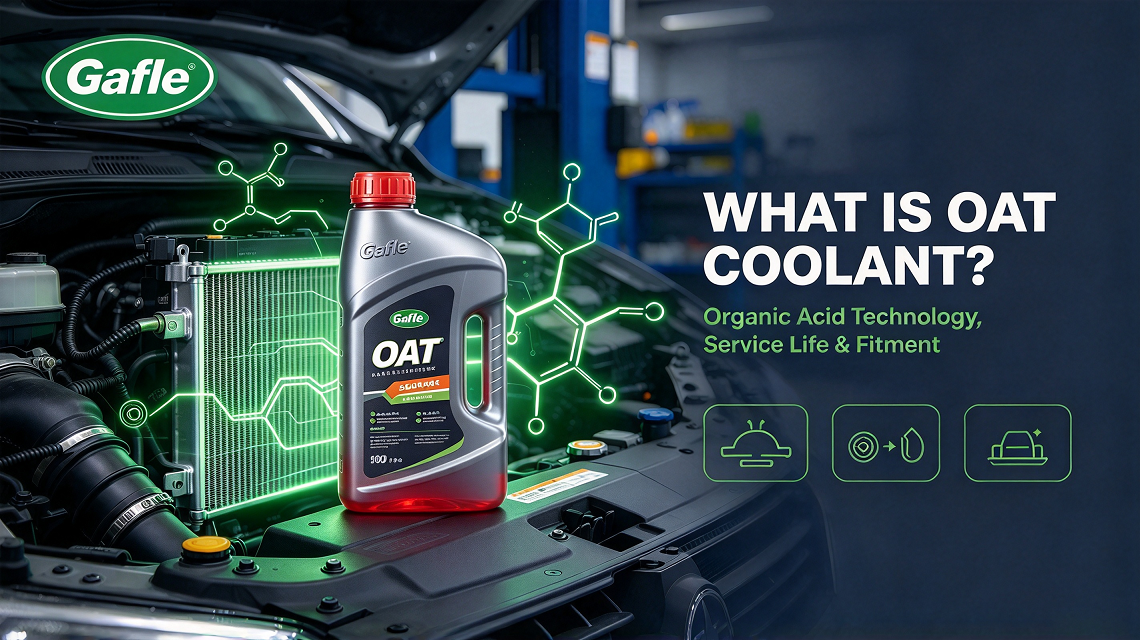
To evaluate whether this chemistry fits your equipment, one must understand what is OAT coolant at a molecular level. OAT stands for organic acid technology coolant. Unlike legacy Inorganic Additive Technology (IAT) fluids—the traditional green antifreeze that relied heavily on silicates, phosphates, and borates to deposit an inorganic barrier layer over metal surfaces—an organic acid technology coolant relies on neutralized organic carboxylates (such as sebacic acid, octanoic acid, and 2-ethylhexanoic acid, or 2-EHA).
These carboxylates provide corrosion protection selectively. Rather than coating every square millimeter of the heat exchanger tubes and engine block with a thick, insulating silicate blanket, organic acids bond specifically at microscopic anodic sites where active metal oxidation begins. This localized passivation layer leaves the bare metal cleanly exposed for optimal thermal transfer, minimizes scale build-up, and avoids the abrasive particle shedding common to inorganic salts as they age.
Because organic acids deplete at a fraction of the rate of mineral salts, OAT fluids earned the market designation of long life coolant. Typical heavy-duty and automotive OAT formulations boast drain intervals of 5 to 10 years or up to 150,000 to 500,000 miles, compared to the strict two-year replacement schedule required by traditional IAT fluids.
The Difference Between OAT Coolant and HOAT Coolant
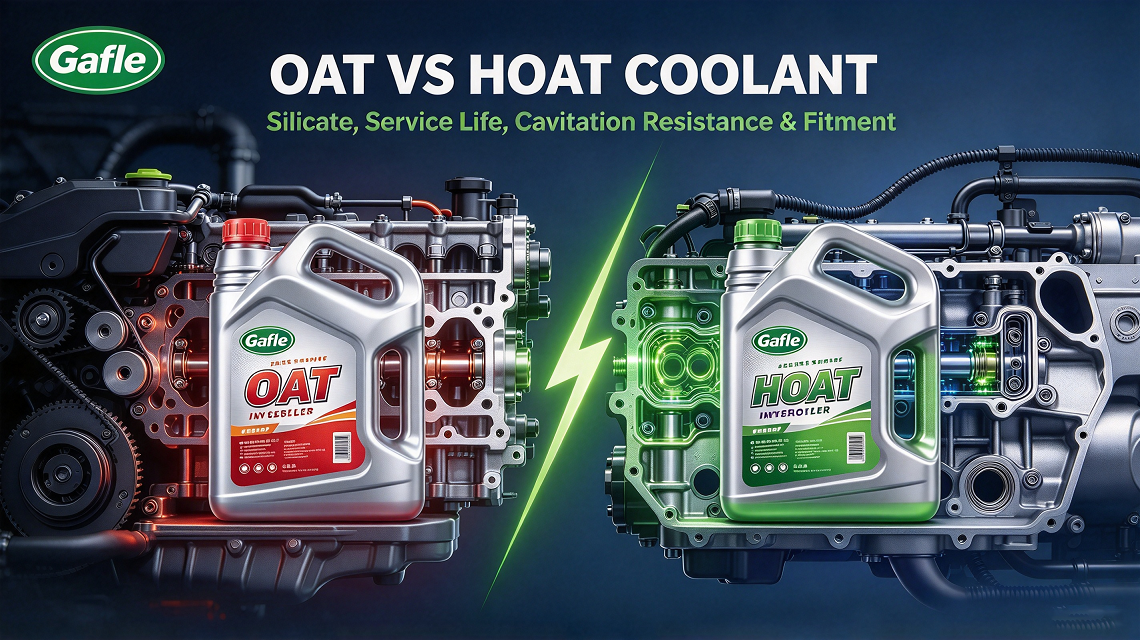
Specifiers frequently confuse OAT with HOAT (Hybrid Organic Acid Technology), yet their chemical balance and field applications differ markedly. Understanding the difference between oat coolant and hoat coolant is critical before managing mixed-fleet procurement.
| Attribute | OAT (Organic Acid Technology) | HOAT (Hybrid Organic Acid Technology) |
|---|---|---|
| Corrosion Inhibitors | Pure carboxylates (no silicates, phosphates, or borates) | Carboxylates fortified with low levels of silicates or phosphates |
| Passivation Speed | Slower to form protective film initially; relies on continuous runtime | Fast initial surface protection via inorganic salts, extended by organic acids |
| Typical Service Life | Up to 5–10 years / extended hours; qualifies as a true long life coolant | Typically 5 years / moderate-to-high operational hours |
| Gasket Compatibility Considerations | Certain carboxylates (e.g., 2-EHA) can soften specific nylon and silicone gaskets | Generally friendly across mixed elastomer and legacy brass/copper matrices |
| Common OEM Adopters | GM (Dex-Cool), VW/Audi (spec-dependent), various modern heavy diesel platforms | Chrysler/Stellantis, Ford, European marques requiring immediate aluminum passivation |
Material Compatibility and Hidden Trade-offs
While OAT fluids reduce overall maintenance interventions, they are not universally compatible with every powertrain configuration.
First, consider wet sleeve cylinder liners in heavy-duty commercial diesel engines. Standard automotive OAT fluids lack the rapid surface-healing properties needed to prevent liner cavitation—a phenomenon where imploding vapor bubbles strip the protective oxide layer off the cylinder exterior, resulting in bore pitting. For these systems, engineers must select a Nitrited OAT (NOAT) variant, which supplements organic acids with nitrites (and sometimes molybdates) to resist cavitation erosion.
Second, gasket elastomer selection demands scrutiny. Formulations utilizing 2-ethylhexanoic acid (2-EHA) act as mild plasticizers. If introduced into older engines designed around certain silicone or plastic intake manifold gaskets, 2-EHA can cause swelling, softening, and eventual seal breach. If your machinery incorporates legacy sealing systems or copper-brass heat exchangers, a traditional low-silicate formula or a tailored HOAT is often the safer operational choice.
Practical Rules for Shop Floors and Fleet Managers
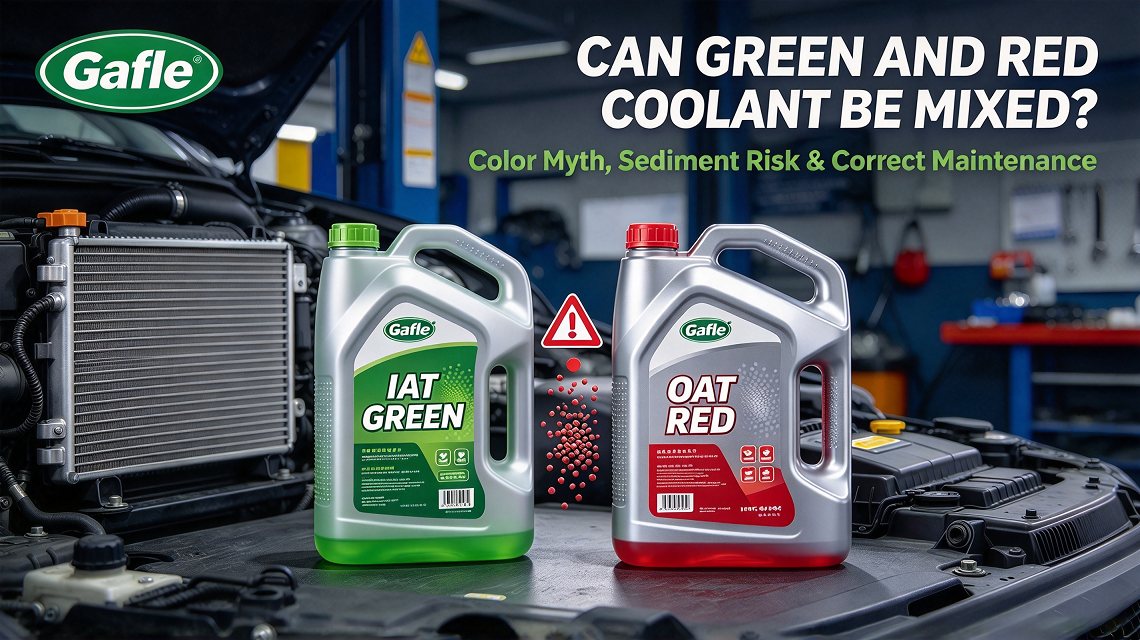
1. Ignore Coolant Color: Dye has zero engineering significance. Marketing departments and fluid compounders use orange, red, blue, purple, and green dyes inconsistently across OAT, HOAT, and standard formulations. Always verify the chemistry by checking the technical data sheet (TDS) and OEM specification approvals, not the reservoir tint.
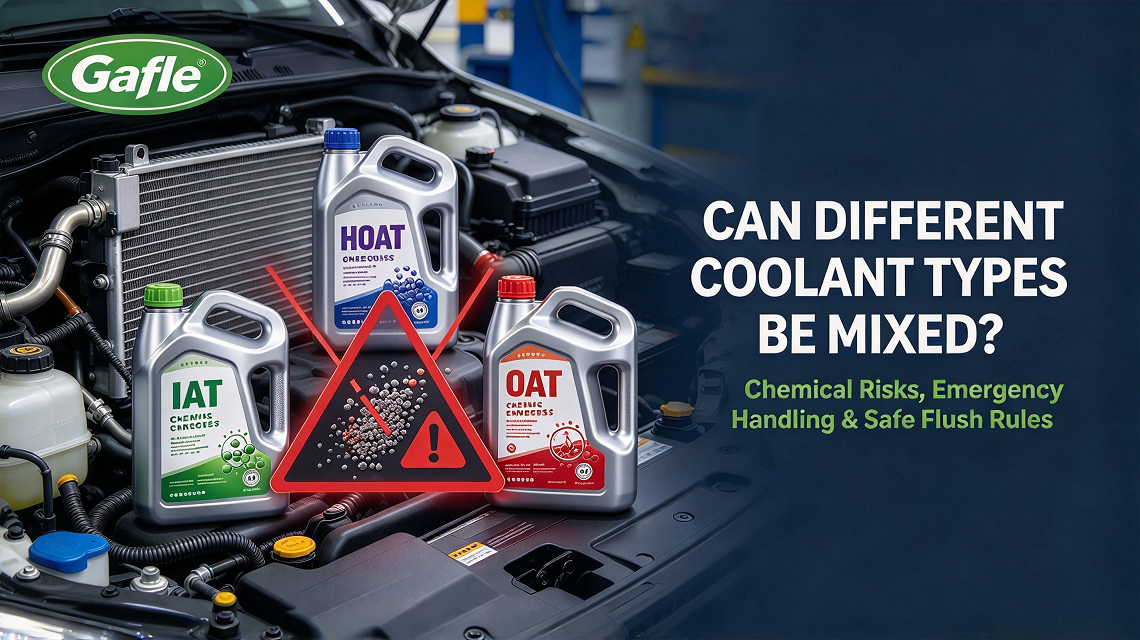
2. Avoid the "Universal" Top-Off Trap: When an OAT system is topped off with conventional IAT coolant, the inorganic silicates dilute the organic acid concentration. Worse, if the concentration falls below critical thresholds, corrosion protection plummets across both chemistries, and the silicates may drop out of solution as an abrasive gel that clogs heater cores and radiator channels.
3. Water Quality Governs Longevity: Even the most resilient OAT coolant will fail prematurely if mixed with hard tap water. Calcium and magnesium ions react with carboxylates, forming insoluble precipitates and consuming inhibitors before they ever reach metal surfaces. Always dilute concentrates using deionized or distilled water with total dissolved solids (TDS) well below standard municipal levels.
Frequently Asked Questions
Can I convert an older system from IAT to OAT?
Yes, but it requires a complete, chemical-neutralizing flush. Any residual silicates or rust particulates will compromise the organic acid layer. Furthermore, all hoses, water pump seals, and gaskets must be reviewed for compatibility with carboxylate chemistries.
How can maintenance teams verify OAT inhibitor health?
Standard refractometers only measure freeze-point and glycol concentration, not additive depletion. Because organic acids deplete very slowly, freeze point checks remain the primary field metric, but fleet-level oil and fluid labs should periodically run ion chromatography to monitor active carboxylate levels on high-runtime equipment.
Aligning Chemical Specs with Equipment Cycles
Modern engine efficiency relies heavily on stable boundary temperatures. Standardizing on an organic acid formulation can yield measurable savings in downtime, drain intervals, and disposal costs, but only when matched intentionally to the mechanical metallurgy and elastomer package of your equipment. Review your fleet's engine build sheets, inspect legacy seal materials, and establish strict fluid segregation across storage tanks before rolling out an extended-life chemical transition.
Welcome to contact GAFLE for more information & cooperation!
peter
ZHEJIANG GAFLE AUTO CHEMICL CO.,LTD
Tel:86-579-8222 1665
Fax:86-579-8246 4690
Cel/Wechart:86-13335993986
E-mail:peter@gafle.net
Web:www.gafle.net