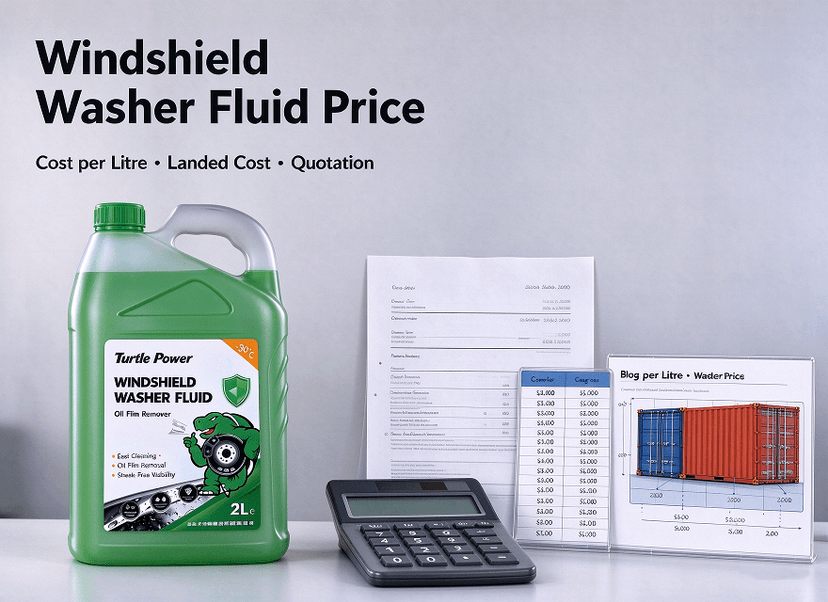
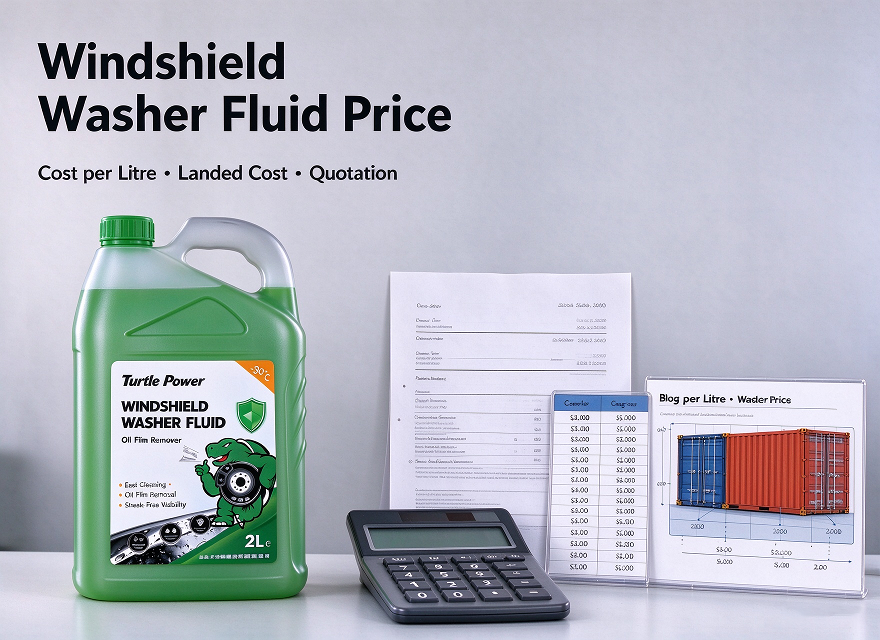
Washer fluid is one of the few automotive products where a buyer can receive five quotations for what looks like the same item and find that the real cost difference between them is two or three times the spread in quoted prices. The reason is structural: the liquid is the cheapest part of the product, and everything that surrounds it carries cost. Buyers who compare bottle prices are comparing the smallest component of the stack. GAFLE factory builds quotations for export buyers across several regions, and the breakdown below is the one used internally when a price is calculated.
Six cost layers behind one quotation
A washer fluid quotation is a stack of six cost layers, and suppliers frequently quote only the layers that make their number look competitive. The first layer is the liquid itself: solvent, surfactant, inhibitor, dye and bittering agent, costed per litre of concentrate or per litre of finished fluid.
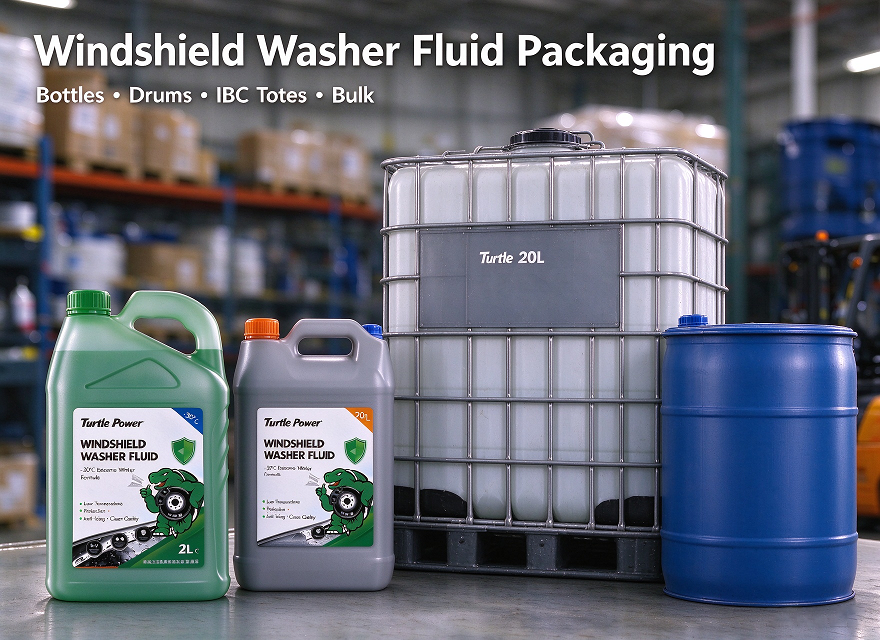
The second layer is primary packaging: bottle, cap, label and any dosing device. This layer varies more than any other, because a stock mould bottle and a custom mould bottle can differ by a factor that dwarfs the liquid cost.
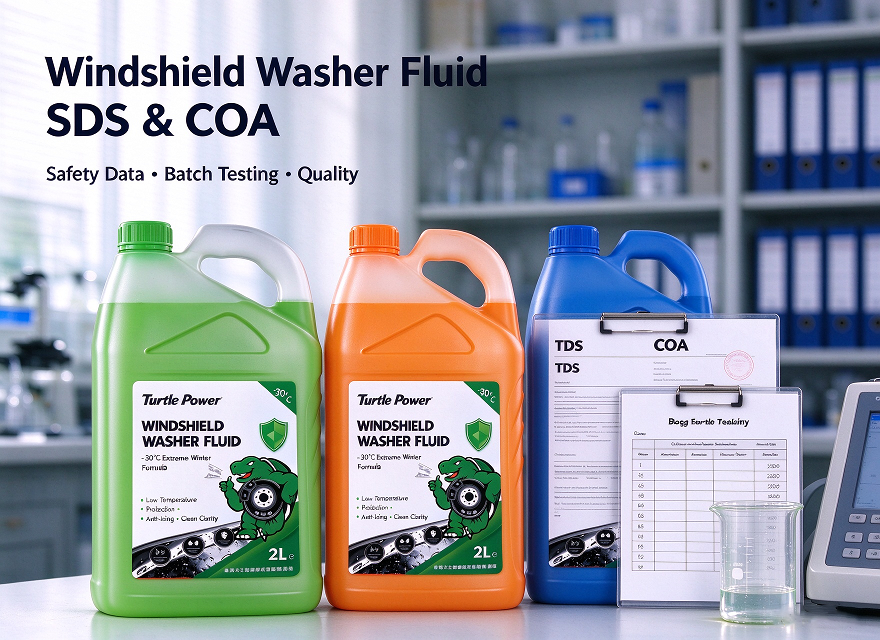
The third layer is secondary packaging: carton, shrink wrap, pallet and corner protection. The fourth is conversion: filling, capping, labelling, coding and line labour. The fifth is quality and compliance: batch testing, retained samples, documentation and inspection. The sixth is movement: inland haulage, ocean freight, terminal charges and destination duty.
A quotation that names only layers one and two is not a quotation, it is an invitation to discover the rest at shipment time.
Per gallon, per liter and the conversion trap
Quoting per gallon in one market and per liter in another creates comparison errors, and the conversion is only the first of them. The arithmetic itself is simple, since one US gallon is roughly 3.785 litres and one imperial gallon is roughly 4.546 litres. The trap is that suppliers do not always state which gallon they mean, and a US gallon quotation read as an imperial gallon overstates volume by twenty percent.
The second trap is what the unit refers to. A price per gallon of concentrate is not comparable with a price per gallon of ready-to-use fluid, because the usable volume after dilution is several times larger. The third trap is the pack, since a quotation per litre often assumes the largest pack size, while the retail pack carries a completely different packaging cost per litre.
The practical rule is to normalise every quotation to cost per litre of usable fluid at the destination, in the same currency, with the same Incoterm. Only then does a comparison mean anything.
How volume price breaks really work
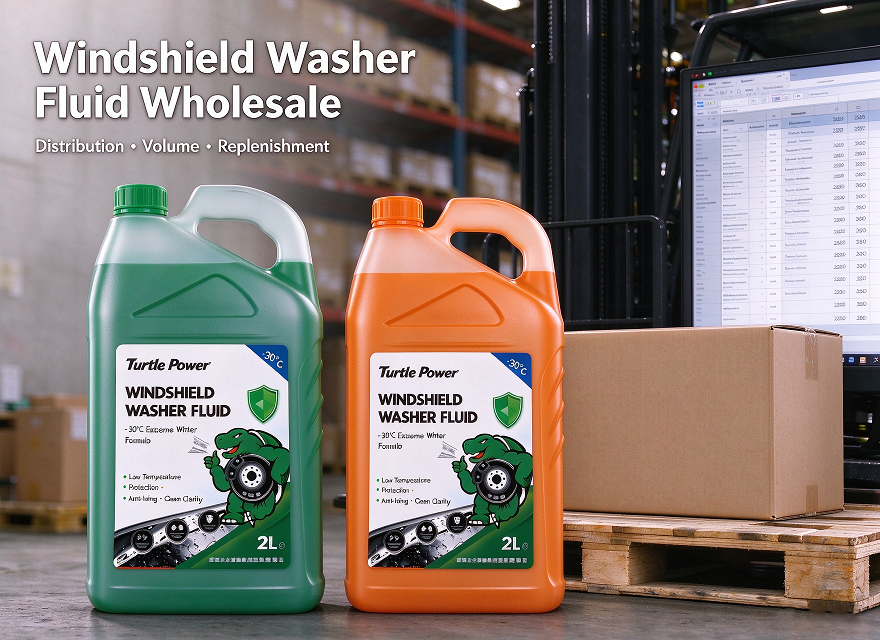
Volume price breaks follow packaging economics far more than they follow a smooth cost curve, which is why some tiers are real and others are decorative. Liquid cost falls gently with volume because raw materials are bought in bulk regardless of your order size. Packaging cost falls in steps, because bottle runs, label rolls and carton print runs each have a minimum economic batch.
The result is a quotation that drops sharply at the point where packaging batches align, then stays flat until the next alignment. A buyer who asks for a slightly larger quantity and receives a much better price has crossed a packaging threshold, not negotiated a discount.
This is also why splitting an order across many SKUs raises the effective unit cost even when the total volume looks healthy. Each SKU carries its own packaging minimum, so breadth costs money.
Calculating landed cost in four steps
Landed cost is the only figure worth negotiating against, and it is calculated in four steps rather than read off a price list. First, establish the ex-works or FOB cost per usable litre. Second, add freight and insurance per litre, using the actual loading plan rather than an assumed container fill.
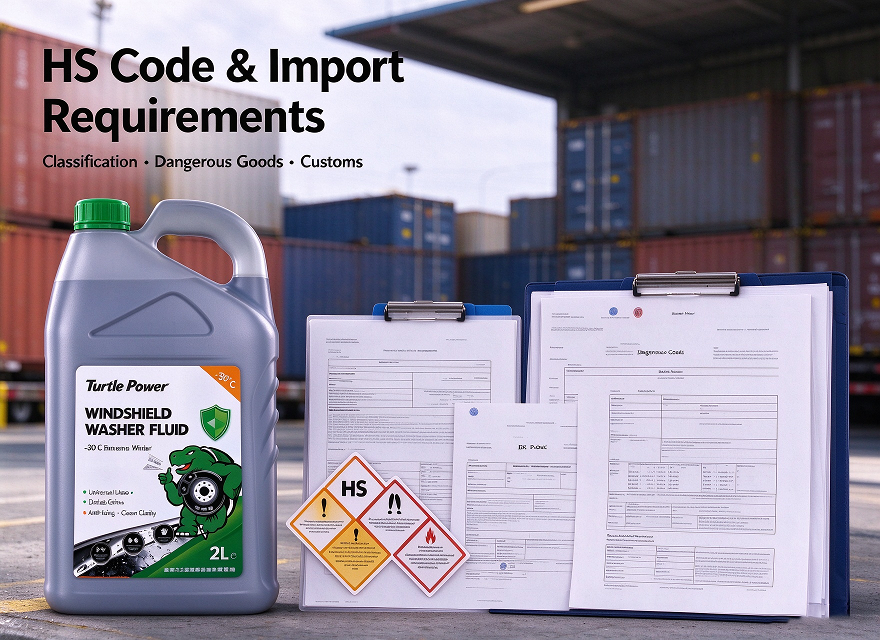
Third, add duty and any import charges at the destination rate for the correct classification. Fourth, add destination handling: port charges, clearance, inland transport and inspection if the shipment is selected.
The result is a single number per usable litre that can be compared across suppliers, formats and origins. It also reveals which supplier is expensive for a reason and which is expensive by accident.
Hidden costs that damage margins
The costs that damage margins most are the ones excluded from the quotation: pallets, marks, inspection and port delays. Pallets are frequently quoted as "standard" and then invoiced per unit, which adds a meaningful amount on a full container. Shipping marks and labelling requirements imposed by the buyer's own customer are often treated as extras.
Inspection costs appear when a buyer appoints a third-party inspector, and the cost per man-day can exceed the savings achieved by choosing a cheaper supplier. Port delays and demurrage are the largest and least predictable of the hidden costs, and they are usually created by documentation errors rather than by shipping lines.
A buyer should request a written list of exclusions with every quotation, and treat a supplier that refuses to provide one as a risk rather than a bargain.
Negotiating beyond the unit price
Every negotiation that ends on price alone leaves value on the table, because terms, mixing and packaging reuse are usually worth more than a few cents. Payment terms change the working capital cost of an order, and a longer credit period can be worth more than a small discount.
Mixed loading allows a buyer to fill a container with several SKUs and reach the freight efficiency of a full load without committing to a single grade. Packaging reuse, where the buyer supplies bottles or accepts a shared mould, removes a cost layer entirely.
Annual volume commitments buy price stability rather than price reduction, and stability is often the more valuable of the two for a distributor holding seasonal stock.
FAQ
Q1: Why do washer fluid quotations vary so much between suppliers? A1: Because packaging, freight and documentation are usually excluded or assumed differently. Normalising to landed cost per usable litre reveals the real gap.
Q2: Is a price per gallon always cheaper than a price per liter? A2: Not necessarily. The unit must be converted correctly, and the gallon type must be stated, otherwise the comparison is meaningless.
Q3: What usually causes a price break? A3: Crossing a packaging batch threshold. Bottle runs, label rolls and carton print runs each have minimum economic quantities.
Q4: Should I compare FOB or landed cost? A4: Landed cost, because it includes freight, duty and destination charges that a FOB price hides.
Q5: Are pallets and shipping marks included in a normal quote? A5: Often not. Request a written list of exclusions and confirm the pallet specification before ordering.
Q6: How can a buyer reduce cost without changing supplier? A6: Accept a stock mould, increase pack size, mix SKUs to fill the container, and negotiate payment terms or an annual volume commitment.
Welcome to contact GAFLE for more information & cooperation!
peter
ZHEJIANG GAFLE AUTO CHEMICL CO.,LTD
Tel:86-579-8222 1665
Fax:86-579-8246 4690
Cel/Wechart:86-13335993986
E-mail:peter@gafle.net
Web:www.gafle.net