What ASTM D3306 Means for Engine Coolant Buyers
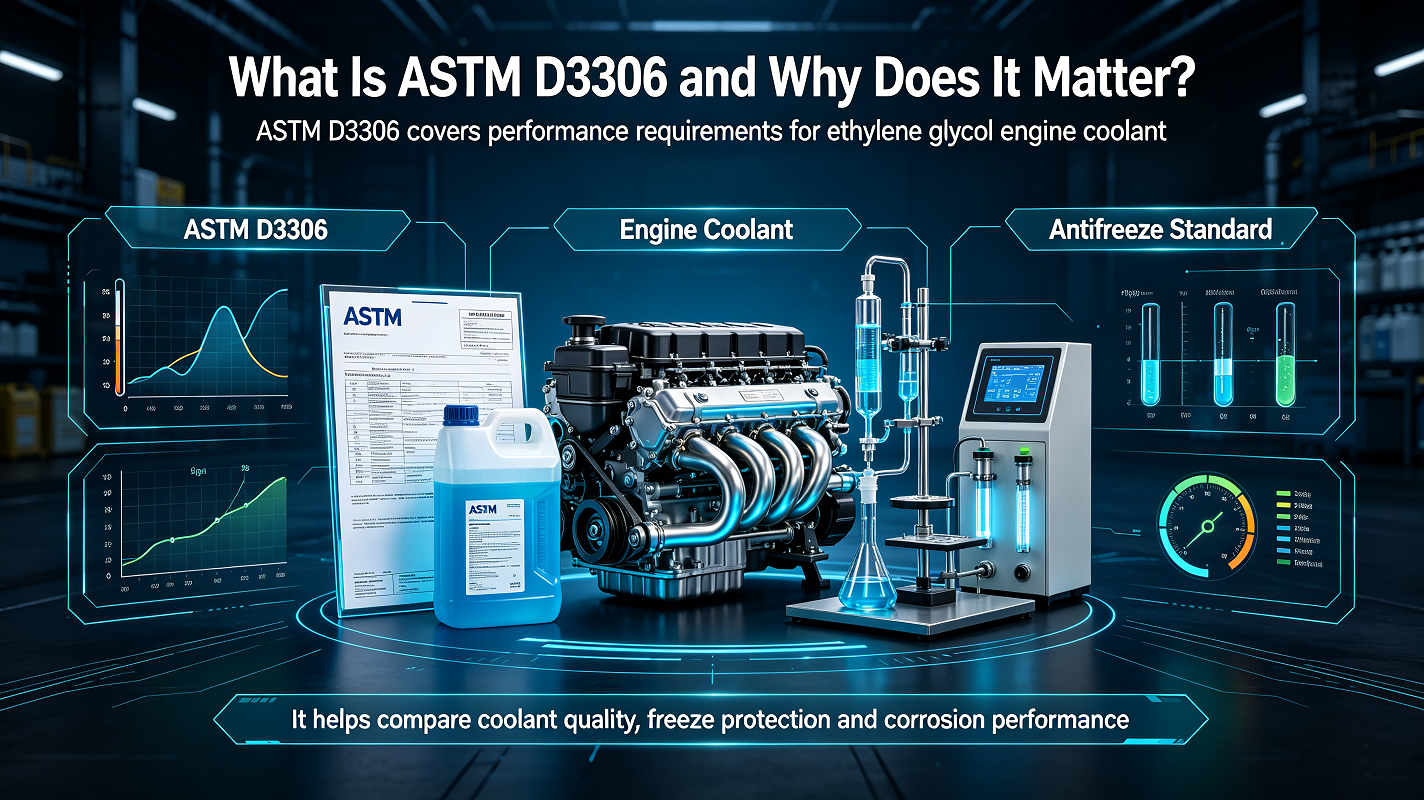
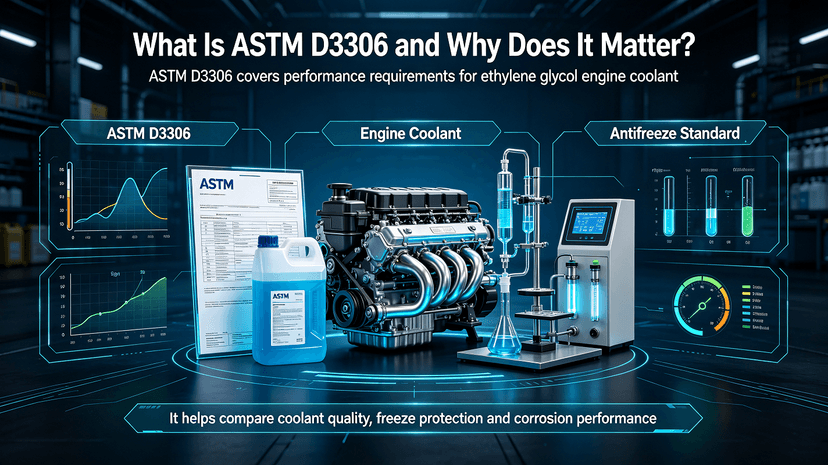
ASTM D3306 is one of the first specifications engineers and purchasing teams look for when they need a passenger-car or light-duty engine coolant that can be trusted in service. It does not describe a single formula or brand. Instead, it sets a baseline for how a coolant should perform, which matters because the wrong fluid can lead to corrosion, scale, gasket problems, or avoidable maintenance downtime. For buyers comparing products, the standard is less about marketing language and more about whether a coolant is built to meet a recognized coolant standard.
That distinction matters. In the field, “antifreeze” is often used loosely, but the actual antifreeze specification behind the label can vary a lot. A product may look acceptable on paper and still be a poor fit for a particular engine family, dilution practice, or maintenance schedule. ASTM D3306 gives a common reference point, which helps procurement, maintenance, and engineering teams narrow the field before they ask deeper questions about inhibitor chemistry, water quality, and compatibility.
Why the Standard Matters in Real Operations
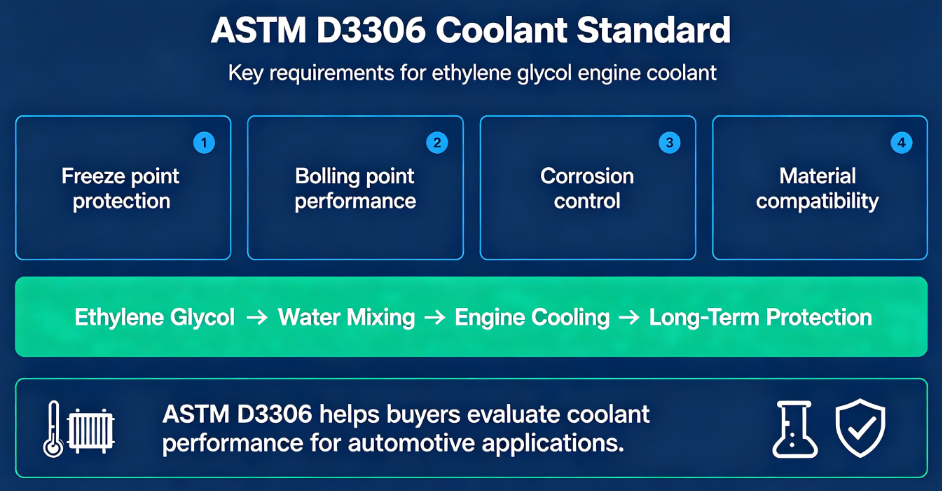
Engine coolant has a narrow job description, but a difficult one. It must transfer heat, resist freezing and boiling, protect metals and elastomers, and remain stable long enough to justify the service interval. In everyday use, the coolant is also expected to work across mixed materials: aluminum, cast iron, soldered joints in some older systems, hoses, seals, and often plastics. When a formulation does not align with ASTM D3306 requirements for engine coolant, the failure is rarely dramatic at first. More often it shows up as slow corrosion, deposit formation, or changing pH that shortens component life.
For that reason, the standard is useful even when a buyer is not specifying chemistry in detail. It provides a practical floor. If a product meets the right performance expectations, it is easier to compare apples to apples, even if one supplier uses conventional inorganic inhibitors and another offers an organic-acid-based blend. Still, that is only the starting point. A good spec review should always go one step further and confirm whether the coolant is intended for the exact vehicle or equipment population in service.
What ASTM D3306 Typically Covers
At a high level, ASTM D3306 addresses the performance characteristics expected from engine coolants for light-duty service. The tests associated with the standard are designed to check whether the fluid can help protect the cooling system under thermal stress and exposure to common system materials. Buyers usually encounter the standard as a product claim on a technical data sheet, safety document, or label.
In practical terms, the standard is used to help answer questions like these: Will the coolant resist corrosive attack on metals? Will it remain stable in normal operating conditions? Is it suitable for a typical passenger vehicle or light truck cooling system? That is where the standard is helpful. It is not a promise of universal compatibility, but it is a structured way to screen products before they reach the tank.
How to Read a Coolant Claim Without Getting Misled
One of the more common mistakes is treating a label claim as the whole story. “Meets ASTM D3306” is useful, but it should be read alongside the product chemistry, dilution instructions, and any vehicle manufacturer requirements. A coolant may satisfy the coolant standard and still be a poor fit if the application calls for a specific extended-life formula or a factory-approved fill.
When reviewing options, ask for the basics that are often left unspoken: whether the product is concentrate or pre-mixed, what water quality is assumed for dilution, whether it is intended for top-off or full drain-and-fill service, and whether it can be mixed with the coolant already in the system. Mixing incompatible inhibitors is one of those shop-floor shortcuts that can become expensive later.
Quick buyer checks
Before approving a coolant, confirm the intended vehicle class, the base chemistry, and any limitations on mixing. Check whether the supplier gives clear refill guidance. If the technical data is vague, that is usually a sign to slow down rather than speed up.
ASTM D3306 Requirements for Engine Coolant: What They Mean on the Shop Floor
People often search for ASTM D3306 requirements for engine coolant because they want a short answer: what must the product do, and how much room is there for interpretation? The short answer is that the standard creates a performance framework, not a one-size-fits-all formula. That is helpful because cooling systems differ by material, operating temperature, and service burden. It is also why two coolants that both claim compliance may still behave differently in real service.
On the shop floor, the implications are fairly direct. A compliant coolant should support corrosion control, maintain physical stability, and help the system survive normal thermal cycling. But maintenance teams still need to manage contamination, correct dilution, and regular inspection. A strong specification will not rescue poor handling practice. If anything, it makes bad practice easier to spot because the product’s expected behavior is better defined.
Common Mistakes Buyers Still Make
The first mistake is assuming all antifreeze is interchangeable. It is not. The second is buying only on price without checking the actual antifreeze specification. That can create hidden costs in the form of shortened drain intervals, field complaints, or unexpected compatibility issues. A third mistake is ignoring the vehicle mix. A fleet with older aluminum components, newer extended-life systems, and mixed service histories may need a more disciplined coolant strategy than a simple bulk purchase.
Another practical caution: if a system has been topped off repeatedly with water or mixed with unknown fluids, the apparent savings from “using what is already there” can vanish quickly. In those cases, draining, flushing if appropriate, and refilling with a known formulation is often the cleaner decision, even if it takes more labor up front.
Selection Criteria That Actually Help
When you compare products against ASTM D3306, focus on the details that affect service life and maintenance burden. Ask whether the coolant is designed for the vehicle population you support. Confirm whether it is concentrate or ready-to-use, because that affects storage, handling, and dilution control. Review compatibility information carefully, especially if the fleet already contains a mix of coolant types.
It also helps to think beyond the drum. A good sourcing decision accounts for labeling clarity, documentation quality, and whether the supplier’s literature is specific enough for field technicians to follow without guesswork. In maintenance environments, clarity is not a luxury. It is part of reliability.
FAQ
Is ASTM D3306 the same as a vehicle manufacturer approval?
No. It is a performance specification, not the same thing as a vehicle OEM approval. A coolant can meet the standard and still not be the preferred choice for every engine family.
Can products that meet the standard be mixed?
Sometimes, but mixing should never be assumed safe. Inhibitor packages can react in ways that reduce protection or cause deposits. If the existing coolant is unknown, caution is the better policy.
Does the standard apply to all coolant applications?
Not really. It is most relevant for light-duty automotive service. Heavy-duty, specialty, or unique OEM systems may require different specifications.
A Practical Next Step for Sourcing and Maintenance Teams
If you are evaluating a coolant now, start with the standard, then move to chemistry, application fit, and documentation quality. ASTM D3306 is a useful filter, but not the finish line. The best purchase decision usually comes from combining the spec with the realities of the fleet: mixed metals, service intervals, refill practices, and what technicians actually see in the field. That is where a seemingly simple fluid decision turns into a reliability decision.
If you are building a purchasing shortlist, use the standard as your first screen and then ask suppliers to explain how their product fits your equipment, not just how it passes a test sheet. That extra step is often where the better choice becomes obvious.
Welcome to contact GAFLE for more information & cooperation!
peter
ZHEJIANG GAFLE AUTO CHEMICL CO.,LTD
Tel:86-579-8222 1665
Fax:86-579-8246 4690
Cel/Wechart:86-13335993986
E-mail:peter@gafle.net
Web:www.gafle.net