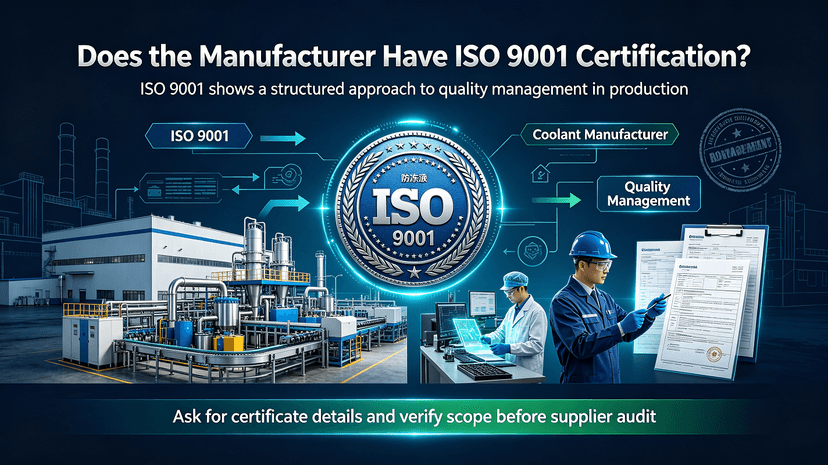
Why buyers keep asking for ISO 9001 certification
When a sourcing team asks for ISO 9001 certification, it is usually not because they need another paper in the file. They want a fast signal that a supplier has a documented system for handling quality, records, corrective action, and process control. In manufacturing, that matters. A company can have good machines and skilled operators, but without a disciplined quality management system, the same job can drift from batch to batch.
For engineers, product teams, and procurement managers, the real question is not whether the certificate exists. It is whether the system behind it is alive on the shop floor. That difference is easy to miss if you only skim a factory certificate or trust a logo on a website. The article below is meant to help you judge what the standard actually tells you, what it does not tell you, and how to use it in supplier selection without overrating it.
What ISO 9001 does, in plain terms
ISO 9001 is a quality management standard, not a product standard. It does not certify that every part is flawless, and it does not promise a particular material grade, tolerance band, or test result. What it does indicate is that the manufacturer has a defined system for planning work, checking outputs, handling nonconformities, and improving processes over time.
That distinction matters. A supplier may hold a valid factory certificate and still be a poor fit for a demanding program if its process control is weak, its inspection records are thin, or its management does not react quickly to problems. On the other hand, a smaller shop with a disciplined quality management culture can often outperform a bigger one that treats paperwork as the whole job.
What buyers should look for beyond the certificate
A good purchasing review goes deeper than the wall frame in the reception area. If you are comparing suppliers, use the certificate as a starting point, then ask practical questions about how the system operates day to day.
Key checks that matter on a real sourcing project
- Is the certificate current and issued by a recognized third-party body?
- Does the scope actually cover the products or processes you plan to buy?
- Can the team show recent internal audits, corrective actions, and management reviews?
- Are inspection methods and acceptance criteria documented clearly?
- Do operators understand what happens when a defect is found?
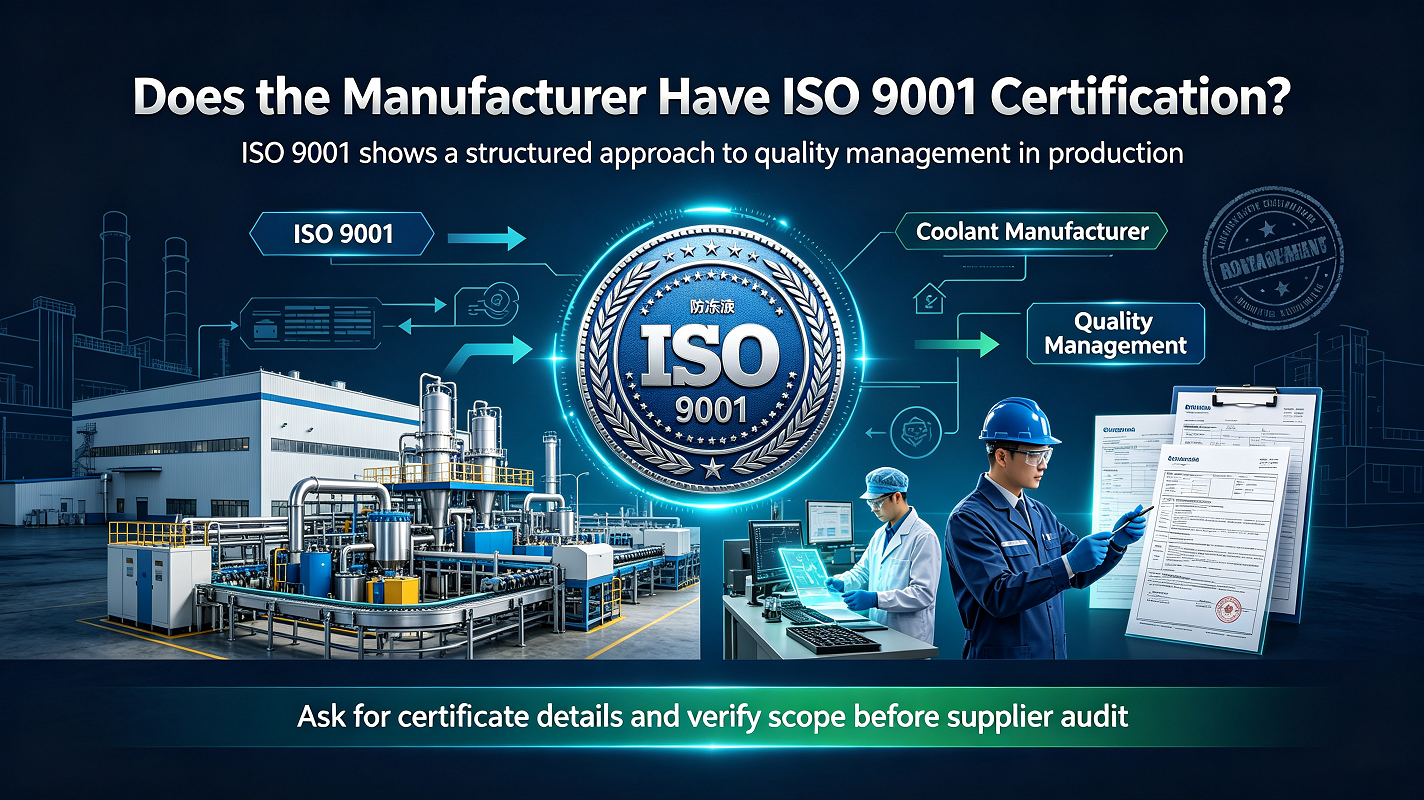
If the answers are vague, the certificate may be doing too much of the talking. That is common enough, especially when a supplier is eager to win new business. A careful buyer should verify ISO 9001 certificate of factory records, but also look for evidence that the system is embedded in production, not just in a binder.
How to verify ISO 9001 certificate of factory claims
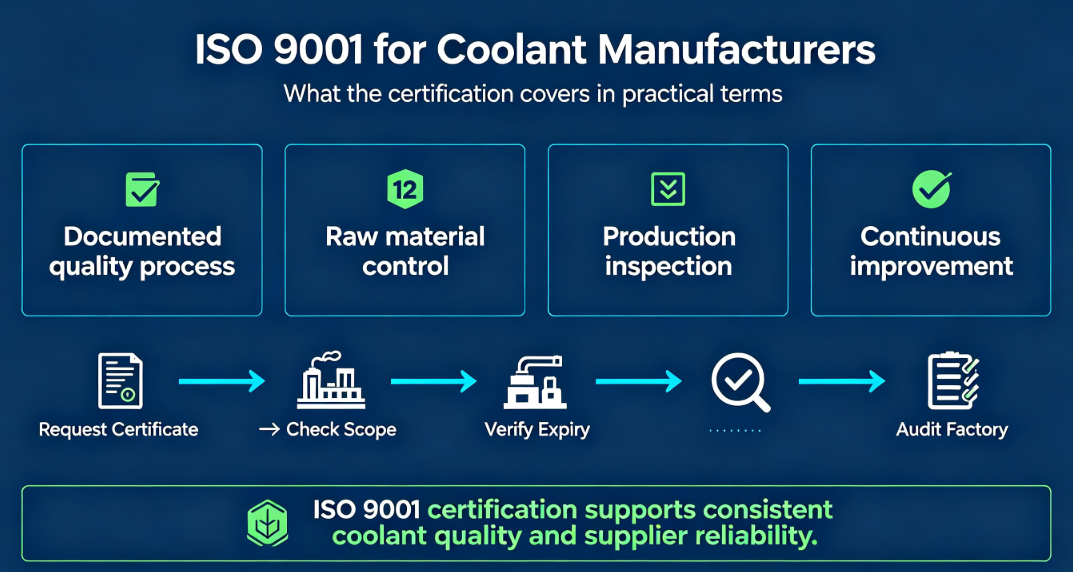
The cleanest approach is simple: request the certificate number, issuing body, scope, and validity dates, then cross-check the details with the registrar if needed. If the supplier is hesitant to share the information, that is a warning sign. A legitimate operation should be able to explain what the certificate covers and what it does not.
It also helps to ask for process-level proof. For example, you might request sample inspection records, calibration logs, defect handling procedures, or a recent audit summary. None of these items alone proves excellence, but together they show whether the system is used consistently. In practice, that is often more useful than the wording on the wall.
Common mistakes buyers make
One mistake is assuming every certified manufacturer is equally capable. They are not. ISO 9001 certification tells you the company has a framework; it does not tell you how mature that framework is, how well the teams communicate, or how serious management is about corrective action.
Another mistake is treating certification as a substitute for product-specific review. A supplier may have a valid certificate and still be weak in tooling control, special processes, packaging discipline, or traceability. If your part has a high-risk use case, you still need to review the technical details yourself.
A third mistake is ignoring scope. A factory certificate may cover a specific site or a narrow range of activities. If the product you are buying is made at a different facility, or partly outsourced, the certificate may not tell you much about the actual production chain.
Quick buyer takeaways
If you are short on time, keep these points in mind:
- ISO 9001 is useful because it indicates a structured quality management system.
- It is not proof of flawless products or perfect delivery performance.
- A valid certificate should be checked against scope, site, and issuer details.
- Process evidence is often more persuasive than a printed certificate alone.
- For critical programs, quality review should include product-specific controls, not just the standard.
Questions worth asking during supplier review
If you are speaking with a potential supplier, a few direct questions can save time later. Ask how often internal audits are performed, how nonconforming material is handled, and who owns corrective action when a defect appears. Ask whether the team can trace a lot from incoming material to final shipment. Ask how changes are controlled when a drawing, fixture, or material spec is revised.
These are not abstract compliance questions. They reveal whether the supplier’s quality system is part of daily operations or merely a sales tool. In many manufacturing programs, that difference shows up only after the first problem occurs, which is usually a more expensive time to learn it.
When certification is helpful, and when it is not enough
ISO 9001 certification is especially useful when you are qualifying a new source, comparing multiple bidders, or trying to reduce obvious supplier risk early in the process. It gives procurement teams a common reference point and helps narrow the field.
It is less useful when you already know the job is technically sensitive. For high-precision parts, regulated assemblies, or products with complex failure modes, the standard should be treated as one input, not the answer. In those cases, engineering review, sample approval, and production trial runs usually matter more than the certificate itself.
FAQ: a few practical clarifications
Does ISO 9001 guarantee product quality?
No. It supports a disciplined quality management approach, but it does not guarantee that every shipment will meet expectations.
Can a small factory be certified?
Yes. Size is not the issue. What matters is whether the organization maintains the required system and can apply it consistently.
Should I trust a certificate sent in an email?
Not on its own. Use it as a starting document, then verify the issuing body, scope, and current status before relying on it in sourcing decisions.
Next step for sourcing teams
If ISO 9001 certification is part of your supplier screening, use it to ask better questions rather than to stop asking questions altogether. A strong supplier will be able to explain its quality management practices, show where the system lives in production, and support its claims with records that make sense. That is the level of evidence buyers should expect before they place a meaningful order.
If you are comparing suppliers now, build a short verification checklist, request the certificate details up front, and then confirm that the scope matches the work you actually need. It is a small step, but it often separates a safe sourcing decision from an expensive surprise.
Welcome to contact GAFLE for more information & cooperation!
peter
ZHEJIANG GAFLE AUTO CHEMICL CO.,LTD
Tel:86-579-8222 1665
Fax:86-579-8246 4690
Cel/Wechart:86-13335993986
E-mail:peter@gafle.net
Web:www.gafle.net