Why brake fluid standards matter before anyone starts comparing prices
Brake fluid looks like a commodity until a vehicle, machine, or service network has to rely on it in real use. Then the details matter fast. brake fluid is not just a hydraulic medium; it is the pressure-transmitting link between the driver’s input and the braking system’s response. If the fluid does not behave consistently under heat, moisture exposure, and long service intervals, the rest of the system can be perfectly designed and still perform badly.
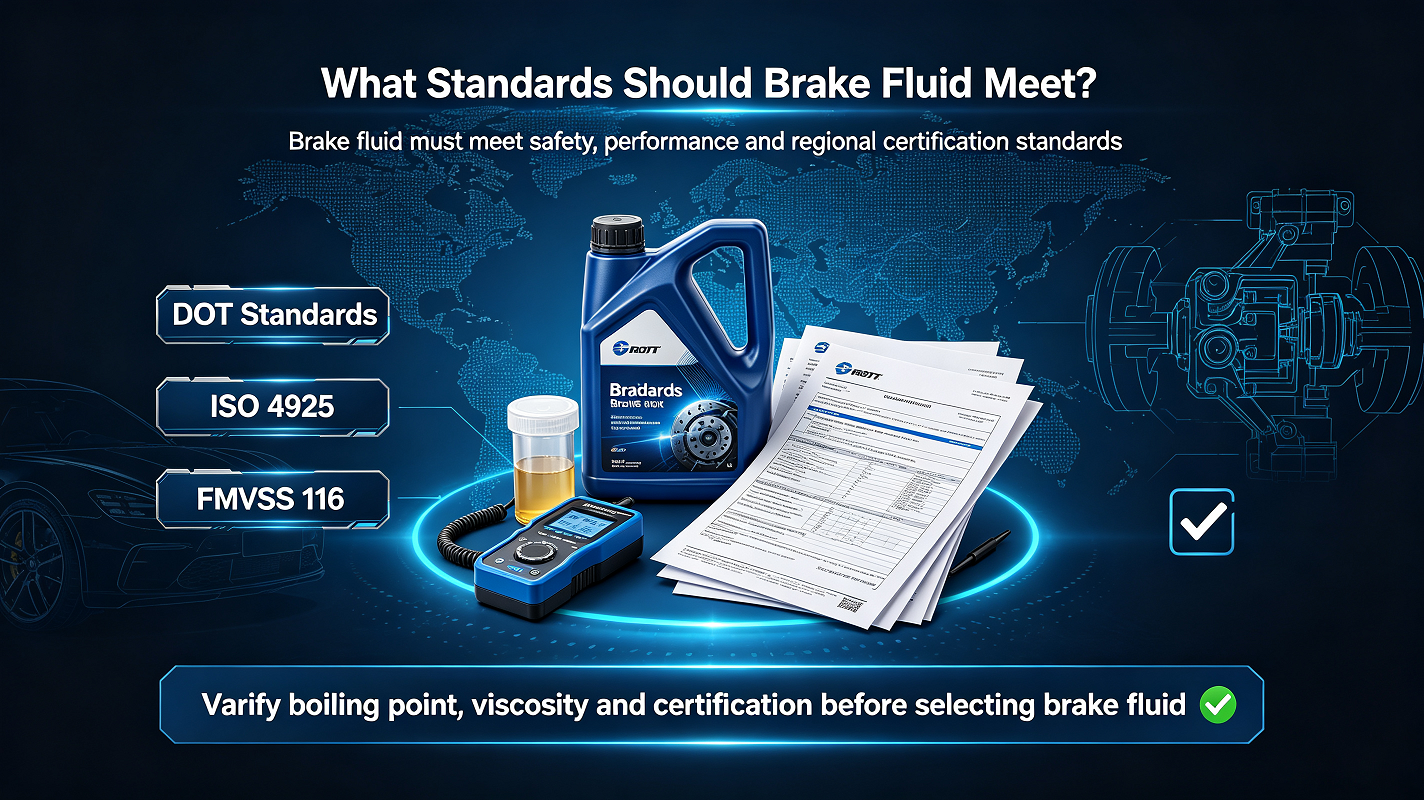
That is why buyers, engineers, and sourcing teams often end up asking the same practical question: what standard should this fluid meet, and what does that actually tell us? For brake applications, ISO 4925 is one of the references that helps define performance expectations for hydraulic brake fluids. It does not solve every sourcing decision, but it gives a common language for comparing products without relying on marketing claims alone.
What ISO 4925 is really used for
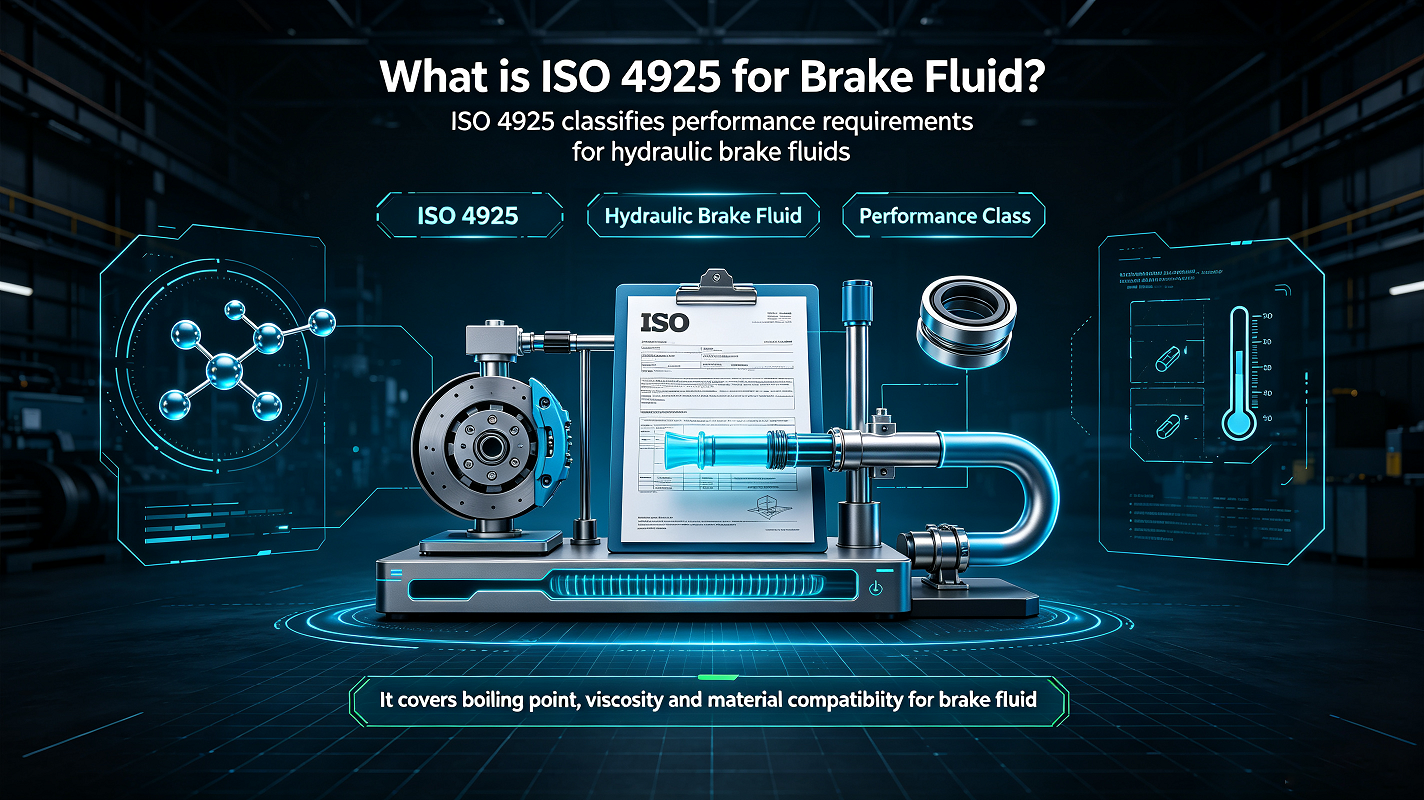
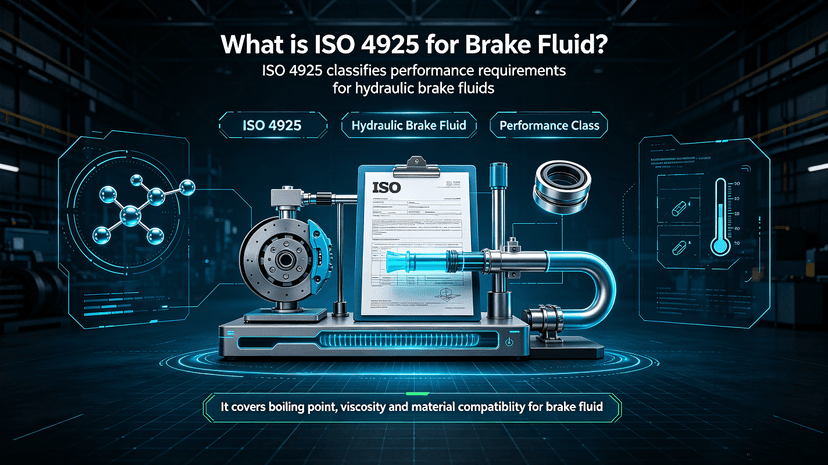
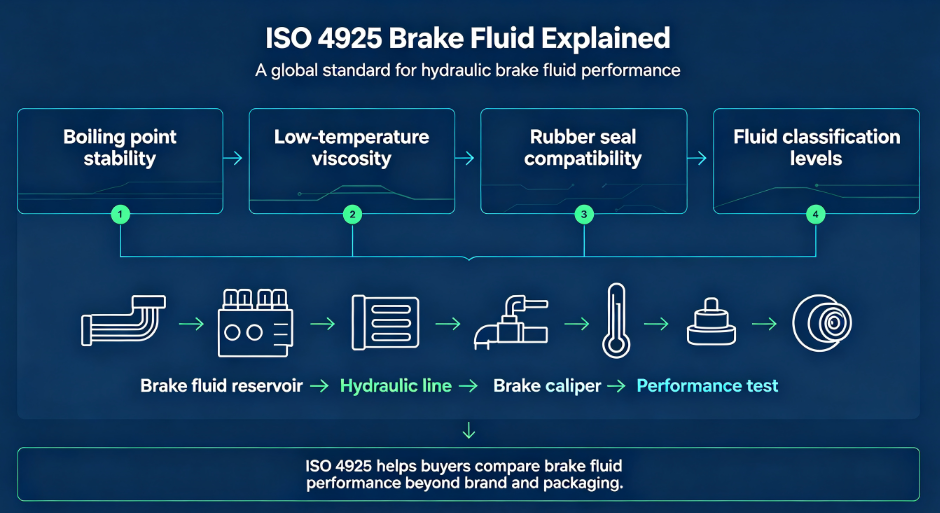
For people searching what is ISO 4925, the short answer is that it is an international standard related to hydraulic brake fluid classification and performance requirements. In plain terms, it helps define how a brake fluid should behave in service so manufacturers and buyers can compare fluids against a recognized benchmark.
This matters because brake systems operate in a harsh environment. Temperatures rise quickly during braking, moisture can enter the system over time, and seals, hoses, and metal components all need compatible chemistry. A fluid can meet one use case and still be a poor fit for another. ISO 4925 gives structure to that decision by tying performance expectations to the intended application.
Key brake fluid concerns buyers should check first
If you are evaluating a new supplier or re-specifying a hydraulic fluid specification, the first question is not “what is the lowest cost?” It is whether the fluid matches the system requirements and the maintenance pattern of the vehicle or equipment. For some buyers, the biggest issue is compatibility with existing brake system design. For others, it is stability in storage, moisture tolerance, or predictable field behavior over time.
In practice, the most useful review points are often these:
1. Intended application and braking system design
2. Compatibility with existing fluid family and service intervals
3. Evidence that the product aligns with the relevant ISO 4925 brake fluid requirements
4. Packaging, contamination control, and handling practices
5. Clear technical documentation rather than vague “universal” claims
That last point sounds minor, but it is where many procurement problems begin. A fluid may be chemically sound and still create headaches if the documentation is thin or the labeling is ambiguous.
How to read ISO 4925 without overcomplicating the purchase
There is a tendency in sourcing meetings to turn standards into a checklist exercise. That can be useful, but only if the team understands what the standard is doing. ISO 4925 helps define the performance frame, yet the buyer still has to look at the full system. A fluid that performs well in one brake architecture may not suit another, especially if the system has specific seal materials or maintenance assumptions.
One practical approach is to ask for the data that supports compliance claims, then compare it against the end-use environment. If the supplier cannot clearly explain how the product maps to the intended hydraulic fluid specification, that is worth a pause. Not every application needs a lab-level debate, but every application does need a defensible match.
Common misunderstanding: standard compliance is not a substitute for application fit
A fluid can be built around a recognized standard and still be the wrong choice for a particular fleet, machine, or service program. The standard helps narrow the field. It does not remove the need to consider operating temperature, maintenance intervals, and compatibility with existing components.
What engineers and sourcing managers should ask suppliers
When reviewing brake fluid options, a few questions usually separate a serious supplier from a vague one:
Does the product clearly identify the relevant ISO 4925 category or performance basis?
Are the use limits and compatibility notes written in practical terms?
Is the packaging designed to reduce moisture pickup and contamination risk?
Can the supplier explain storage and handling expectations without hand-waving?
Is the documentation consistent across datasheet, label, and ordering information?
These are not glamorous questions, but they are the ones that save time later. Brake systems are unforgiving of small mistakes, and fluid selection has a habit of exposing weak process control.
Buyer-facing mistakes that cause avoidable trouble
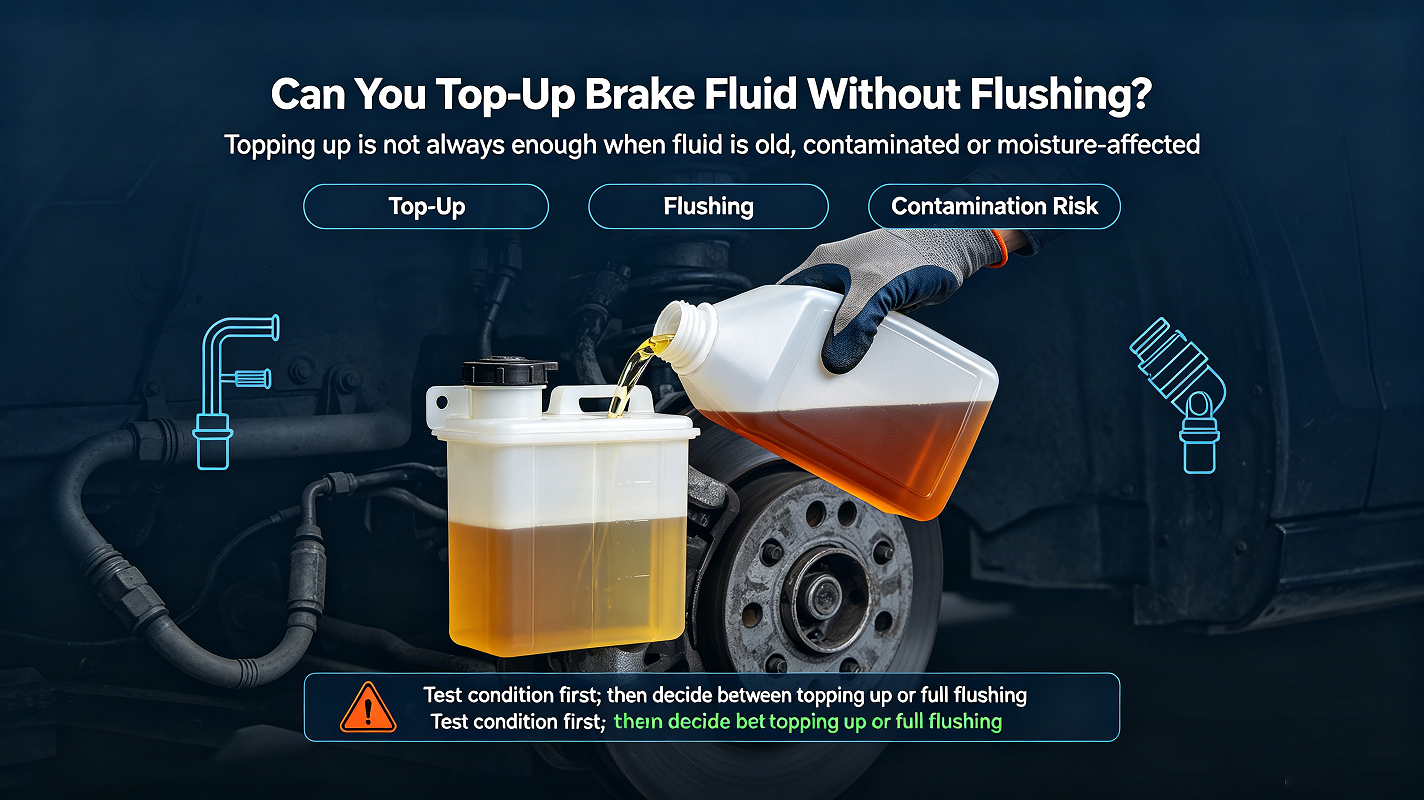
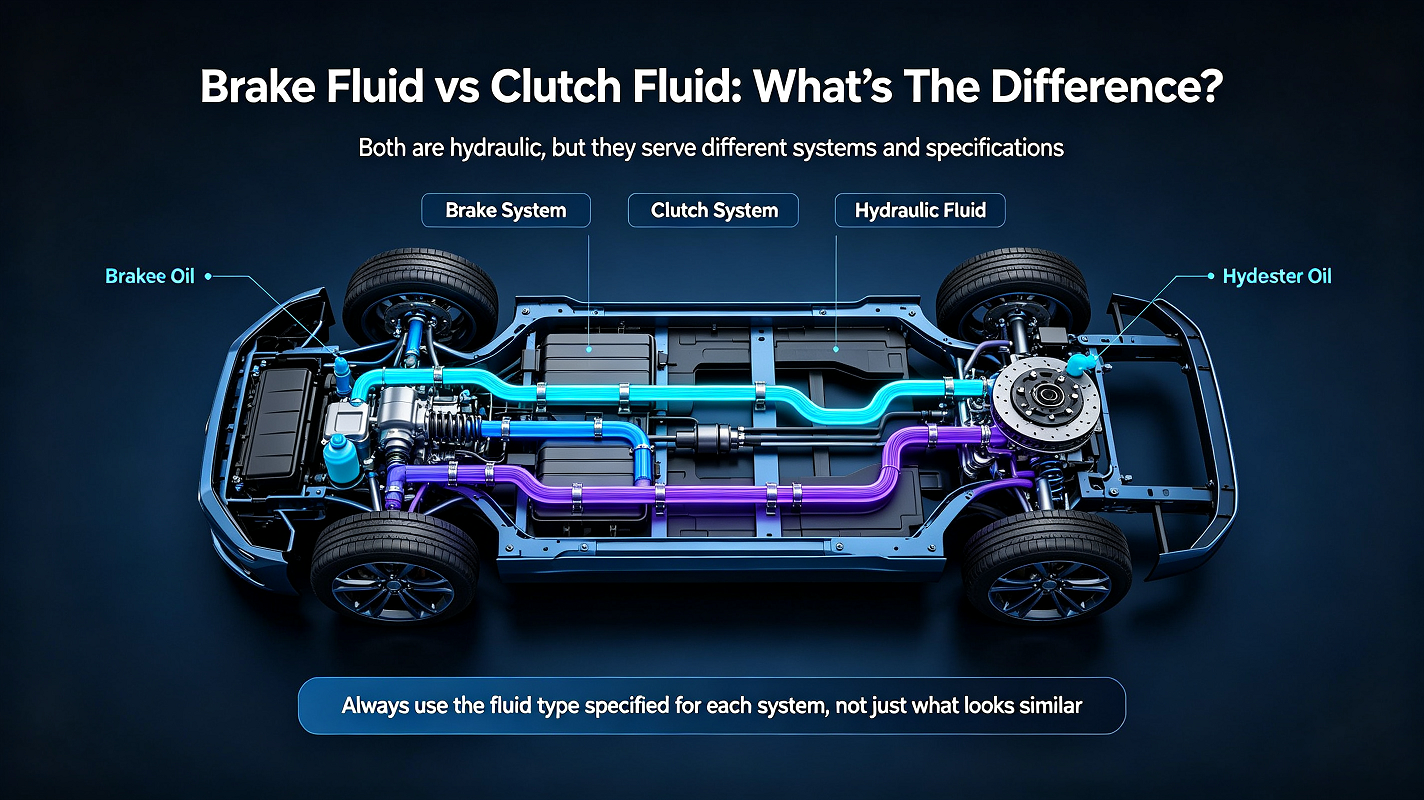
One common mistake is assuming all brake fluids are interchangeable because the bottles look similar. Another is treating a standard as the only selection criterion. A third, and maybe the most expensive in the long run, is ignoring how the fluid will actually be stored, distributed, and used on the shop floor or in the field.
Moisture exposure, contamination, and improper top-up practices can undo the value of a well-chosen product. So can poor labeling. If maintenance teams cannot distinguish fluid types quickly, errors eventually happen. That is not a chemistry problem; it is a systems problem.
Practical takeaway for procurement and product teams
If you are buying brake fluid for production, service, or fleet maintenance, use ISO 4925 as a starting point rather than a final answer. Match the product to the brake system, confirm the documentation, and make sure the supplier can support the specification in a way your team can actually use.
For product teams, the decision is usually about balancing safety, consistency, and supply reliability. For sourcing managers, it is about reducing ambiguity before it turns into field failures or warranty disputes. And for engineers, it is about keeping the hydraulic path predictable under stress. That is the real job of the fluid, standard or not.
Next step
If you are reviewing a current brake fluid specification or preparing a supplier comparison, start by mapping the application requirements to the relevant ISO 4925 category and then check the supporting technical data line by line. It is slower than buying on name recognition, but it is usually cheaper than dealing with a brake-system mismatch later.
Welcome to contact GAFLE for more information & cooperation!
peter
ZHEJIANG GAFLE AUTO CHEMICL CO.,LTD
Tel:86-579-8222 1665
Fax:86-579-8246 4690
Cel/Wechart:86-13335993986
E-mail:peter@gafle.net
Web:www.gafle.net